
Planting the Seeds of Cultural Sustainability
April 22, 2026 | Student Ambassador Aiyanna Tanyan’s (Seminole Nation of Oklahoma) work to reclaim food sovereignty
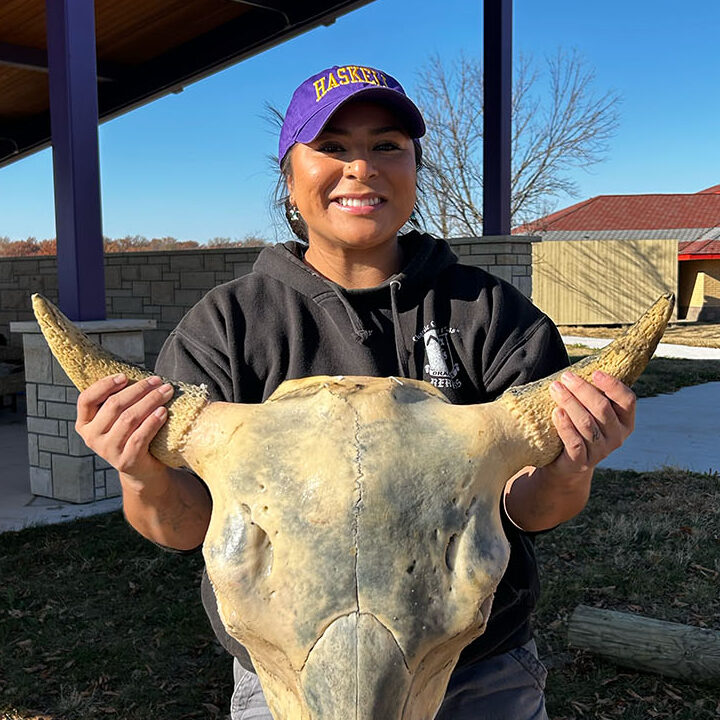
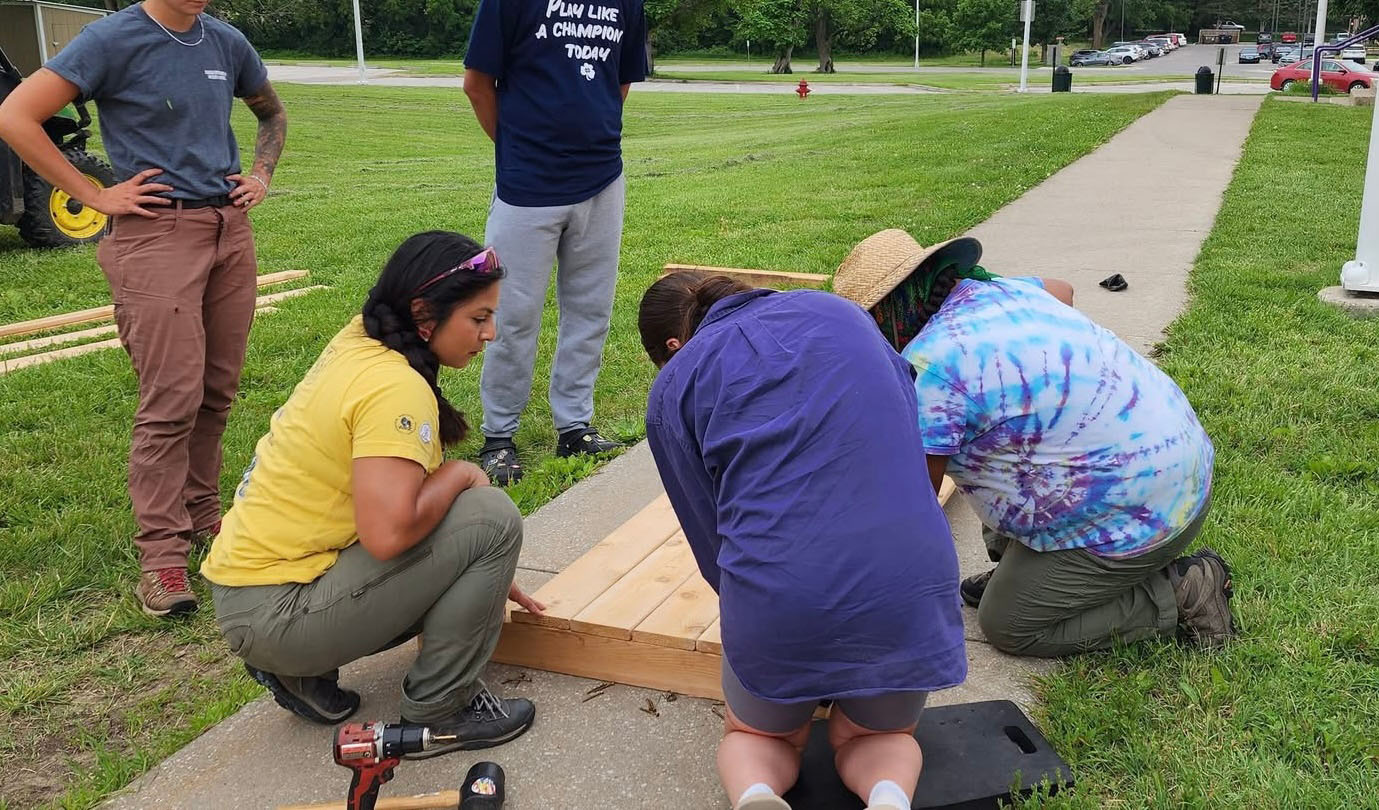
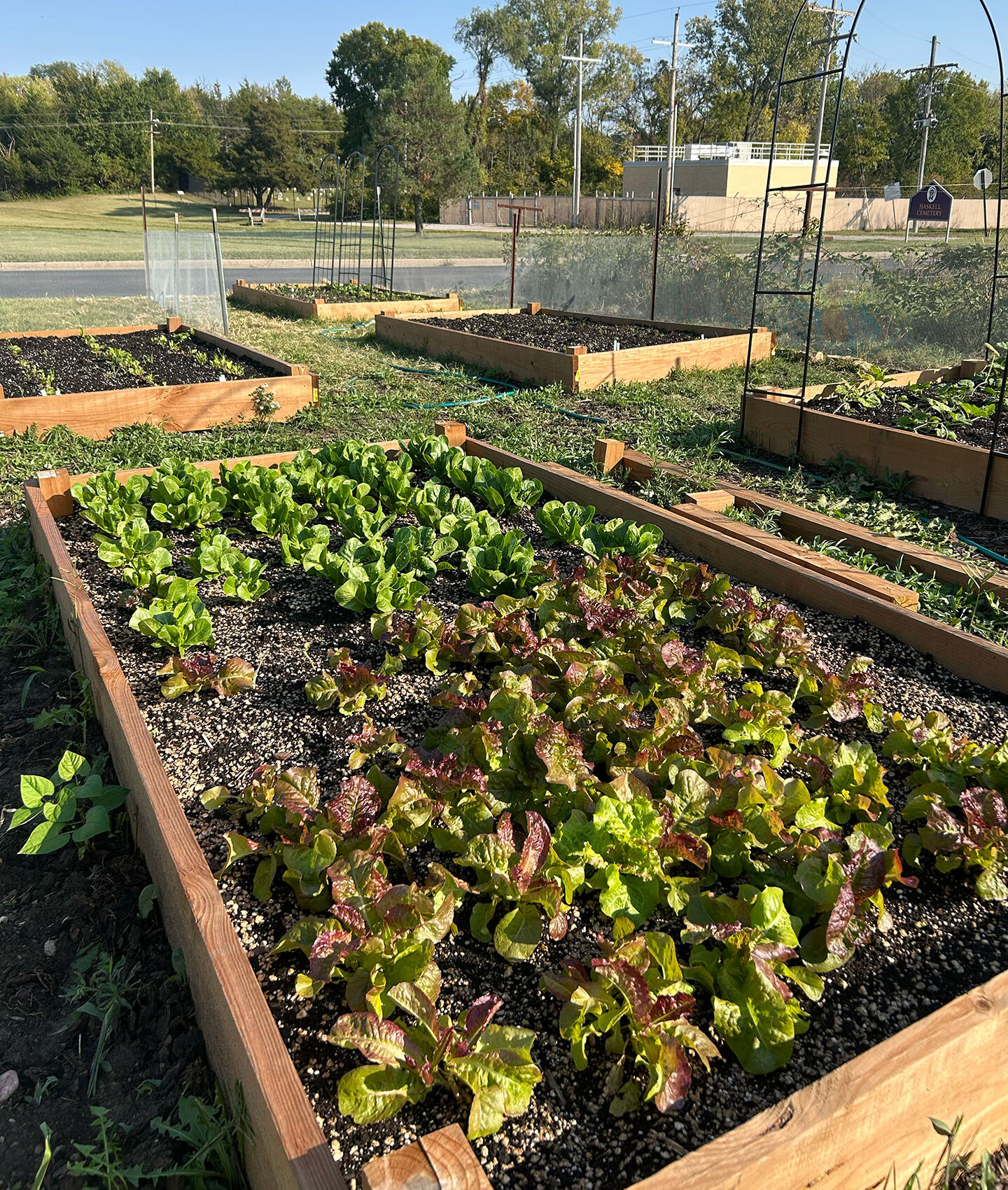
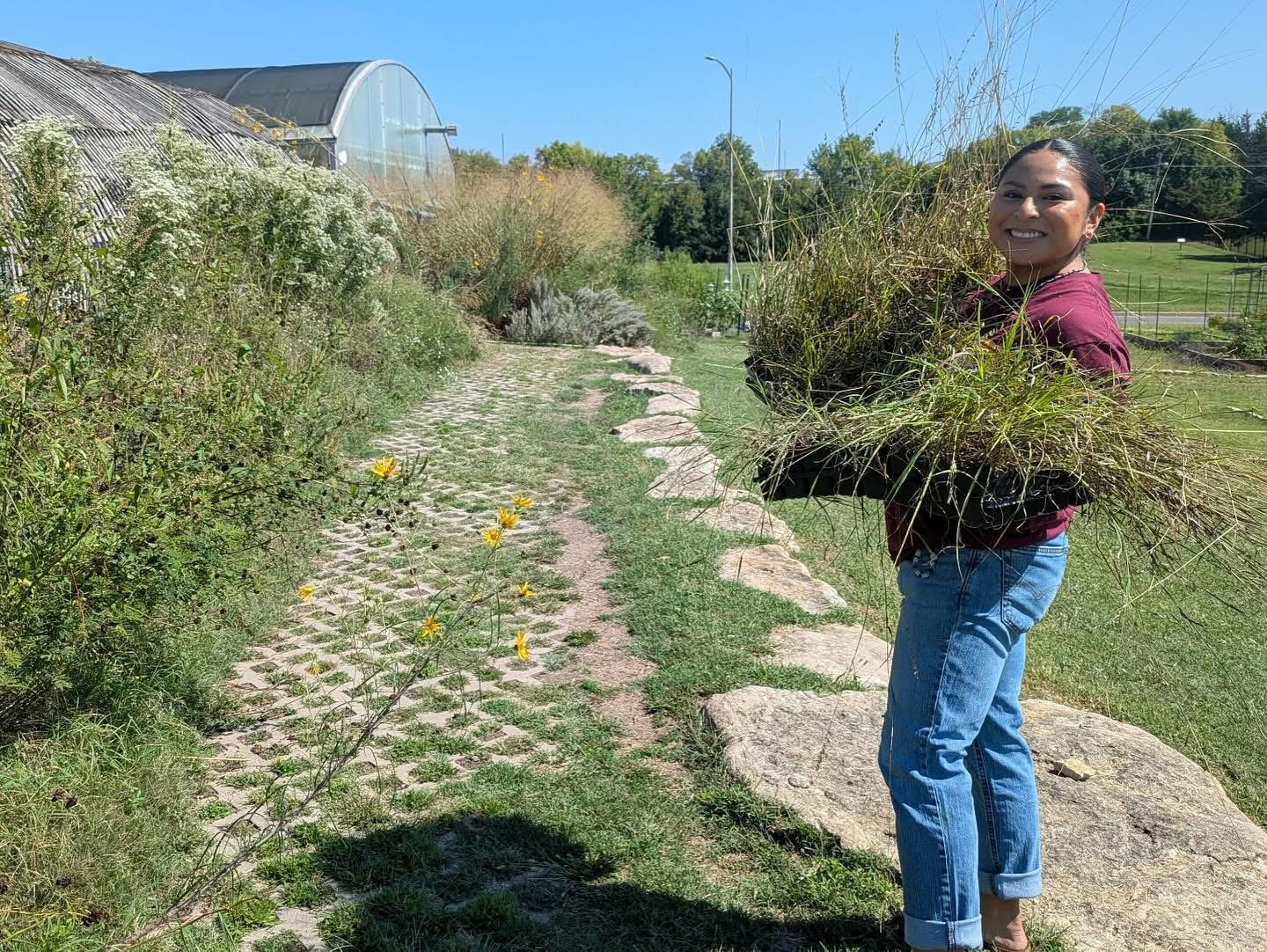
We came up with the idea of building raised garden beds near the dorms so students can easily access fresh foods and learn how to grow them themselves. Through support from the Haskell Greenhouse (funded through the USDA Equity Grant), we started building.
Last year was our first year doing this project and it was a learning experience as with many community-based projects, it comes with trial and error. However, that process taught us a lot about what works, what doesn’t, and how to build something more sustainable moving forward. This year, we’re continuing this work with stronger systems, more involvement, and a clearer vision.
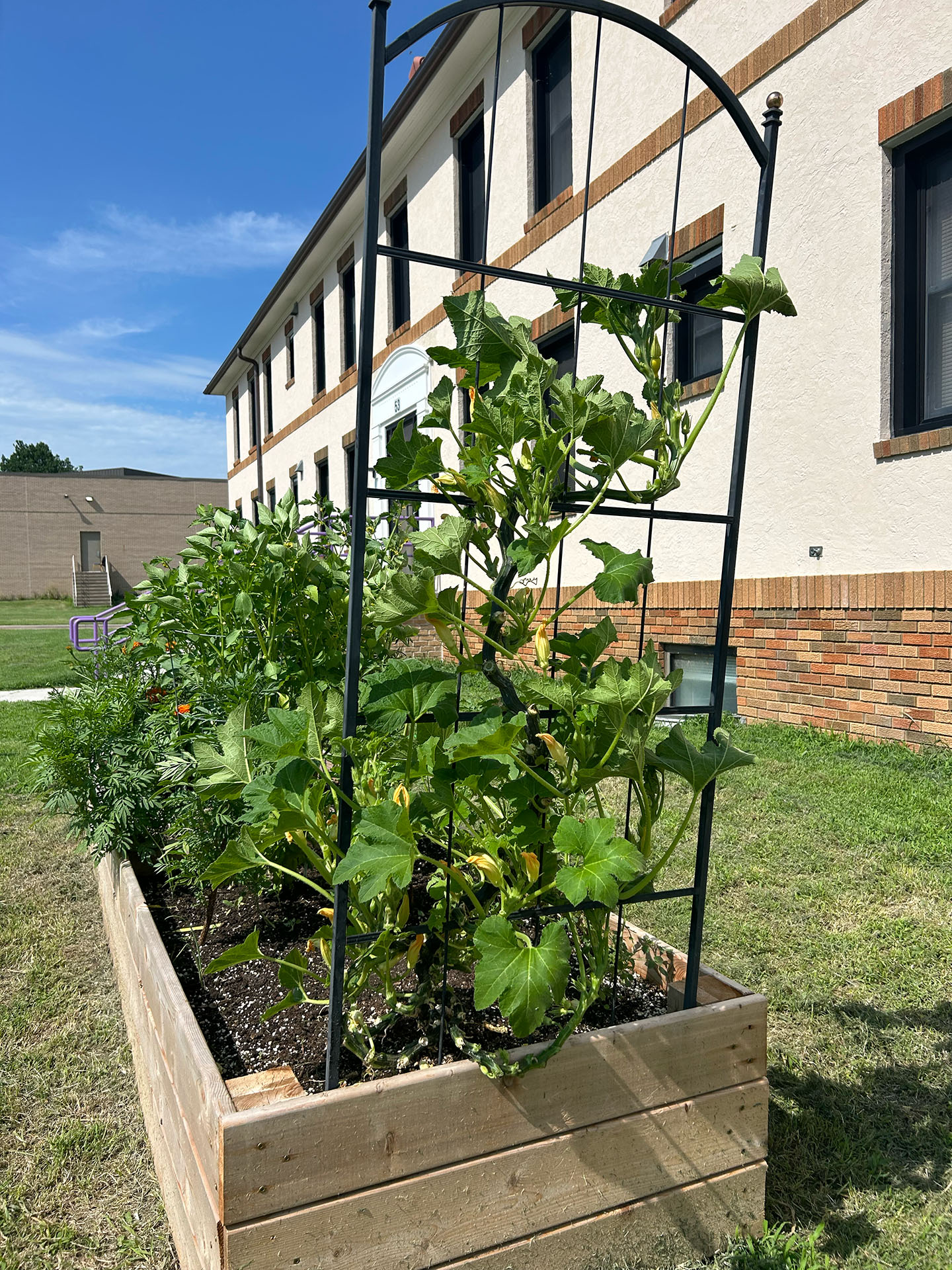
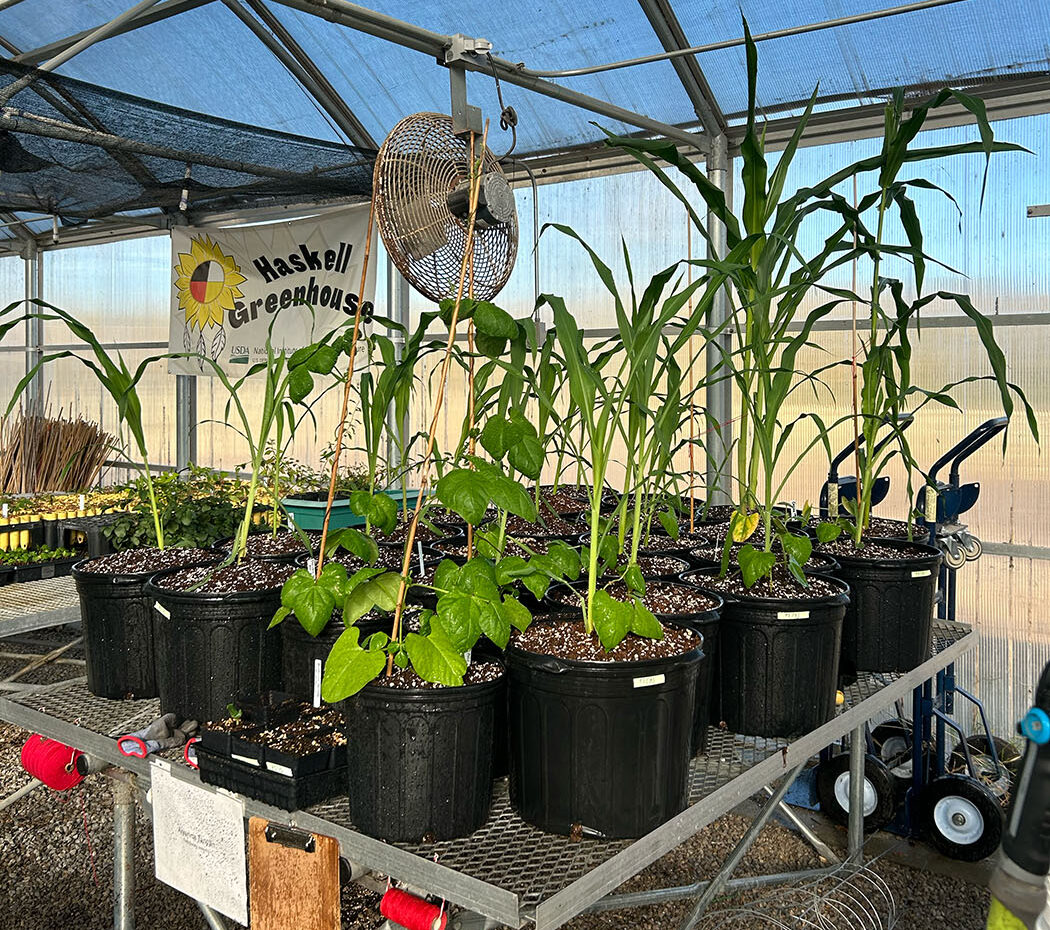
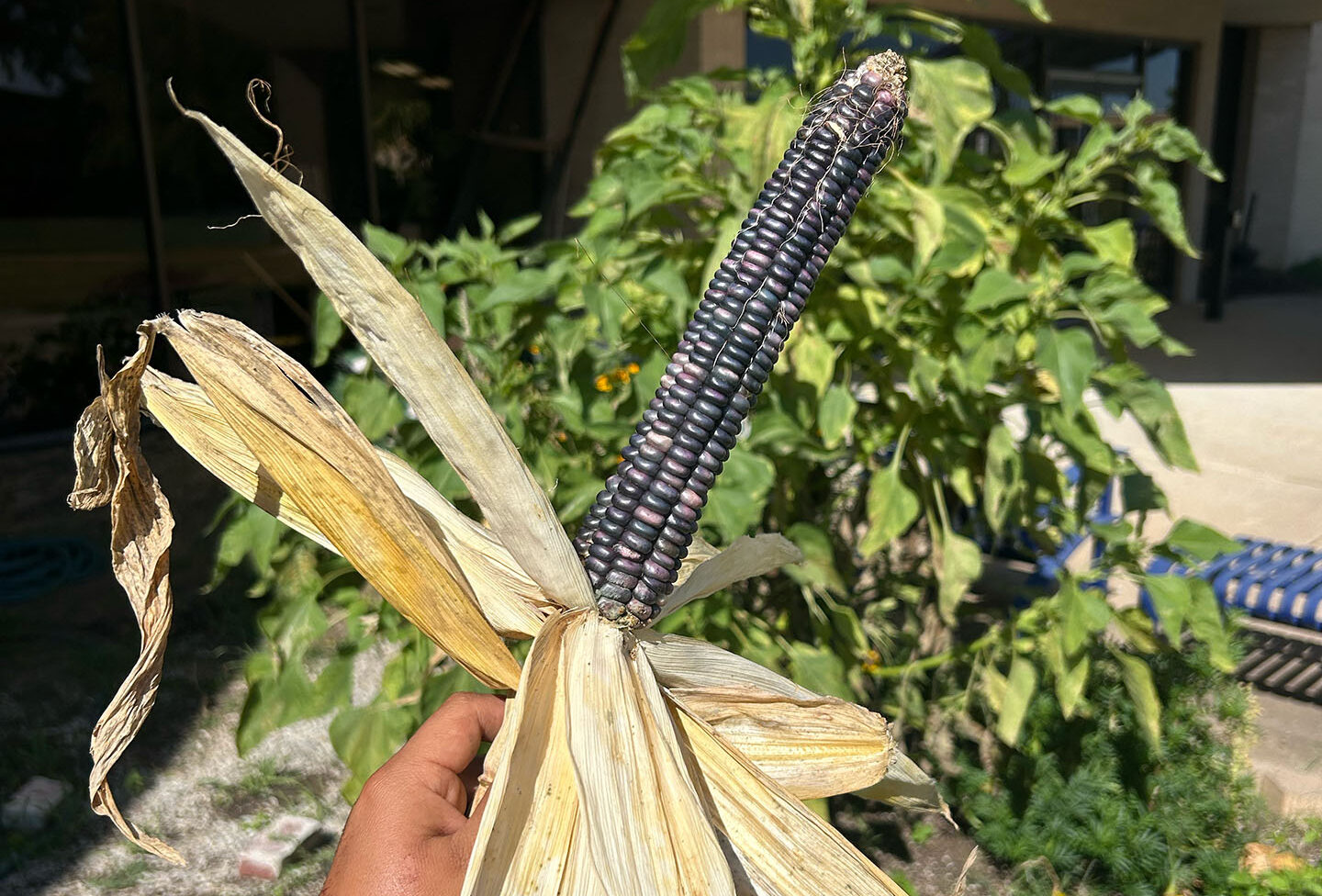
Everyone at the Haskell Greenhouse wants to help others learn, value, and view these spaces as places of teaching. I know they have taught me so much about responsibility and our relationship with the environment. Through these projects, we’re helping students reconnect with the land and understand the importance of food sovereignty for Indigenous communities. This work is ongoing, and we’re still learning. Every seed planted, and every workday shared brings us one step closer to a more sustainable and connected future.
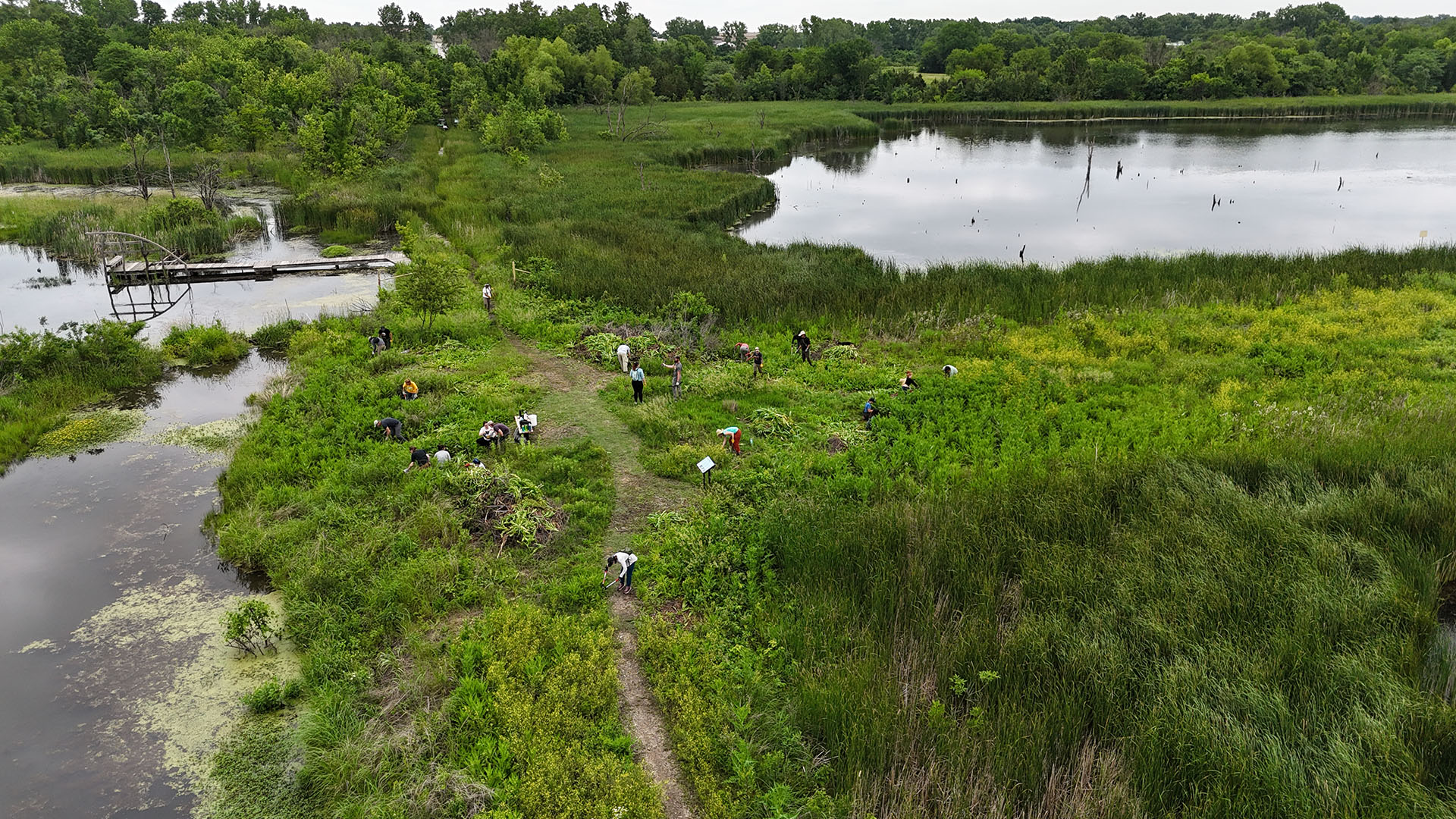
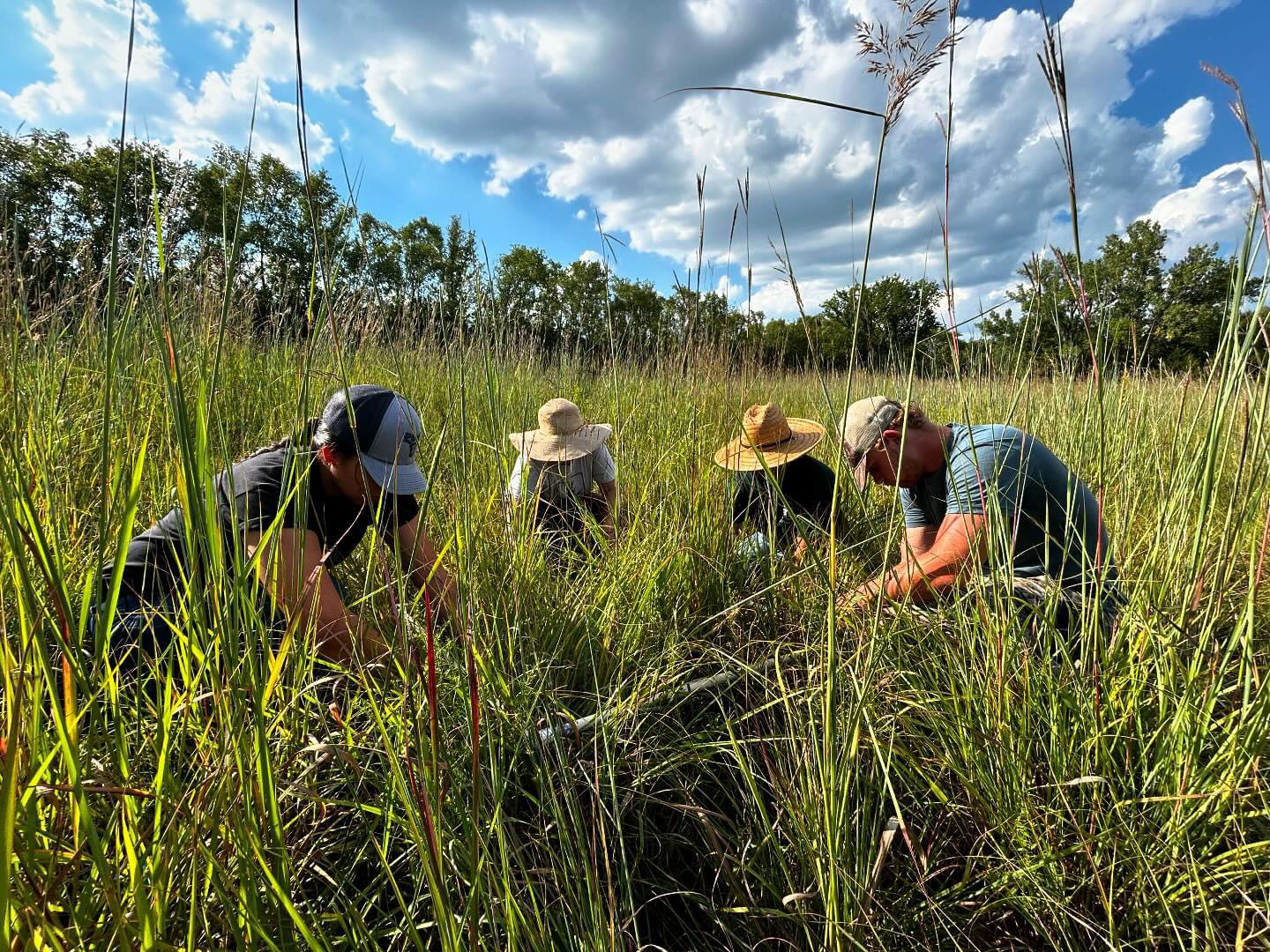
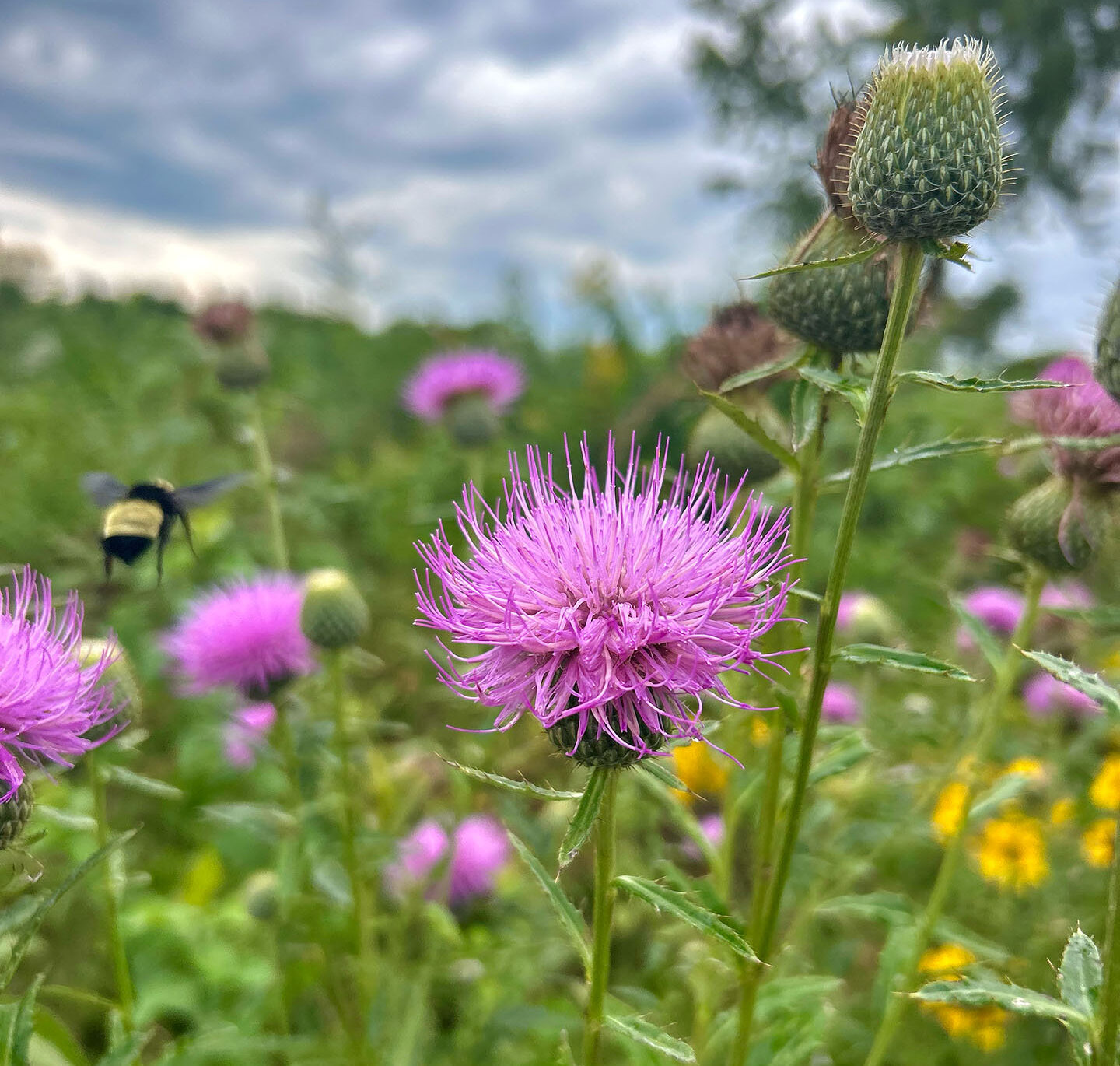
In Caring for Our Kin: Stories of Indigenous Environmental Stewardship, the College Fund shares the stories of Indigenous environmental leaders who are centering kinship and relational knowledge to build healthy ecological systems. These stories remind us that caring for the Earth means caring for one another—and that Indigenous knowledge systems continue to offer guidance, resilience, and hope for the future.
Learn more about our Environmental Stewardship Program.
Ekvnv Vcayecet. Mvto!
(Take care of the Earth/Land. Thank you)
More Blogs
The Way to Reawaken Indigenous Language is to Nurture Speakers
Amanda LeClair-Diaz and Tarajean Yazzie-Mintz review research literature that demonstrates Tribal Colleges and Universities’ (TCUs) efforts in Native language revitalization. The review focuses on research of Native language revitalization opportunities in early childhood education and development.
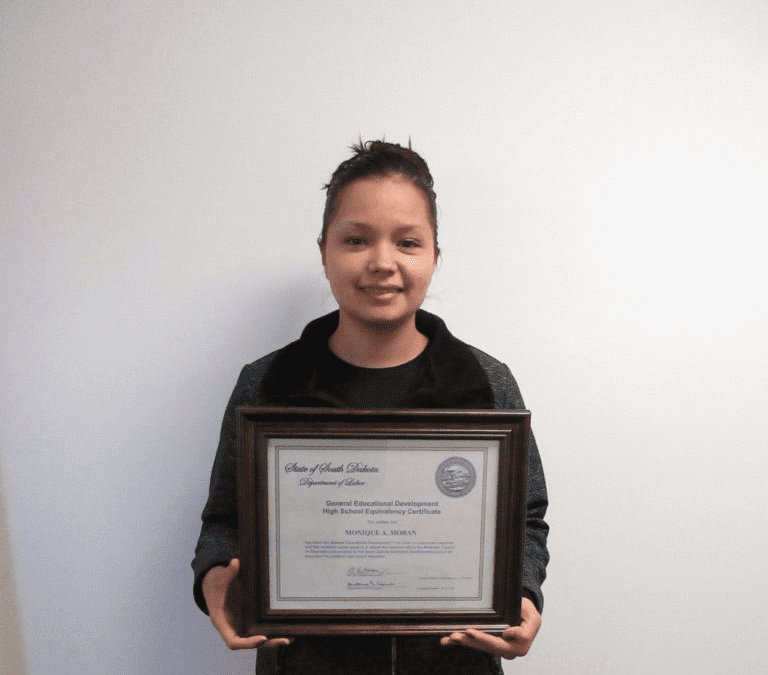
Dollar General GED Program: Monique’s Story
The Sinte Gleska University Adult Basic Education/GED department provides free GED tutoring and testing services to approximately 120 adult learners annually on the Rosebud Reservation and surrounding counties in south central South Dakota.
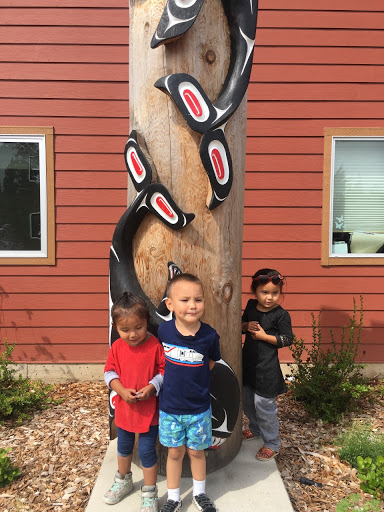
Interactive Sensory Garden Featuring Flora That Is Indigenous to This Land
Northwest Indian College’s Early Learning Center innovated an Interactive Sensory Garden helping preschool children to engage in experiential STEM education.
An Interview with Monique Moran, GED Graduate
The American Indian College Fund and Sinte Gleska University (SGU) are sharing this powerful GED story demonstrating the success of the Dollar General American Indian and Alaska Native Literacy and Adult Education Program.
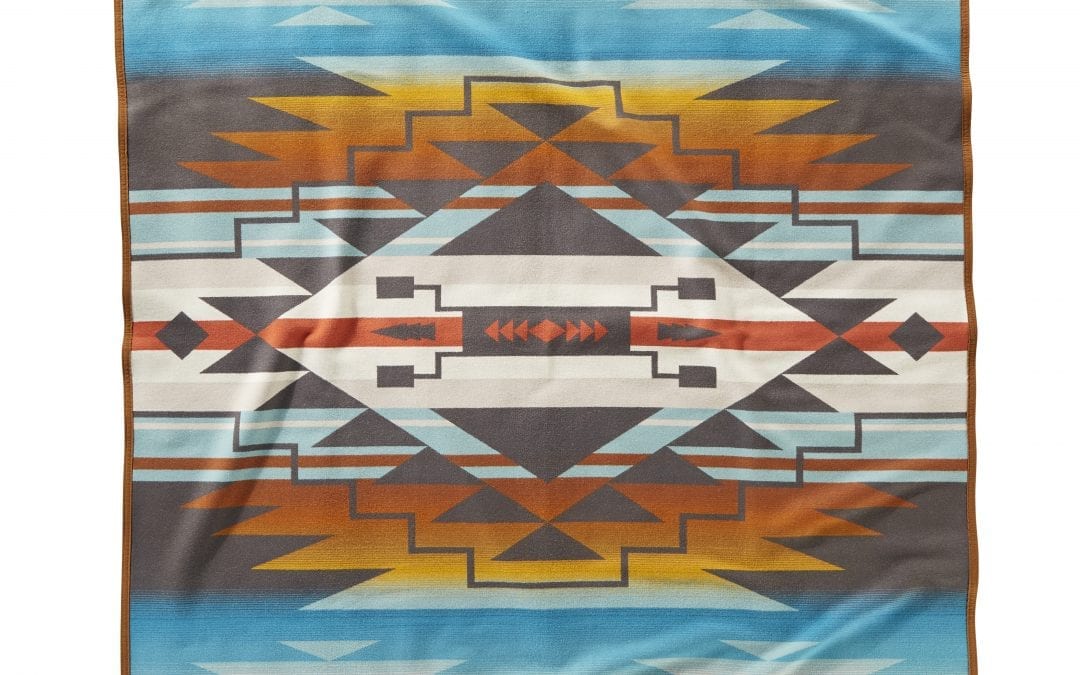
American Indian College Fund Announces A New Blanket for 2019: Seven Generations
The American Indian College Fund, Pendleton Woolen Mills, the acclaimed lifestyle brand headquartered in Portland, Oregon, and Nike N7 introduce a new shared-values blanket, 7 Generations, just in time for Native American Heritage month in November.
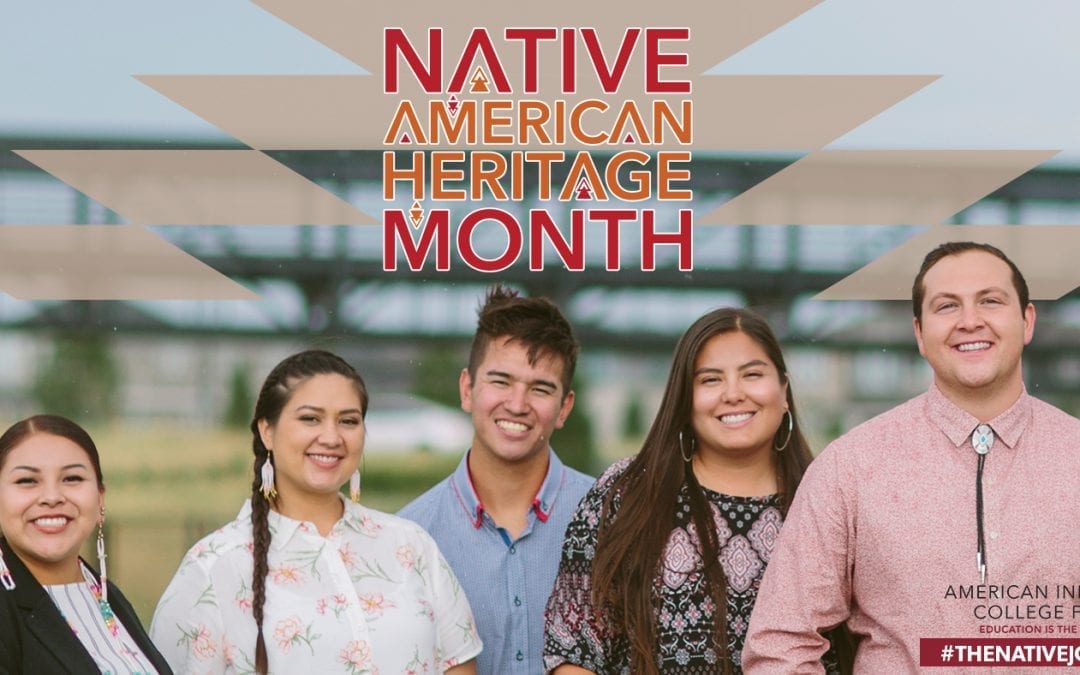
American Indian College Fund Says New Proclamation Undermines Significance of Native People
Since 1990, November has been designated as Native American Heritage Month to celebrate Native people and their contributions to society. However, leaders with the American Indian College Fund are concerned that President Trump’s newly formed proclamation that November will also be considered National American History and Founders Month may divert attention from Native issues and undermine the experiences and role of Native populations in this country’s history.
Oglala Lakota College’s GED Program Goes Electronic with Adult Basic Education (TABE) Tests
The Oglala Lakota College (OLC) Community Continuing Education/GED department will implement electronic Tests of Adult Basic Education (TABE) in all 11 classroom sites in the fall of 2019.
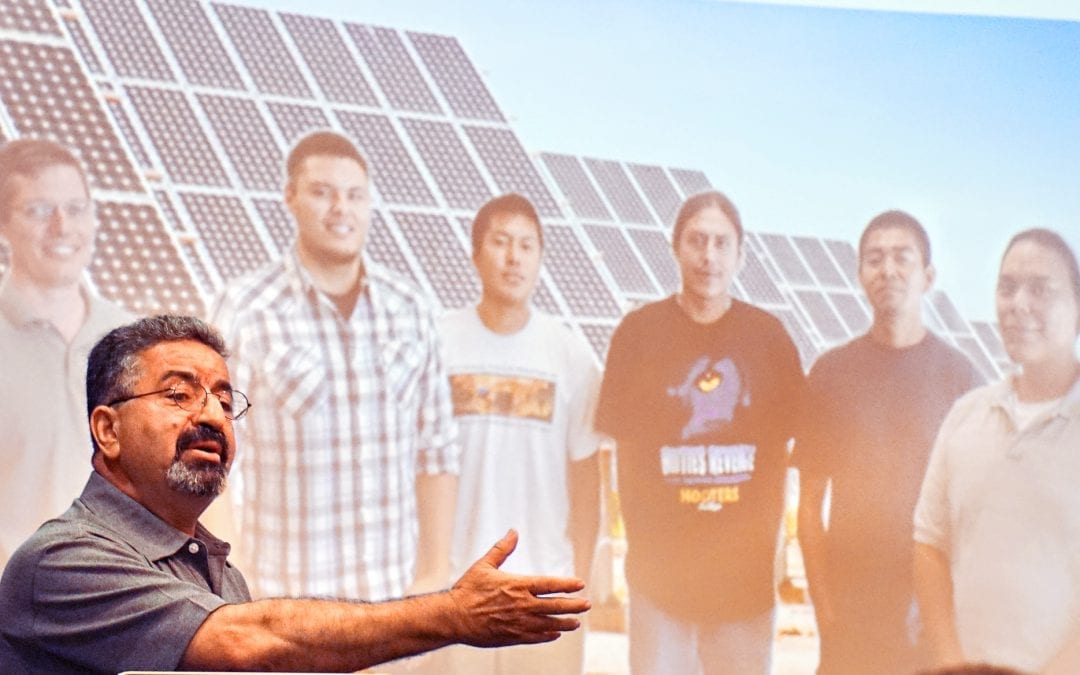
APS Foundation Supports Navajo Student STEM Scholarships with American Indian College Fund for Ninth Straight Year
Just under nine percent of Navajo people age 25 and older have achieved a college degree in the United States—compared to 30.9 percent of other groups nationwide.
Lannan Foundation Creates $3 Million Endowment with American Indian College Fund for Native Scholarships
Only 14% of American Indian and Alaska Native students have a college degree, less than half the rate of other groups—and one barrier to getting a higher education is often cost. Lannan Foundation of Santa Fe, New Mexico is helping to make it easier for Native students to get a college degree, thanks to a $3 million endowment it created with the American Indian College Fund.

How To Indigenize Your Halloween Costume!
Halloween should be the best time EVER! You dress up, you get free candy, and sometimes explore your DARK, creepy side. But what if you want to express your culture with your costume?
