
Planting the Seeds of Cultural Sustainability
April 22, 2026 | Student Ambassador Aiyanna Tanyan’s (Seminole Nation of Oklahoma) work to reclaim food sovereignty
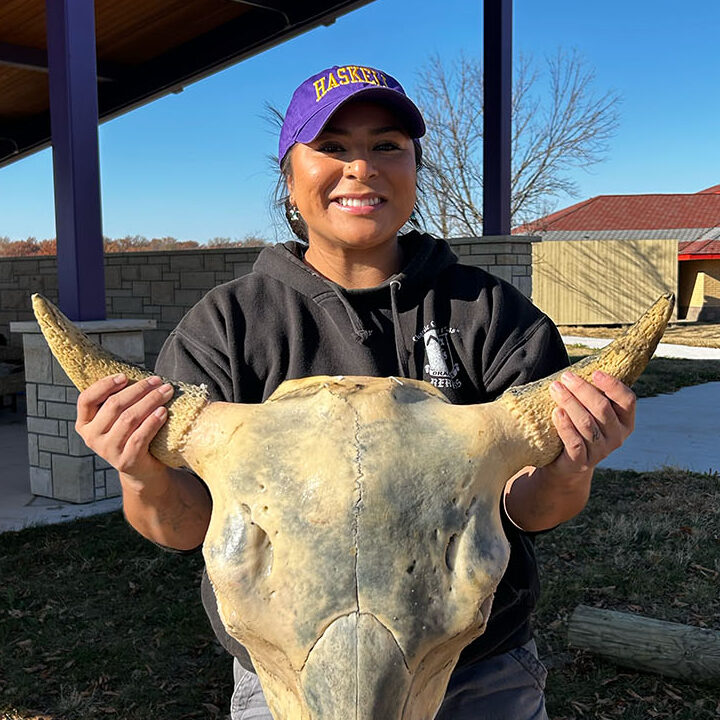
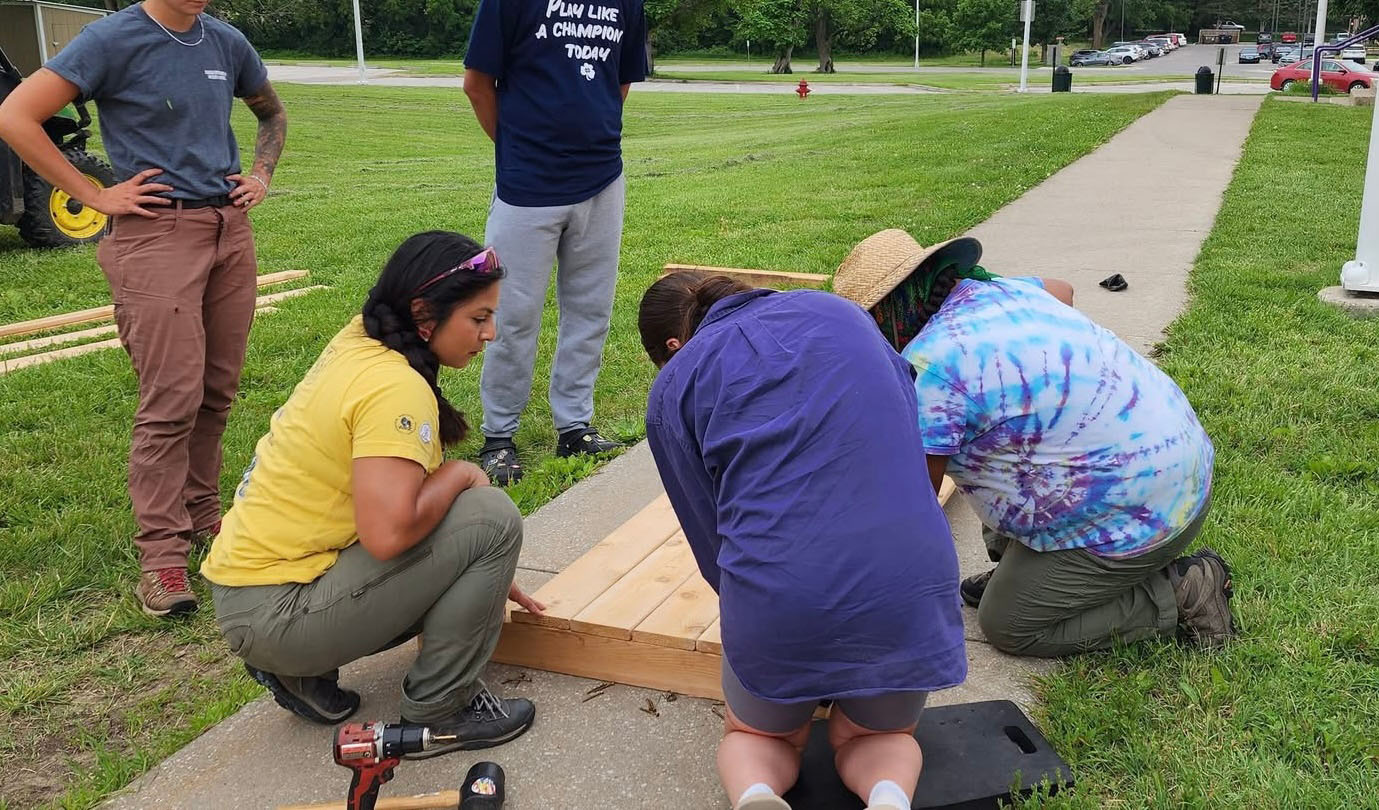
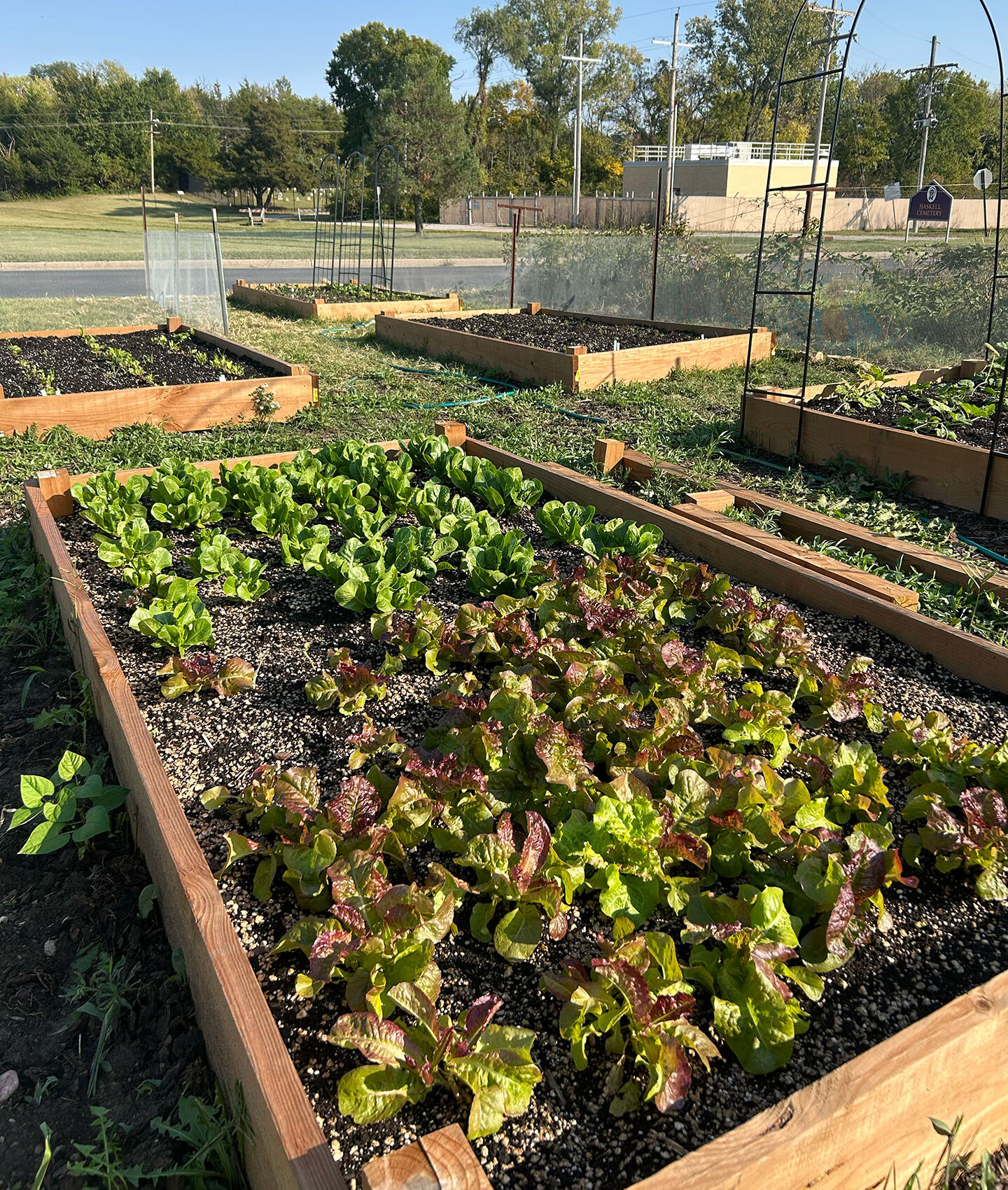
We came up with the idea of building raised garden beds near the dorms so students can easily access fresh foods and learn how to grow them themselves. Through support from the Haskell Greenhouse (funded through the USDA Equity Grant), we started building.
Last year was our first year doing this project and it was a learning experience as with many community-based projects, it comes with trial and error. However, that process taught us a lot about what works, what doesn’t, and how to build something more sustainable moving forward. This year, we’re continuing this work with stronger systems, more involvement, and a clearer vision.
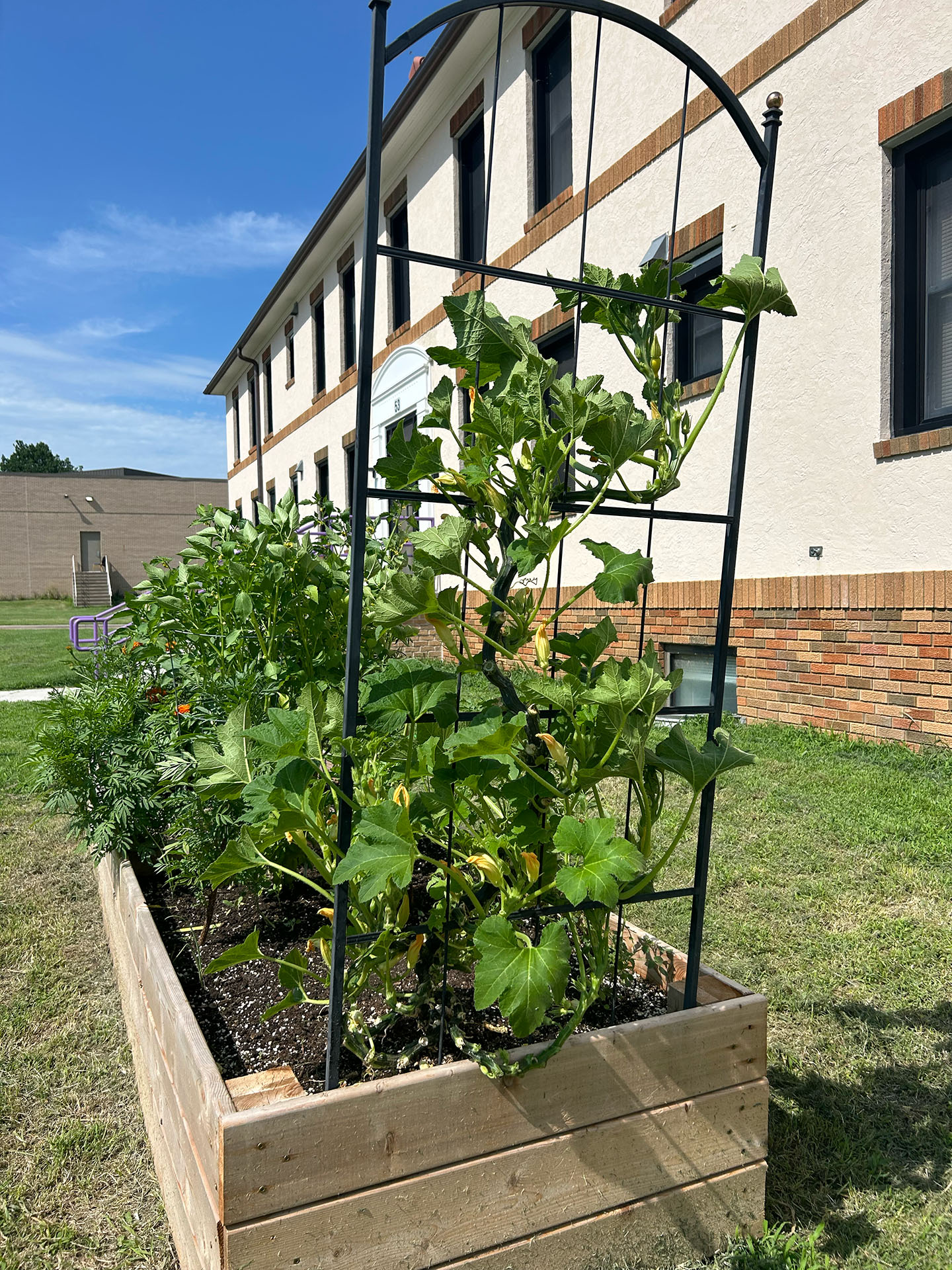
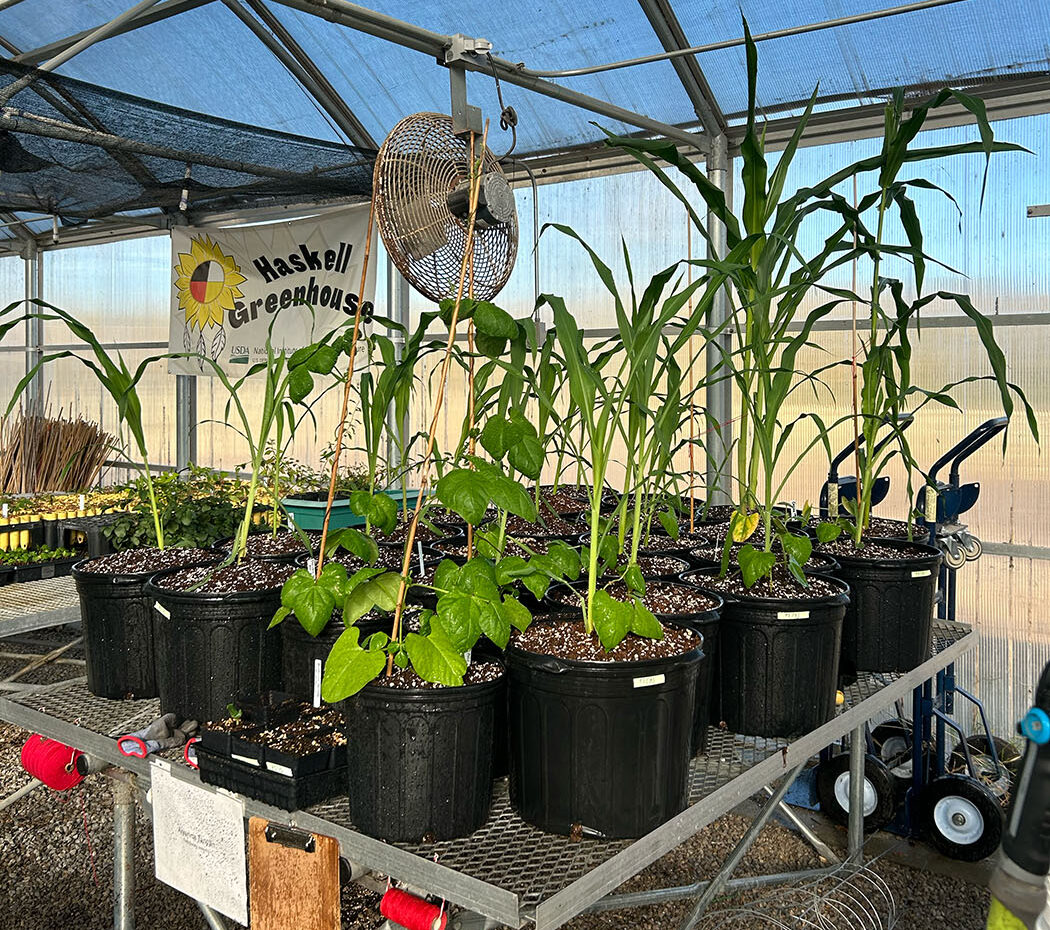
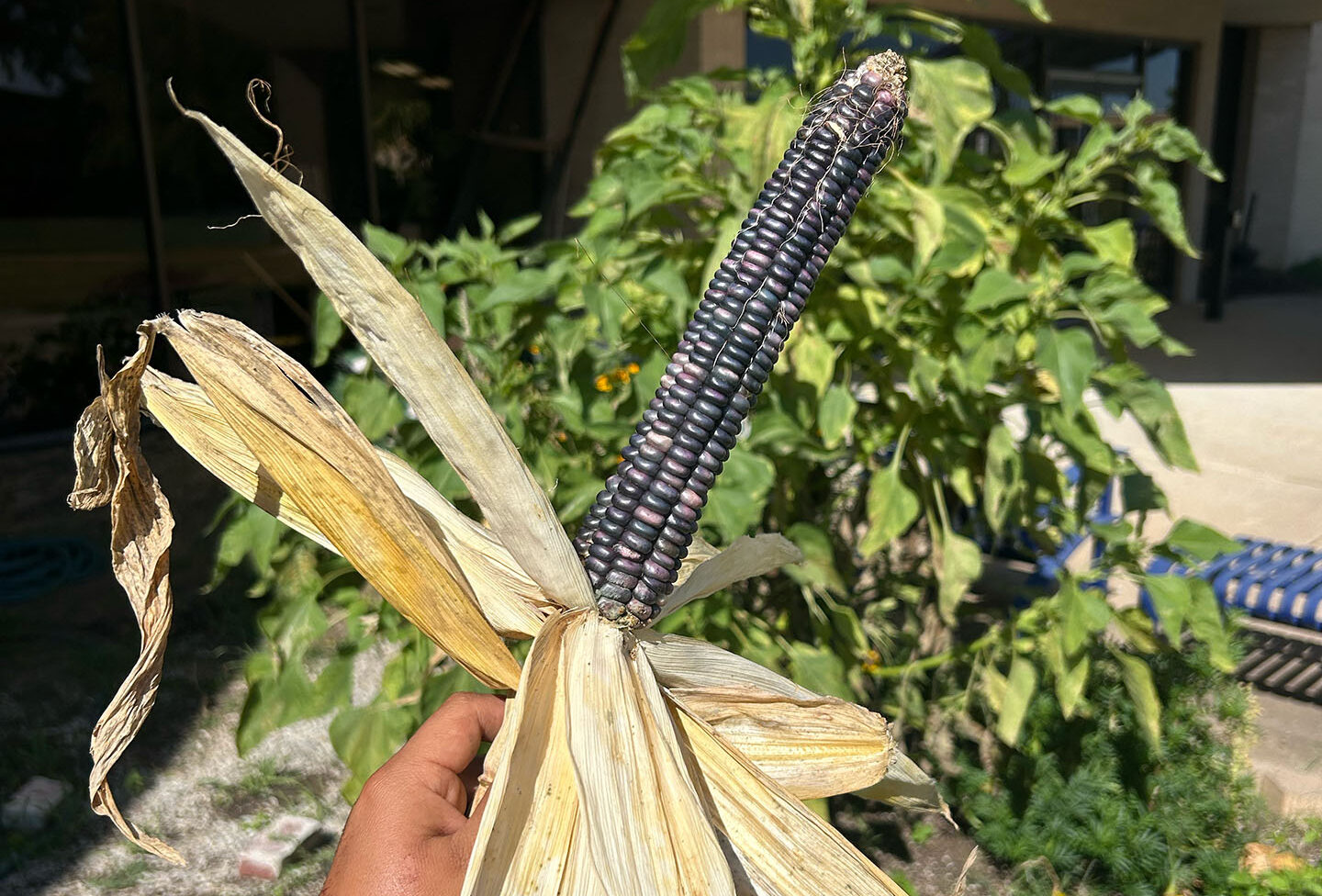
Everyone at the Haskell Greenhouse wants to help others learn, value, and view these spaces as places of teaching. I know they have taught me so much about responsibility and our relationship with the environment. Through these projects, we’re helping students reconnect with the land and understand the importance of food sovereignty for Indigenous communities. This work is ongoing, and we’re still learning. Every seed planted, and every workday shared brings us one step closer to a more sustainable and connected future.
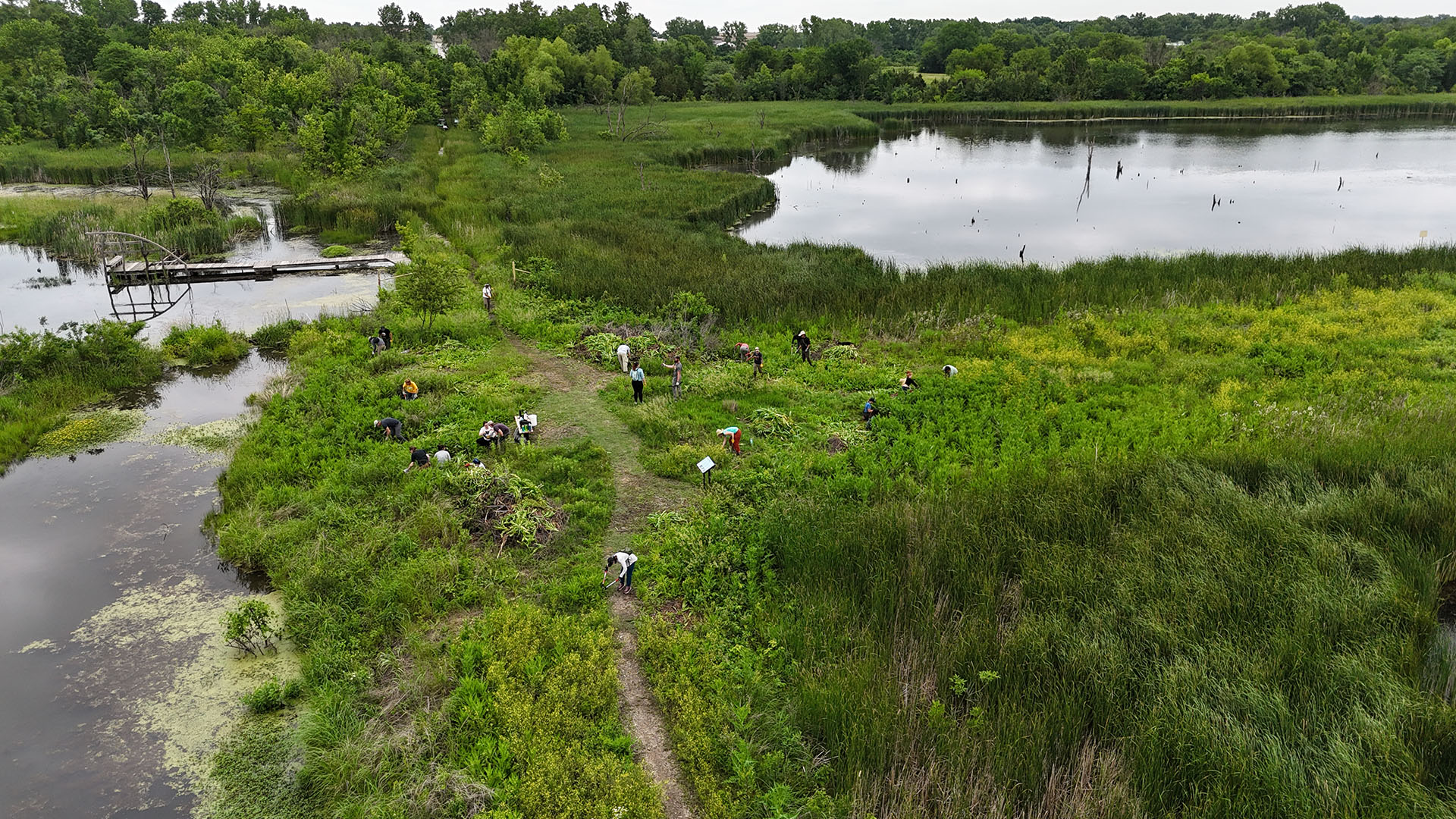
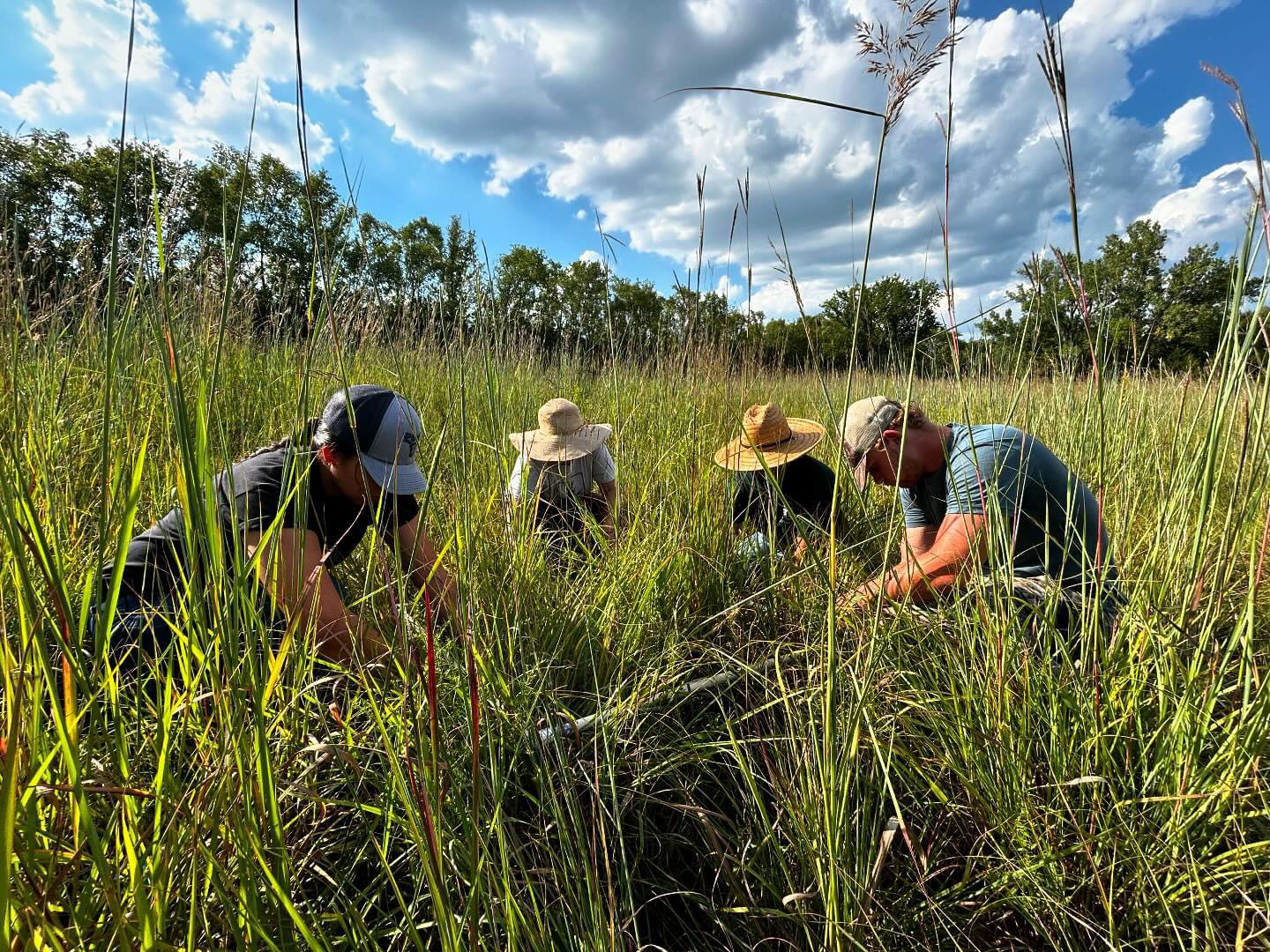
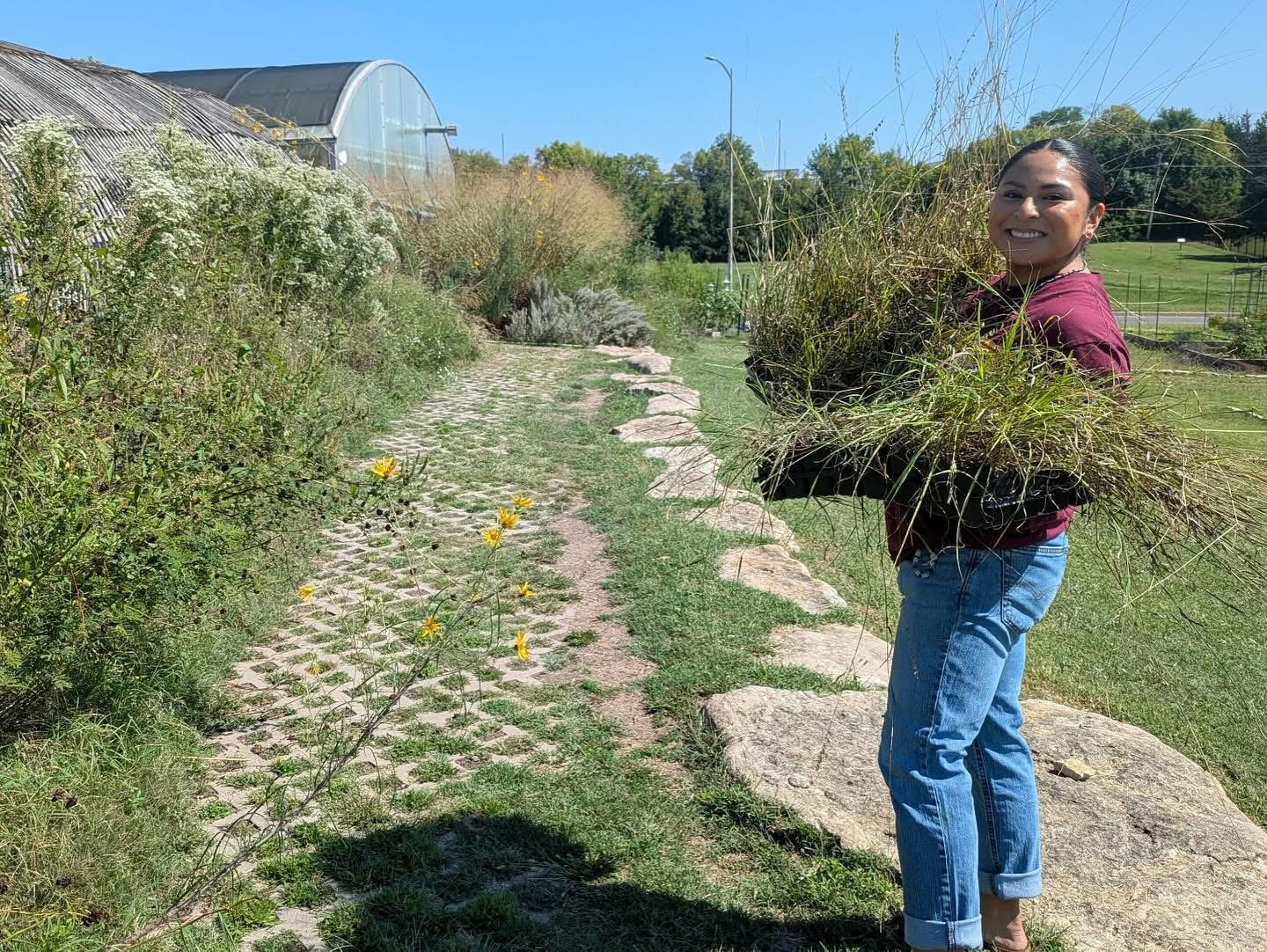
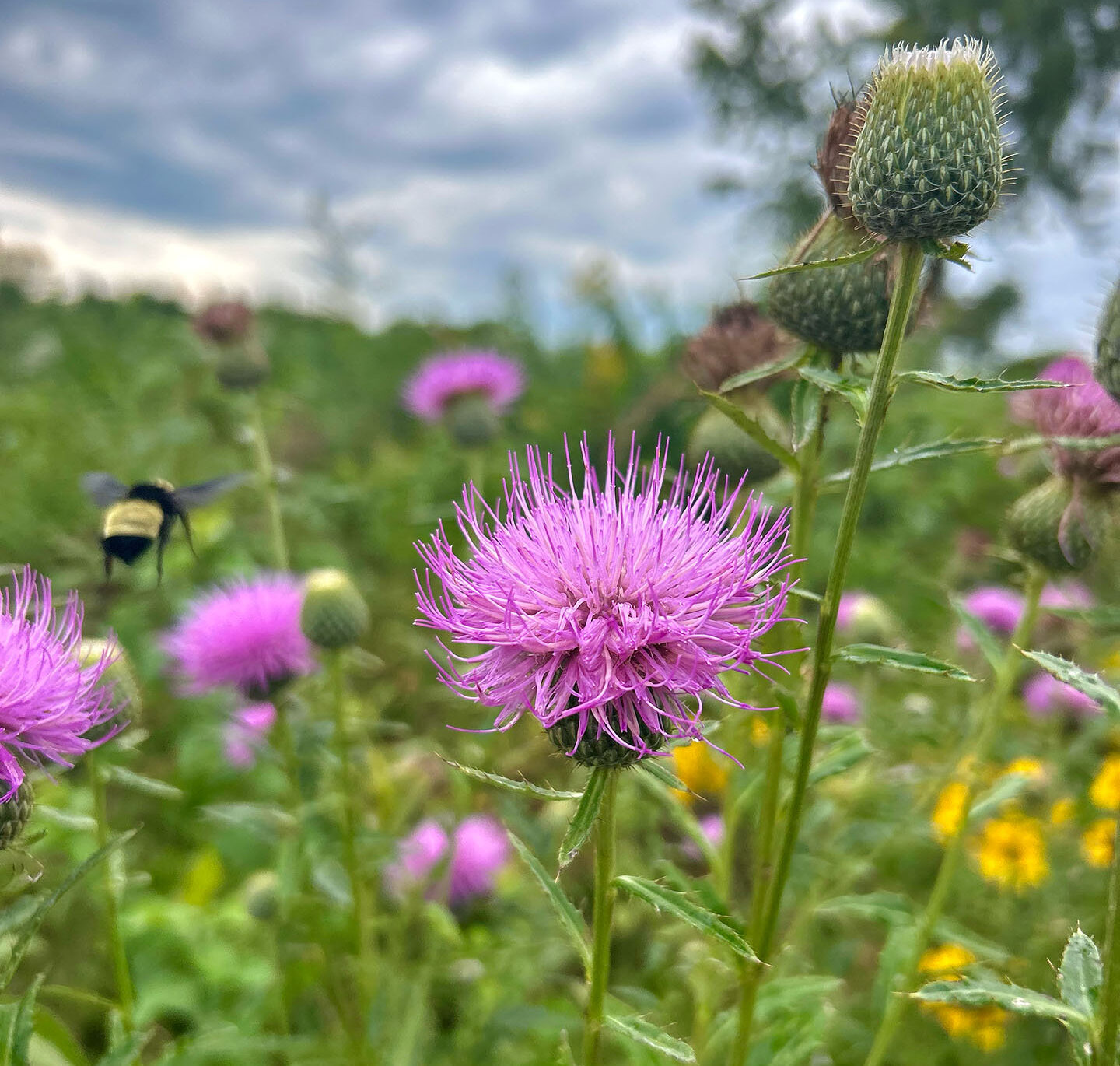
In Caring for Our Kin: Stories of Indigenous Environmental Stewardship, the College Fund shares the stories of Indigenous environmental leaders who are centering kinship and relational knowledge to build healthy ecological systems. These stories remind us that caring for the Earth means caring for one another—and that Indigenous knowledge systems continue to offer guidance, resilience, and hope for the future.
Learn more about our Environmental Stewardship Program.
Ekvnv Vcayecet. Mvto!
(Take care of the Earth/Land. Thank you)
More Blogs

Sinte Gleska University Connects GED Classroom to Community, Culture
In 2019 the Sinte Gleska University Adult Basic Education (ABE) Department began offering community-based learning opportunities. The program introduces and enhances knowledge and skills relevant to GED students, their families, and community members.
2018-19 Tribal College Student of Year Scholarship Recipients Honored
The American Indian College Fund honored 35 tribal college and university students with a Student of the Year scholarship. Students were chosen for the award by their tribal colleges for their academic achievements and contributions to their communities. Each scholar will receive a $1,200 scholarship to attend their respective institutions at a reception in Billings, Montana. The program is sponsored by the Adolph Coors Foundation.
College Fund Honors 36 Native Students with 2018-19 Coca-Cola First Generation Scholarships
The American Indian College Fund and the Coca-Cola Foundation together honored 36 first-generation Native American scholarship recipients s at a reception in Billings, Montana.
The Coca-Cola Foundation has awarded nearly $5 million to the College Fund since 1990, helping more than 375 first-generation Native American students to attend college.
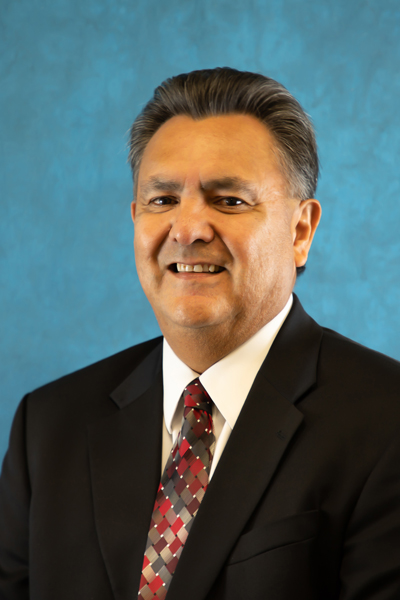
Robert Bible, President of College of Muscogee Nation, Named TCU Honoree of the Year
The American Indian College Fund named Robert Bible, President of the College of Muscogee Nation in Okmulgee, Oklahoma, as its 2018-19 Tribal College and University Honoree of the Year. Bible was selected for his outstanding contributions to American Indian higher education. He received a $1,200 honorarium at a reception in Billings, Montana.
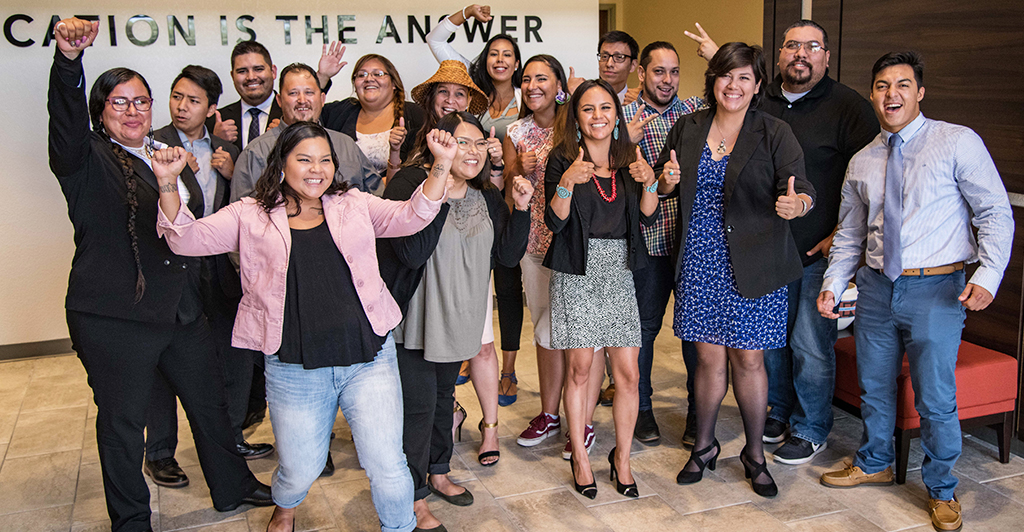
Support the College Fund to Ensure Equitable Access to College
We find the actions of the parents in the “Varsity Blues” scandal not only unfair to every hard-working student in our country seeking a quality education, but especially to Native students who come from communities where poverty and unemployment rates are double that of the general population. As a result of these challenges, only 14% of Native people 25 and older have a college degree–less than half the rate of other groups.
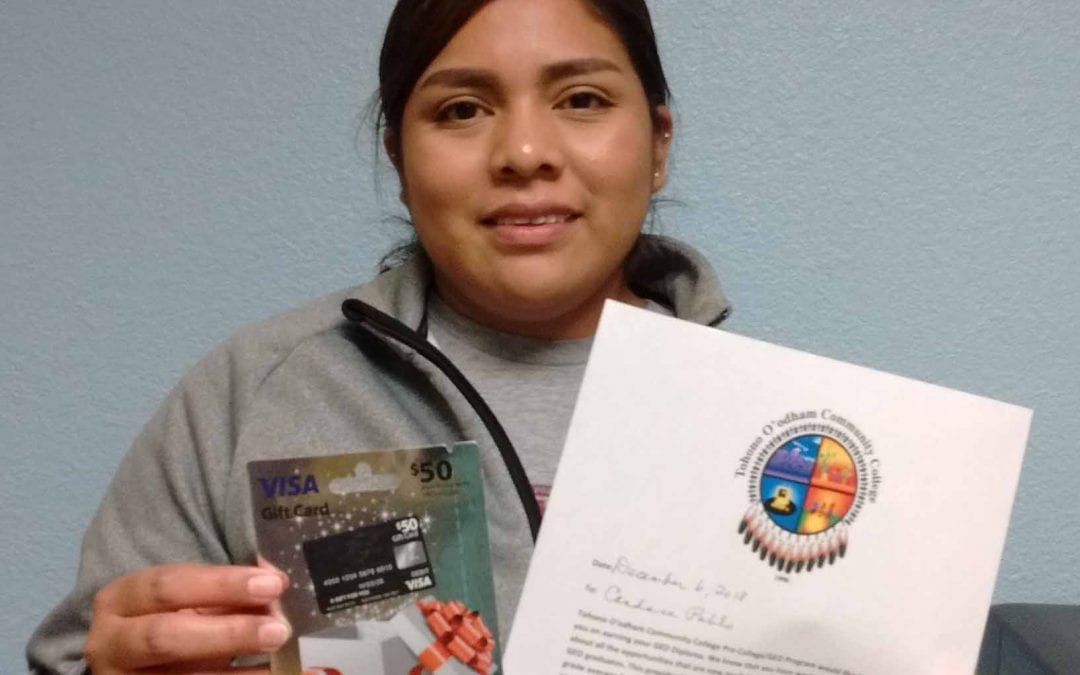
TOCC’s GED Program Is a Game-Changer
Living on an Indian reservation the size of a state and shuttling between three tribal college campuses and six satellite offices can be a monumental undertaking—especially when access to transportation is limited.
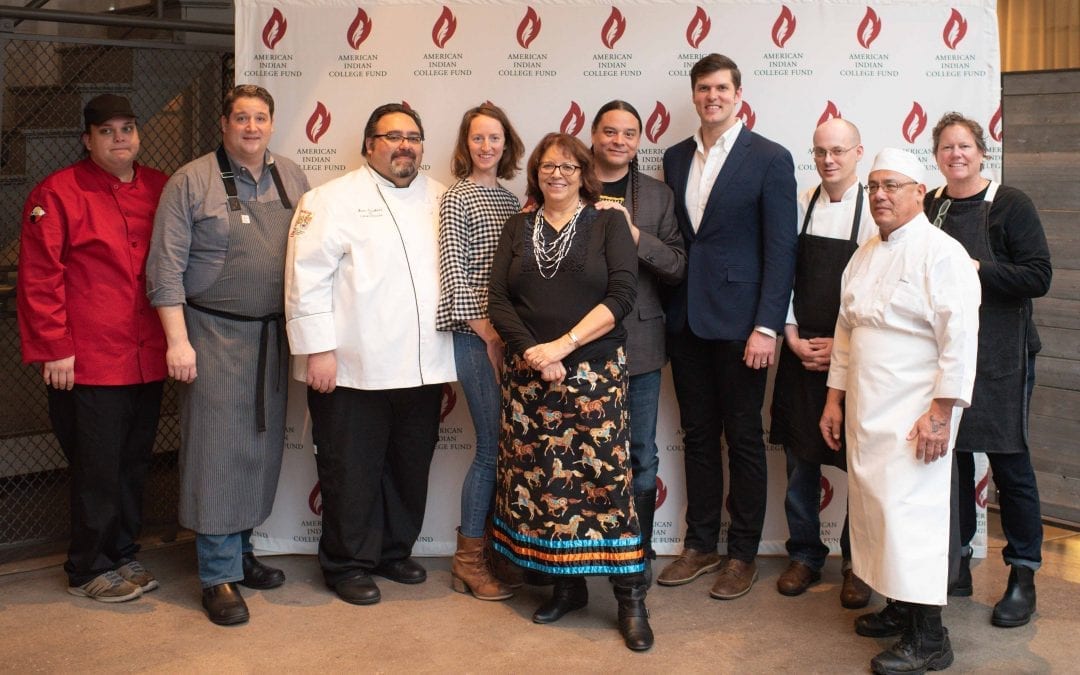
Minnesota Chefs Come Together for Higher Education
You may have tasted Native squash, but have you ever enjoyed staghorn sumac or the tart/sweet delicious taste of chokecherries prepared by a professional chef at your favorite restaurant?
Meet Oglala Lakota College’s New Community Continuing Education/GED Program Team Members
Oglala Lakota College has launched its Dollar General American Indian and Alaska Native Literacy and Adult Education Program. The following individuals will be serving OLC students under the program.
Radio Show: Making College Welcoming for Native Students
Making a college campus welcoming for Native students starts with acknowledging the Indigenous people on whose traditional land the institution exists. Cheryl Crazy Bull (Sicangu Lakota), President and CEO of the College Fund, and Dr. Amanda Tachine (Navajo), Research and Evaluation Associate with the College Fund, share this recommendation and others on the radio program Native America Calling.
Creating Visibility and Healthy Learning Environments for Native Americans in Higher Education
Invisibility is, in essence, the modern form of racism used against Native Americans. Check out our report on how higher education institutions can create equitable and healthy learning environments for American Indian and Alaska Native students.
