
Planting the Seeds of Cultural Sustainability
April 22, 2026 | Student Ambassador Aiyanna Tanyan’s (Seminole Nation of Oklahoma) work to reclaim food sovereignty
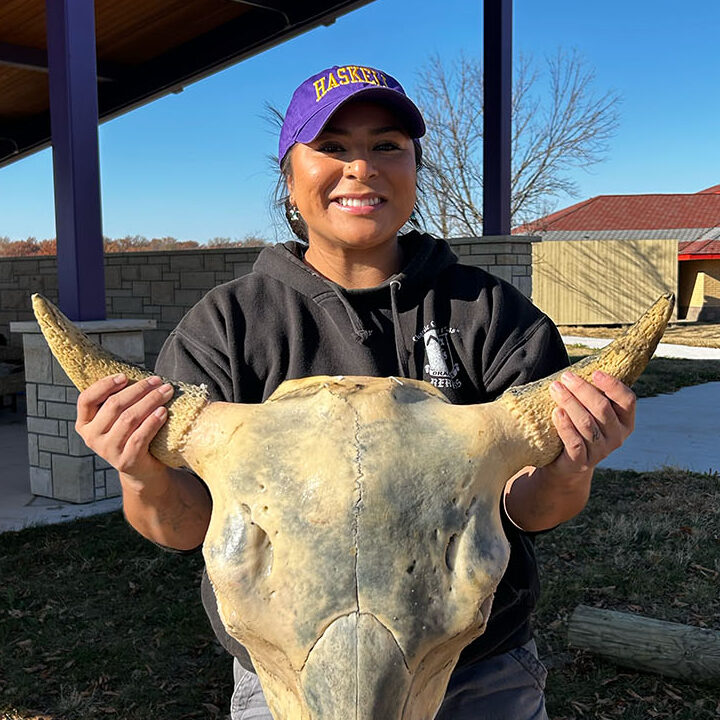
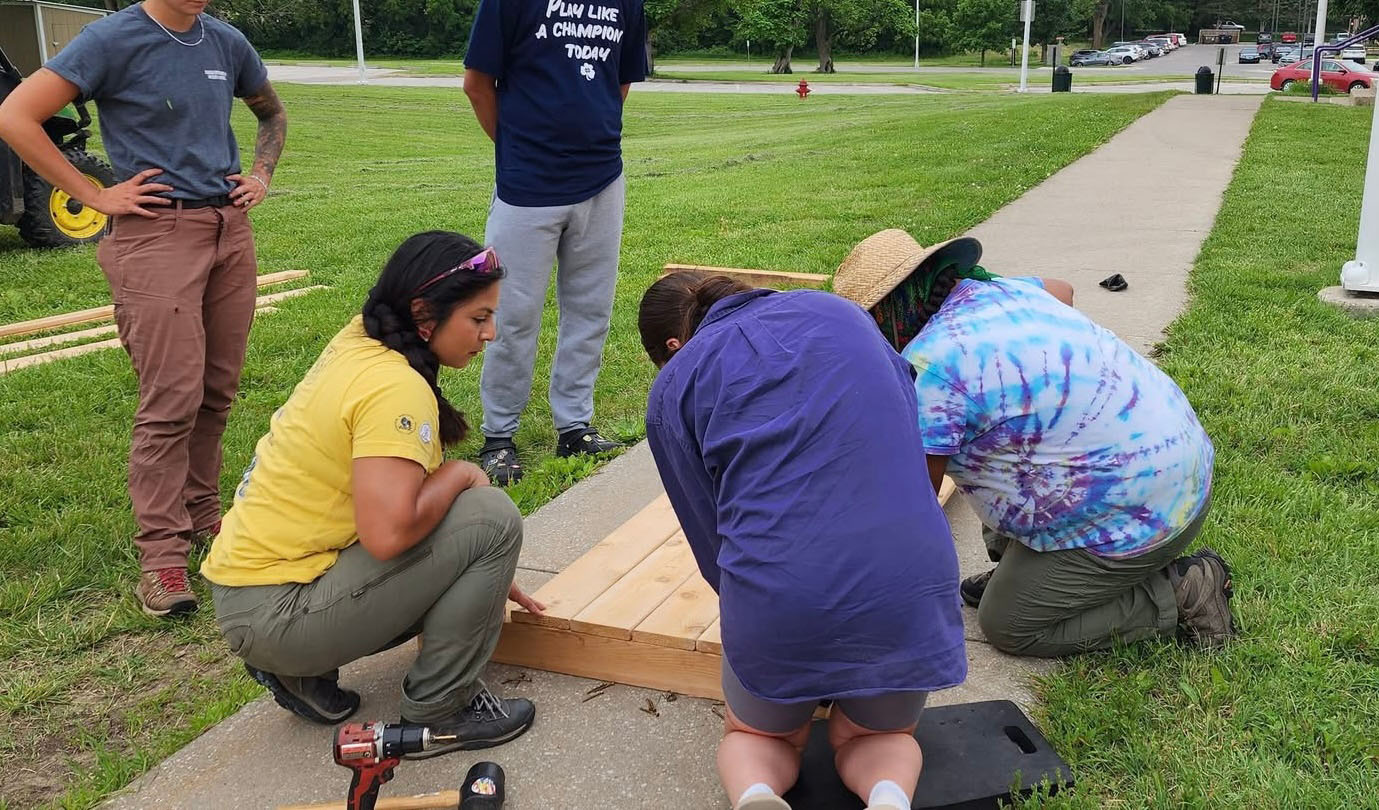
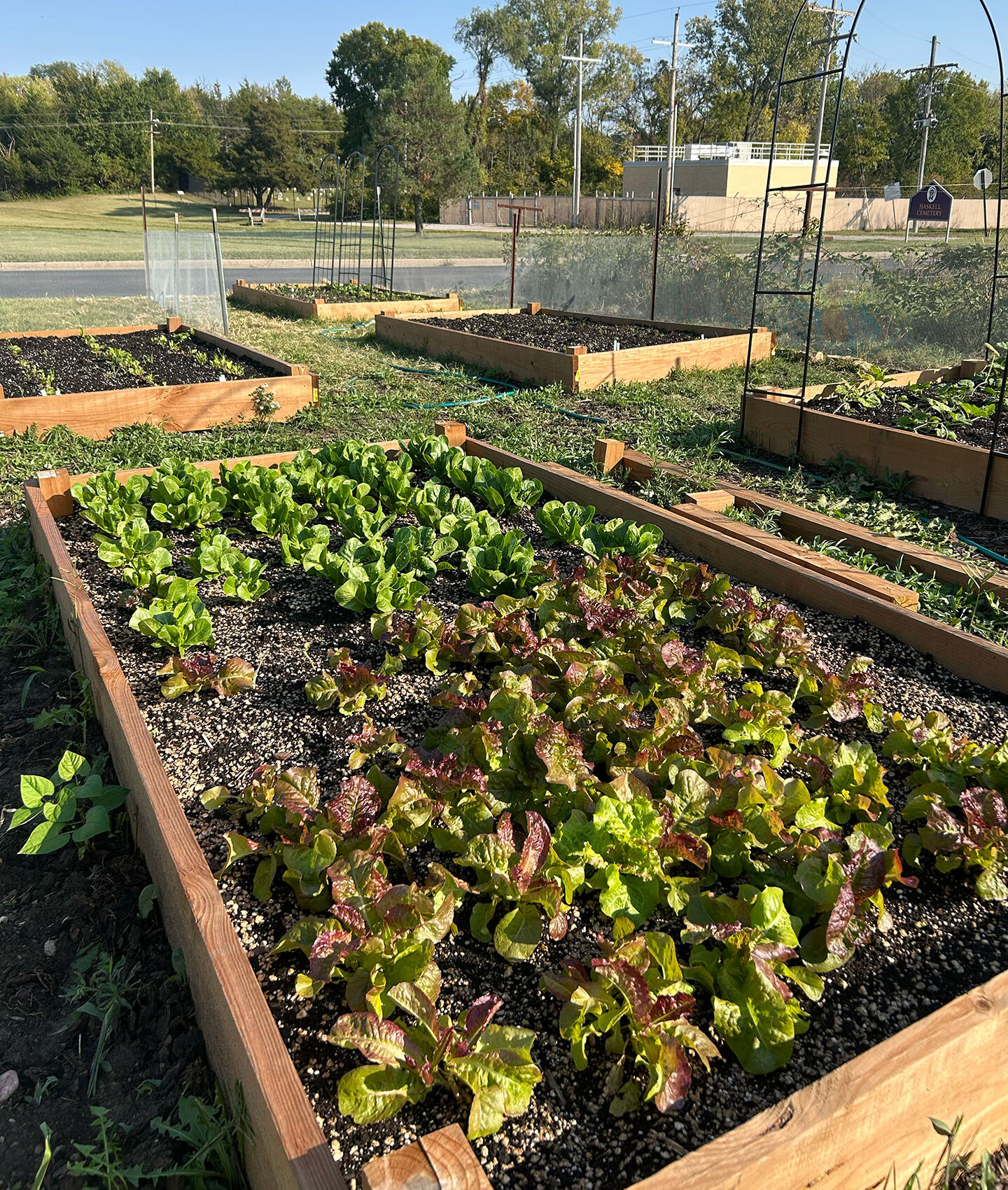
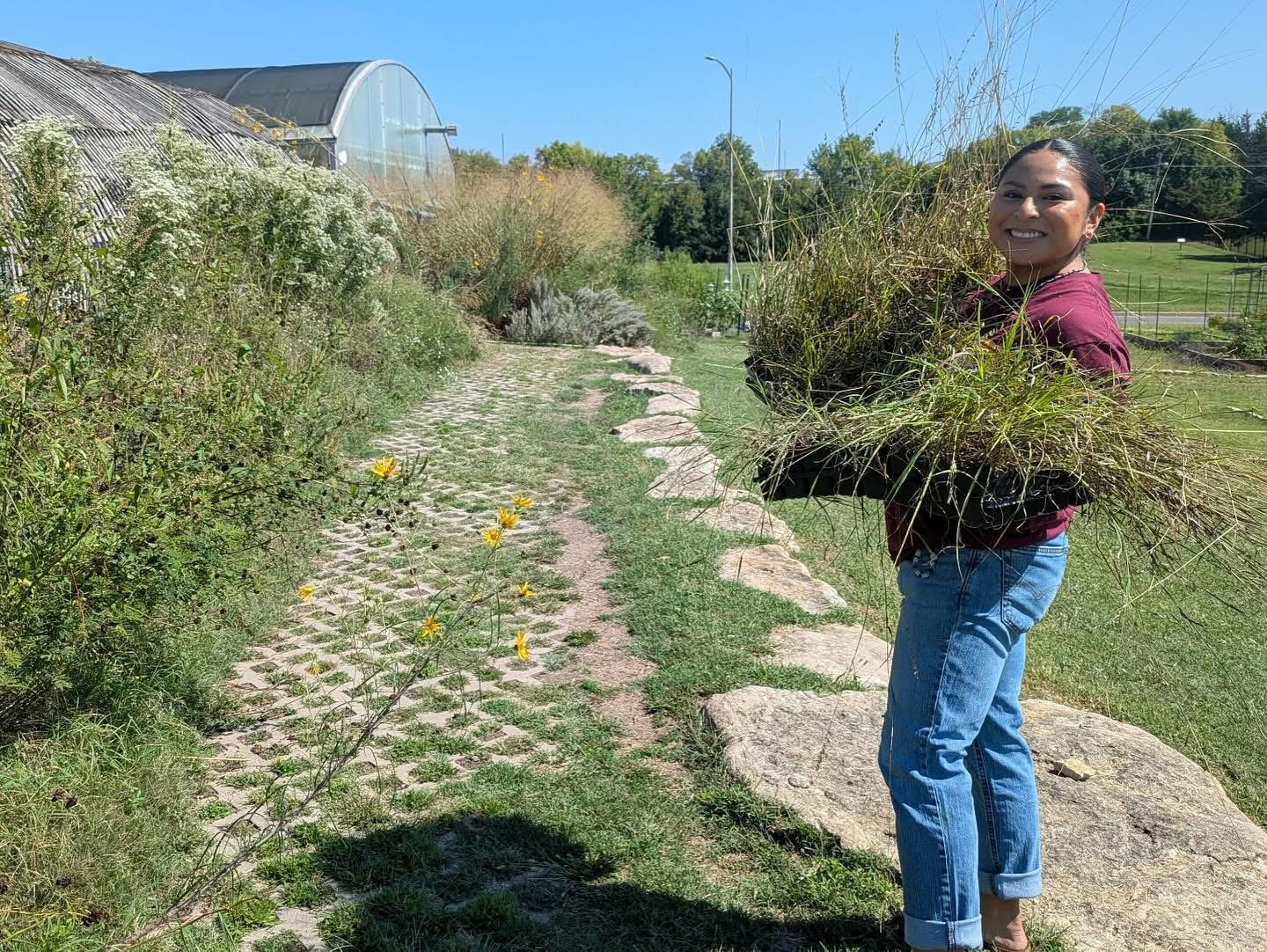
We came up with the idea of building raised garden beds near the dorms so students can easily access fresh foods and learn how to grow them themselves. Through support from the Haskell Greenhouse (funded through the USDA Equity Grant), we started building.
Last year was our first year doing this project and it was a learning experience as with many community-based projects, it comes with trial and error. However, that process taught us a lot about what works, what doesn’t, and how to build something more sustainable moving forward. This year, we’re continuing this work with stronger systems, more involvement, and a clearer vision.
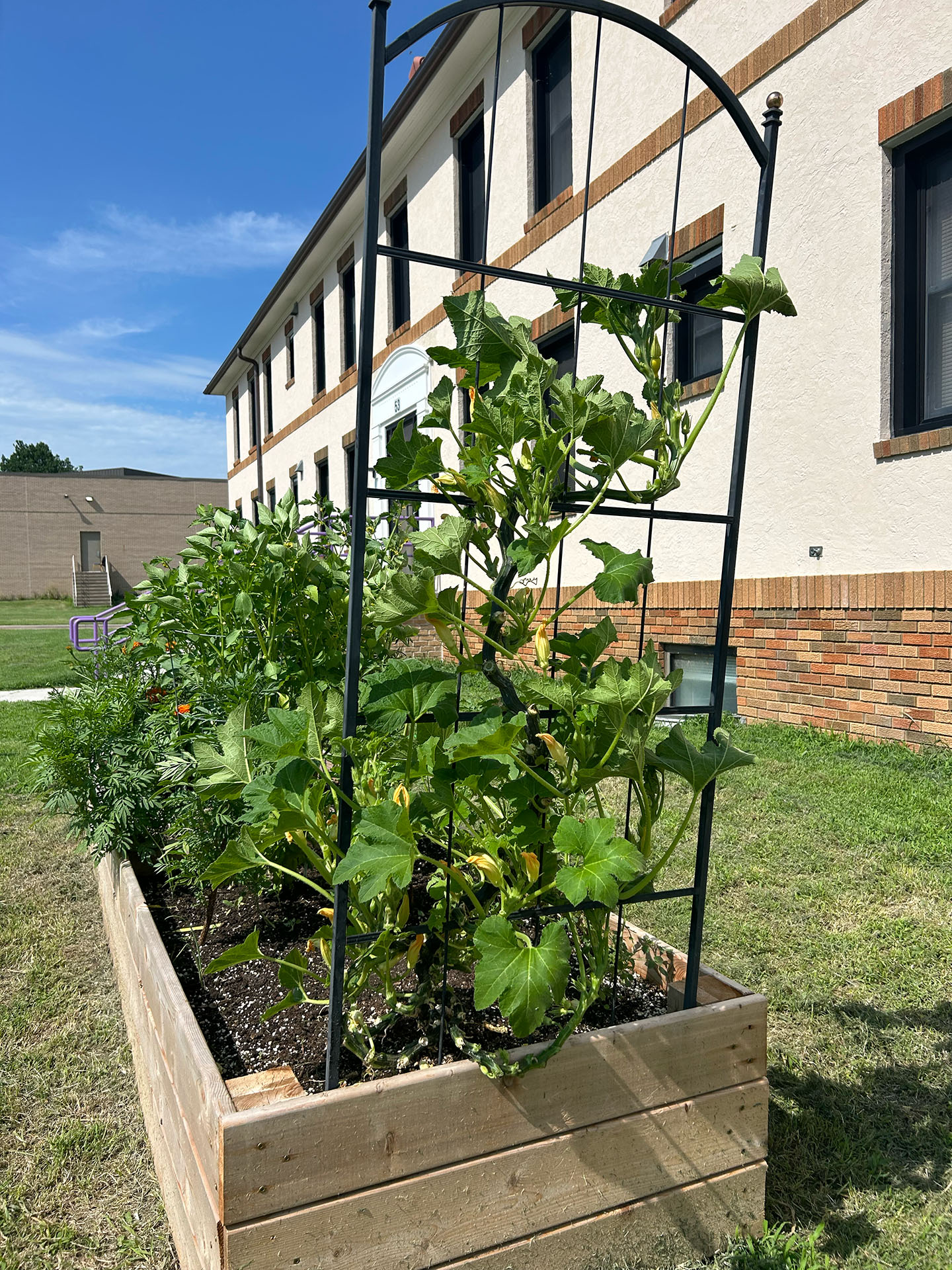
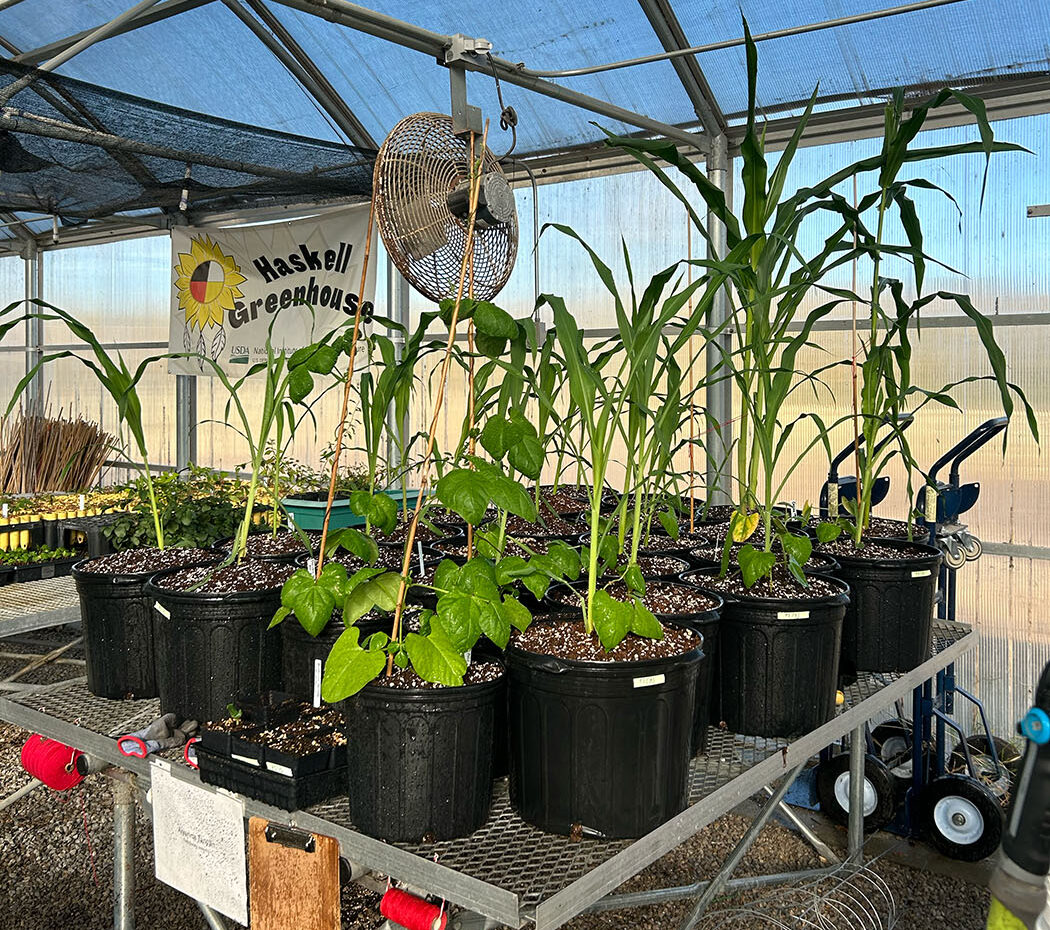
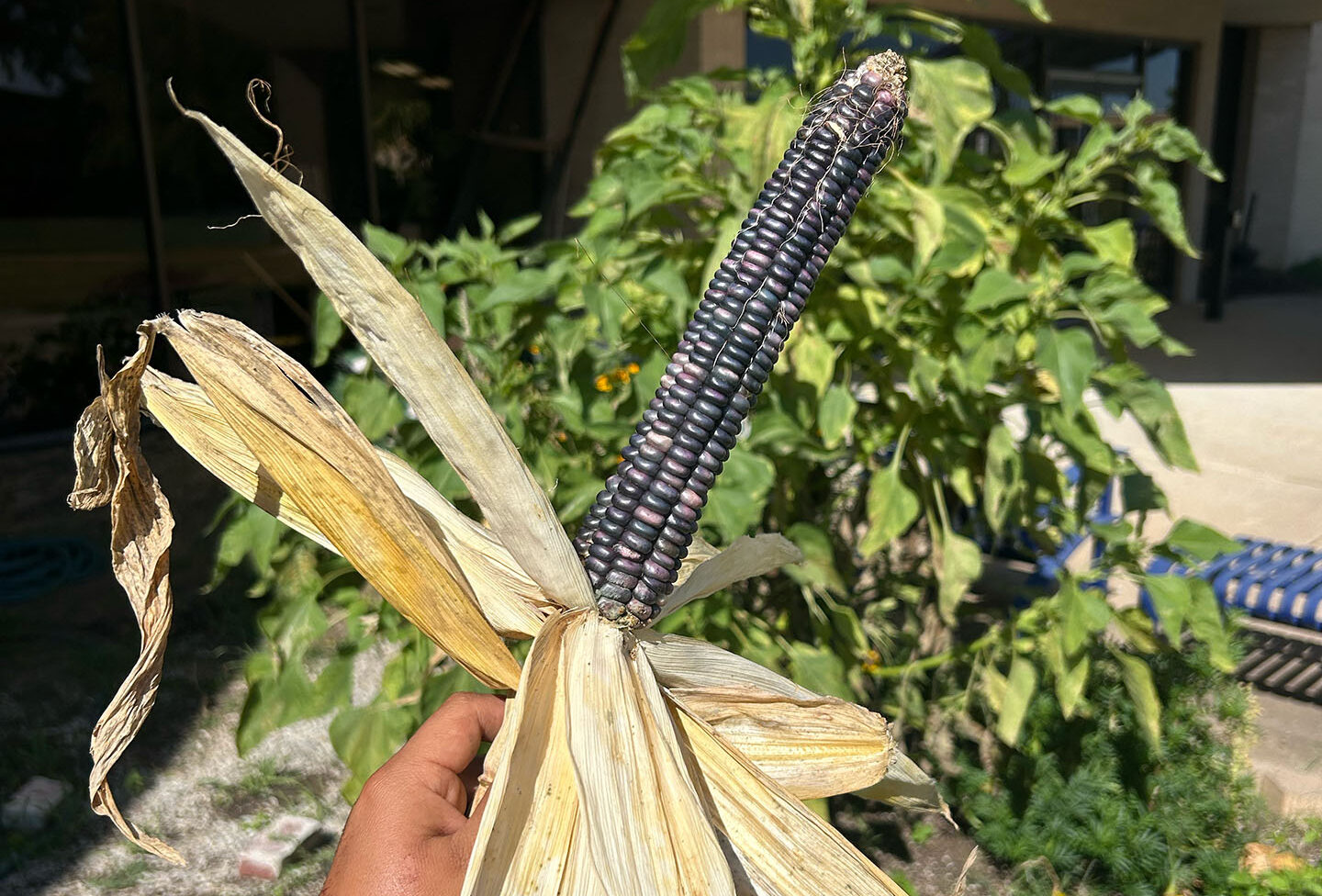
Everyone at the Haskell Greenhouse wants to help others learn, value, and view these spaces as places of teaching. I know they have taught me so much about responsibility and our relationship with the environment. Through these projects, we’re helping students reconnect with the land and understand the importance of food sovereignty for Indigenous communities. This work is ongoing, and we’re still learning. Every seed planted, and every workday shared brings us one step closer to a more sustainable and connected future.
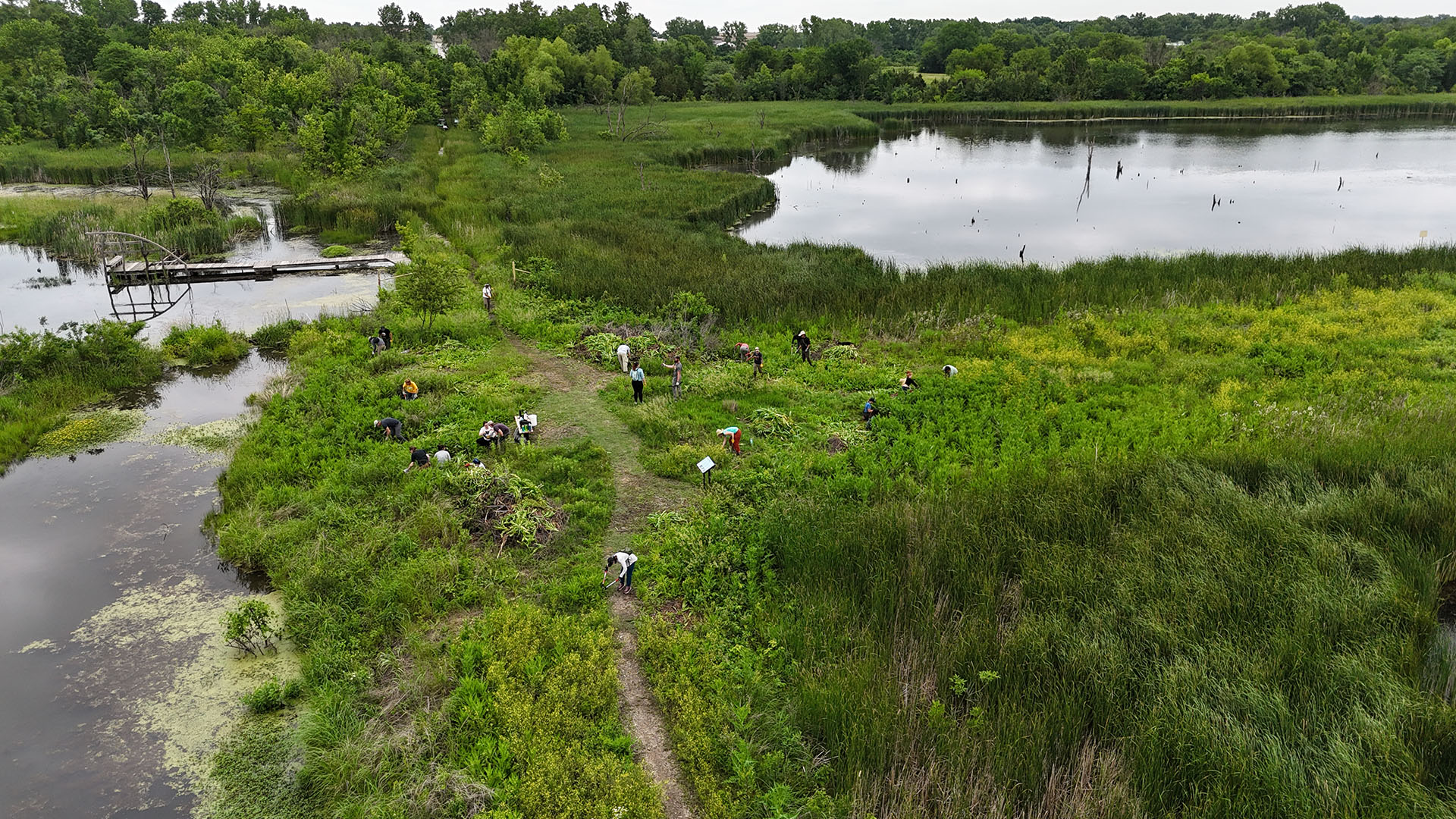
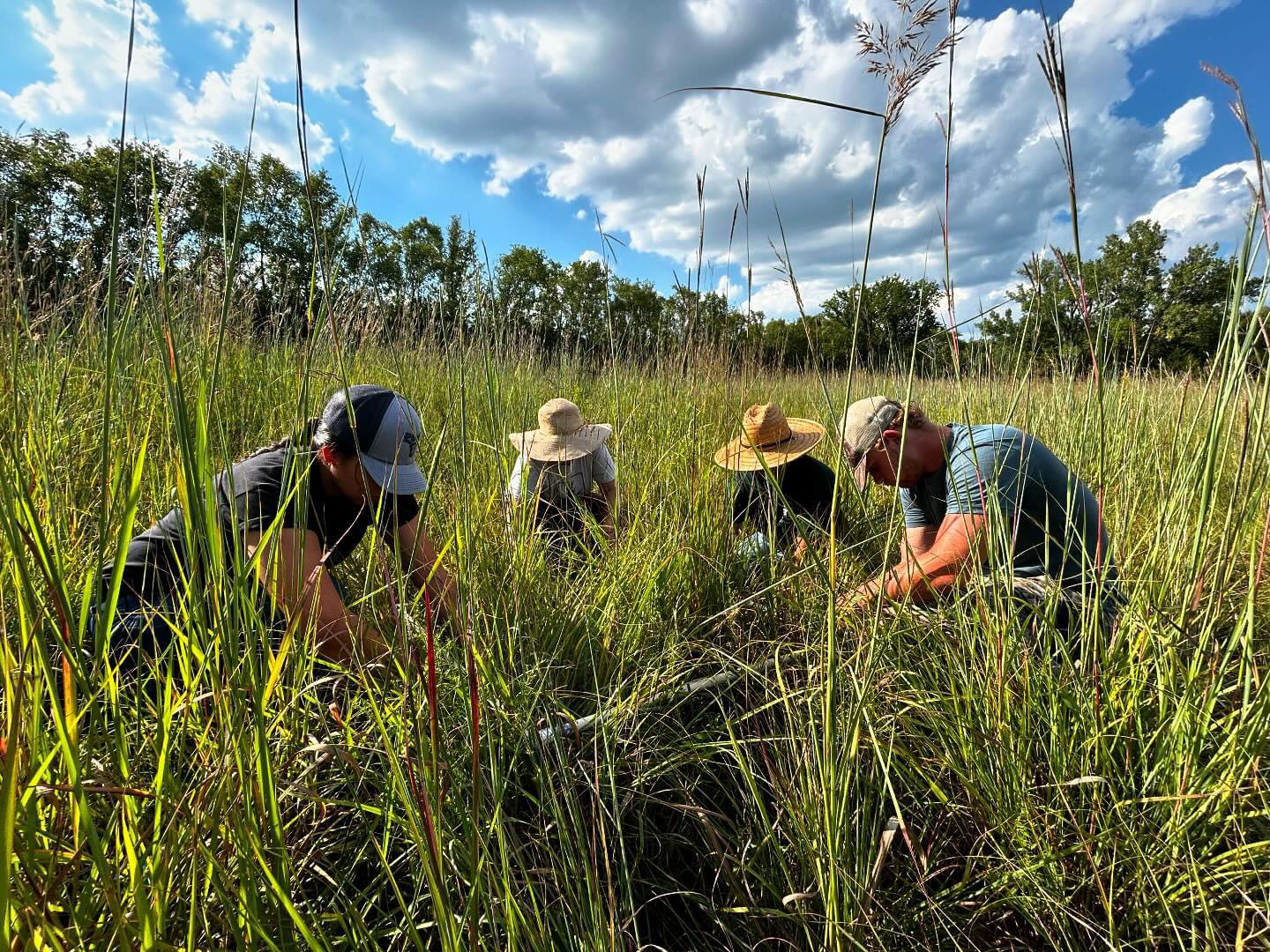
In Caring for Our Kin: Stories of Indigenous Environmental Stewardship, the College Fund shares the stories of Indigenous environmental leaders who are centering kinship and relational knowledge to build healthy ecological systems. These stories remind us that caring for the Earth means caring for one another—and that Indigenous knowledge systems continue to offer guidance, resilience, and hope for the future.
Learn more about our Environmental Stewardship Program.
Ekvnv Vcayecet. Mvto!
(Take care of the Earth/Land. Thank you)
More Blogs
TCU Faculty and Staff: Getting Published
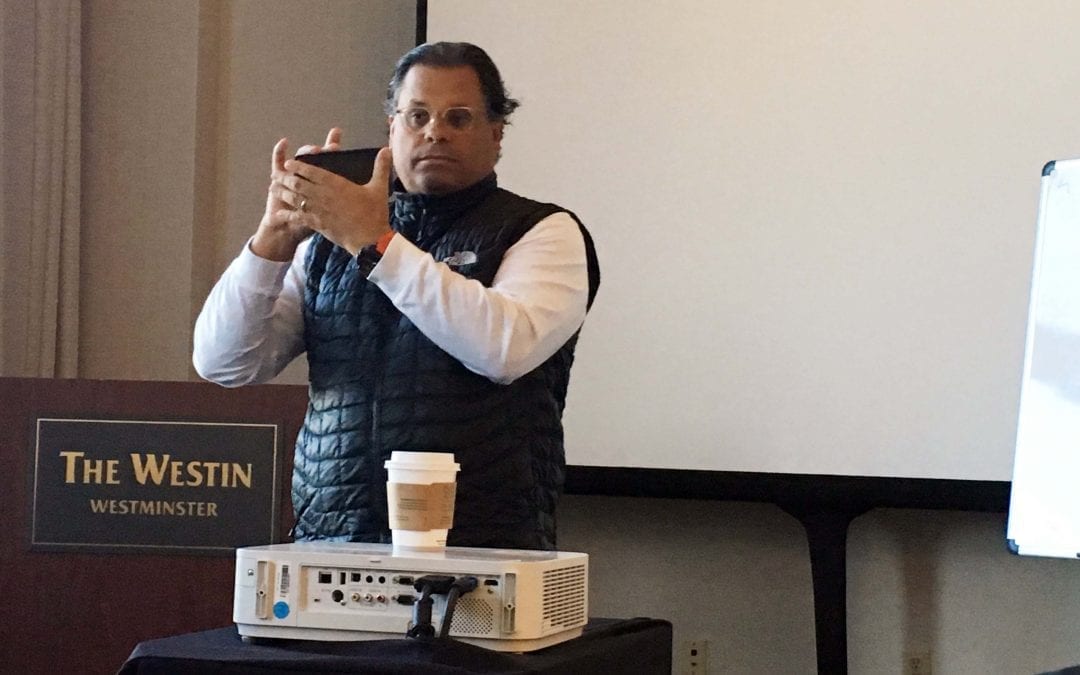
Dr. Bryan McKinley Jones Brayboy (Lumbee), the Borderlands Professor of Indigenous Education and Justice in the School of Social Transformation at Arizona State University, the Director of the Center for Indian Education, and co-editor of the Journal of American Indian Education, now in its 58th year, shared his tips with attendees at the TCU Faculty Intensive Writing Retreat October 26 in Colorado. By following Dr. Brayboy’s guidelines, you will be well on your way to publishing your work.
#Indigetern Native Student Intern Stories — Anitra
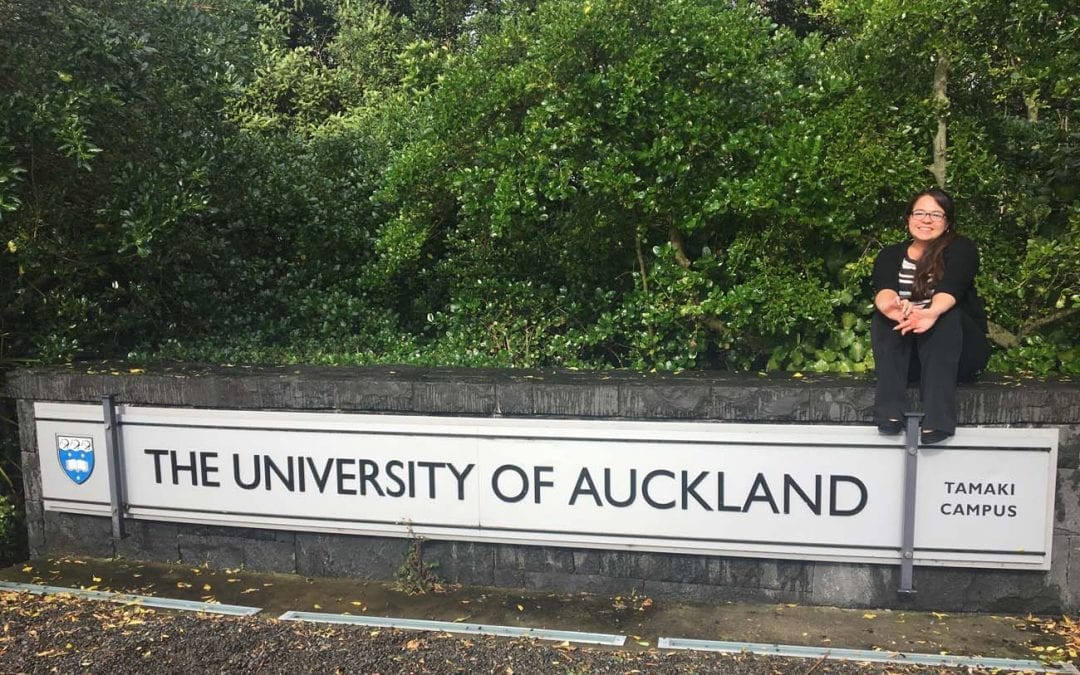
#Indegetern is our new campaign to highlight stories and reflections of Native students who have interned in businesses, organizations, agencies, and tribal communities across the country.
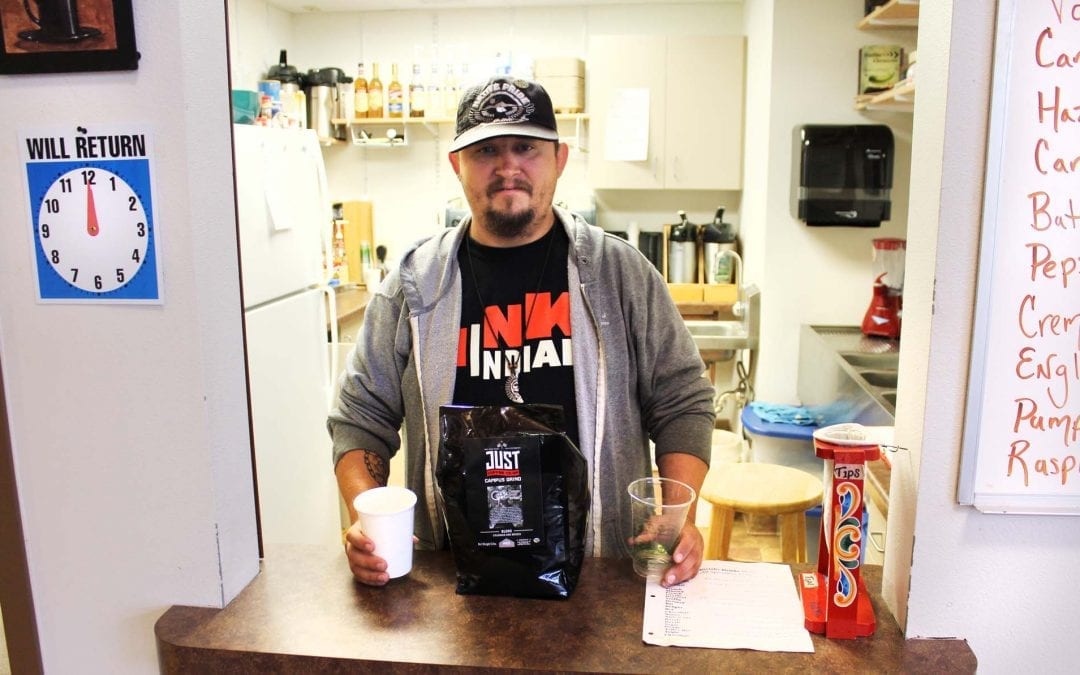
Thinking Sustainably at Tribal Colleges
For many, it’s a matter of economics. For others, policy. These are necessary components, of course, but thinking in such terms can easily gloss over some of the most important choices we make: the smaller ones we make day to day, often without much forethought
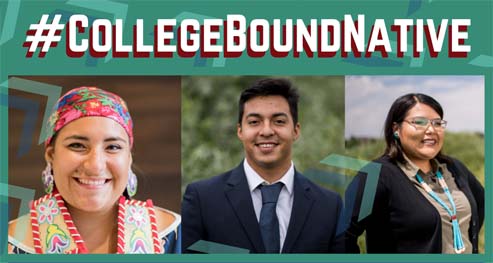
College-bound Native Program Helps Students Explore Options
During Native American Heritage Month (November) there is a lot of talk about what defines a Native American. To those of us at the American Indian College Fund, Native people are aspiring college students, college students, and college graduates. These Natives everywhere are using or want to access a higher education to be strong, successful, and vital to their communities.
Natives Must Vote!
Voting matters because legislators make decisions that impact our daily lives. They decide matters of public policy. They appoint boards. They vote on legislation that controls national, state, and local resources for education and natural resources. Most importantly, they allocate budget monies to their constituents’ priorities.

Student Self Care – Student Success
Self-Care starts with understanding what nourishes you, and what exhausts you. Two College Fund Scholars – Marcus Red Shirt (Oglala Lakota) from Haskell Indian Nations University and Elizabeth Ton (Lac Courte Oreilles Band of Lake Superior Chippewa Indians of Wisconsin) from the University of Wisconsin-Superior, are sharing some self-care tips that help them to stay healthy and succeed at college:
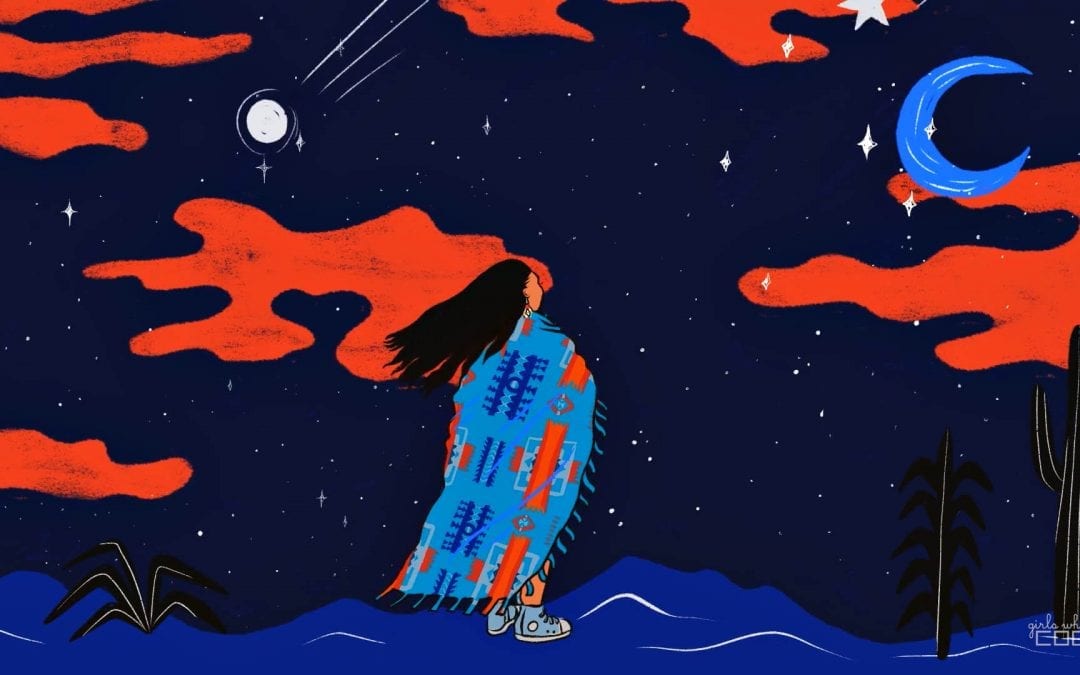
Happy International Girls Day!
Robin Maxkii is just one of our successful female scholars—a Stockbridge Munsee woman, a computer coder, and a passionate advocate for higher education for all Natives and women and girls in tech.
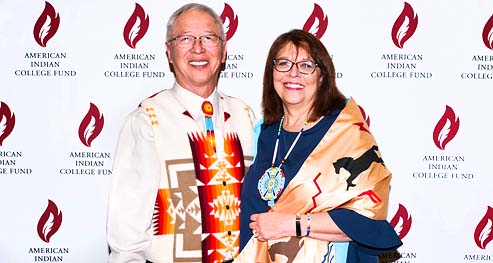
Celebrating Indigenous People’s Day
When I was in college, a guest speaker, a salesman, came to one of my classes. He said that when he traveled across the state of South Dakota, he drove quickly with a focus on getting away when he passed through the reservations.
College Fund Co-Sponsors National Dialogue on Native Teacher Education at NIEA Conference
To ensure that Native parents and communities control the education of their children while strengthening and creating a national dialogue about indigenous culture-based teacher education, the American Indian College Fund is co-sponsoring a pre-conference work session and will join four sessions on Native teacher education
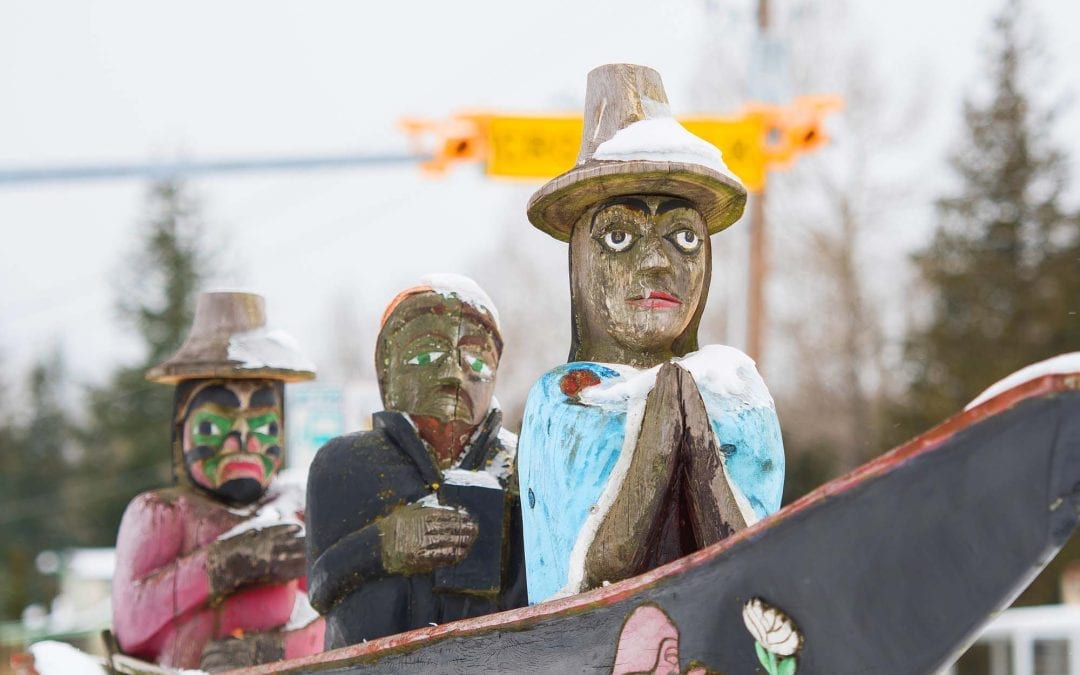
For the Wisdom of the Children: Strengthening the Teacher of Color Pipeline
A child dips her feet in Wheatfields Lake on the Navajo Reservation at sunrise and wonders what lies beneath. A young boy walks through the forests of Menominee Nation, shaded by tall green trees, surrounded by the stories and history of this sacred environmental wonder.
