
Planting the Seeds of Cultural Sustainability
April 22, 2026 | Student Ambassador Aiyanna Tanyan’s (Seminole Nation of Oklahoma) work to reclaim food sovereignty
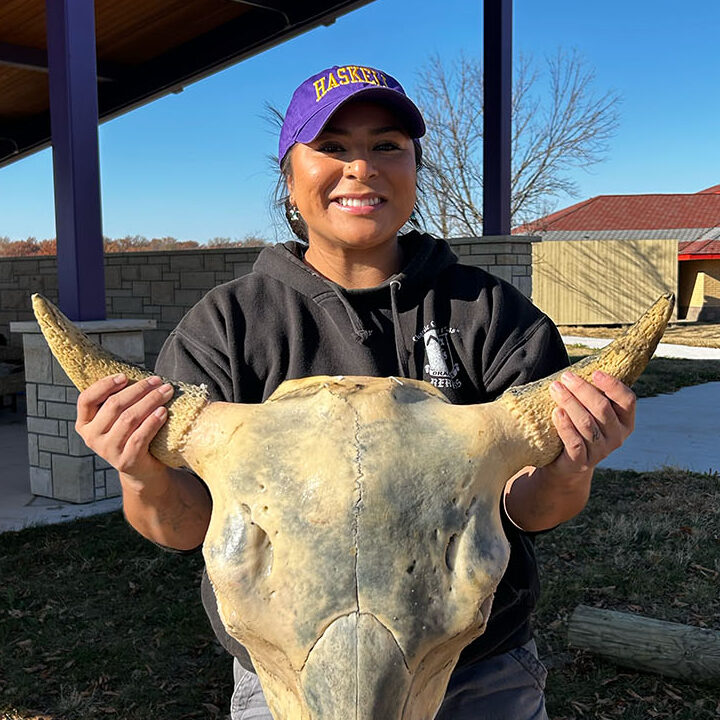
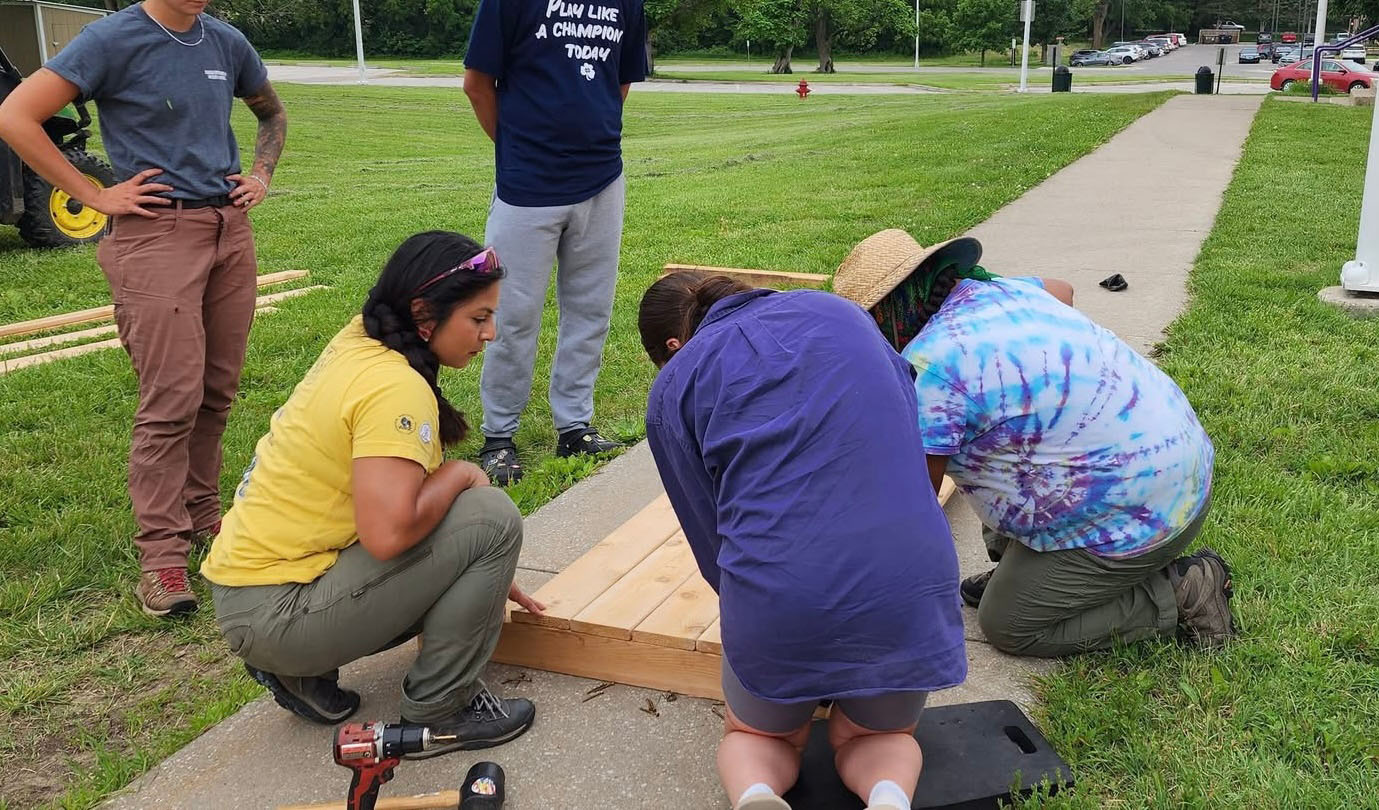
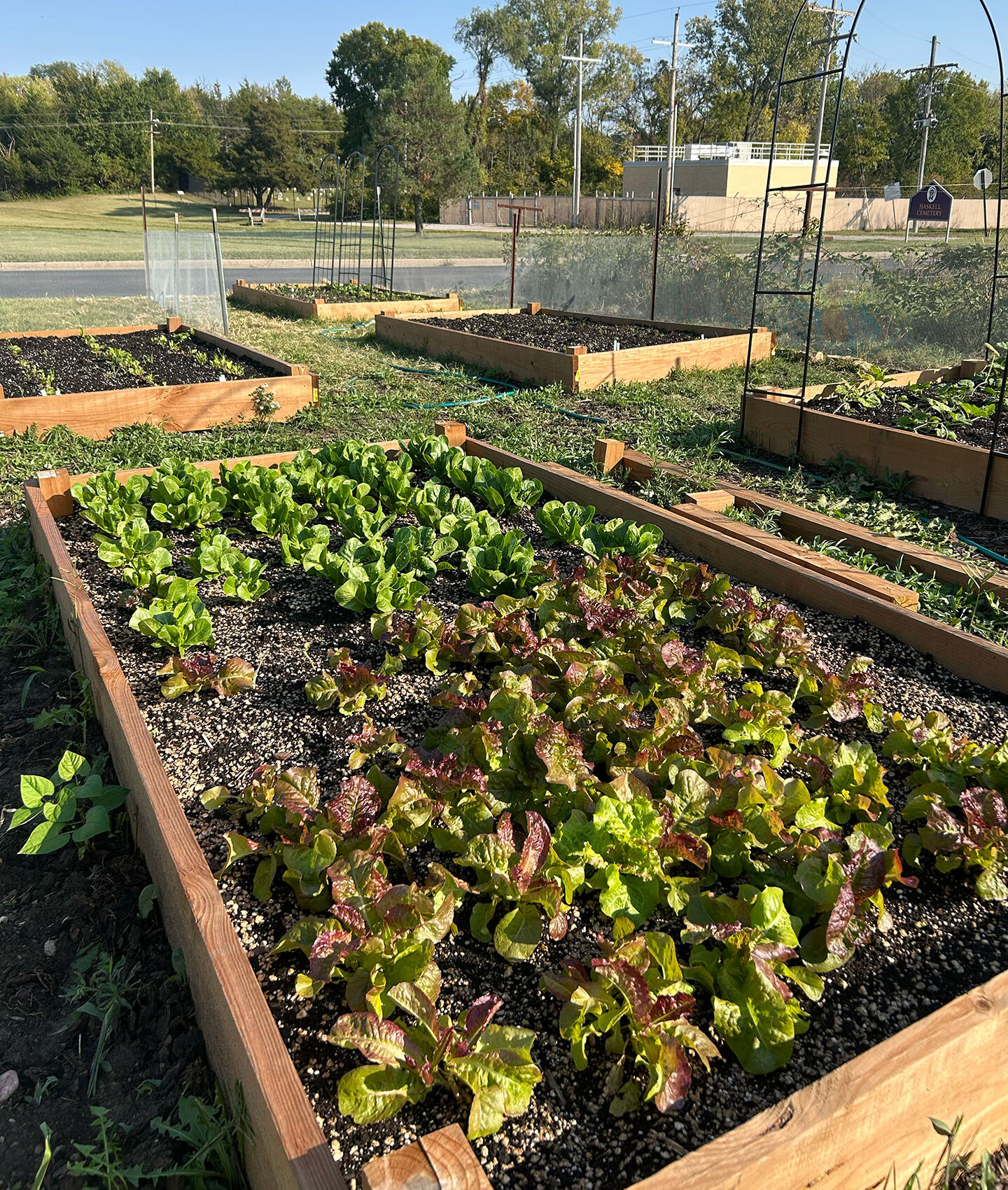
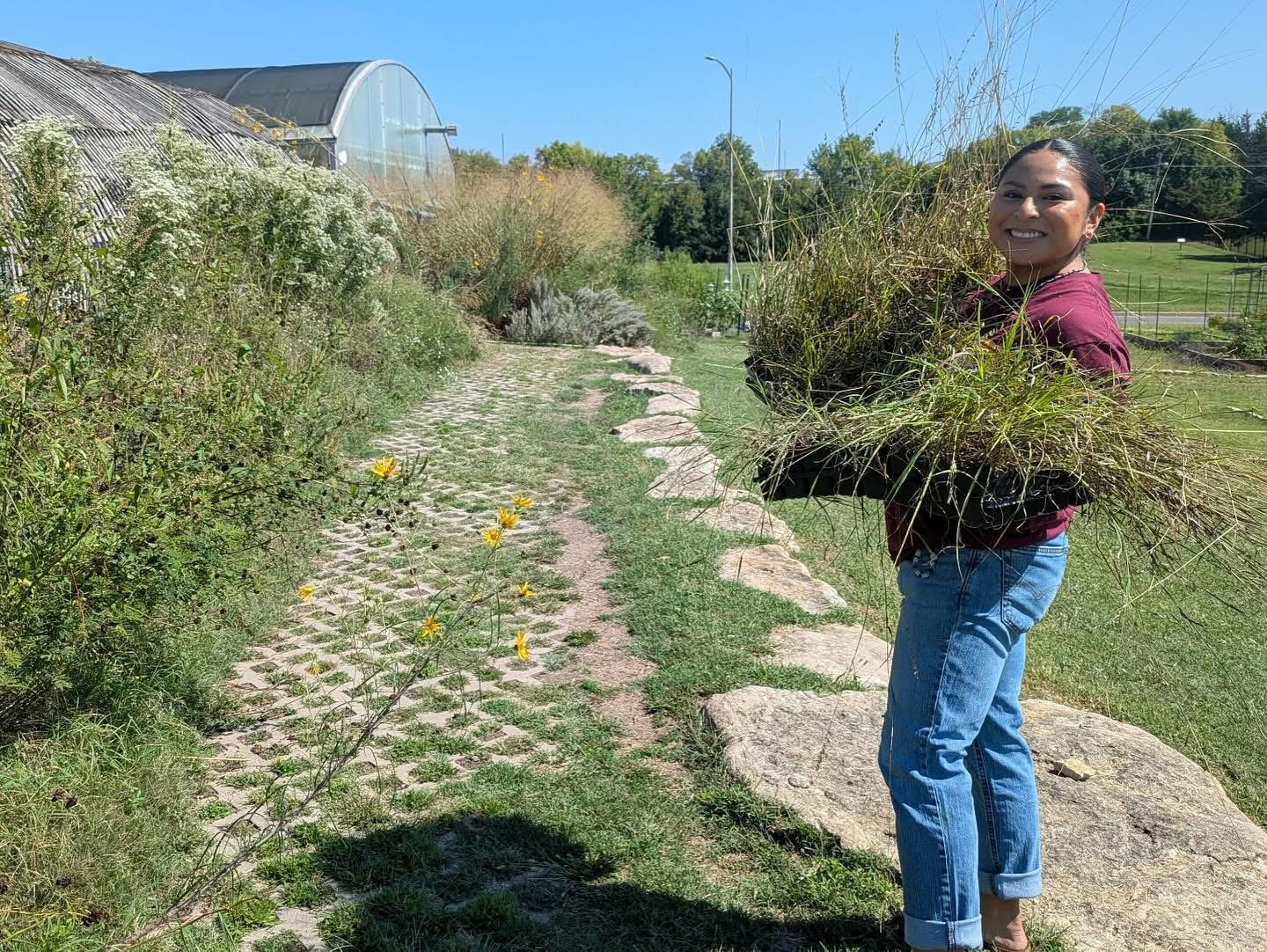
We came up with the idea of building raised garden beds near the dorms so students can easily access fresh foods and learn how to grow them themselves. Through support from the Haskell Greenhouse (funded through the USDA Equity Grant), we started building.
Last year was our first year doing this project and it was a learning experience as with many community-based projects, it comes with trial and error. However, that process taught us a lot about what works, what doesn’t, and how to build something more sustainable moving forward. This year, we’re continuing this work with stronger systems, more involvement, and a clearer vision.
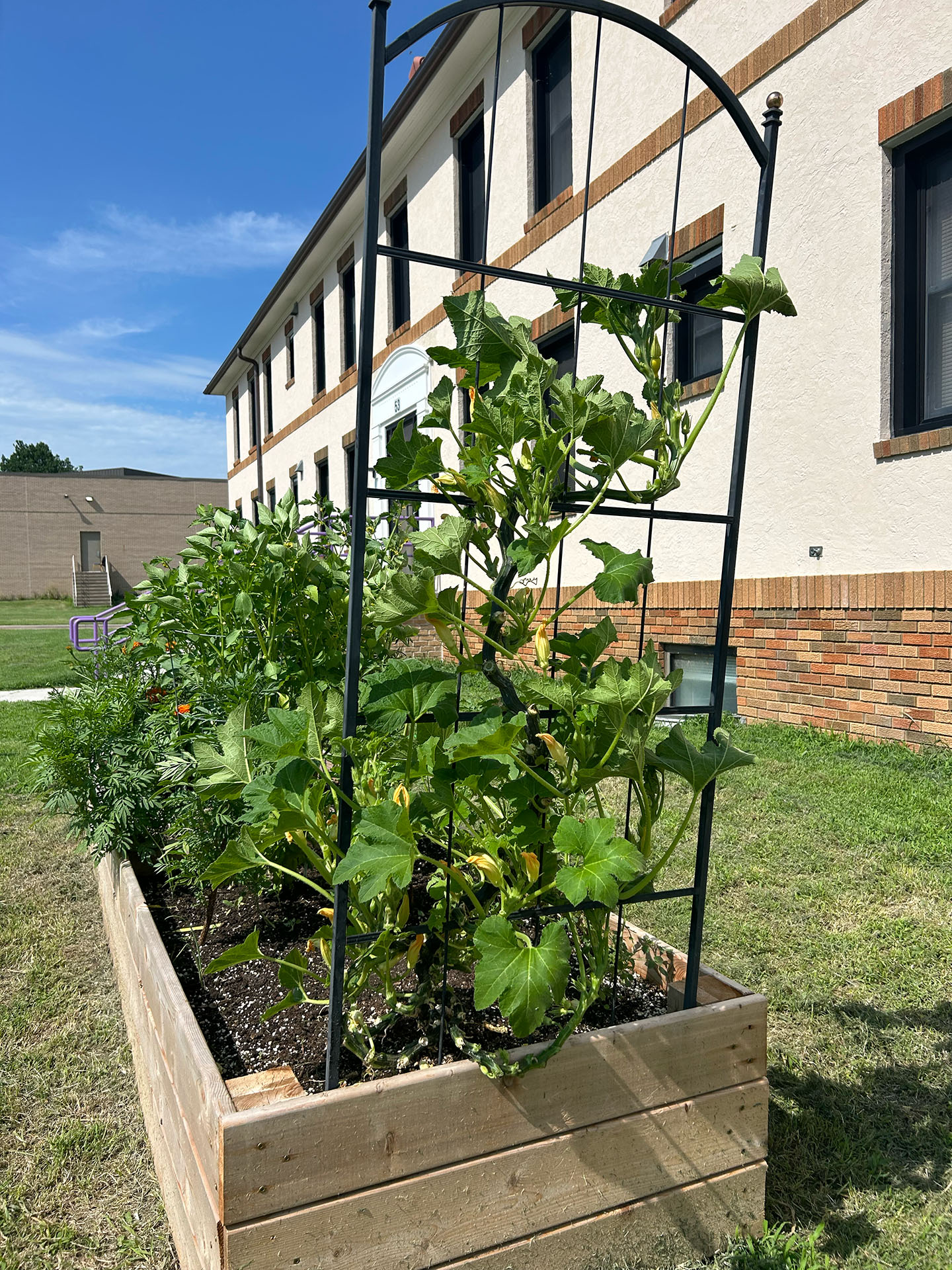
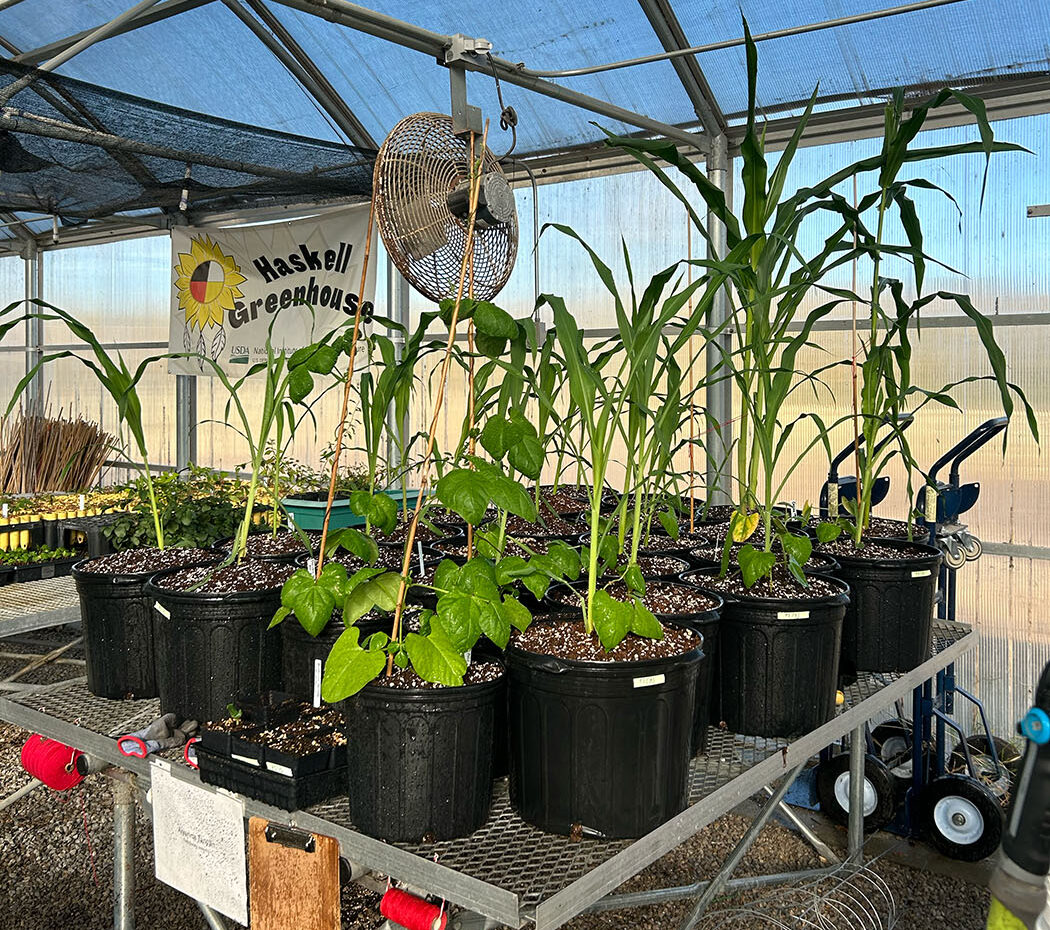
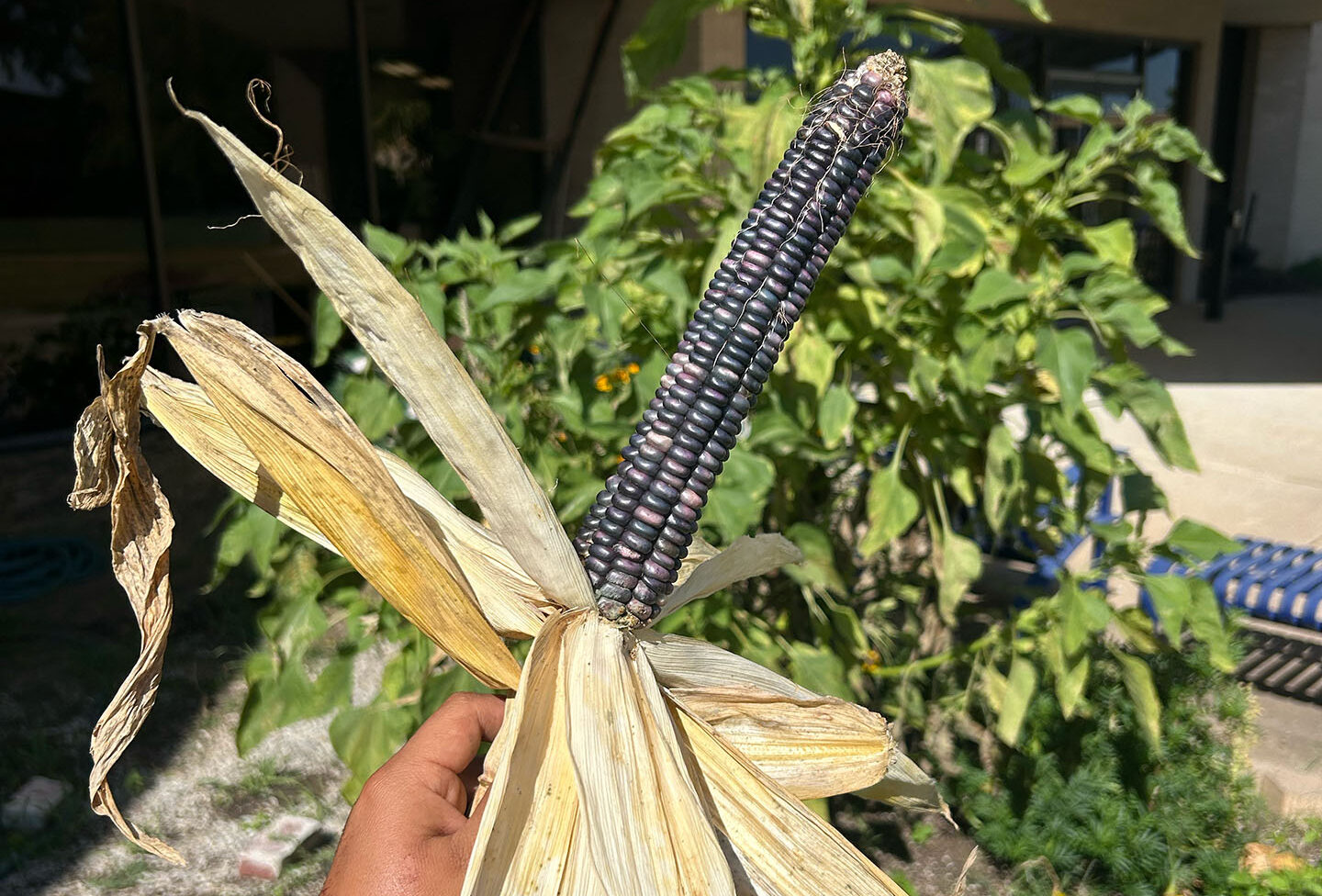
Everyone at the Haskell Greenhouse wants to help others learn, value, and view these spaces as places of teaching. I know they have taught me so much about responsibility and our relationship with the environment. Through these projects, we’re helping students reconnect with the land and understand the importance of food sovereignty for Indigenous communities. This work is ongoing, and we’re still learning. Every seed planted, and every workday shared brings us one step closer to a more sustainable and connected future.
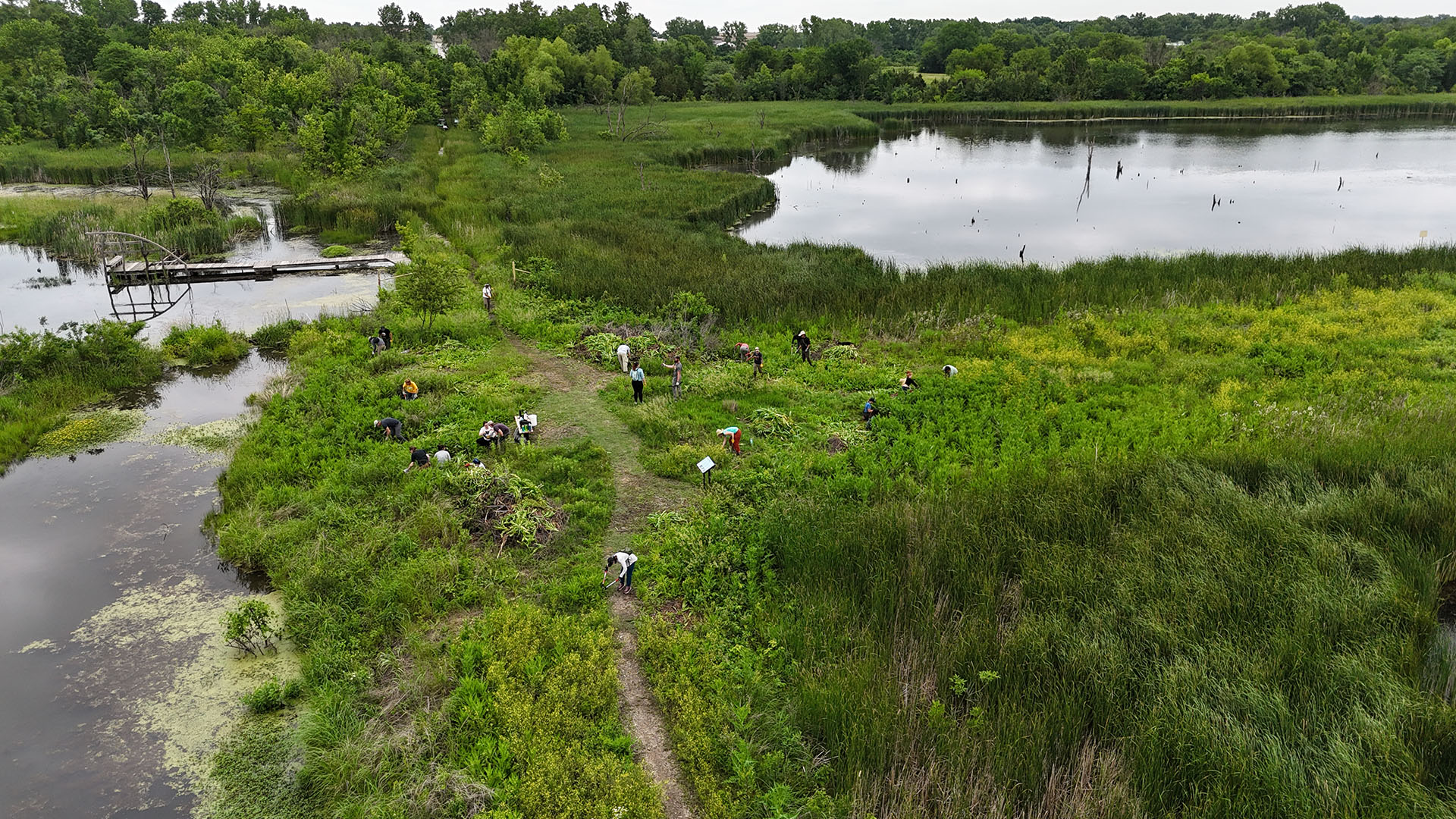
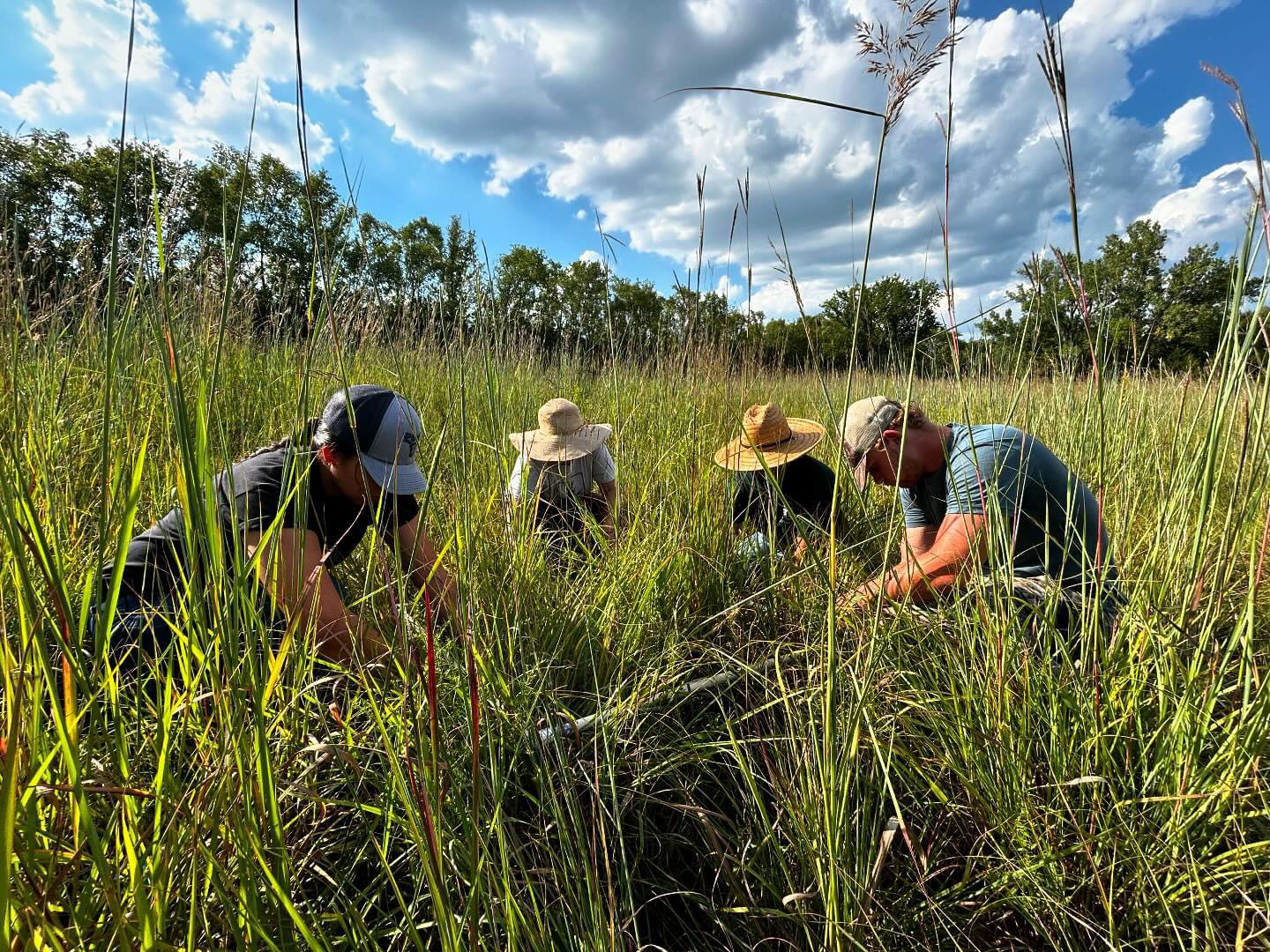
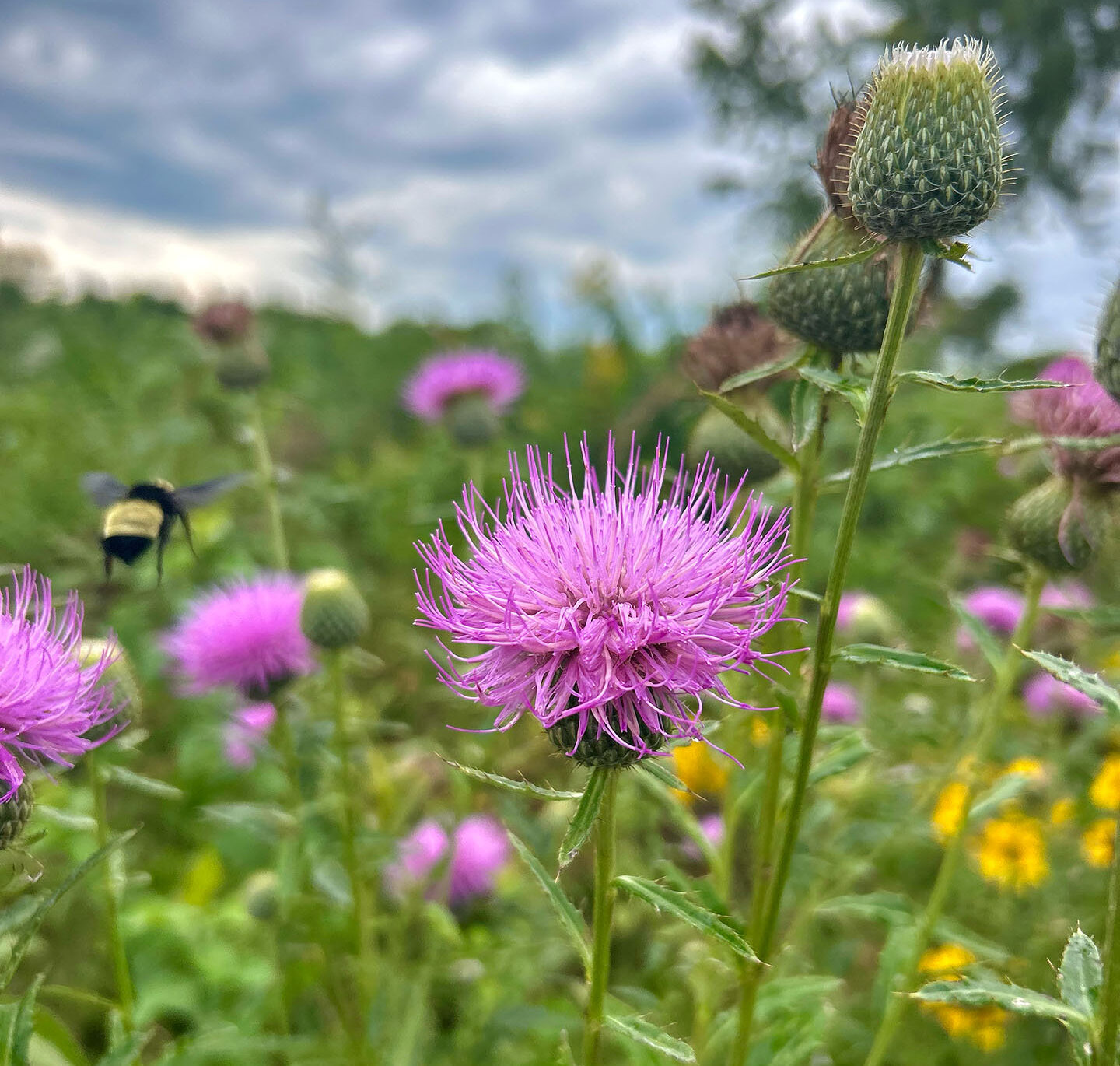
In Caring for Our Kin: Stories of Indigenous Environmental Stewardship, the College Fund shares the stories of Indigenous environmental leaders who are centering kinship and relational knowledge to build healthy ecological systems. These stories remind us that caring for the Earth means caring for one another—and that Indigenous knowledge systems continue to offer guidance, resilience, and hope for the future.
Learn more about our Environmental Stewardship Program.
Ekvnv Vcayecet. Mvto!
(Take care of the Earth/Land. Thank you)
More Blogs
“For the Wisdom of the Children” Program to Build Native Early Childhood Teacher Pipeline, Promote STEM in Early Childhood Education
Research has shown that children of color are more likely to succeed when they have a teacher of the same race. Yet Native children are much more likely to have a white teacher than a Native teacher. To promote a positive educational trajectory for Native children, the American Indian College Fund is launching the new “For the Wisdom of the Children” program, thanks to a two-year, $1.5 million grant from the W.K. Kellogg Foundation.
Pendleton Introduces Two 2018 American Indian College Fund Blankets in Partnership With Wieden+Kennedy
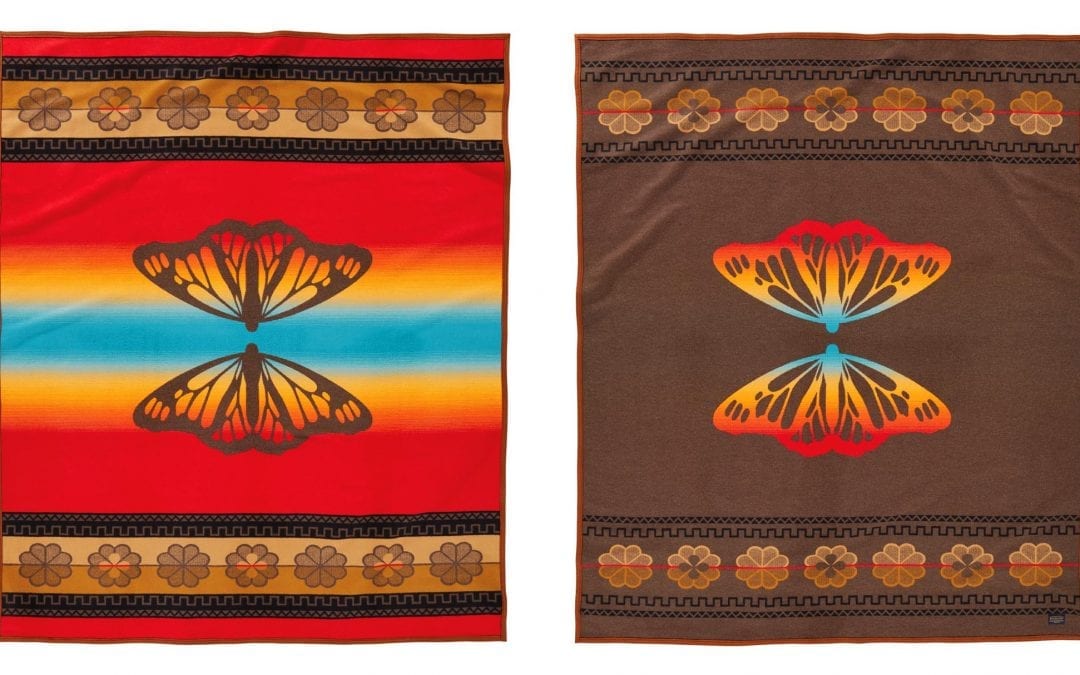
The American Indian College Fund and Pendleton Woolen Mills, the acclaimed- lifestyle brand headquartered in Portland, Oregon, are introducing two new, exclusive blankets to the American Indian College Fund Collection for 2018.
The Andrew Mellon Foundation, American Indian College Fund, Team to Invest in Tribal College Development
The Trustees of The Andrew W. Mellon Foundation have approved a grant of $2.024 million to the American Indian College Fund to continue support for graduate degree completion fellowships for Tribal College and University faculty.
Dr. Cynthia Lindquist of Cankdeska Cikana Community College 2017-18 American Indian College Fund TCU Honoree of the Year
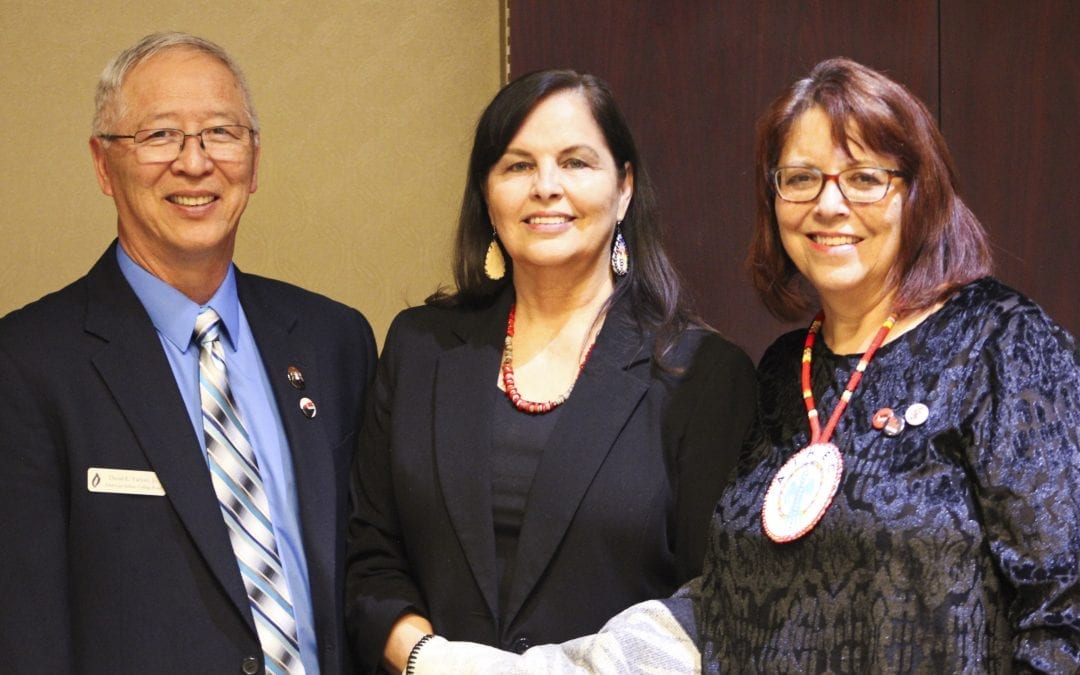
Dr. Cynthia Lindquist, President of Cankdeska Cikana Community College in Ft. Totten, North Dakota, says she never set out to be a tribal college president. “College was a dream for me as a high school kid. I was the oldest of 13 kids, and there was no money for college.”
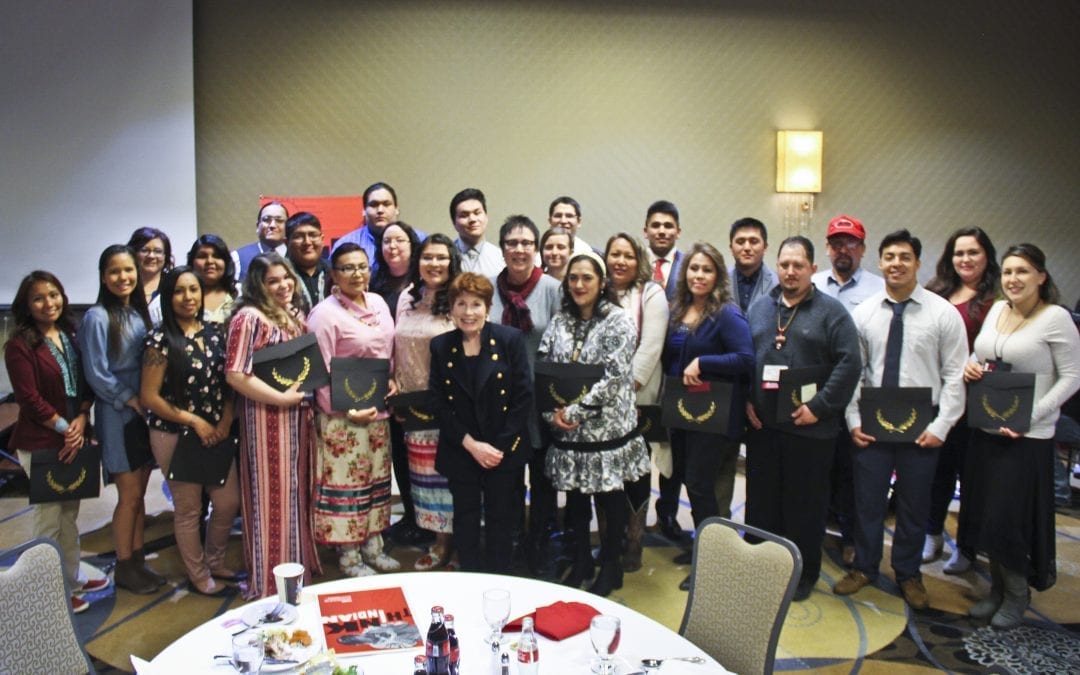
The Coca Cola Foundation Names 35 Native American First-Generation Scholars
March 12, 2018, Denver, Colo.— The Coca Cola Foundation and the American Indian College Fund honored 35 American Indian scholarship recipients at its 2017-18 Coca-Cola First Generation Scholarship banquet at the American Indian Higher Education Consortium Student Conference in Bismarck, North Dakota.
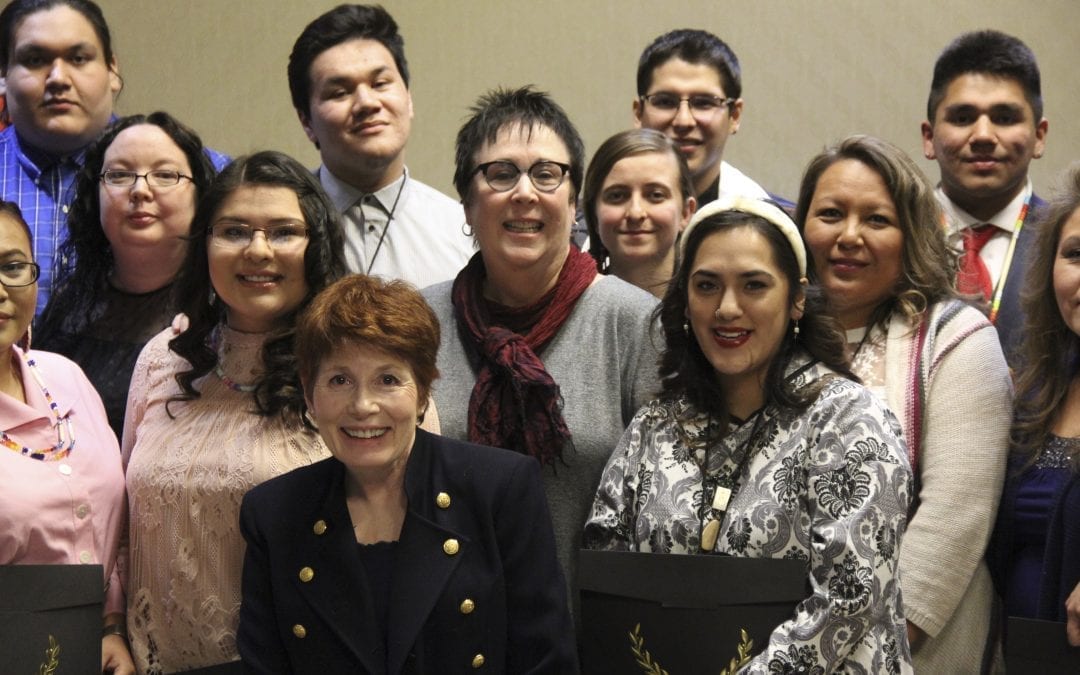
Dr. Cynthia Lindquist of Cankdeska Cikana Community College Named 2017-18 TCU Honoree of the Year
The American Indian College Fund honored Dr. Cynthia Lindquist, President of Cankdeska Cikana Community College in Ft. Totten, North Dakota, for her outstanding contributions to American Indian higher education as its Tribal College and University Honoree of the Year. Dr. Lindquist, along with 34 American Indian scholarship recipients named as Students of the Year, were lauded at a reception hosted by the College Fund in Bismarck, North Dakota.
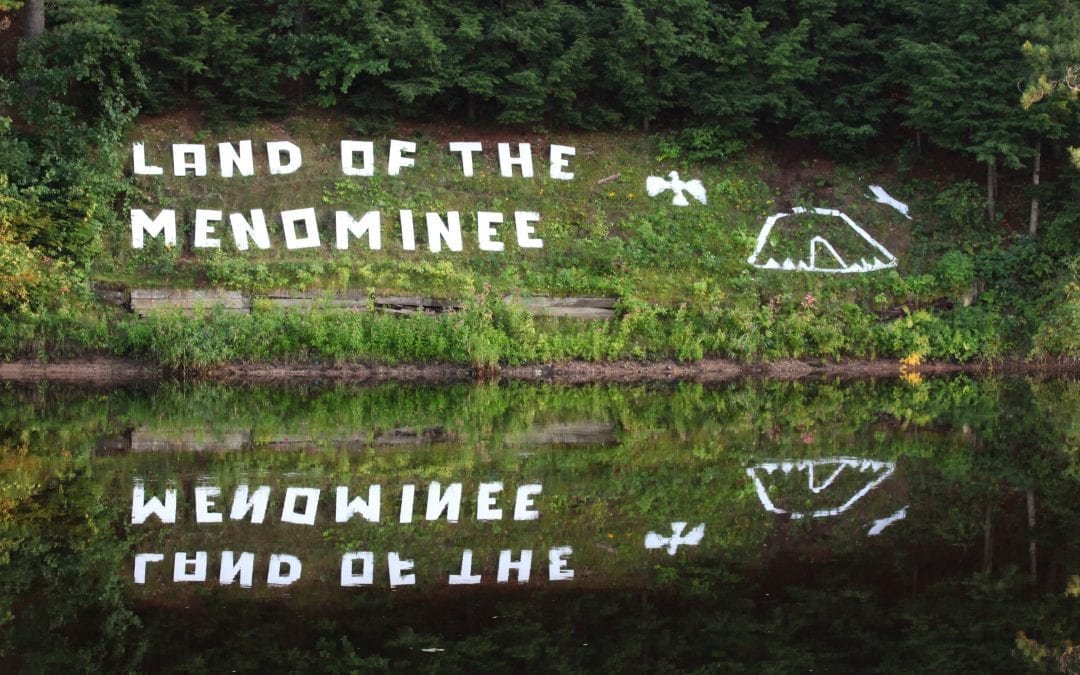
Caldwell: A Lifelong Capstone Course on Sustainability
Since graduating from high school my educational development has focused on forestry and natural resources, and my career in various technical and professional positions has been intertwined with my educational focus. I approach my education and career as complementary activities, because my jobs are opportunities to learn and learning is my job.
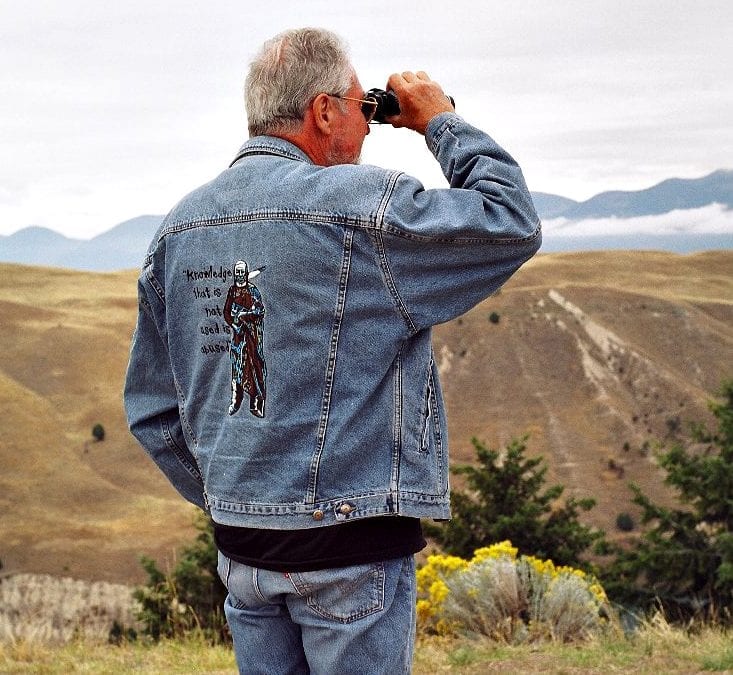
Think Indian Ad Campaign Seeks to Increase Native American Student College Enrollment
At the center of the American Indian College Fund’s new PSA campaign rests a goal to change a staggering statistic: Only 14 percent of college graduates today are American Indian, less than half of that of their peers.
Honoring the Sacred
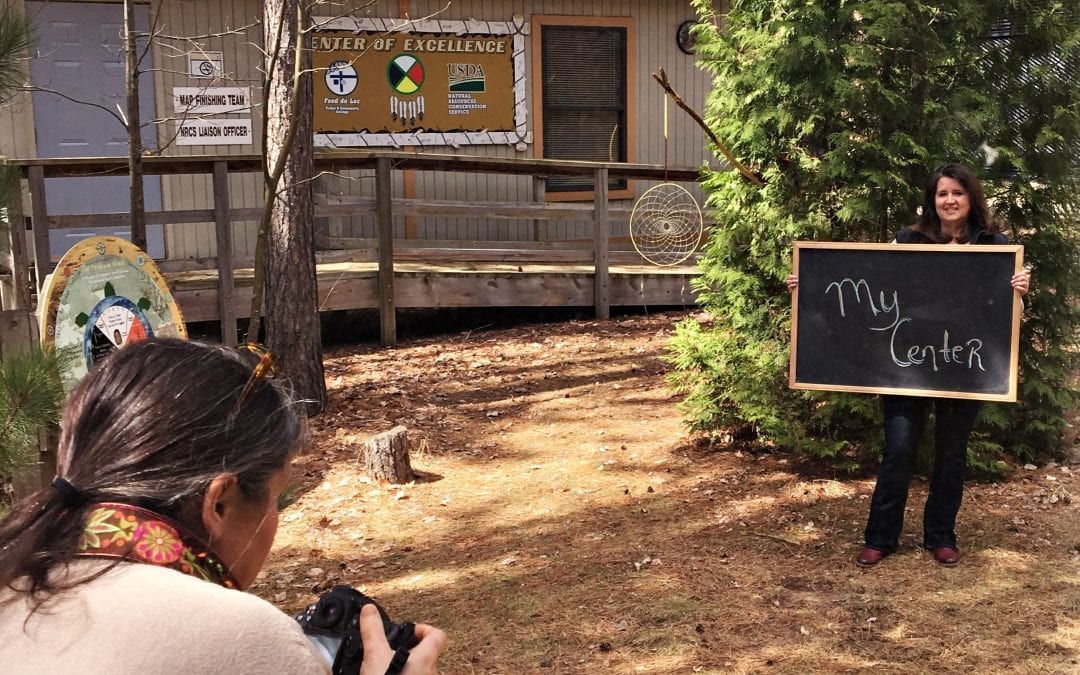
During this month dedicated to women, I want to acknowledge the importance of Native women who work in environmental spaces. It was primarily women who encouraged me to believe in my relationship with the earth and who acknowledge me as I am, which is to say a mixed-race queer.
College Fund Launches First-of-Its-Kind Repository of Research on Native Higher Education
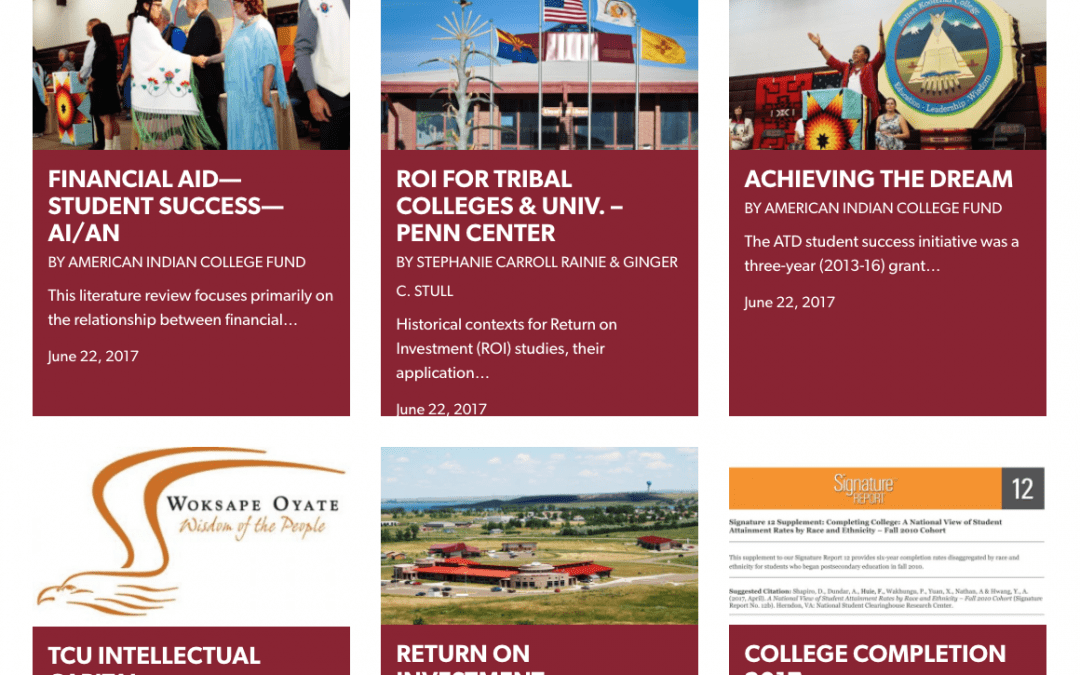
The American Indian College Fund has created an online research repository to further understanding about Native higher education, tribal colleges and universities, and American Indian and Alaska Native students. The repository, located on the College Fund’s web site, provides researchers and the general public access to research the work that the College Fund and others do to support Native student success.
