
Planting the Seeds of Cultural Sustainability
April 22, 2026 | Student Ambassador Aiyanna Tanyan’s (Seminole Nation of Oklahoma) work to reclaim food sovereignty
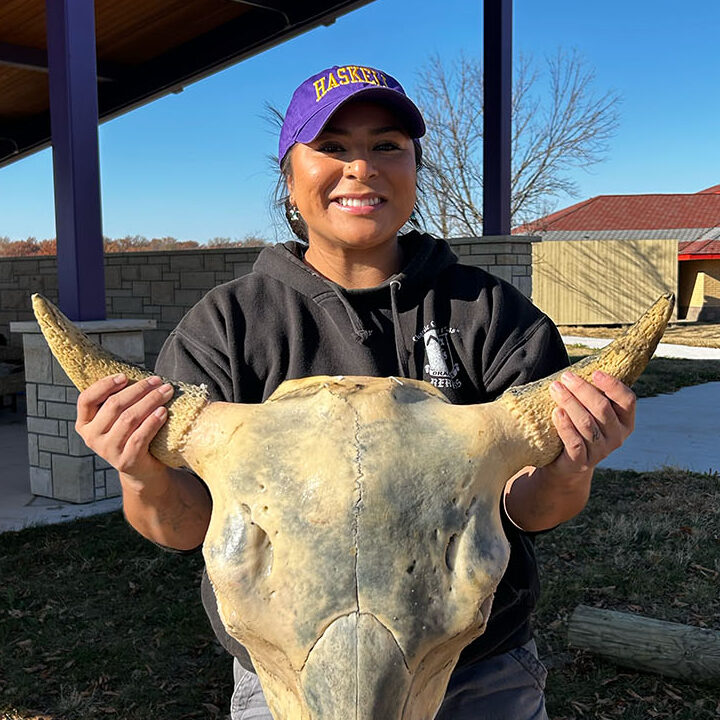
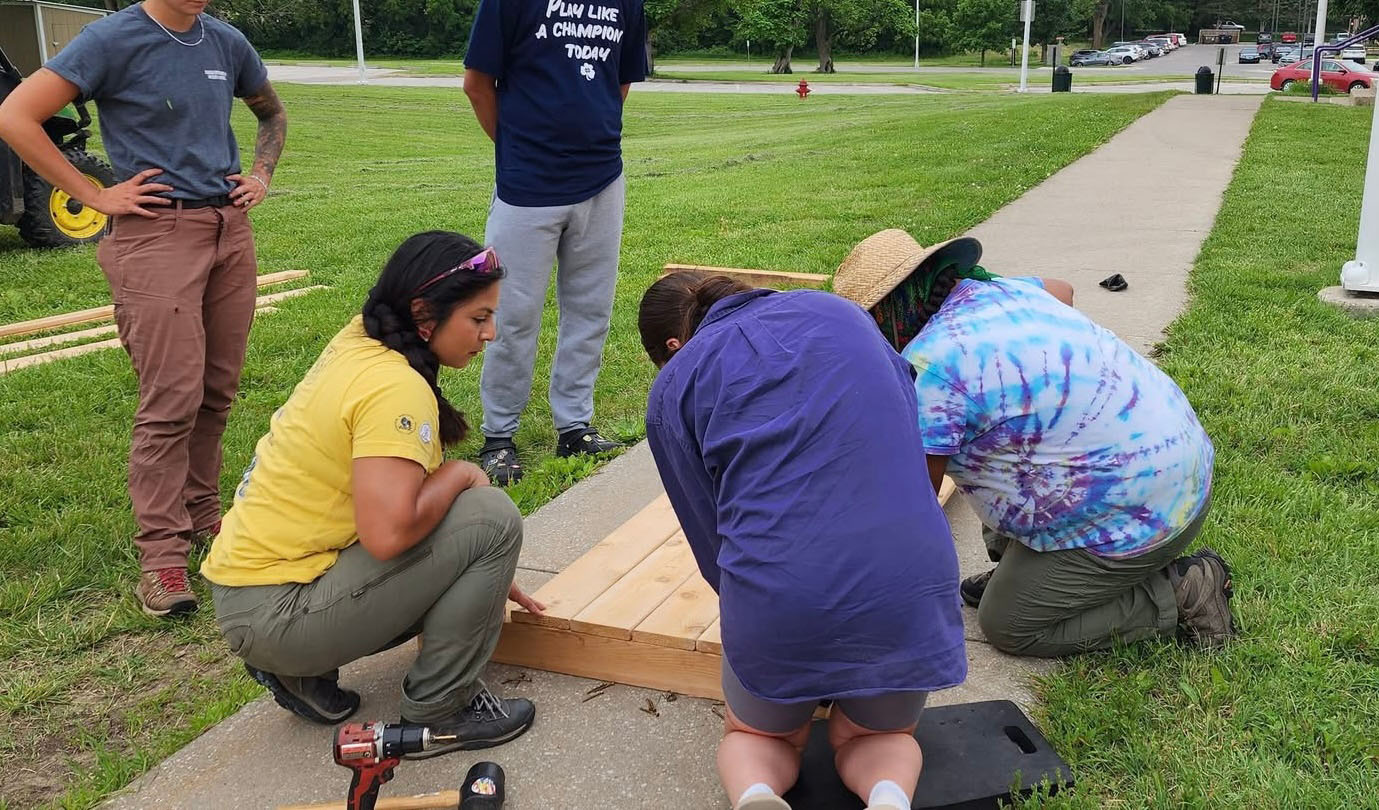
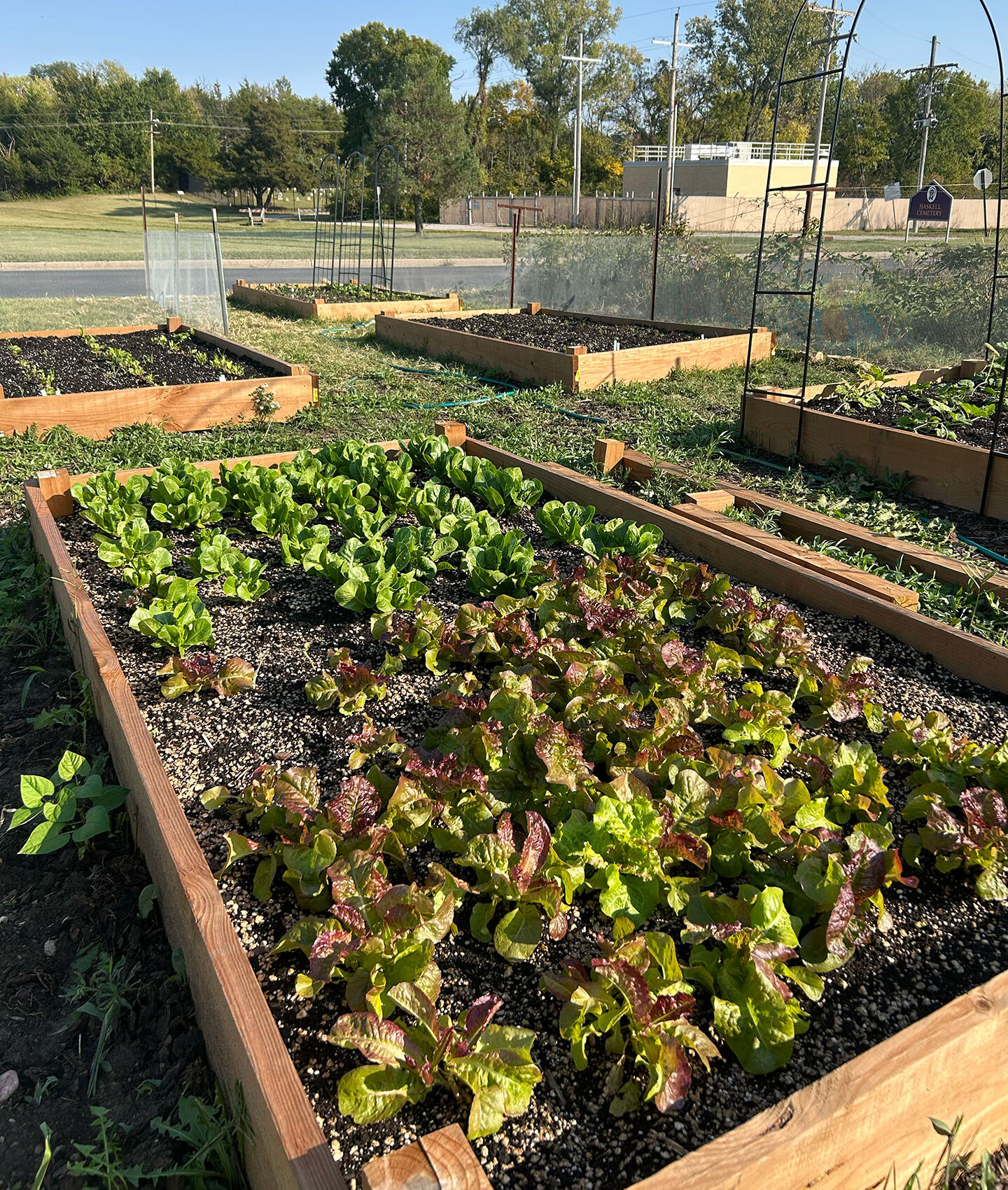
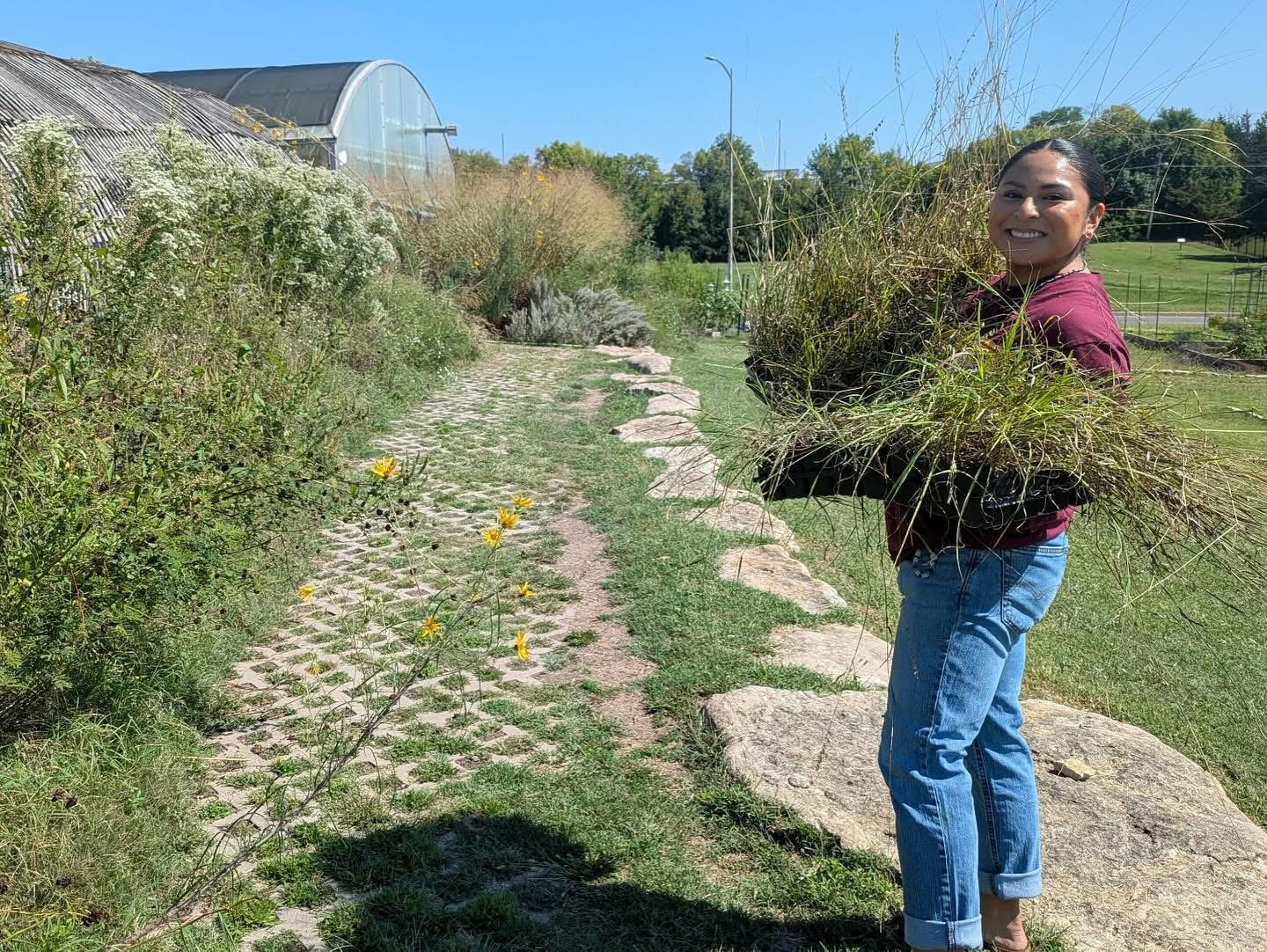
We came up with the idea of building raised garden beds near the dorms so students can easily access fresh foods and learn how to grow them themselves. Through support from the Haskell Greenhouse (funded through the USDA Equity Grant), we started building.
Last year was our first year doing this project and it was a learning experience as with many community-based projects, it comes with trial and error. However, that process taught us a lot about what works, what doesn’t, and how to build something more sustainable moving forward. This year, we’re continuing this work with stronger systems, more involvement, and a clearer vision.
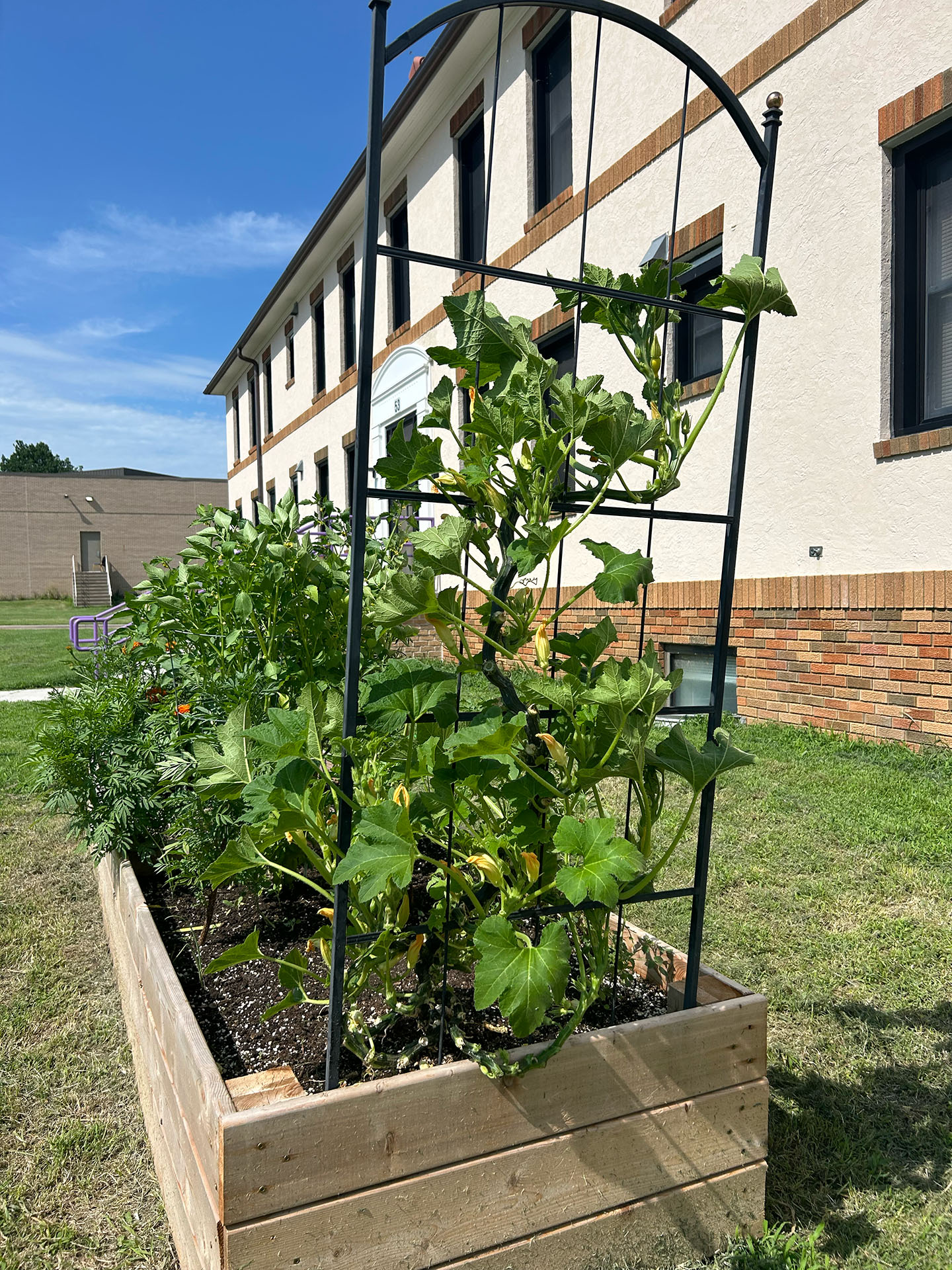
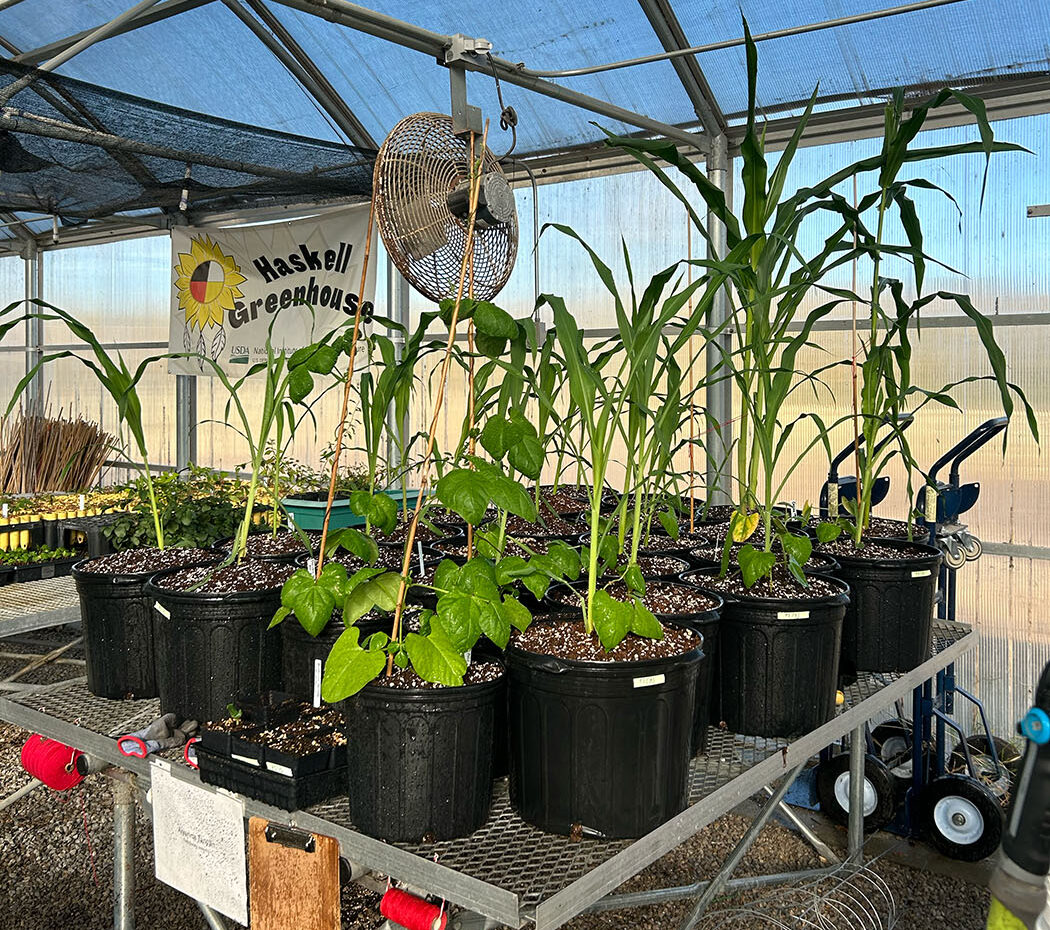
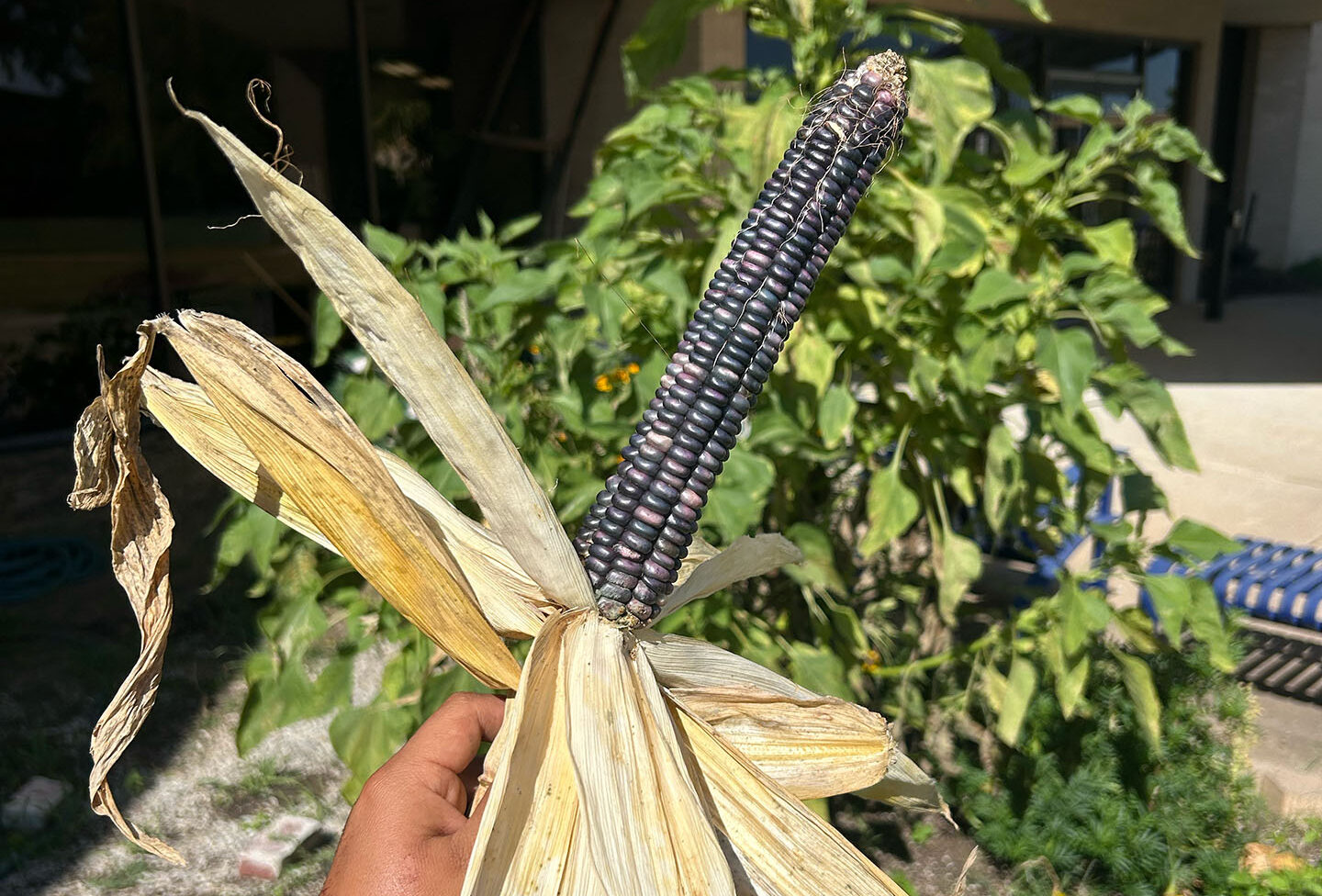
Everyone at the Haskell Greenhouse wants to help others learn, value, and view these spaces as places of teaching. I know they have taught me so much about responsibility and our relationship with the environment. Through these projects, we’re helping students reconnect with the land and understand the importance of food sovereignty for Indigenous communities. This work is ongoing, and we’re still learning. Every seed planted, and every workday shared brings us one step closer to a more sustainable and connected future.
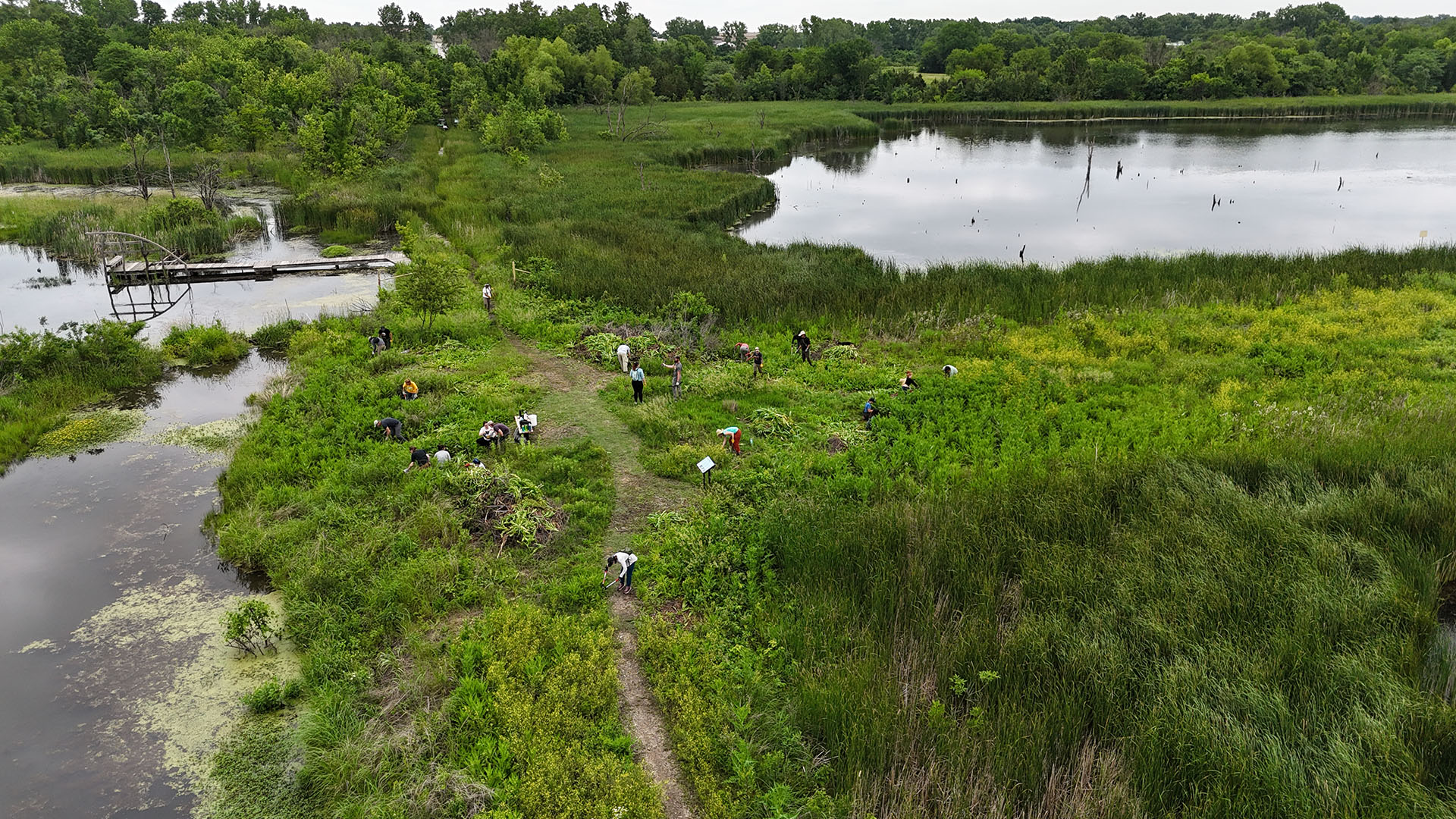
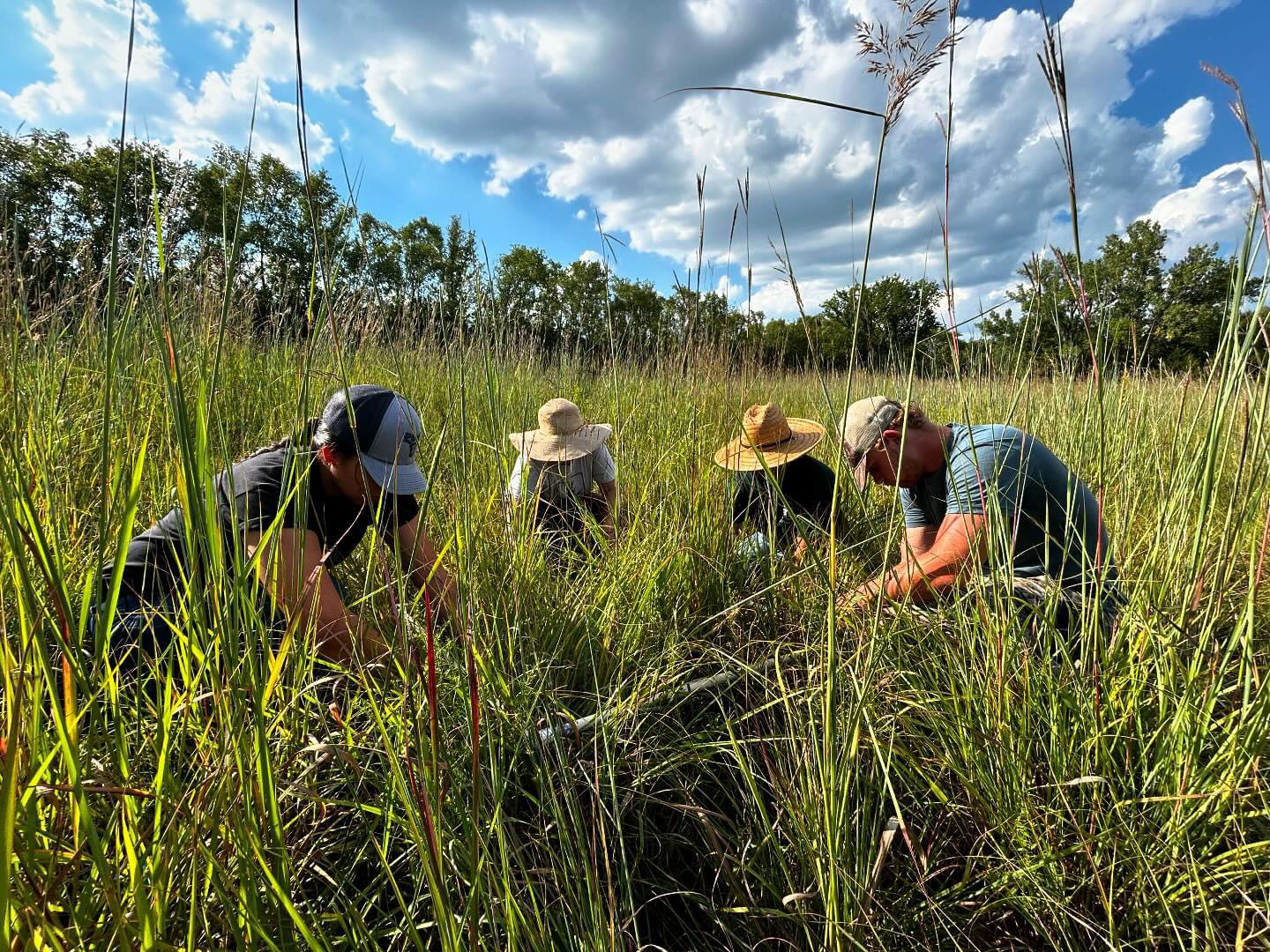
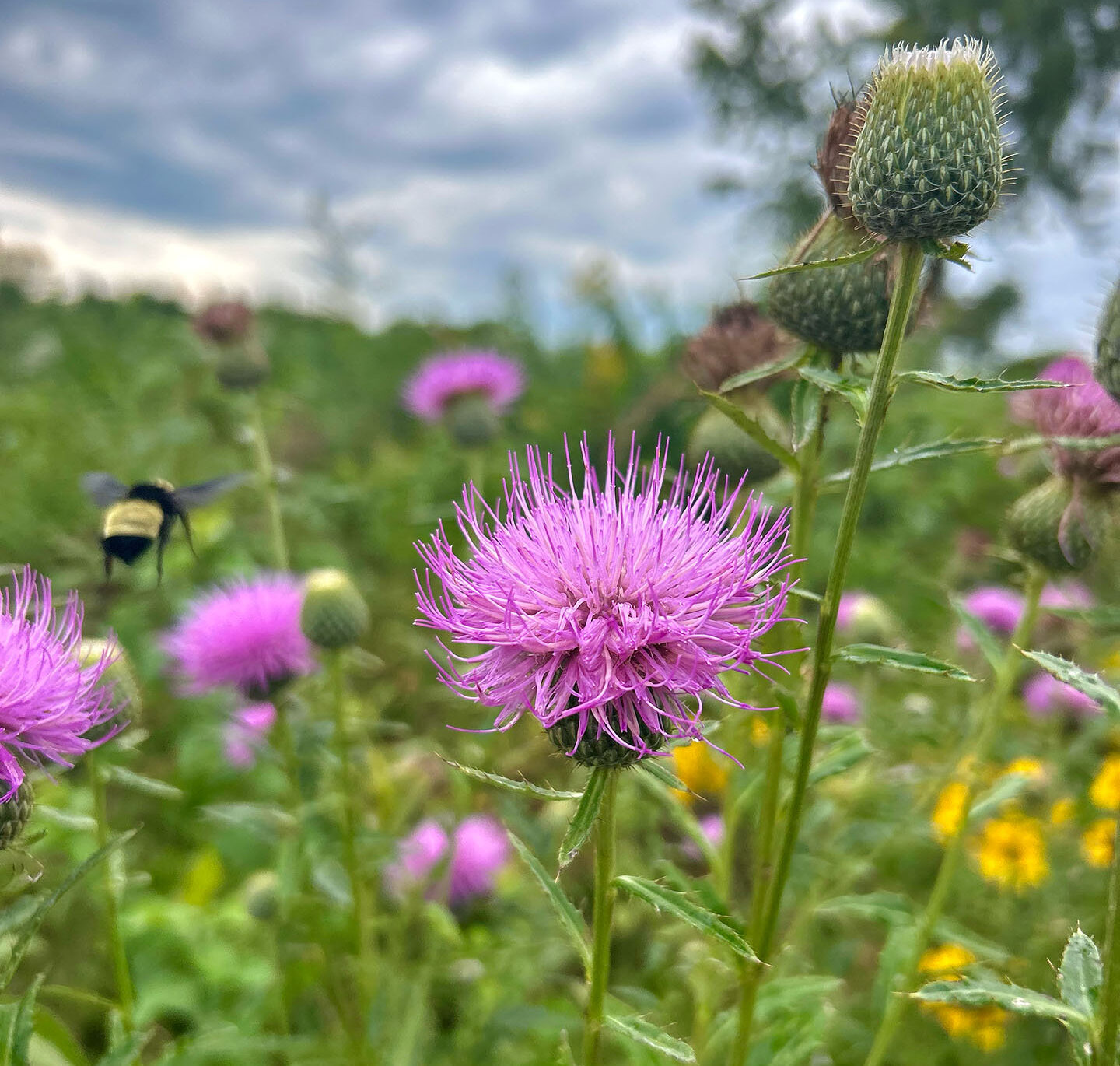
In Caring for Our Kin: Stories of Indigenous Environmental Stewardship, the College Fund shares the stories of Indigenous environmental leaders who are centering kinship and relational knowledge to build healthy ecological systems. These stories remind us that caring for the Earth means caring for one another—and that Indigenous knowledge systems continue to offer guidance, resilience, and hope for the future.
Learn more about our Environmental Stewardship Program.
Ekvnv Vcayecet. Mvto!
(Take care of the Earth/Land. Thank you)
More Blogs
KBOCC: Building the Bridge
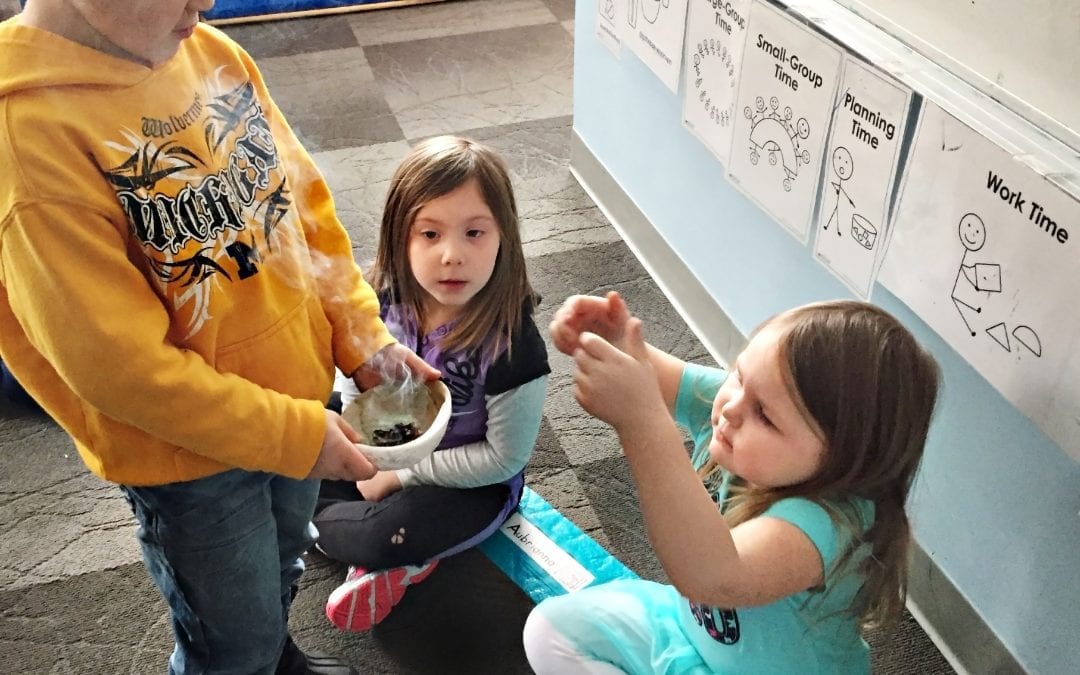
Tribal elders are an integral part of the Restorative Teachings program, serving as an important link from past to future, and Keweenaw Bay Ojibwa Community College’s program is no different (KBOCC). When the tribal elder who serves as the program’s cultural consultant was interviewed for the position, honesty, integrity, and respect emanated from him as he looked at each of the program’s employees in the eyes and told the stories of the Ojibwe past.

In Memory of Karen Whiting
Lakota people believe that the place we go to on our spirit journey is a beautiful place where our ancestors welcome us. The College Fund team lost a beloved colleague earlier this week when Karen Whiting, our Human Resources Manager, died unexpectedly. Karen was a gracious, caring, and professional individual.
College Fund Study to Unlock Ways Tribal Colleges Help Native Students Succeed in College and Career
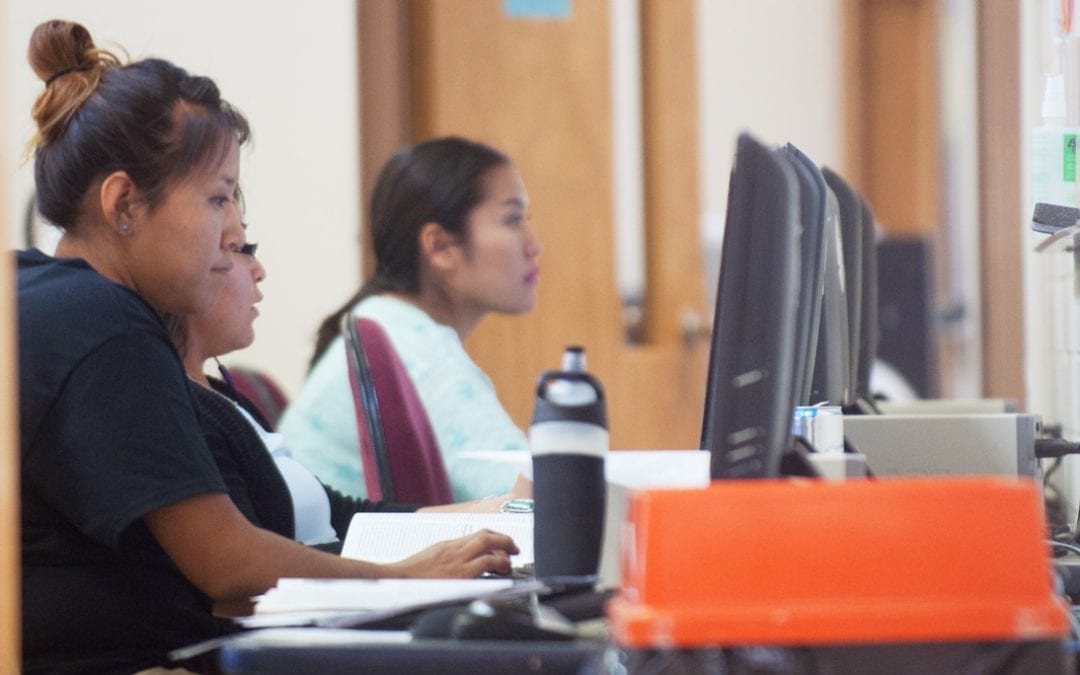
Thirty-four accredited tribal colleges and universities provide higher education opportunities to American Indian communities nationwide. Now, thanks to a $450,000 three-year grant from The Kresge Foundation, the American Indian College Fund will conduct a study on student success at three tribal colleges (TCUs). These best practices will then be scaled up and replicated at TCUs and other educational institutions working with Native students.

1st Tribal Lending Builds Strong Future for Native People
Home ownership, like education, are considered to be both an investment and part of the American dream. But these paths to a strong future have not always been accessible to American Indian people. Home ownership has been problematic because not all lenders could or can provide loans for people living on reservations or federal trust lands.
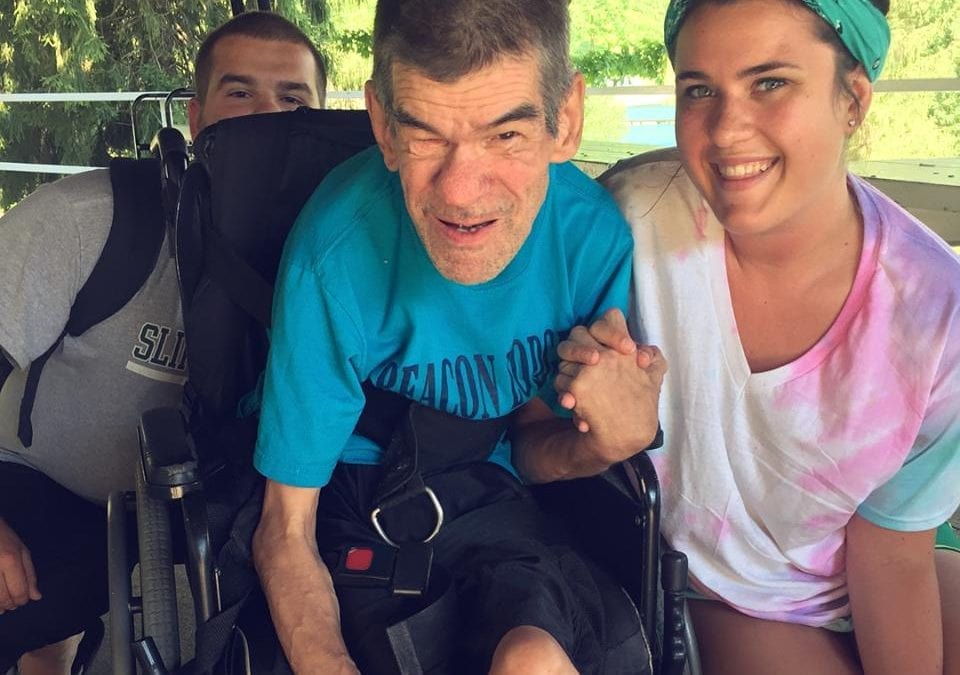
A Life-Changing Summer at Beacon Lodge Camp
Cara Paolicelli, right, worked with counselors from across the globe, who volunteered their time to help those with special needs. My name is Cara Paolicelli and I am a rising senior at the University of North Carolina Wilmington. I am grateful that I’ve been able to continue my education in recreational therapy for the disabled thanks to my family, and the American Indian College Fund.
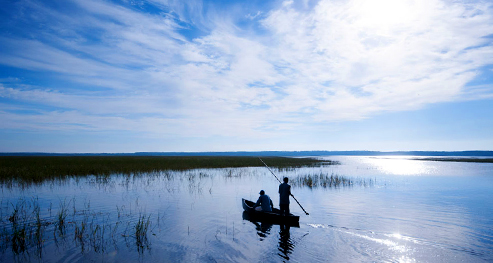
Leech Lake Tribal College Named Best Community College in America
When WalletHub announced its rankings of the best community colleges across the nation, many Americans may have been unfamiliar with its first-place choice, Leech Lake Tribal College (LLTC). Tucked away in northern Minnesota on the Leech Lake Ojibwe Indian reservation, LLTC’s recent ranking is part of a long history of success. The college was also voted as seventh in a list of the nation’s 50 best community colleges in 2010 by Washington Monthly.
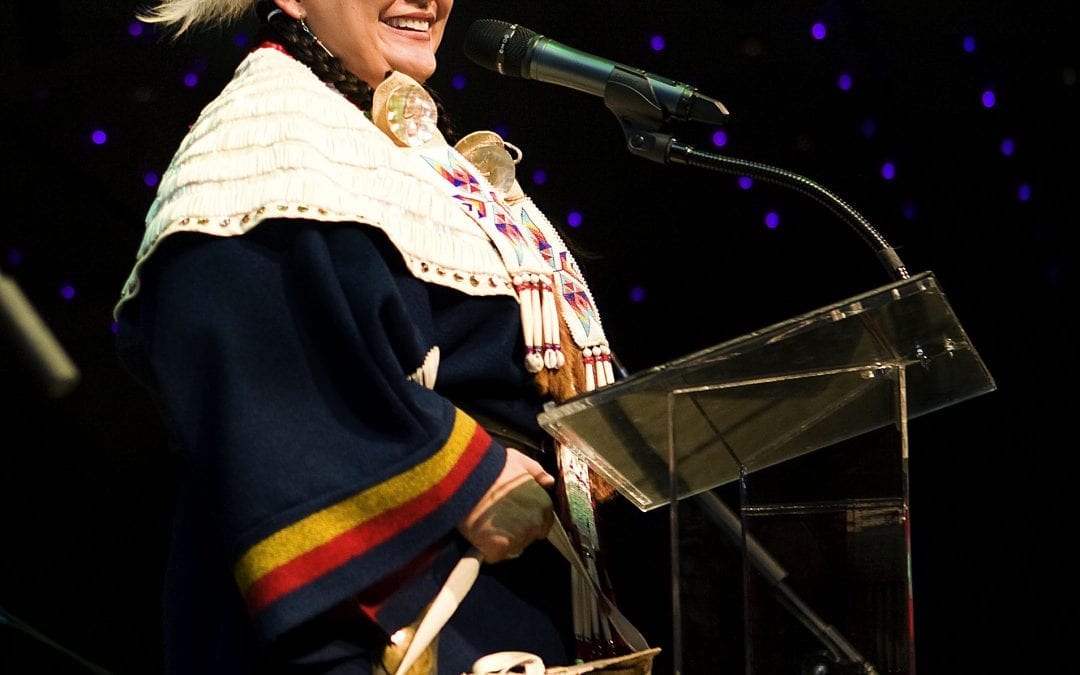
In Memoriam: Dr. Lynette Chandler
The American Indian College Fund is saddened to share that Dr. Lynnette Chandler, a 2009-10 Mellon Faculty Fellowship recipient and both the founder and the director of the White Clay Language School at Aaniiih Nakoda College, passed away on August 13th.
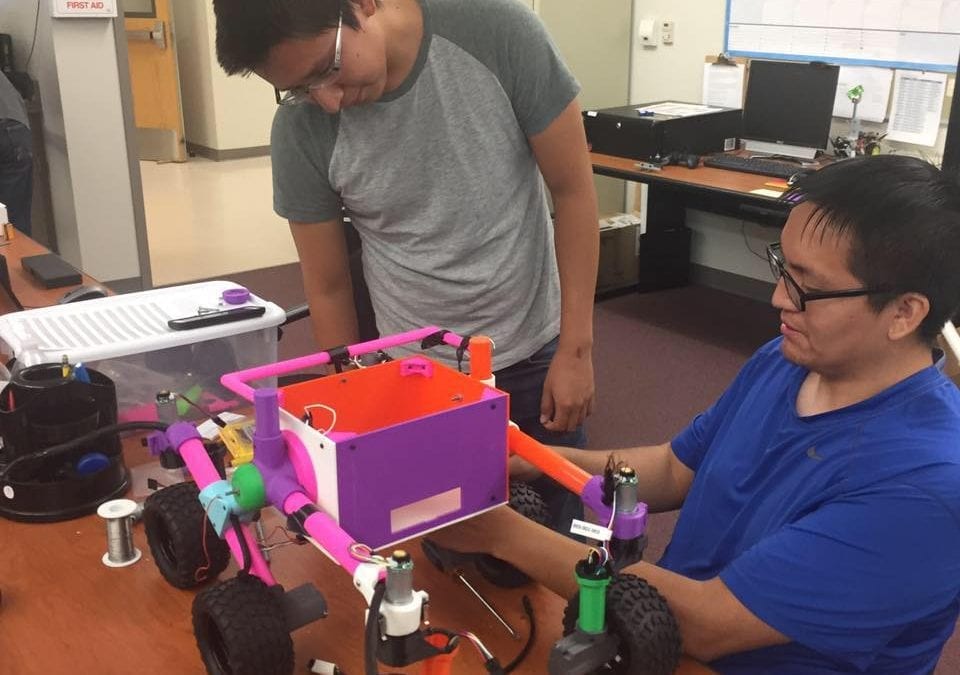
Four Tribal Colleges Receive ‘Toyota TCU STEM Award’ from American Indian College Fund
SIPI students work on their Educational Mobile Rover, ROV-S. ROV-S (SIPI Mars Rover) was fully designed, developed, and manufactured at the SIPI I-C-MARS VIP ROSE STEMS Engineering and Engineering Technology Laboratories.
ROV-S is capable of operating in both semi-autonomous and fully autonomous modes.
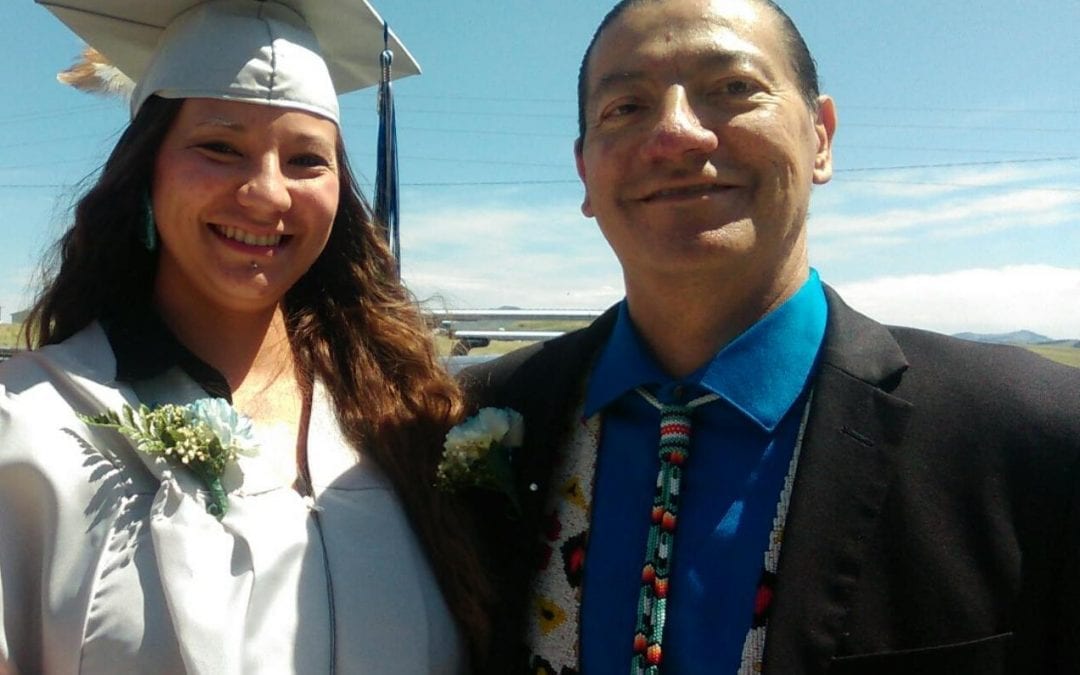
In Memoriam: Nate St. Pierre, TCU President and College Fund Trustee, August 13, 2017
The American Indian College Fund is saddened to share that Dr. Nathaniel “Nate” St. Pierre, College Fund Trustee and President of Stone Child College, passed away on Sunday, August 13, 2017. We extend our condolences to his family, friends, colleagues and students. Nate served the College Fund Board from July 1, 2016 to present. His leadership and dedication to the mission of the College Fund and the important role the tribal colleges filled in their communities will be missed.
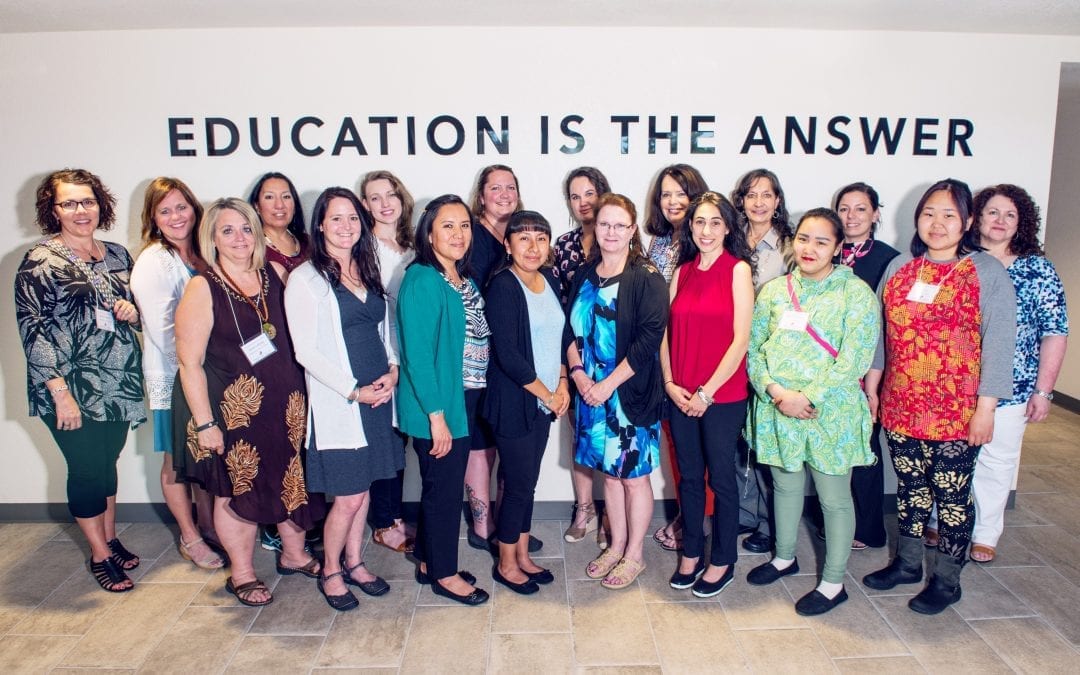
Restorative Teachings: Embracing our Frameworks to Change the World
As we do more, we have to train others to take on more. These were the opening words of Tarajean Yazzie-Mintz, Vice President of Program Initiatives and Director of Early Childhood Education Initiatives at the American Indian College Fund’s 2017 Restorative Teachings Early Childhood Education convene in Denver, Colorado.
