
Planting the Seeds of Cultural Sustainability
April 22, 2026 | Student Ambassador Aiyanna Tanyan’s (Seminole Nation of Oklahoma) work to reclaim food sovereignty
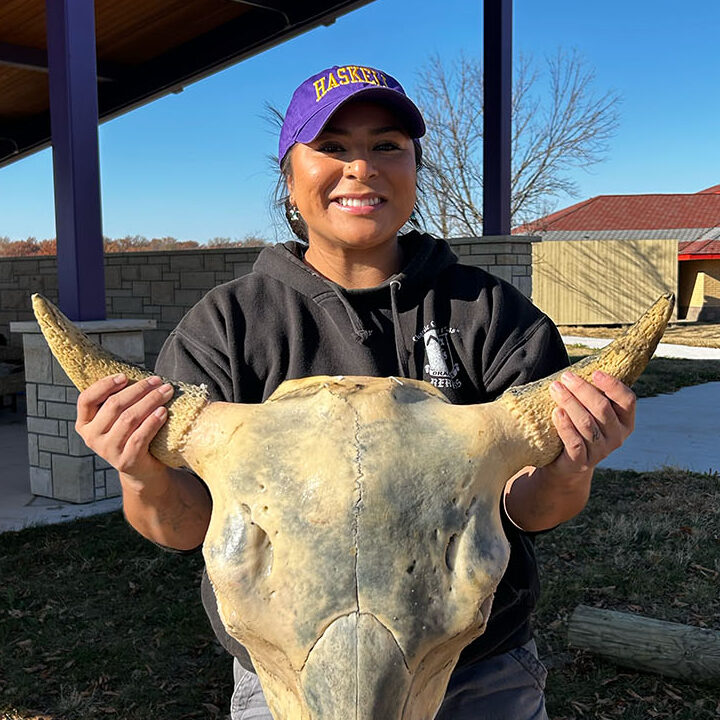
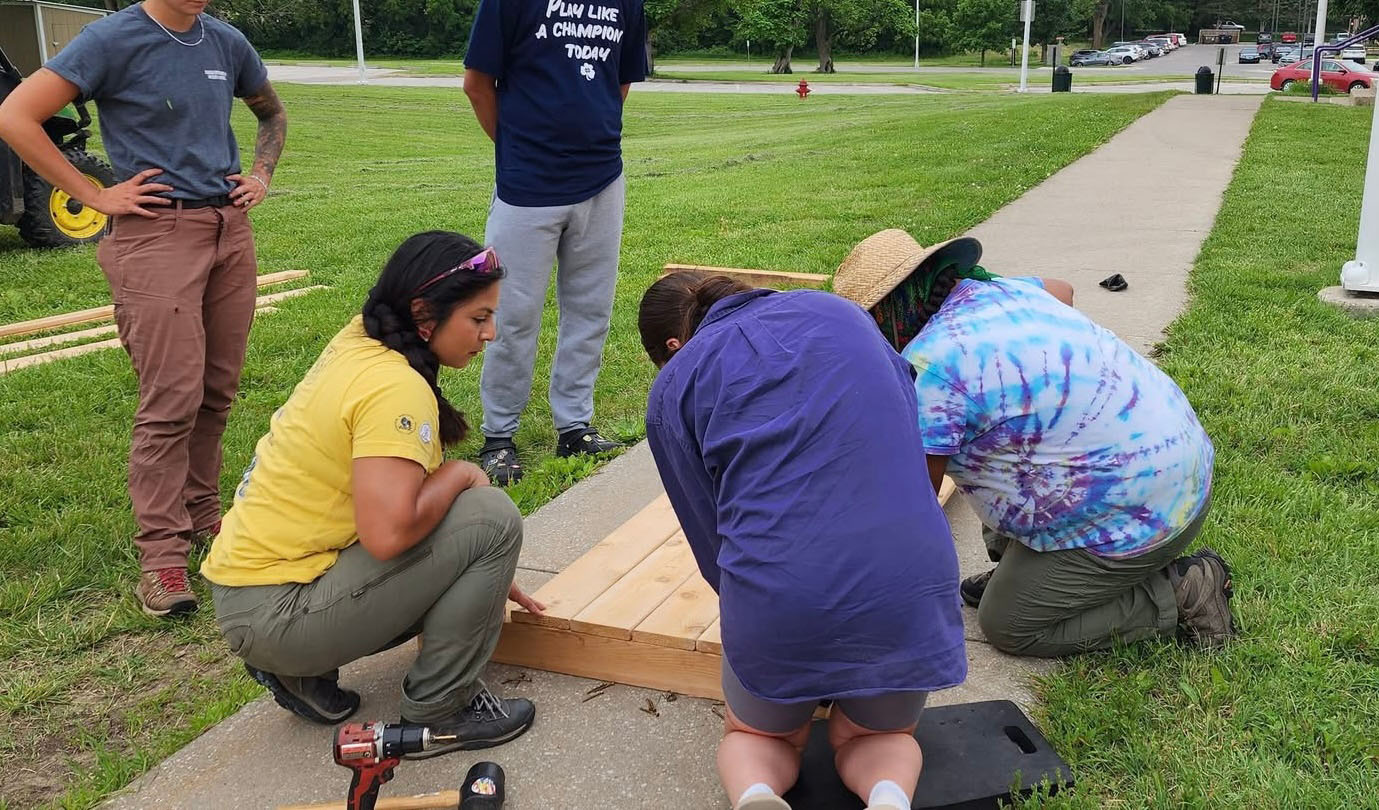
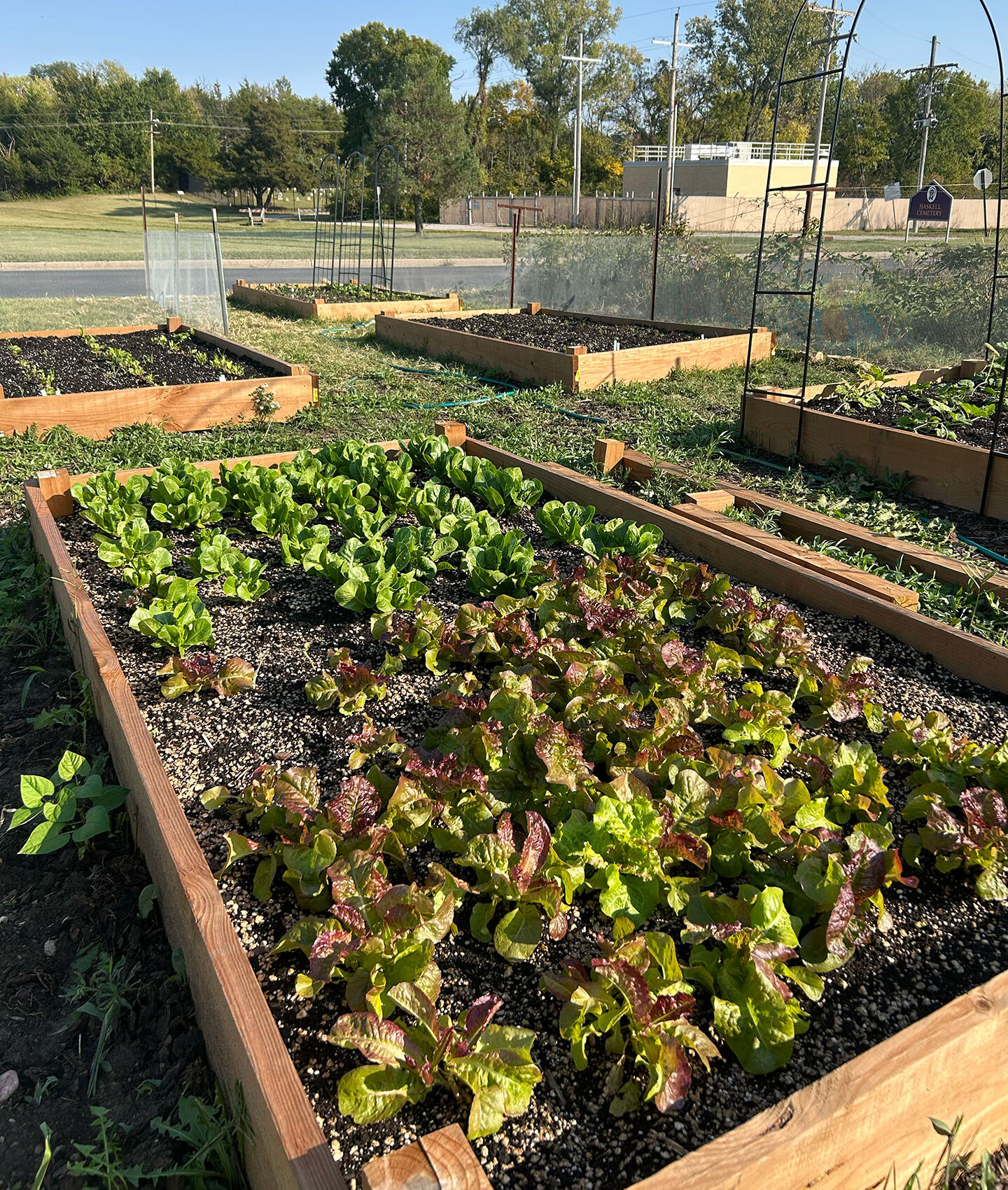
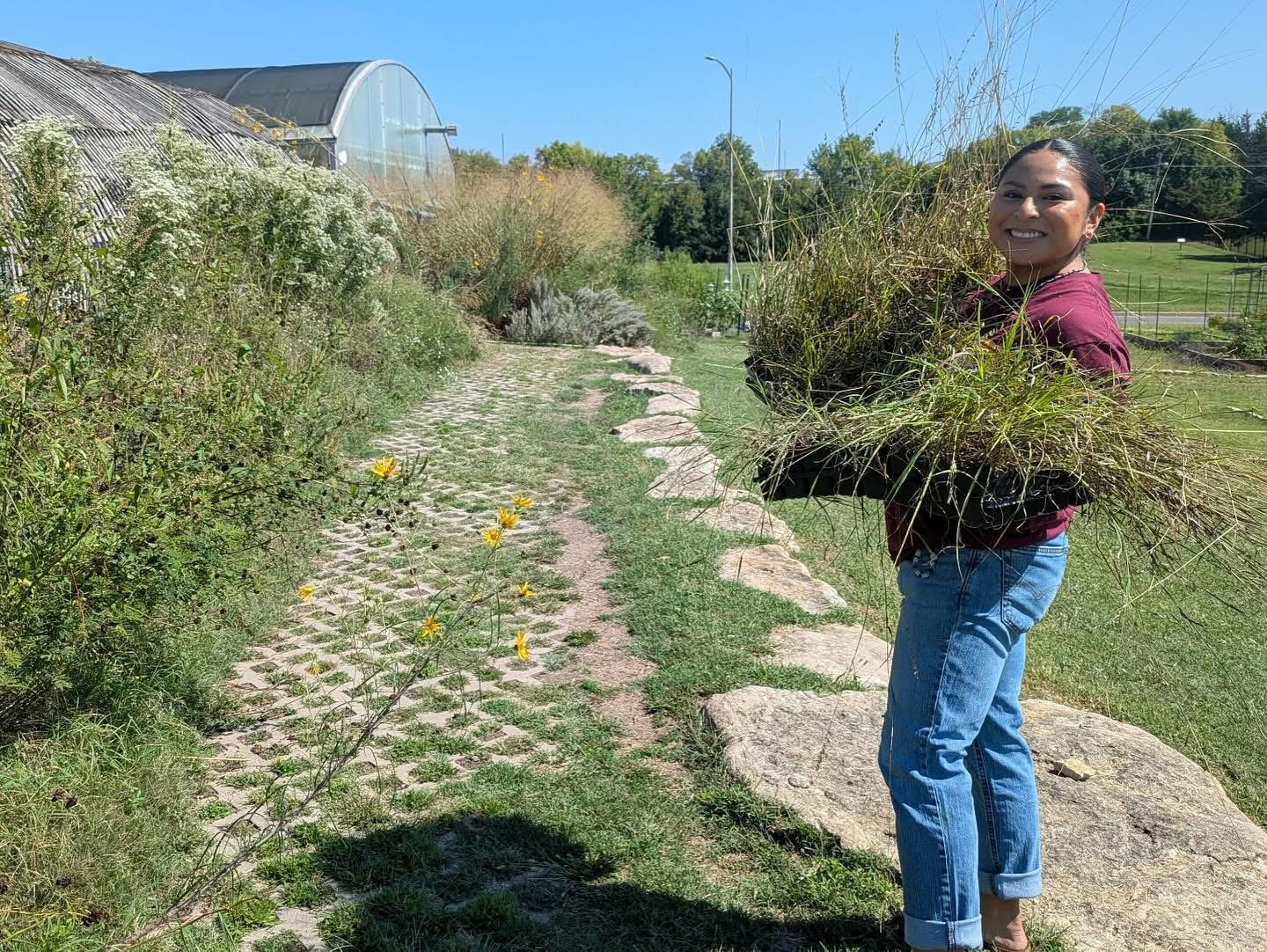
We came up with the idea of building raised garden beds near the dorms so students can easily access fresh foods and learn how to grow them themselves. Through support from the Haskell Greenhouse (funded through the USDA Equity Grant), we started building.
Last year was our first year doing this project and it was a learning experience as with many community-based projects, it comes with trial and error. However, that process taught us a lot about what works, what doesn’t, and how to build something more sustainable moving forward. This year, we’re continuing this work with stronger systems, more involvement, and a clearer vision.
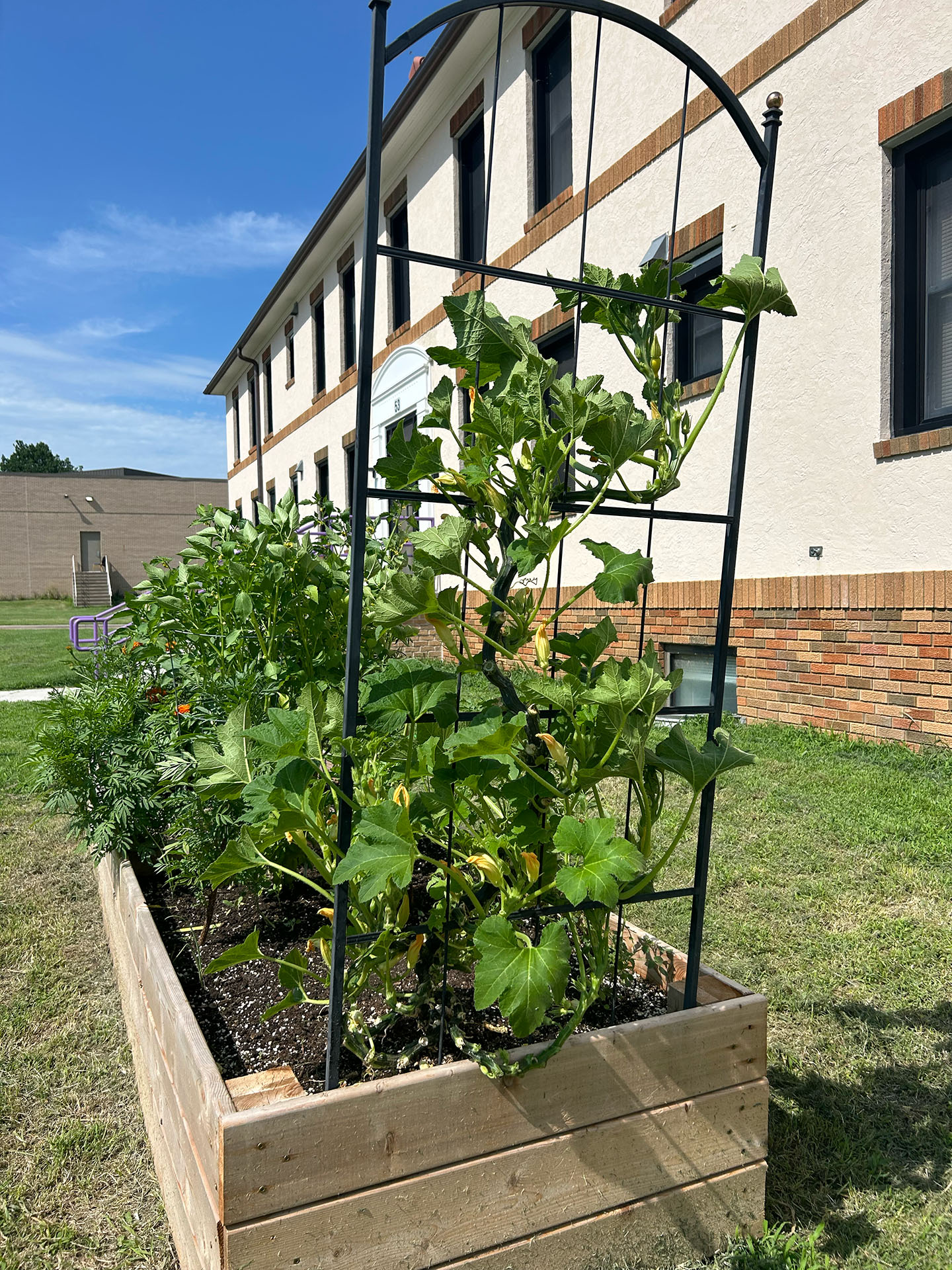
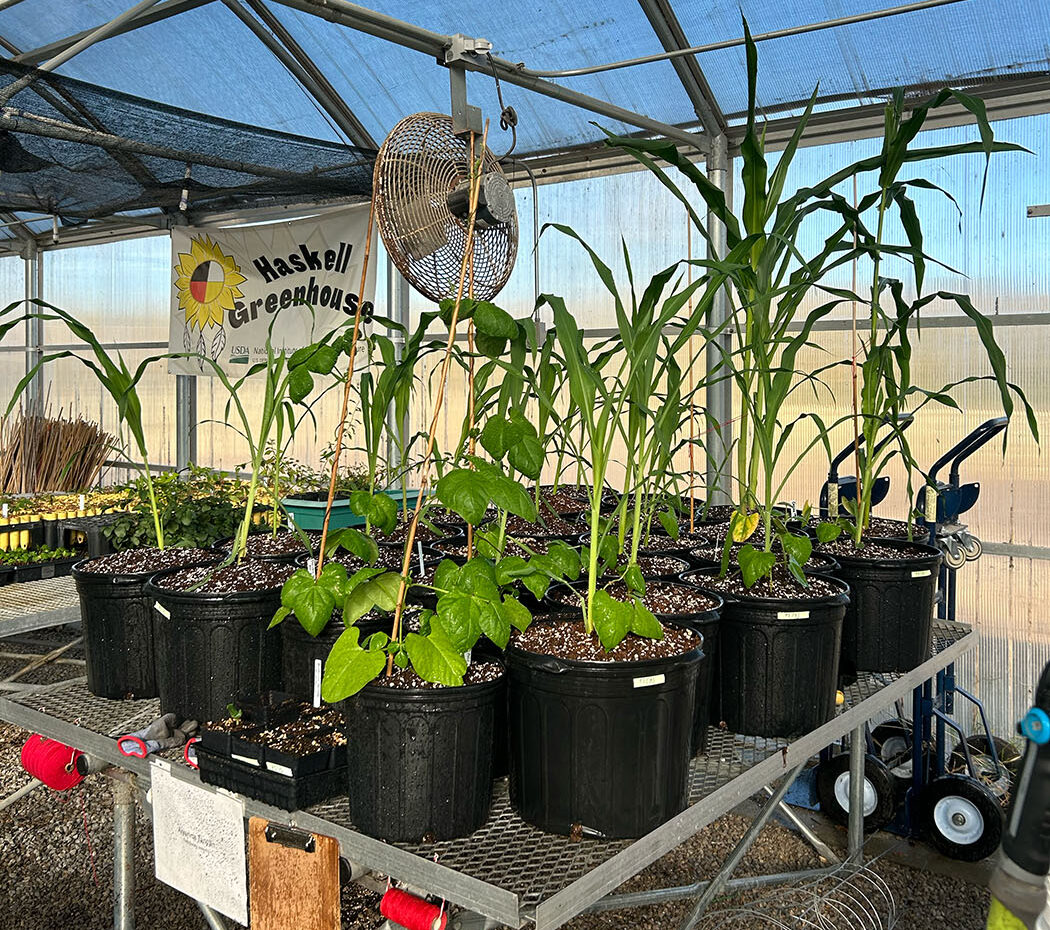
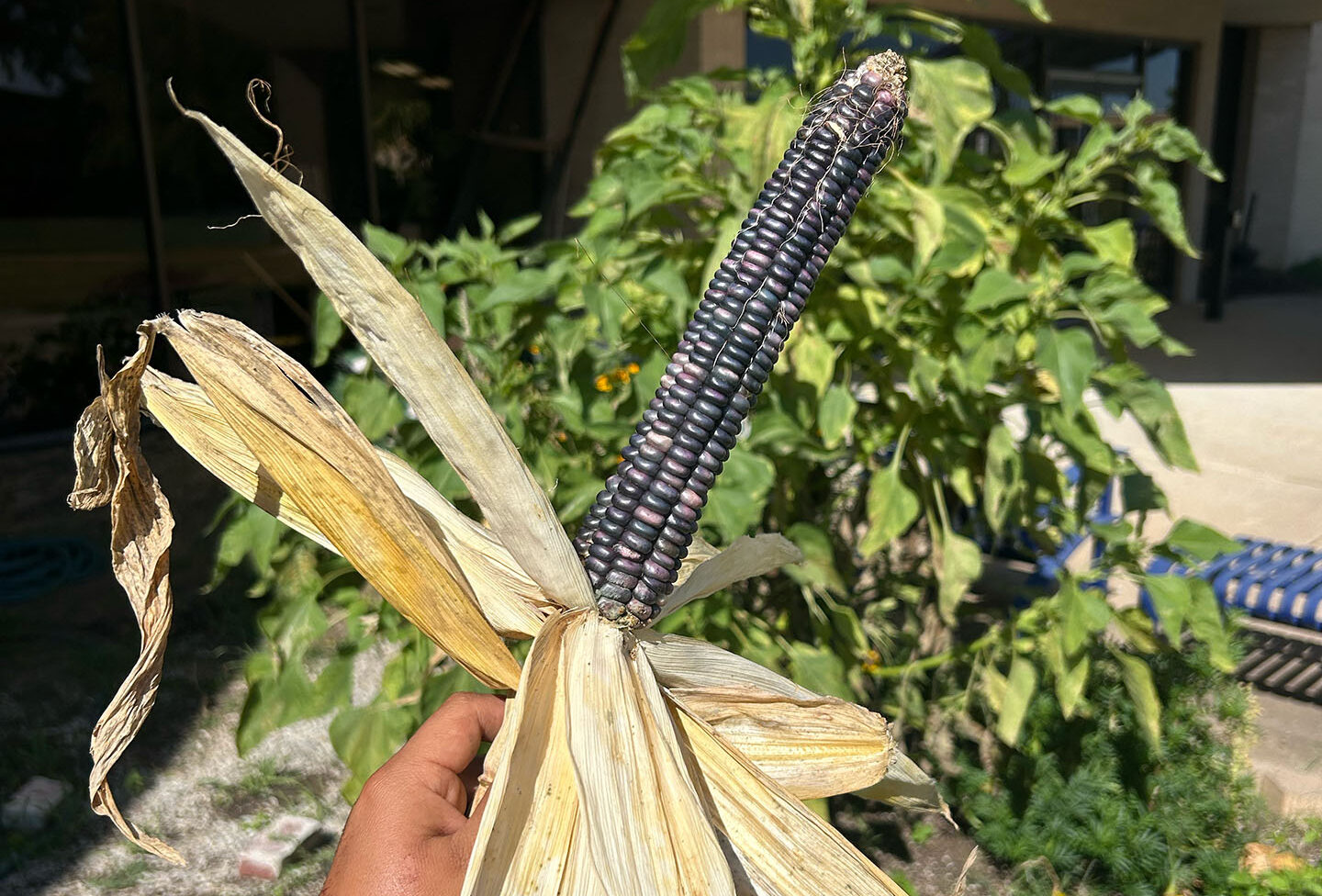
Everyone at the Haskell Greenhouse wants to help others learn, value, and view these spaces as places of teaching. I know they have taught me so much about responsibility and our relationship with the environment. Through these projects, we’re helping students reconnect with the land and understand the importance of food sovereignty for Indigenous communities. This work is ongoing, and we’re still learning. Every seed planted, and every workday shared brings us one step closer to a more sustainable and connected future.
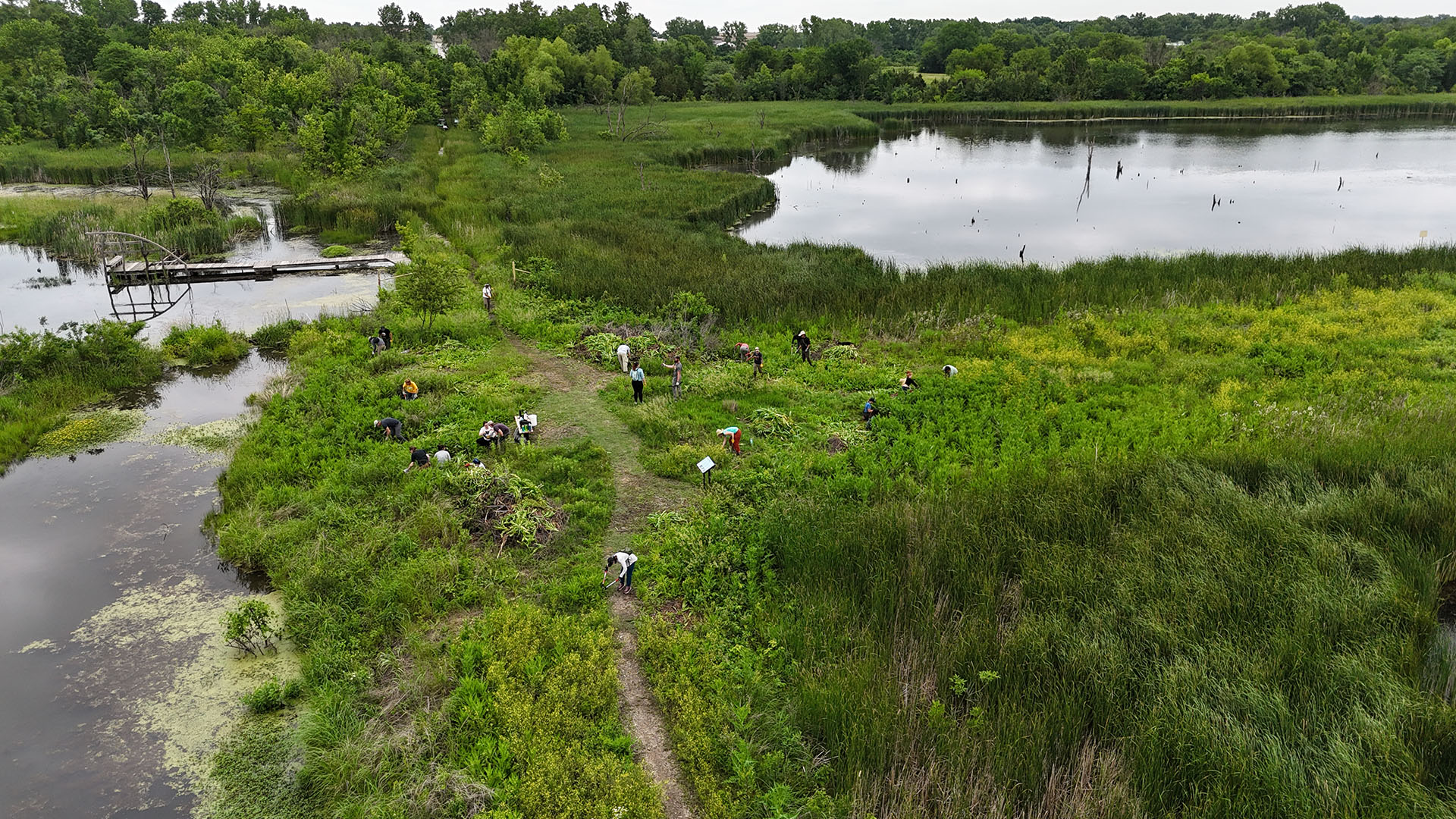
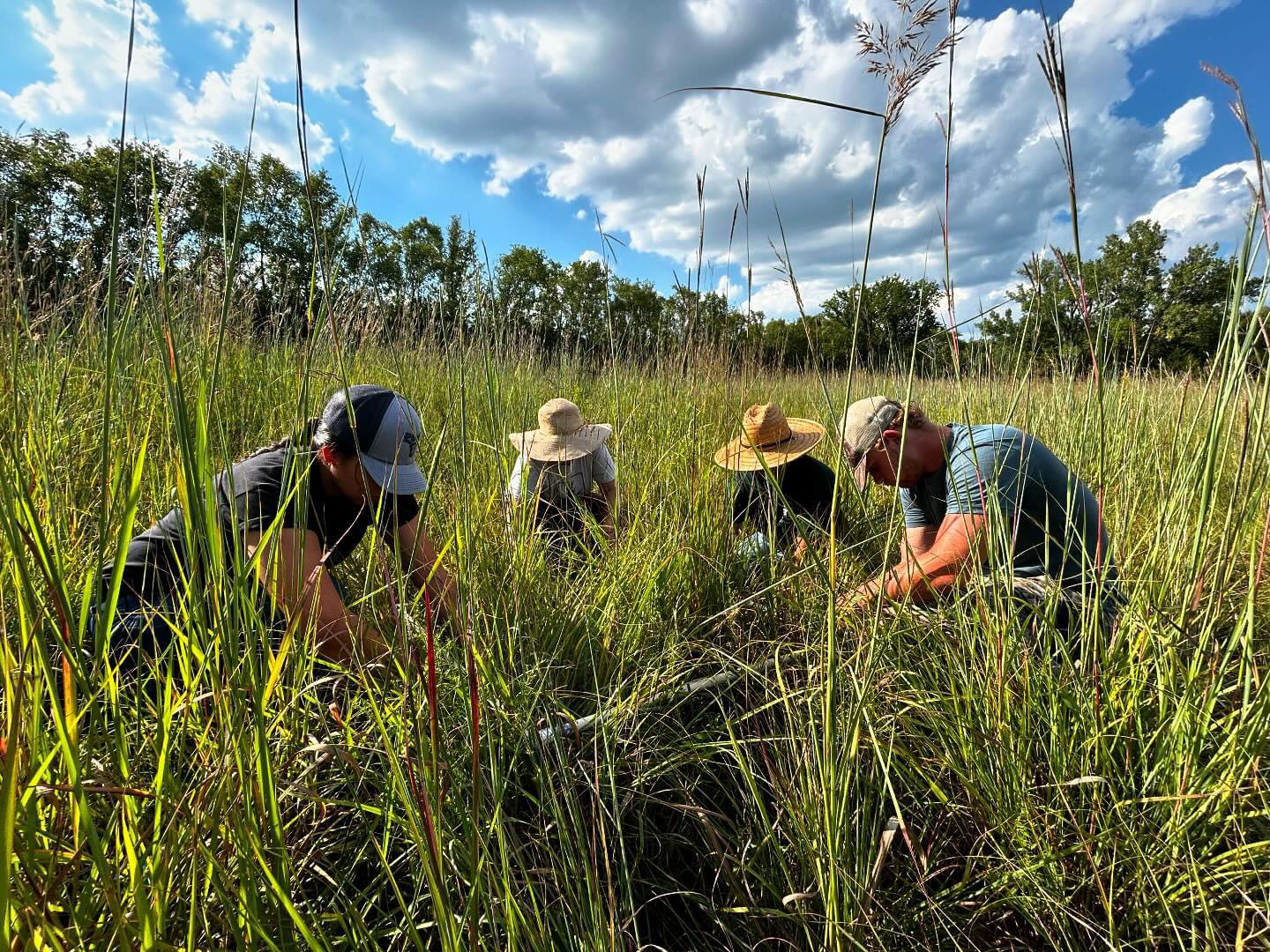
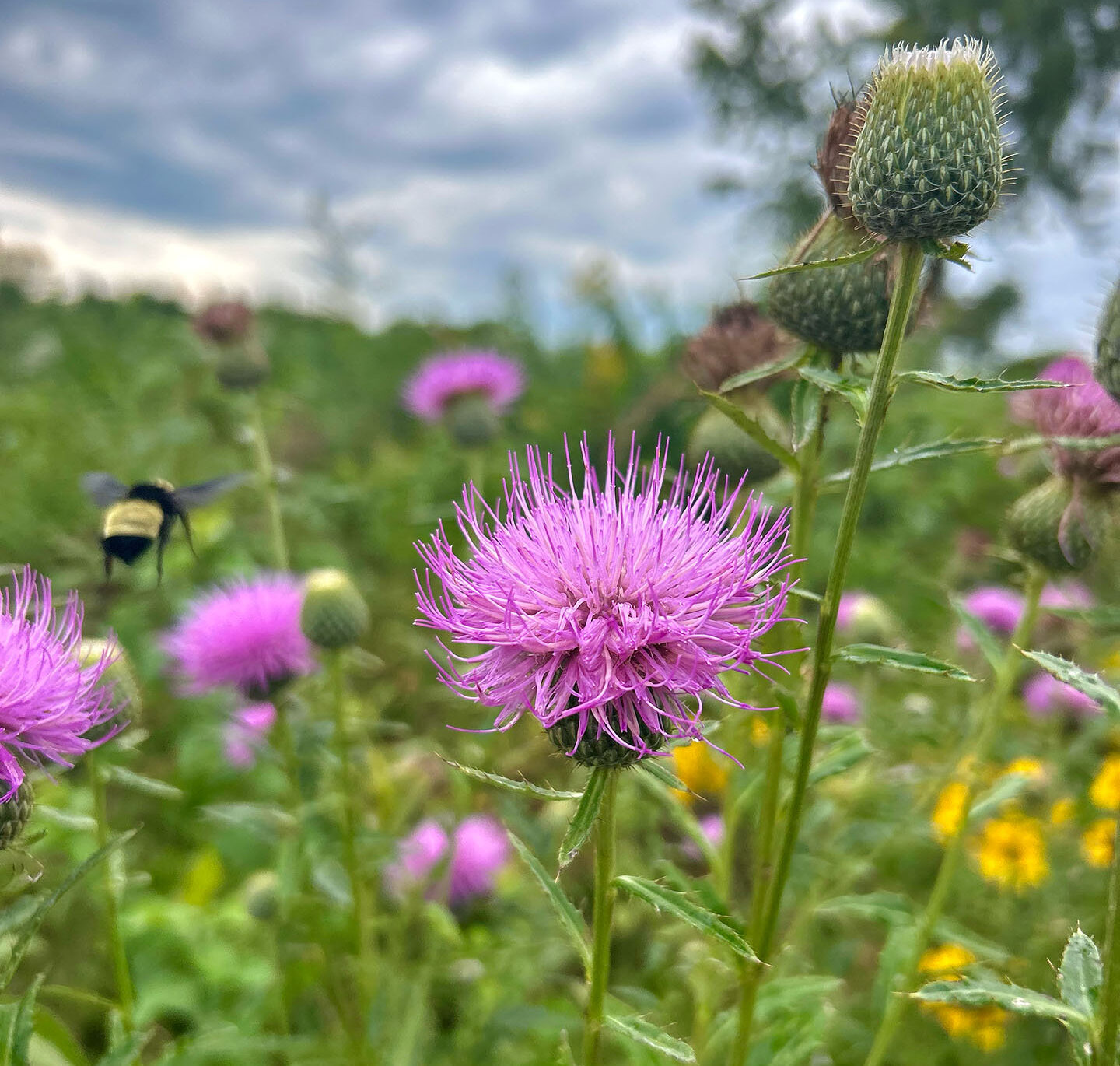
In Caring for Our Kin: Stories of Indigenous Environmental Stewardship, the College Fund shares the stories of Indigenous environmental leaders who are centering kinship and relational knowledge to build healthy ecological systems. These stories remind us that caring for the Earth means caring for one another—and that Indigenous knowledge systems continue to offer guidance, resilience, and hope for the future.
Learn more about our Environmental Stewardship Program.
Ekvnv Vcayecet. Mvto!
(Take care of the Earth/Land. Thank you)
More Blogs
Navajo Technical University’s Commencement Provides Glimpse Into the Future
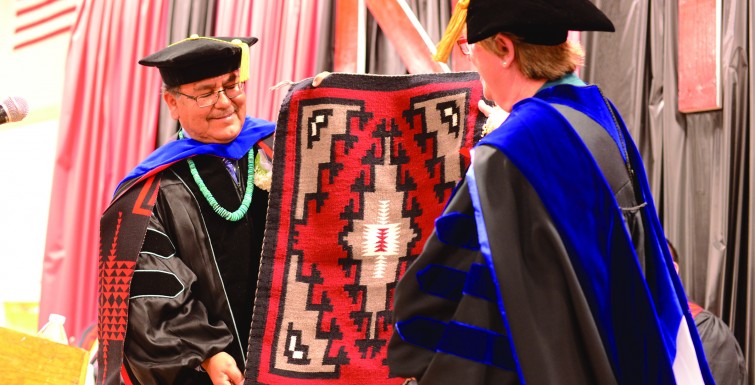
NTU granted seven baccalaureate degrees at its Fall 2015 Commencement, one in Industrial Engineering and six in Early Childhood Multicultural Education. Pictured from right to left includes graduates: Angelita Darwin, Ramara Begay, Diana Hosteen, Anita Jones-Pouncy, Valerita Nez, Vernita VanWinkle-Sorrell and Fayetta Clawson.
Wal-Mart Foundation Tribal College Scholarship Gives Students Personal and Professional Development Opportunities
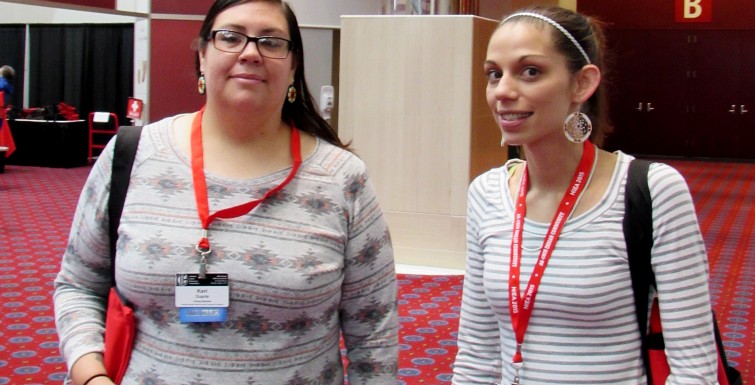
Katie, a Minnesota Chippewa student at Bay Mills Community College in Michigan, and Keri, a member of the Cheyenne River Sioux tribe studying at Oglala Lakota College in South Dakota, are both American Indian College Fund scholars who had the opportunity to network and learn more about educational and career opportunities through a partnership with the College Fund and the Wal-Mart Foundation.
Tribal Colleges Are Role Models for Diversity
The nation’s universities look to tribal colleges and other minority-serving institutions for guidance on diversity and providing an inclusive environment for student success. The American Indian College Fund’s Tarajean Yazzie Mintz, Senior Program Officer, offers insight into ways schools can pave the way for a harmonious transition to college life and academic success.
BBB Names College Fund a Top Charity
At the American Indian College Fund we know there are many charities and causes that are deserving of your support. As part of a campaign to encourage donors to give wisely, the Better Business Bureau’s Wise Giving Alliance (BBB WGA) evaluates national charities against comprehensive standards. The BBB WGA also runs an advertisement in USA Today listing approximately 1,300 nationally soliciting charities it features as part of its Wise Giving Alliance, in which the College Fund is included.
College Fund Transforms Early Childhood Education with W.K. Kellogg Foundation Grant
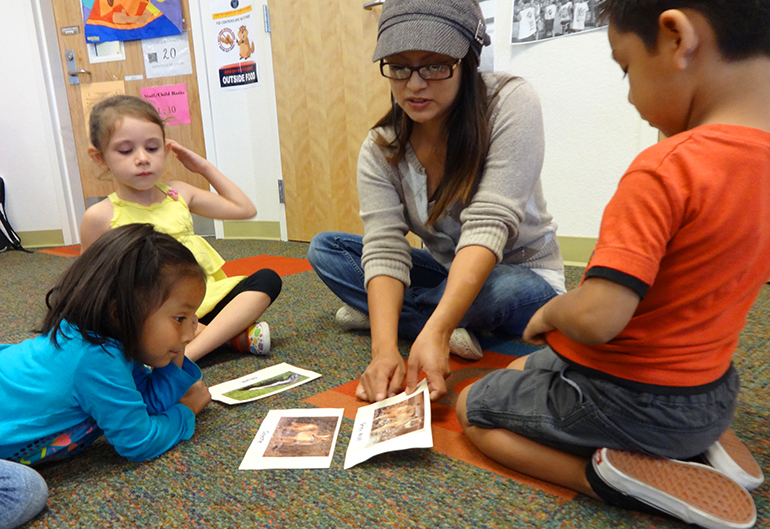
With the help of the W.K. Kellogg Foundation five years ago, the American Indian College Fund launched its Sacred Little Ones early childhood education program at four tribal colleges. The program aimed to improve Native children’s school readiness and create a platform for their academic success by third grade.
College Fund Presents Findings: Community Early Childhood Learning Benefits Native Students
Involving families and community members in the development of culturally relevant education programs for their early-childhood aged children improves their skills and academic readiness, according to a five-year program conducted by the American Indian College Fund (the College Fund). The findings have relevance for children in underserved communities nationwide.
College Fund to Present Social, Cultural Impact of Tribal Colleges at Anthropological Meeting
Denver-based American Indian College Fund will present a session on the community and socio-cultural return on investment that tribal colleges and universities bring to their communities at the American Anthropological Association Annual Meeting November 18 at the Colorado Convention Center in Denver, Colorado.
Chicago, Minneapolis Events to Help Increase Number of American Indian College Students
One percent of American Indian students are in college today, and only 13% today have a college degree—half of the national average—making them the most underserved group in America. The American Indian College Fund is hosting events in Chicago and Minneapolis to show how you can help Native scholars can overcome the odds to get a college degree.
College Fund Scholarship Expert Addresses Native Student Challenges
National scholarship providers are often unaware of the special challenges American Indian students face when entering college. Tiffany Gusbeth, a member of the Northern Cheyenne tribe and a Program Manager for the Full Circle Scholarships program at the American Indian College Fund, spoke at the National Scholarships Providers Association annual meeting in Charleston, South Carolina in October, providing an inside view about those challenges and tips and tools to help them succeed.
Helping Native Youth Succeed With Culturally Responsive Education
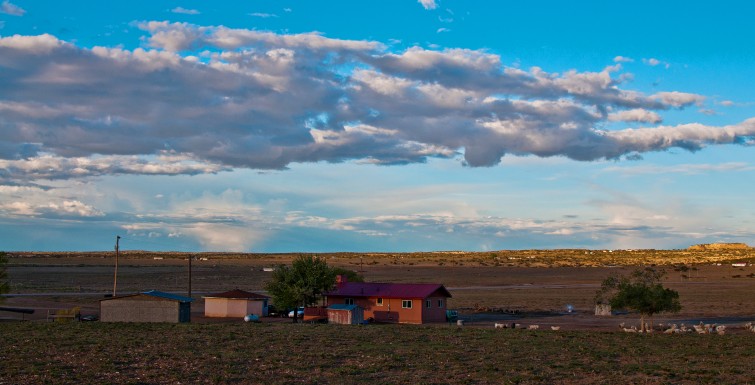
Living conditions on American Indian reservations and in Alaska Native villages are often compared to those in third world countries. Substandard housing, limited access to health care, struggling schools, high unemployment and heavy reliance on social welfare systems have created a dangerous environment for Native youth.