The backbone of a community-based program is taking into account the community’s needs. This happens by listening to people in the community who you hope to serve with your programming.
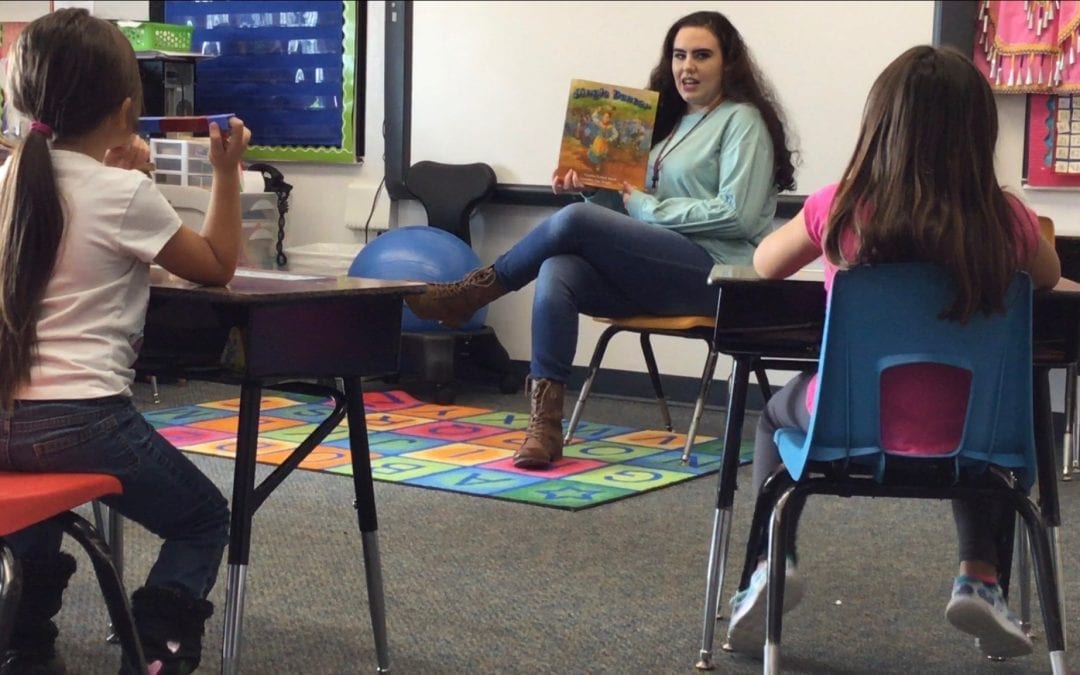
The backbone of a community-based program is taking into account the community’s needs. This happens by listening to people in the community who you hope to serve with your programming.
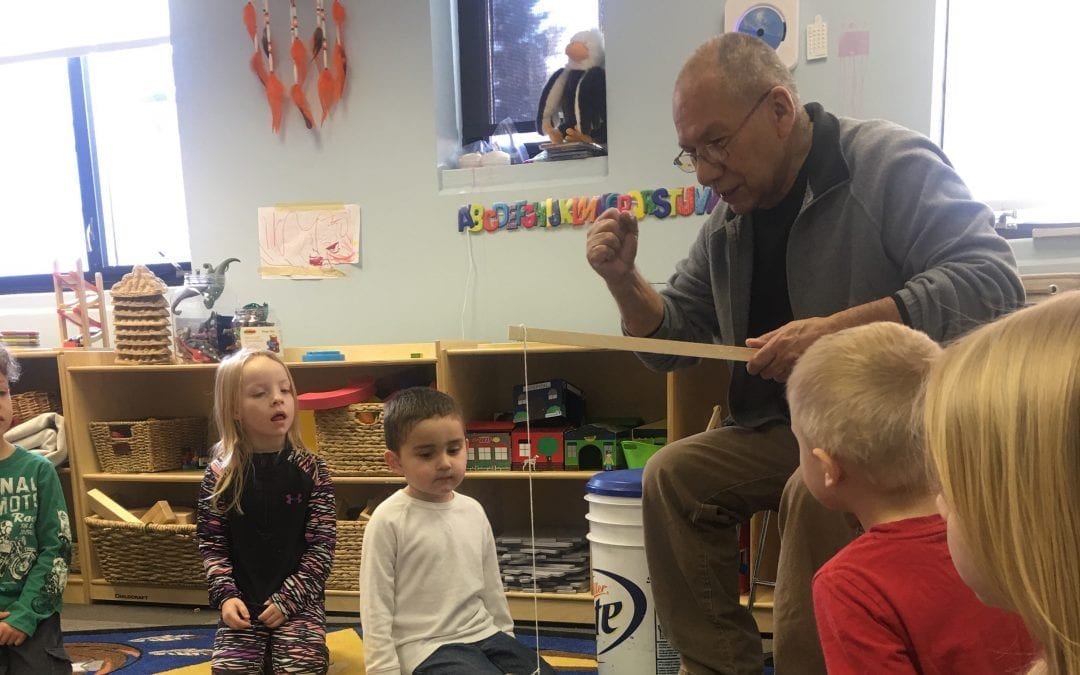
In early November, the Salish Sea Research Center team from Northwest Indian College visited our Early Learning Center classrooms. Our students were excited to see what they had brought because the scientists arrived with a mysterious, big, red ice chest. The children called it “a treasure chest of sea creatures!”
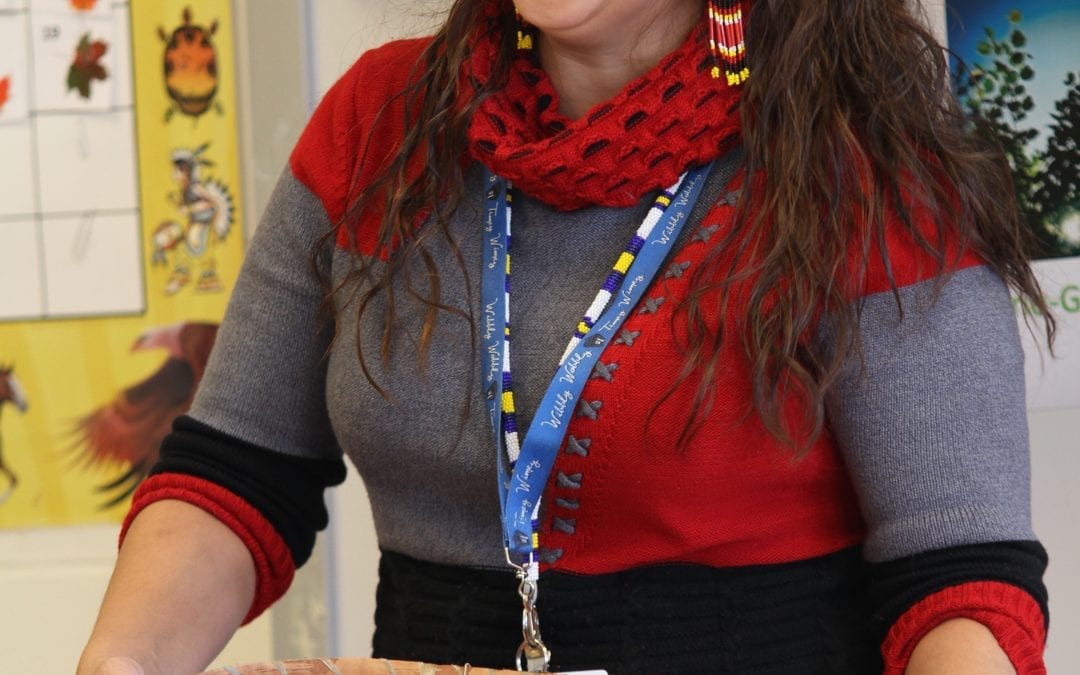
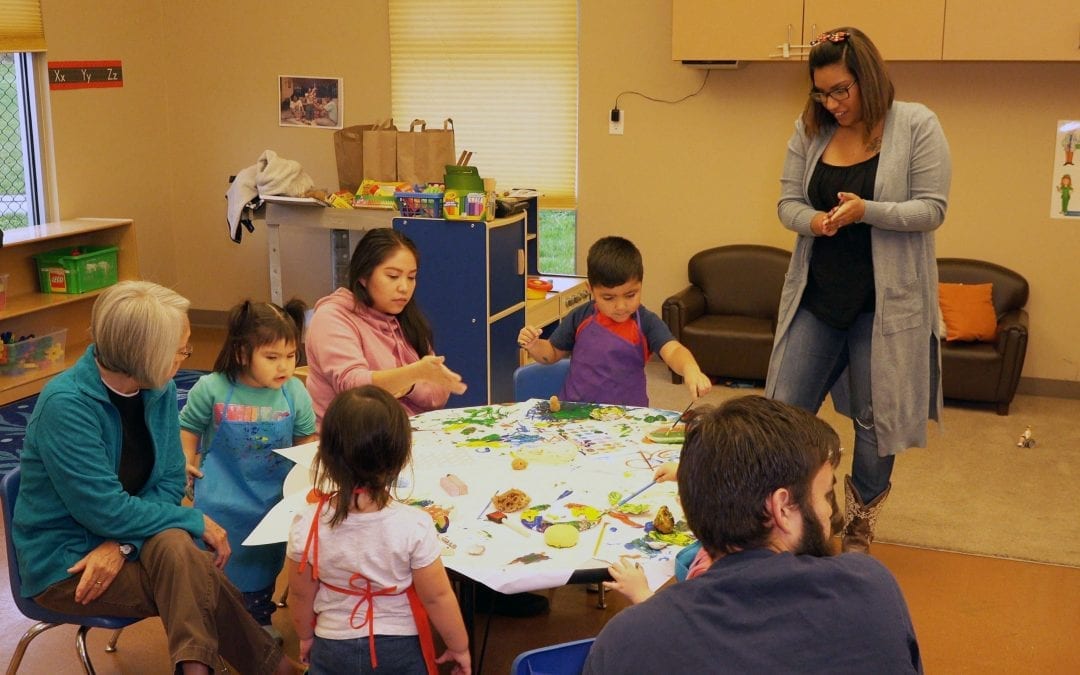
Fond du Lac Tribal and Community College (FDLTCC) is excited to be able to do just that by involving the community and families in our Early Childhood Education Program with early learners, helping us all to become a stronger, vibrant voice with Anishinaabe ways of knowing.
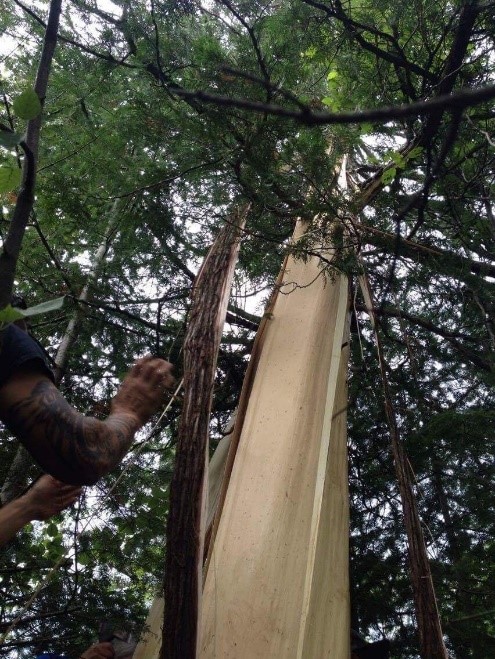
In the fall of 2017, Fond du Lac Tribal and Community College (FDLTCC) hosted a series of traditional Native Arts workshops that relied heavily on the surrounding environment for source materials to help produce a woven cedar mat. Using local resources and materials to create and revitalize traditional Native art forms is the essence of place-based education in the arts.
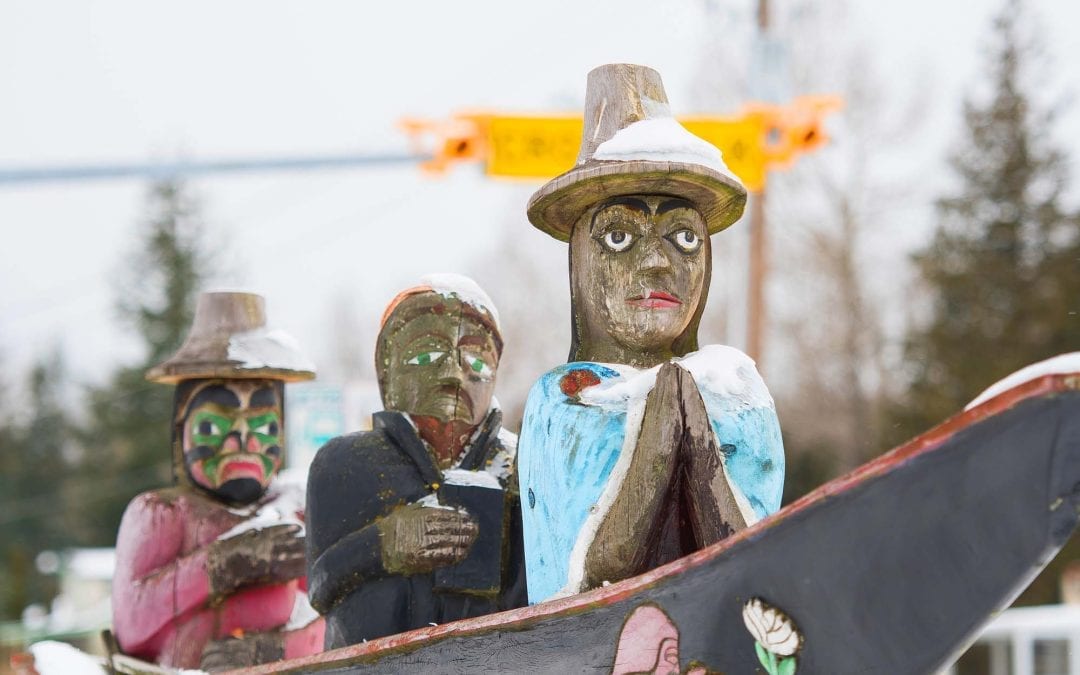
A child dips her feet in Wheatfields Lake on the Navajo Reservation at sunrise and wonders what lies beneath. A young boy walks through the forests of Menominee Nation, shaded by tall green trees, surrounded by the stories and history of this sacred environmental wonder.
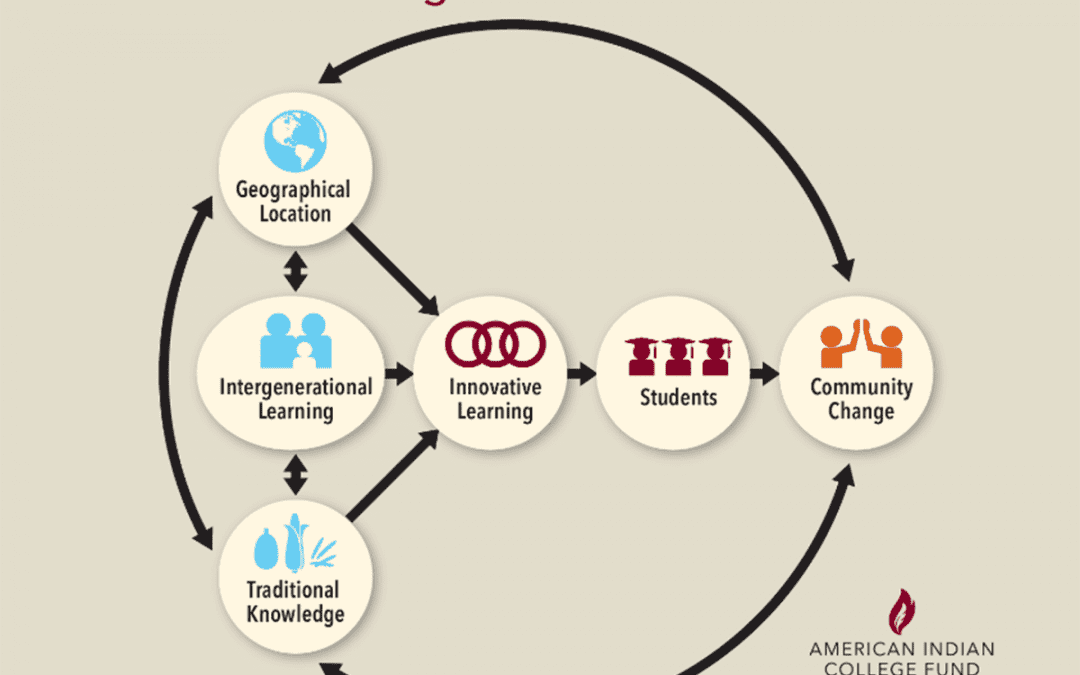
This is a collaborative series developed by the College Fund’s Environmental Sustainability, Native Arts and Early Childhood Education program initiatives. This is the first blog of a six-part series focused on place-based education.
I have always been interested in art and design since I was a young girl in high school. In fact, I dreamed of my career being in the realm of interior design. Initially, it did not feel like I ended up in that realm, but experience and my perspective has changed throughout the years.
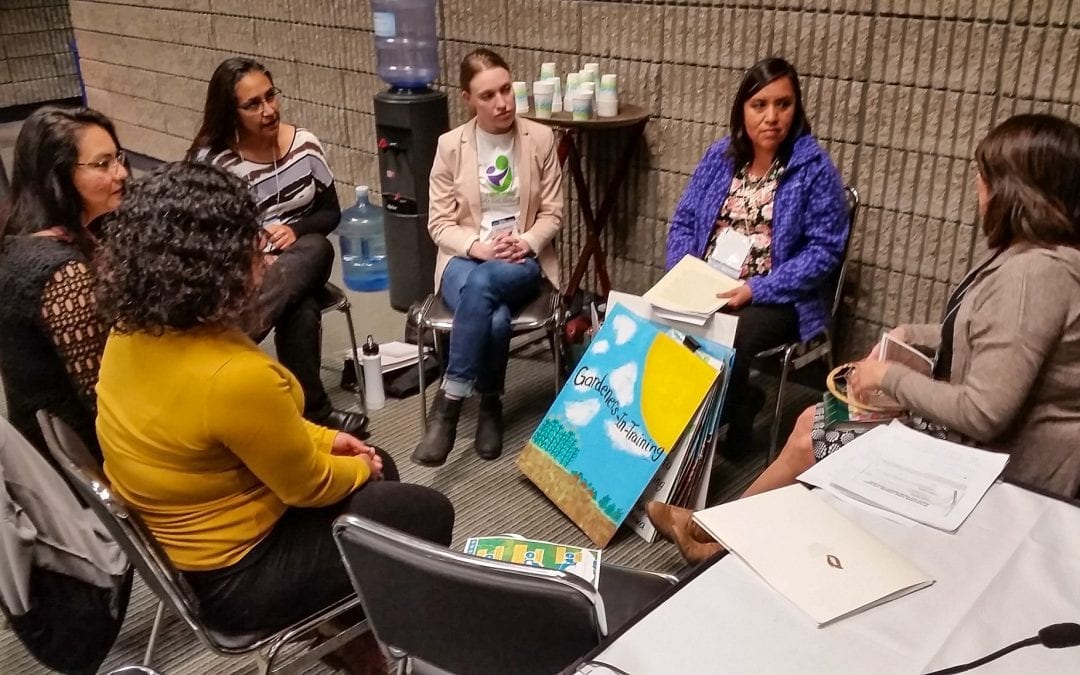
Conferences can be a great place for early childhood educators, families, teachers in training, and researchers working with indigenous young children. They are a place to gather ideas and build professional development for use in the classroom.
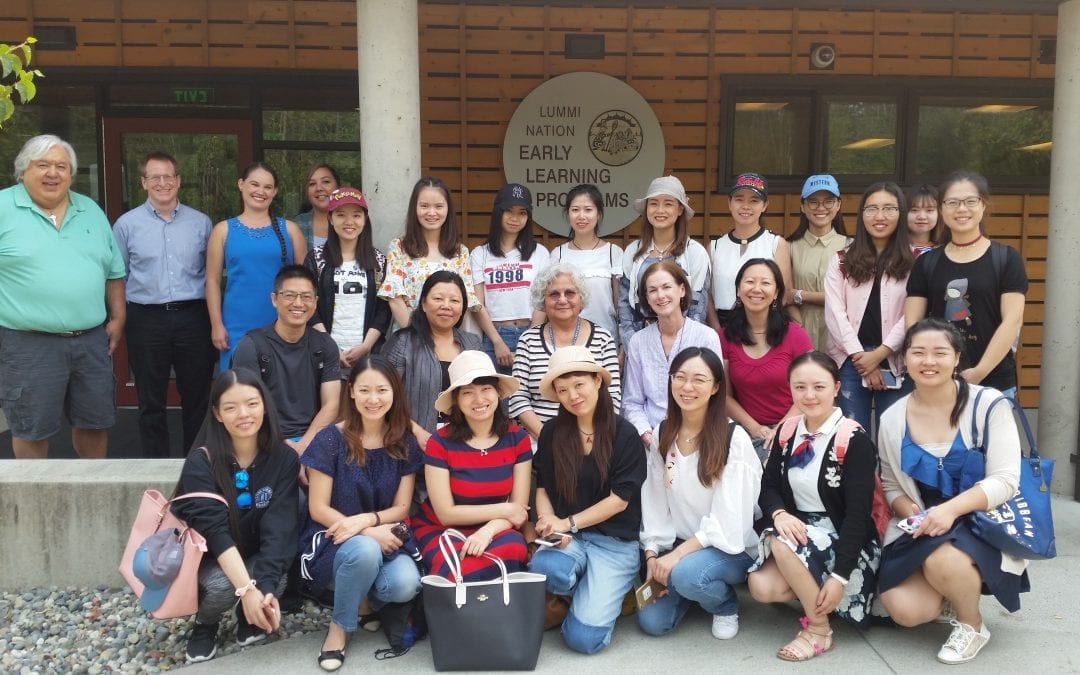
Northwest Indian College’s (NWIC) Early Childhood Education (ECE) degree program and Restorative Teachings Initiative hosted 20 visitors from Southwest University in Chongqing, China, which included ECE faculty and teacher candidates from Southwest University and practicing teachers from their partnering ECE programs.
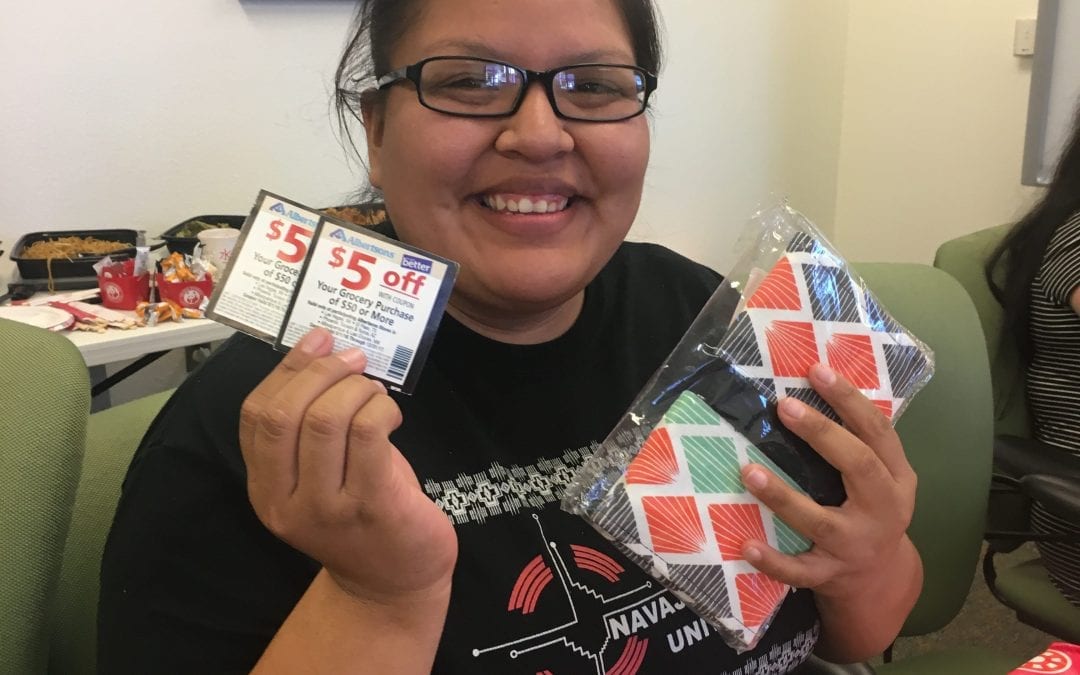
During brainstorming sessions and meetings as part of SIPI’s Restorative Teachings Initiative, parents of children in the program identified couponing as a strategy to support budgeting and financial stability within their families. A major goal of SIPI’s initiative is to support Native families through educational opportunities that build their capacity to become increasingly financially stable