Conferences can be a great place for early childhood educators, families, teachers in training, and researchers working with indigenous young children. They are a place to gather ideas and build professional development for use in the classroom.
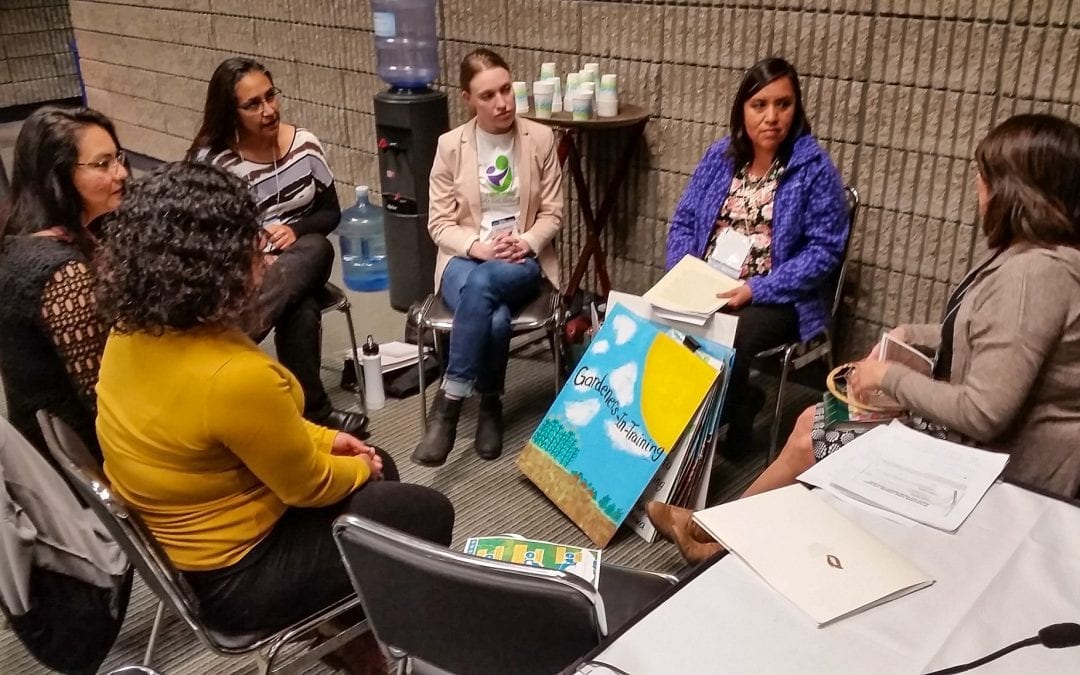
Conferences can be a great place for early childhood educators, families, teachers in training, and researchers working with indigenous young children. They are a place to gather ideas and build professional development for use in the classroom.
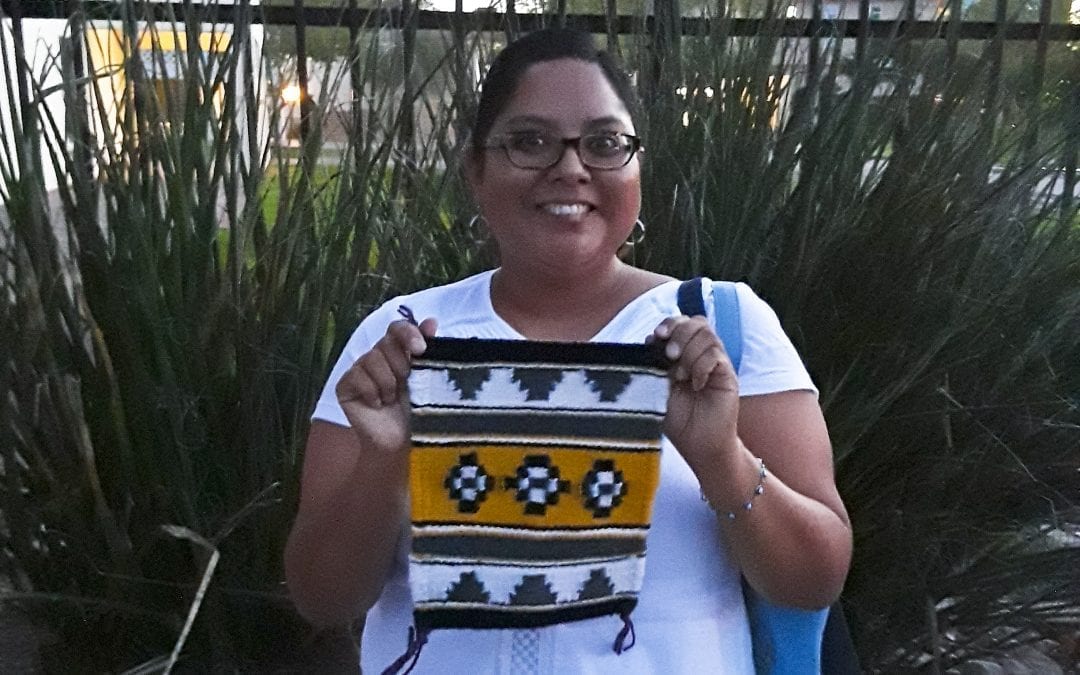
Bridget Skenadore, Project Officer of Native Arts and Culture at the American Indian College Fund, had the opportunity to participate in the Heard Museum’s Navajo rug weaving workshop in November 2017. In her job capacity she has had the opportunity to learn about Traditional Native Art forms from the upper-Midwest and with this opportunity from the Heard Museum she was able to learn about a Traditional Native Art form from her culture.
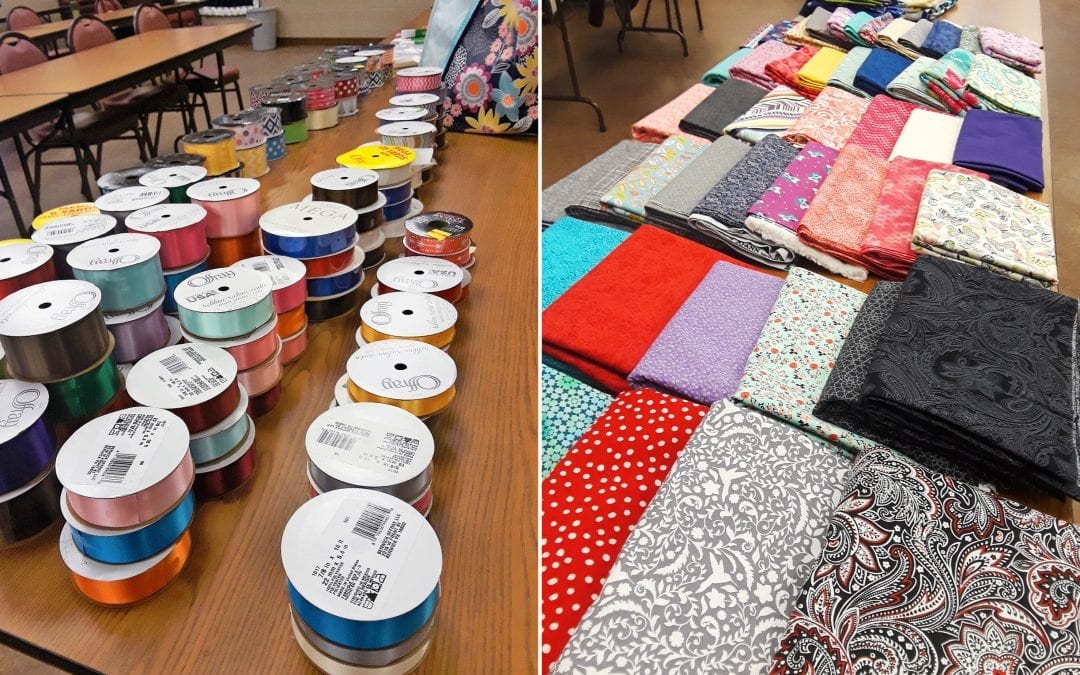
This weekend, Denise McKay, a Tribal Elder from Fort Yates, North Dakota, brought me to a point in my life that inspired me to look differently at life and my surroundings. Listening to her stories, how she spoke about her mother with love, how she cradled everything that was taught to her, and how she spreads her knowledge to anyone who wants to learn put such a joy in my heart and my soul, I felt as if I would burst when I told my family.
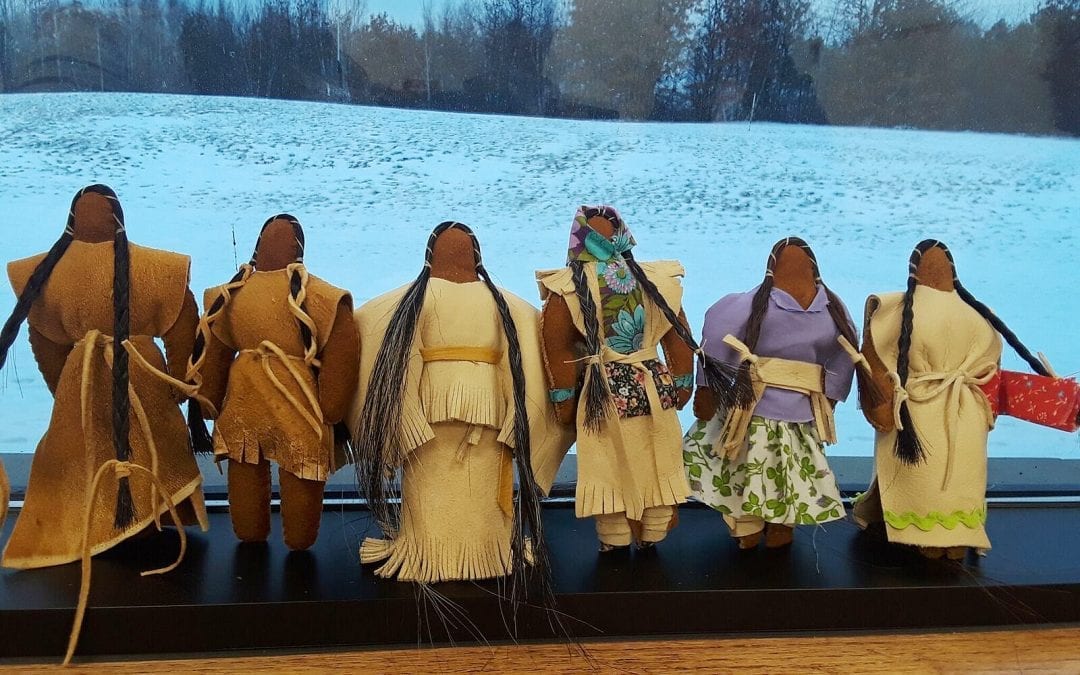
The American Indian College Fund is proud to offer a cross-collaboration learning opportunity through the Restoration and Preservation of Traditional Native Arts and Knowledge Grant. Tribal Colleges and Universities (TCUs) program administrators of the Traditional Native Arts grant will have the opportunity to learn, observe and exchange ideas from each other through the “Sister Site Visit” program.
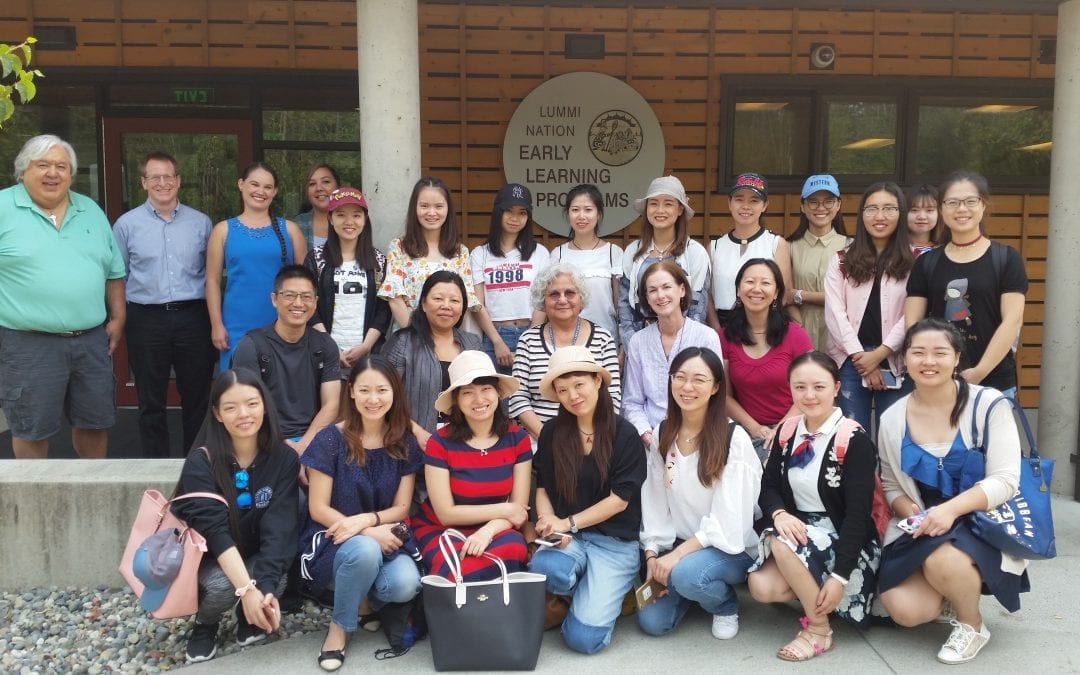
Northwest Indian College’s (NWIC) Early Childhood Education (ECE) degree program and Restorative Teachings Initiative hosted 20 visitors from Southwest University in Chongqing, China, which included ECE faculty and teacher candidates from Southwest University and practicing teachers from their partnering ECE programs.
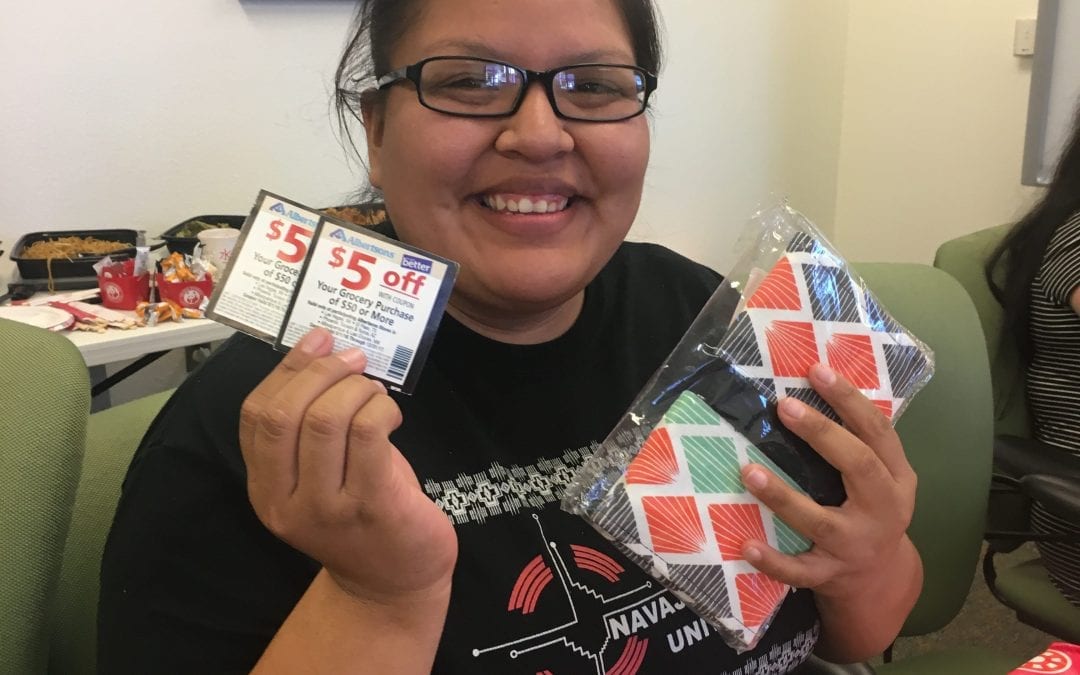
During brainstorming sessions and meetings as part of SIPI’s Restorative Teachings Initiative, parents of children in the program identified couponing as a strategy to support budgeting and financial stability within their families. A major goal of SIPI’s initiative is to support Native families through educational opportunities that build their capacity to become increasingly financially stable
Groundwater contamination, erosion, lack of access to healthy foods, and poor air quality are just some of the environmental concerns facing American Indian communities across the United States. Yet indigenous people have long held specialized knowledge that can lead to unique solutions to these challenges.
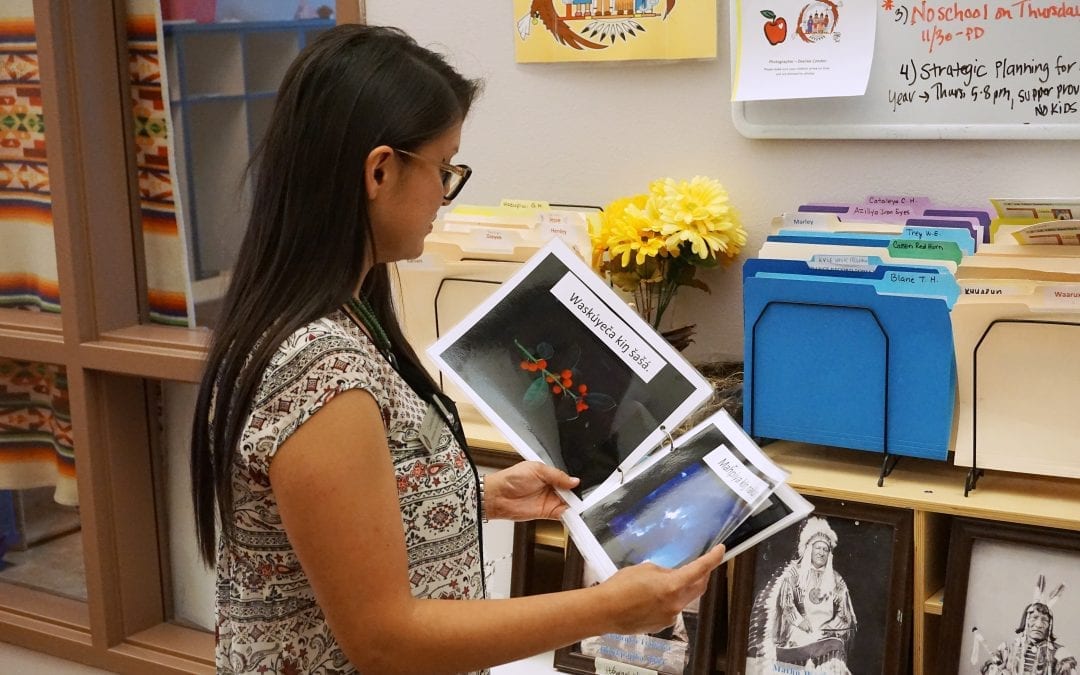
Cassandra Harden (Diné) was focused on a career in early childhood education when she first learned about internship opportunities with the American Indian College Fund (College Fund). While she studied as a student at tribal college Southwestern Indian Polytechnic Institute (SIPI) in Albuquerque, New Mexico. Cassandra got involved in SIPI’s early childhood program, working on the College Fund’s Wakanyeja “Sacred Little Ones” and Ké’ Early Childhood Initiatives, as a student intern.
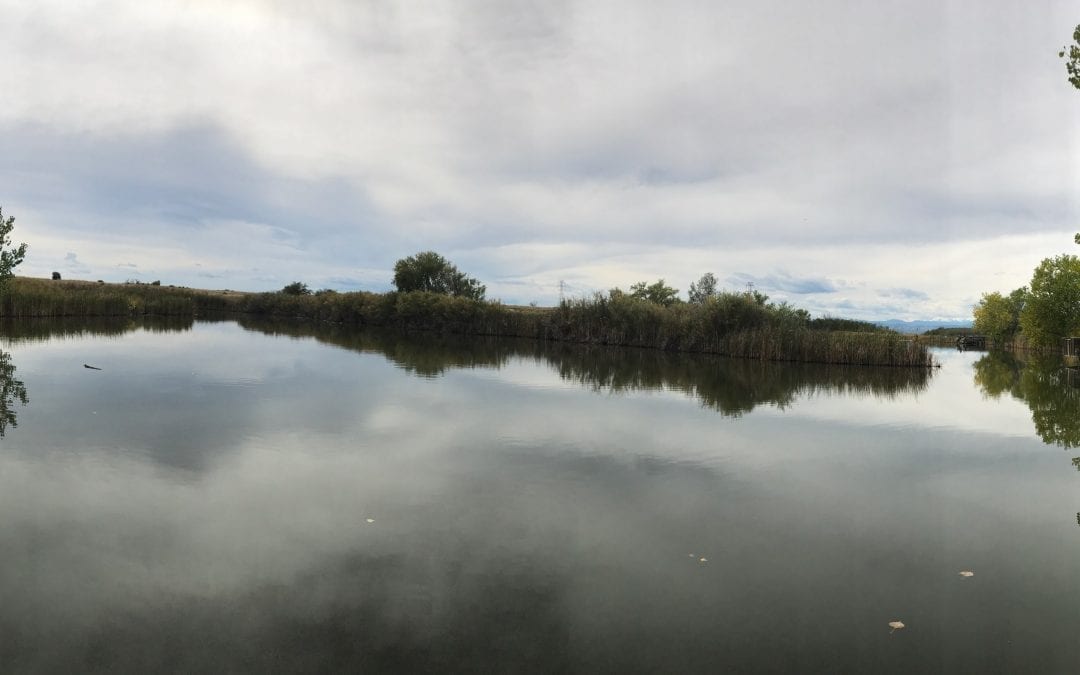
I recently wondered why being an environmentalist exists in a space we have to fight for, and why our individual and collective responsibility to uphold and respect relationships to place becomes the work of so few. Is it because we have partitioned our ways of thinking about relationships or is it because we are struggling to know that we are related?

The Indigenous Visionaries initiative builds upon the American Indian College Fund’s previous work for a number of years developing Native women leaders, through education, mentoring, and networking. Indigenous Visionaries focuses on connecting students at tribal colleges and universities (TCUs) with faculty members in their area of study.