Blog Blogs

Browse by Category

Native Higher Ed. Professionals and Students Earn Top Awards from the College Fund and Adolph Coors Foundation

Native Higher Ed. Professionals and Students Earn Top Awards from the College Fund and Adolph Coors Foundation

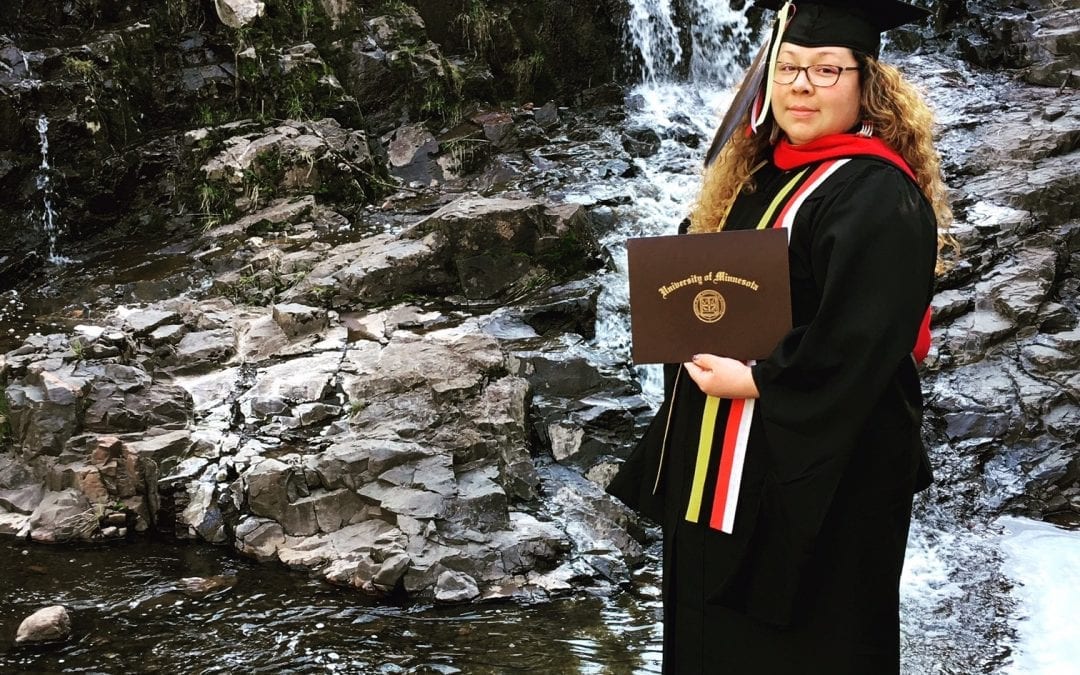
The American Indian College Fund honored 34 American Indian tribal college students of the year, tribal college president Dr. Laurel Vermillion, and U.S. Department of Education employee John Gritts on March 19 at the 2017 Student of the Year and Coca Cola Award Banquet in Rapid City, South Dakota in conjunction with the American Indian Higher Education Consortium Spring Student Conference.

American Indian College Fund Honors Two Leaders in Native Higher Education

American Indian College Fund Honors Two Leaders in Native Higher Education

The College Fund named Dr. Laurel Vermillion, President of Sitting Bull College in Fort Yates, North Dakota and a member of the Standing Rock Sioux Nation, the 2017 American Indian College Fund TCU Honoree of the Year. This honor recognizes a distinguished individual who has made a positive and lasting impact on the tribal college movement.

Connections That Create Health, Wellness and Security

Connections That Create Health, Wellness and Security

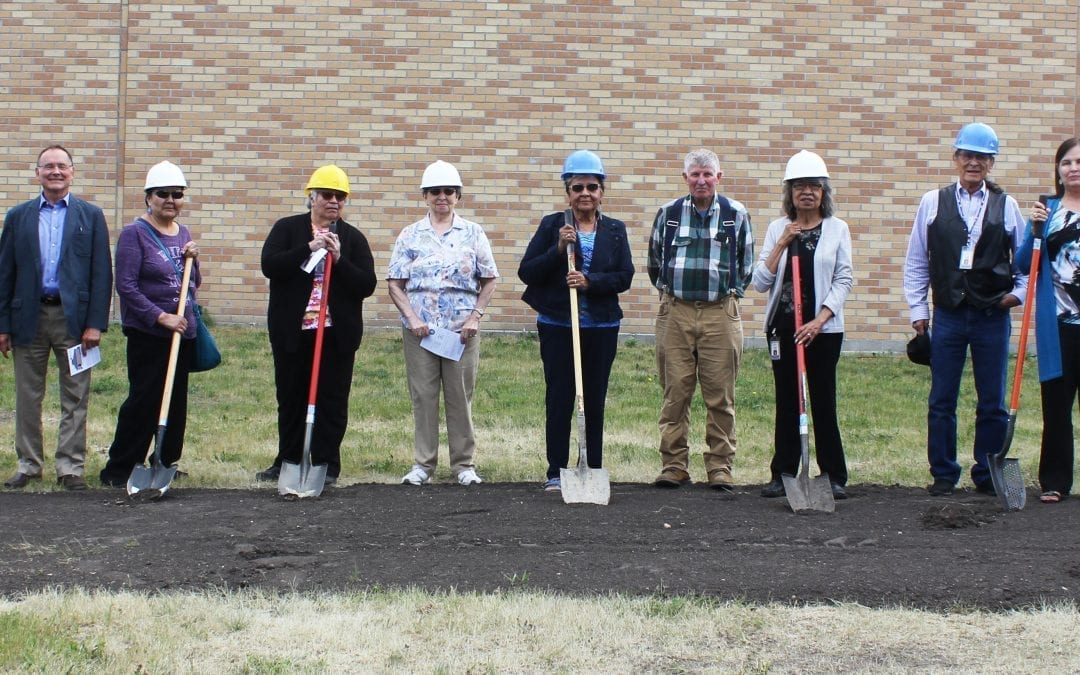
At the heart of Iḷisaġvik College’s Restorative Teachings project is the desire to nurture and support meaningful connections between early childhood students, their families, and the community as a whole. It is through these connections that knowledge of language and culture, love, respect, and compassion are passed from one generation to the next.

Achieving the Dream – Developing Data Capacity to Increase Success

Achieving the Dream – Developing Data Capacity to Increase Success

The Achieving the Dream (ATD) program helps networking colleges to improve student success by providing a menu of services to its colleges, including technical assistance, leadership, data coaching, and more. In addition, ATD hosts an annual DREAM conference where more than 2,000 leaders from 200 community colleges across the country gather.

Fellows Contribute to Sustainable Environment and Contribute to Communities

Fellows Contribute to Sustainable Environment and Contribute to Communities

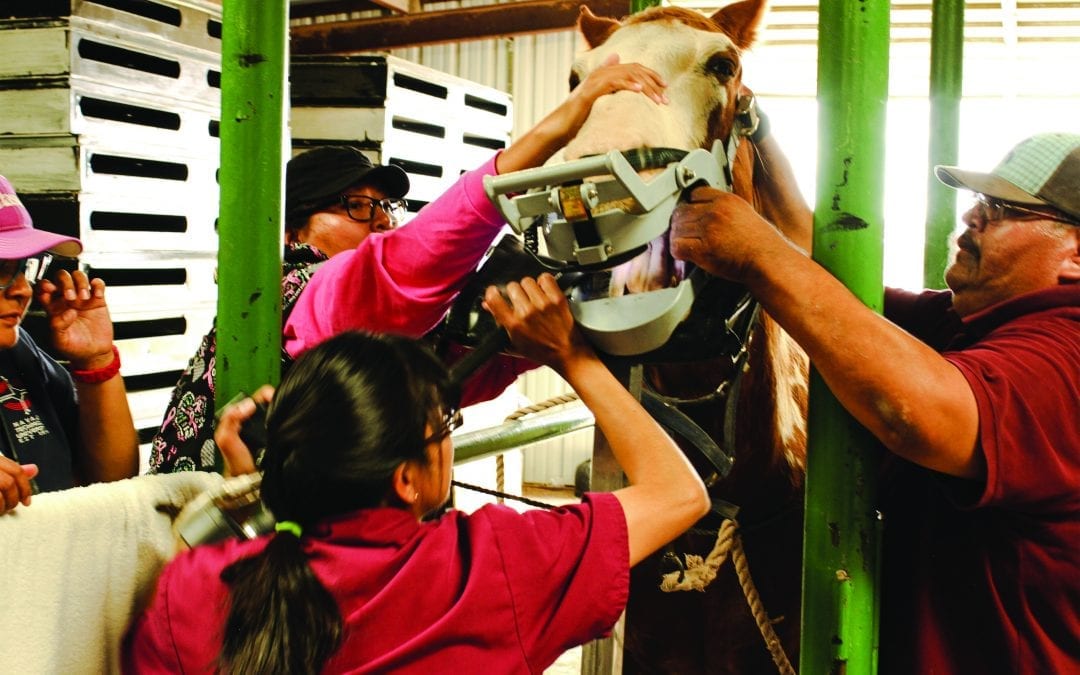
The fellowship’s goal is to promote environmental sustainability in tribal communities that leads to systemic change. The research component of the fellowship is designed to create research projects that are meaningful and relevant to the students’ tribal communities by improving community environments and the health of tribal people. By educating tribal communities about environmental issues and working together as a community, tribal communities can build and utilize better land and resource management systems.

BIMAADIZIWIN: “A Healthy Way of Life” Through Family Fun Night

BIMAADIZIWIN: “A Healthy Way of Life” Through Family Fun Night

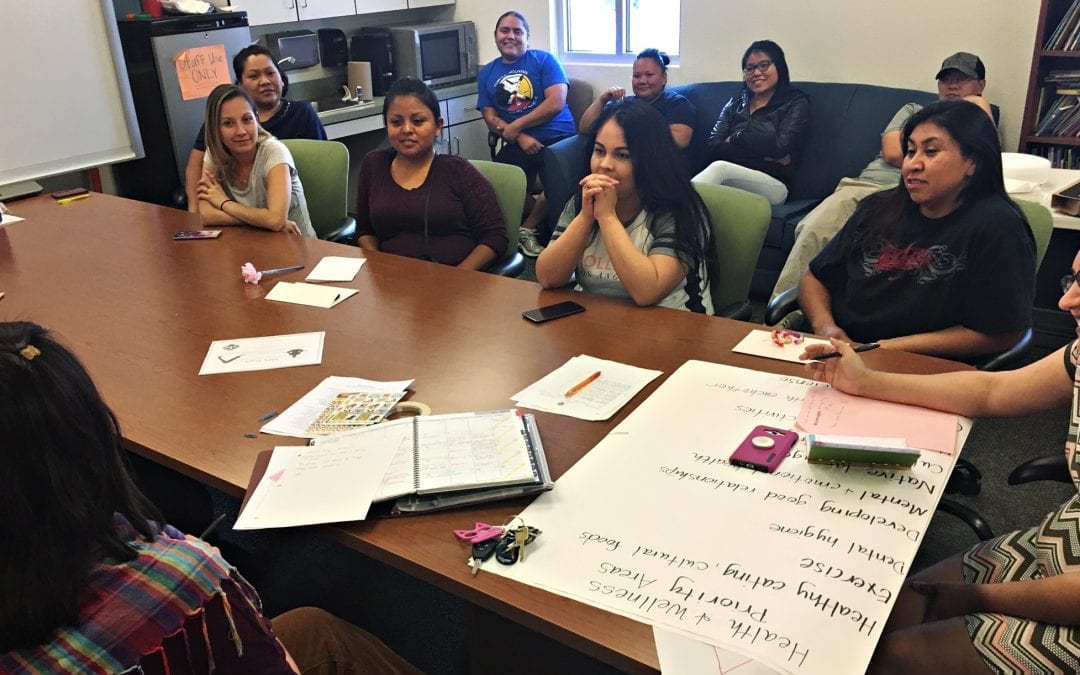
At Keweenaw Bay Ojibwa Community College (KBOCC) traditional Ojibwe teachings which  portray the family as a part of the framework that honors the individual and the collective groups to which the individual belongs. Throughout the year, Migiziinsag (Little Eagles), an early childhood program for four-year-old children, engages by incorporating aspects of indigenous early learning, Anishinaabe language, cultural ceremonies, nutrition and physical activities. The “Family Fun Event Planning Framework” embraces four areas:

Guide for Educators First To Feature Tribal College Professionals’ Work

Guide for Educators First To Feature Tribal College Professionals’ Work

A higher education is a tool for a better life. But for education to also be a portal for social change in Native communities, a one-size-fits-all approach is not sufficient. A new guide for educators titled Teacher Education Across Minority-Serving Institutions: Programs, Policies, and Social Justice, edited by Emery Petchauuer and Lynnette Mawhinney (Rutgers University Press, 2017) shares successful teaching practices and teacher education programs from minority-serving institutions (MSIs) across the country.

Are Tribal Colleges A Product of School Choice or Segregation?

Are Tribal Colleges A Product of School Choice or Segregation?

Are tribal colleges and universities (TCUs) the result of de facto segregation? Currently in higher education there is considerable discussion about the value and challenges faced by our Nation’s historically black college and universities (HBCUs). While this debate rightly belongs squarely in all discussions about access and affordability and value of higher education, it neglects the experiences of American Indian and Alaska Native students and the colleges and universities that have emerged to serve them in a similar fashion.