Why Create a Résumé? You must create a résumé to apply for a job. This document is crucial to landing an interview (and should be perfect before sending to a potential employer).
Why Create a Résumé? You must create a résumé to apply for a job. This document is crucial to landing an interview (and should be perfect before sending to a potential employer).
You will often be asked to provide professional letters of recommendation or a list of people to be contacted in the future by the prospective employer. These individuals should be able to testify to your skills, achievements, character, and more.
Writing a thank-you letter after a job interview will help you stand out from other candidates. Use the following guidelines to confirm your interest in the position after your interview:
The interview is your opportunity to show a potential employer how great it would be to have you on their team. Use these tips and resources to create a successful experience.
Remember the interview is the employer’s opportunity to assess your fit for a position and the organization as a whole.

Professional etiquette is not just knowing what to discuss during a business dinner or how to address colleagues; it is a way of presenting yourself in such a way that you will be taken seriously. You must be aware of how your actions, small or large, impact others’ opinions of you. Understand and practice appropriate behavior to impress others that may lead into promotions and, possibly, a job.
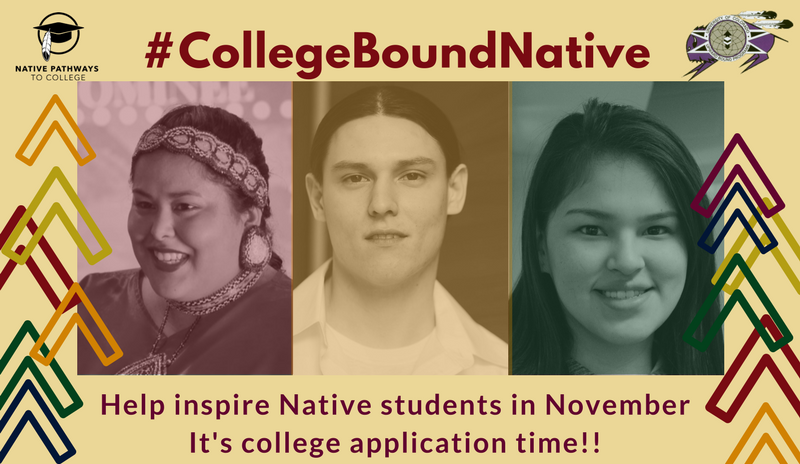
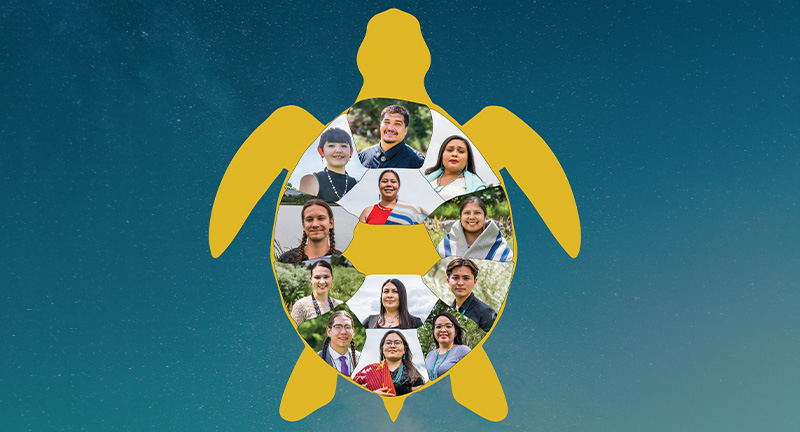
The #CollegeBoundNative Campaign encourages high school seniors to apply for college. Native Americans are the least likely of any group to go to college. But college is essential to many careers, which require a certificate, associate or bachelor’s degree. The American Indian College Fund is setting out to change that statistic—and the future of Native students—through a campaign to get more Native high school seniors to apply for college.
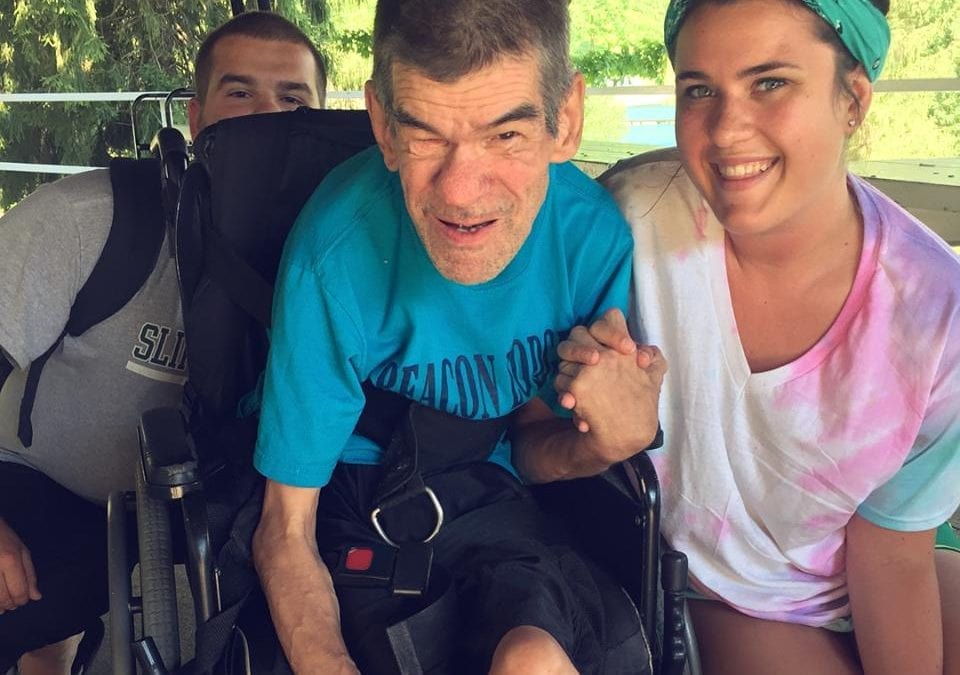
Cara Paolicelli, right, worked with counselors from across the globe, who volunteered their time to help those with special needs. My name is Cara Paolicelli and I am a rising senior at the University of North Carolina Wilmington. I am grateful that I’ve been able to continue my education in recreational therapy for the disabled thanks to my family, and the American Indian College Fund.
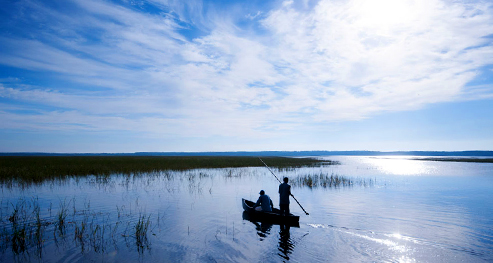
When WalletHub announced its rankings of the best community colleges across the nation, many Americans may have been unfamiliar with its first-place choice, Leech Lake Tribal College (LLTC). Tucked away in northern Minnesota on the Leech Lake Ojibwe Indian reservation, LLTC’s recent ranking is part of a long history of success. The college was also voted as seventh in a list of the nation’s 50 best community colleges in 2010 by Washington Monthly.
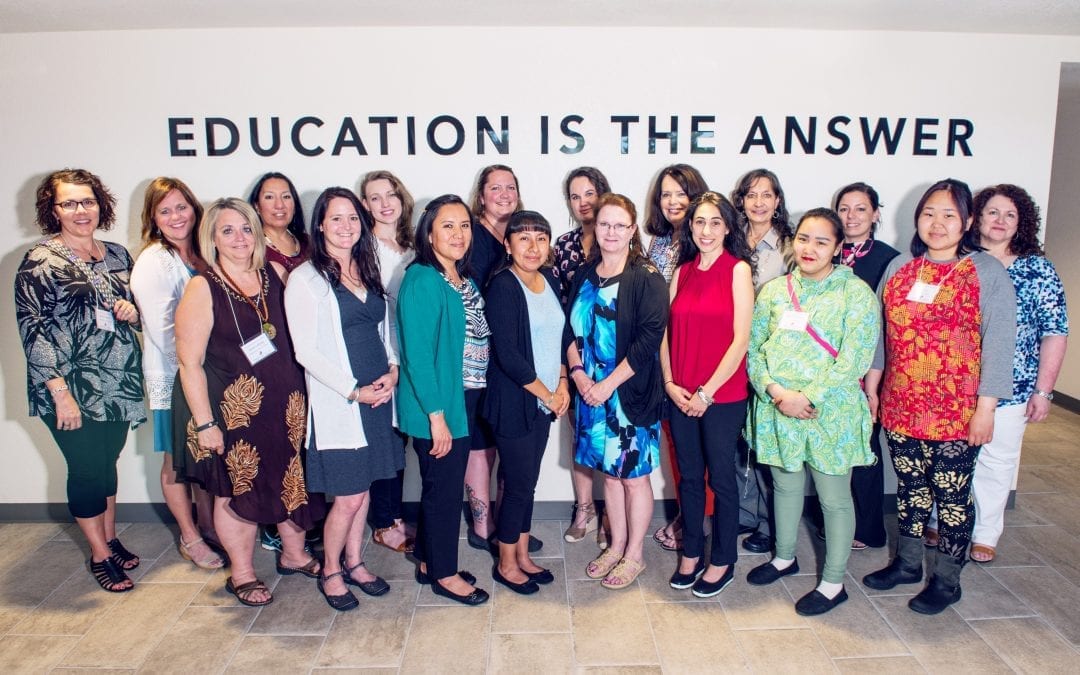
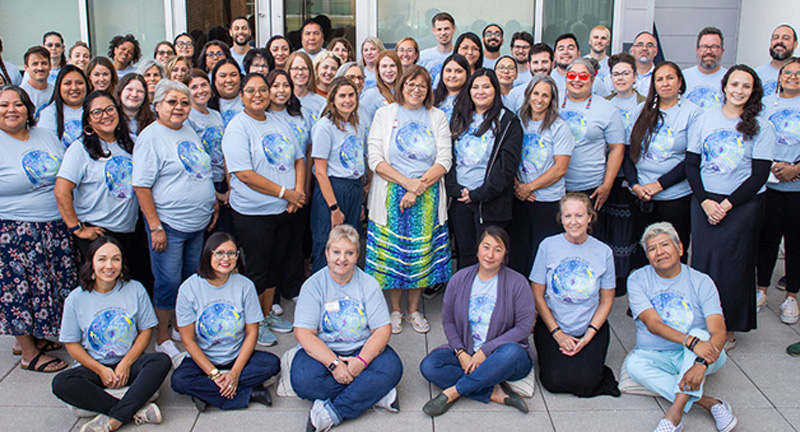
As we do more, we have to train others to take on more. These were the opening words of Tarajean Yazzie-Mintz, Vice President of Program Initiatives and Director of Early Childhood Education Initiatives at the American Indian College Fund’s 2017 Restorative Teachings Early Childhood Education convene in Denver, Colorado.
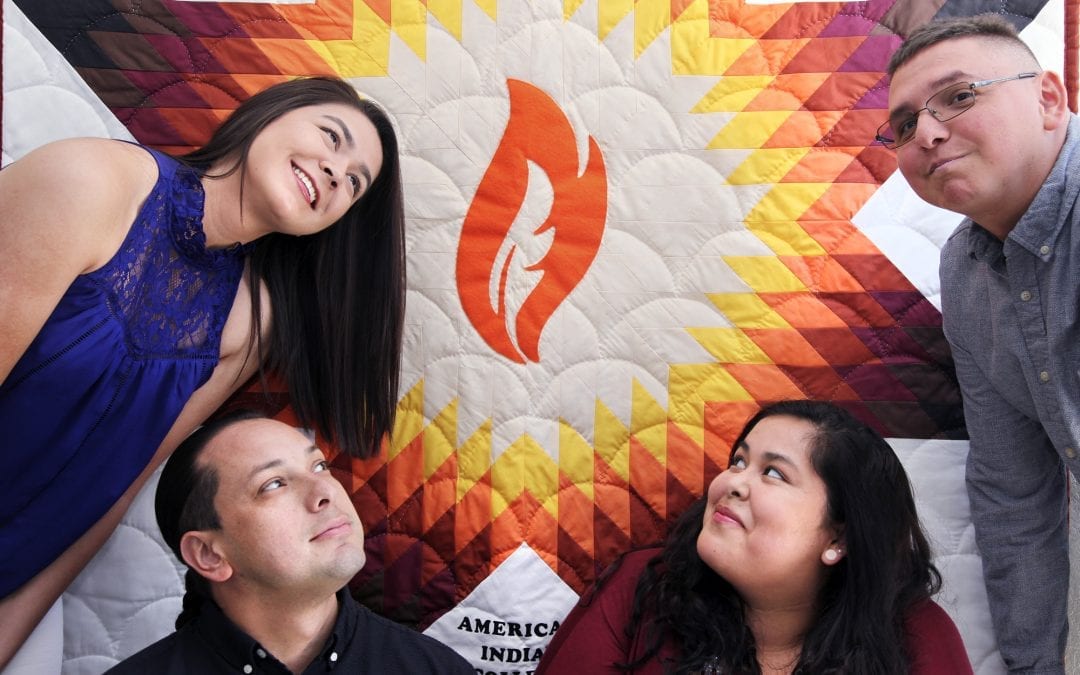
Pōsōh, māwaw new weyak, Corryn Besaw newīhswan mesek Wāqnemōhsaeh eneg, āēkaeyan, mamāceqtaw newīhswan. Hello everyone, my name is Corryn Besaw. My Indian name is Wāqnemōhsaeh, meaning Firefly. I am from Keshena, Wisconsin and am an enrolled member of the Menominee tribe.