Environmental Stewardship
Uplifting the Next Generation of Land Stewards and Water Protectors
Strengthening environmental science opportunities for students.
The Environmental Stewardship Program supports Tribal Colleges and Universities in protecting and restoring Indigenous homelands, including the land, waters, buffalo, and ecosystems vital to Tribal lifeways. This program advances environmental education, community-based research, and culturally grounded stewardship that honors Indigenous intergenerational knowledge transfer to future generations.
Environmental Stewardship TCU Programs and Partners
- Interested in becoming:
- a land steward?
- a water protector?
- a buffalo caretaker?
- a traditional food systems supporter?
Learn more about the environmental programs offered by TCUs!
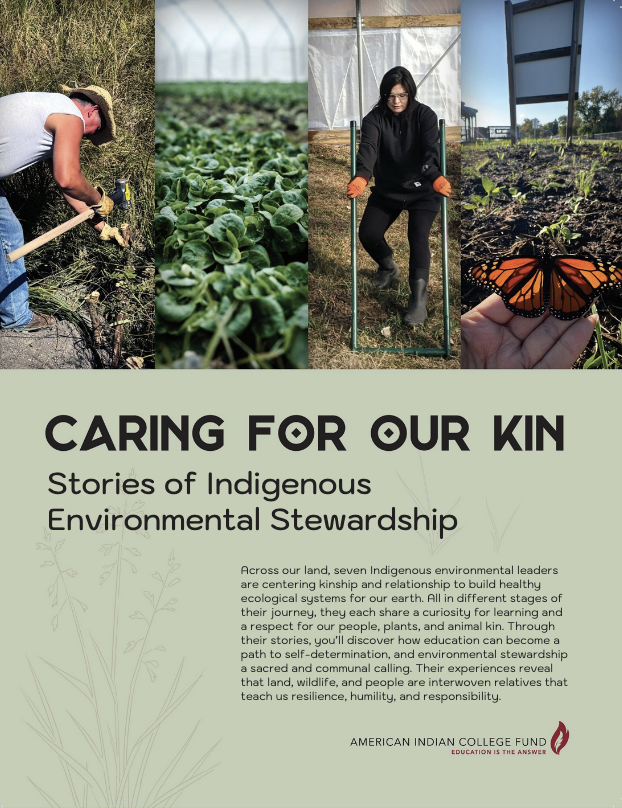
Caring For Our Kin – Stories of Indigenous Environmental Stewardship
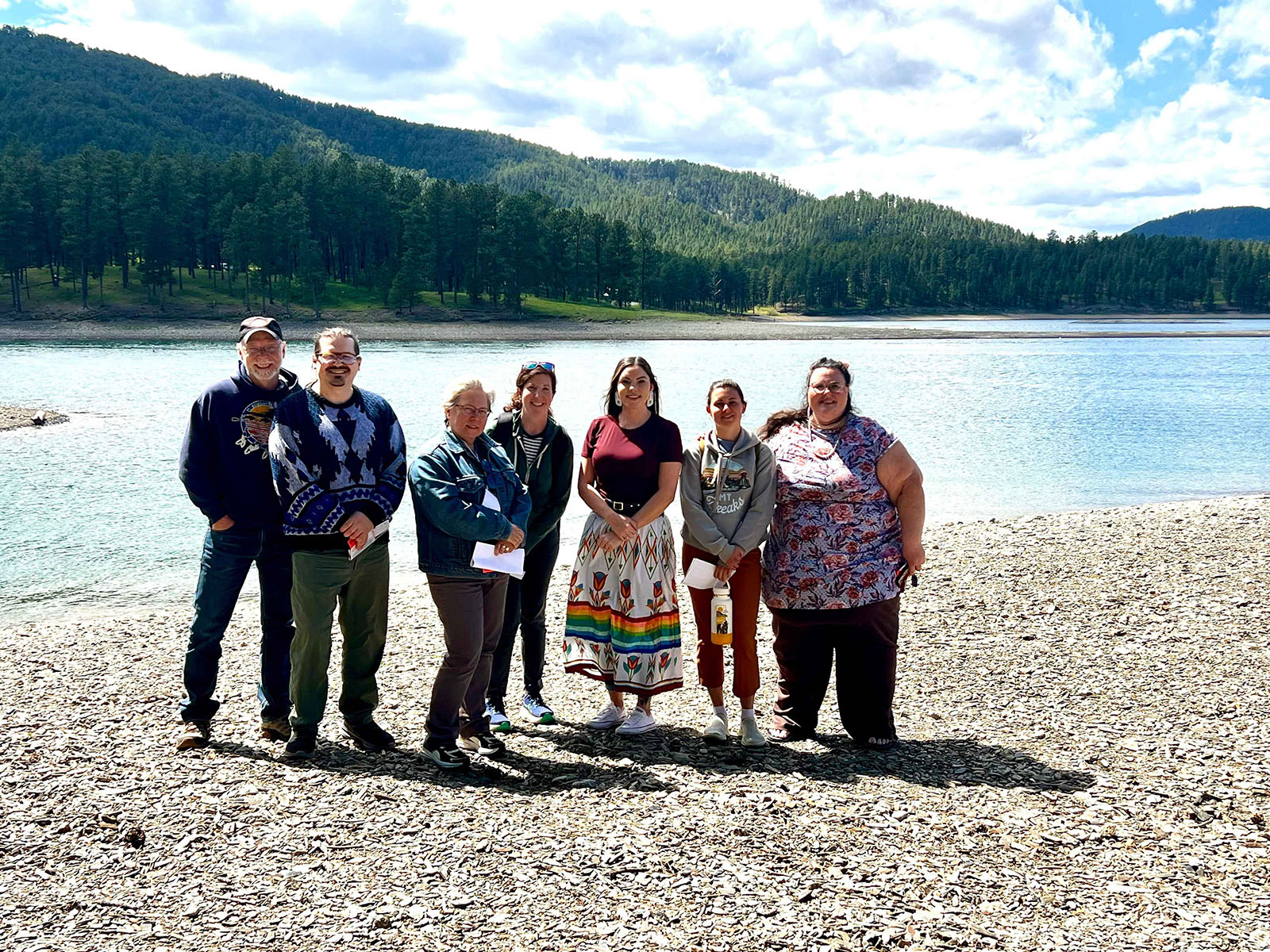
Across our land, seven Indigenous environmental leaders are centering kinship and relationship to build healthy ecological systems for our earth. All in different stages of their journey, they each share a curiosity for learning and a respect for our people, plants, and animal kin.

Tiyata Wan Unkagapi (We Are Making a Home) Environmental Stewardship Program
Active Program Dates: 2023 – 2026
The Tiyata Wan Unkagapi Environmental Stewardship Program supports TCUs to build capacity in environmental science and natural resource programs, land-based research, community engagement, and collaboration.
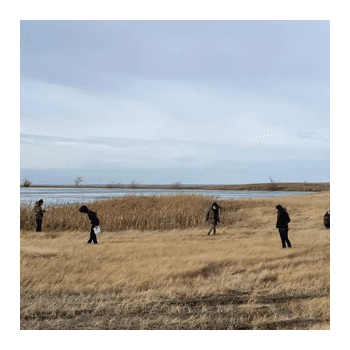
Obdaya Opta Tate Kin Kah’boke (Winds Blowing Across the Prairie)
Active Program Dates: 2020 – 2023
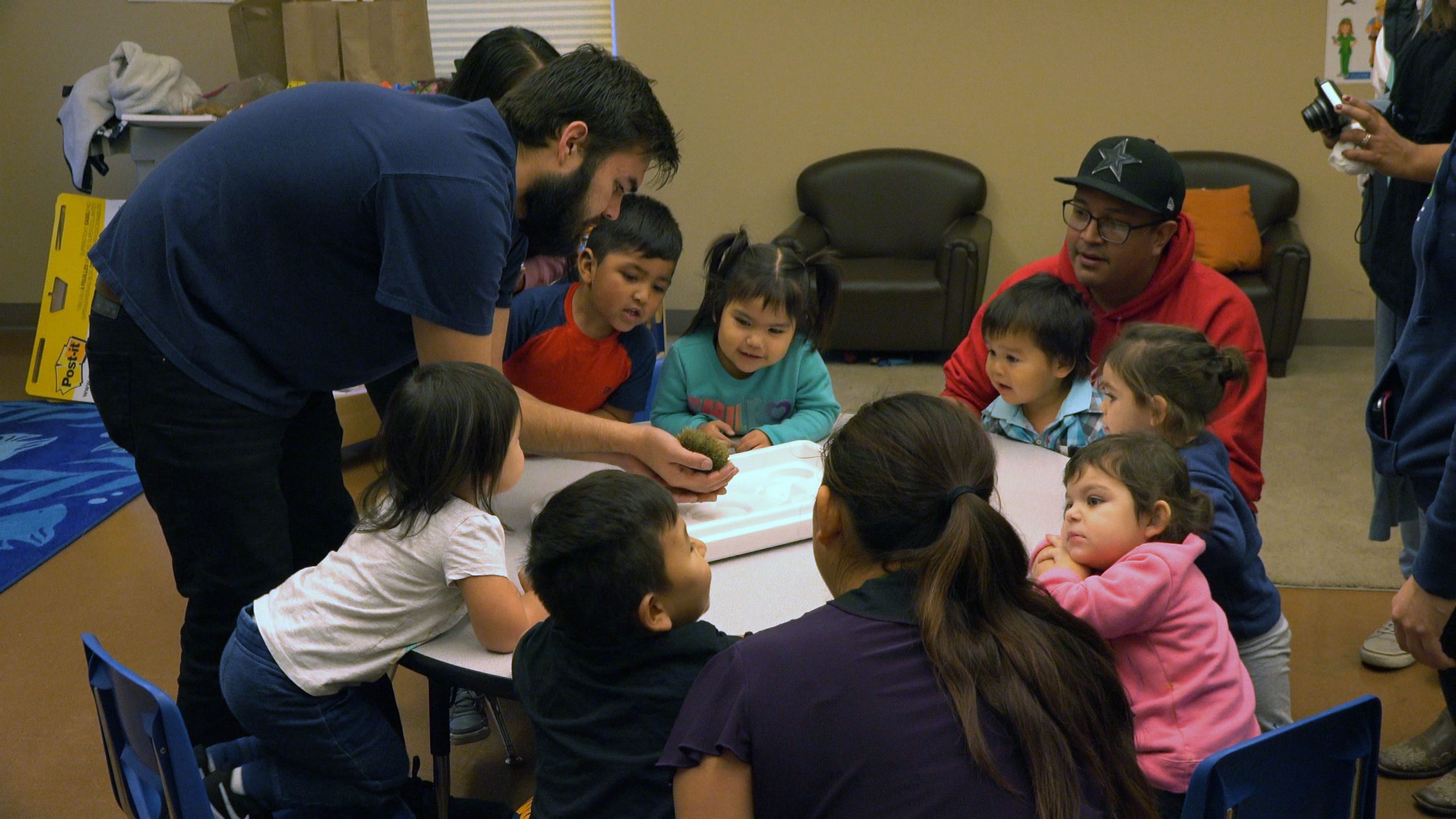
Through the integration of place-based and intergenerational knowledge into environmental and natural science programming, TCUs implemented projects addressing the specific needs of the Northern Great Plains (NGP) region.
Scholarly Emergence for Environmental Design and Stewardship (SEEDS)
Active Program Dates: 2017 – 2020
The Scholarly Emergence for Environmental Design and Stewardship (SEEDS) program will build program, faculty, and institutional capacity at tribal colleges and universities to strengthen and expand curriculum, faculty development, degree programs, and student success in the field of environmental sciences and related fields.
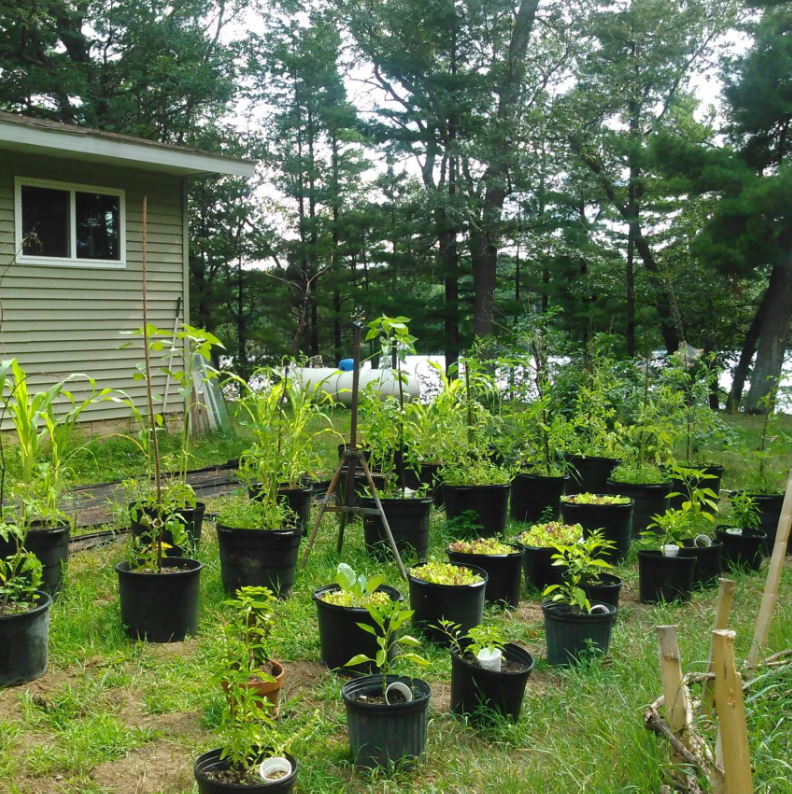
Building Sustainability Pathways
Active Program Dates: 2014 – 2017
In 2013, the College Fund conducted listening sessions with twelve tribal colleges and universities (TCUs) in the upper Midwest region (Minnesota, North Dakota, South Dakota, and Wisconsin). The purpose of the sessions was to determine areas of interest and need related to institutional, faculty, and student development in the environmental and sustainability fields at the TCUs.
Related Blogs
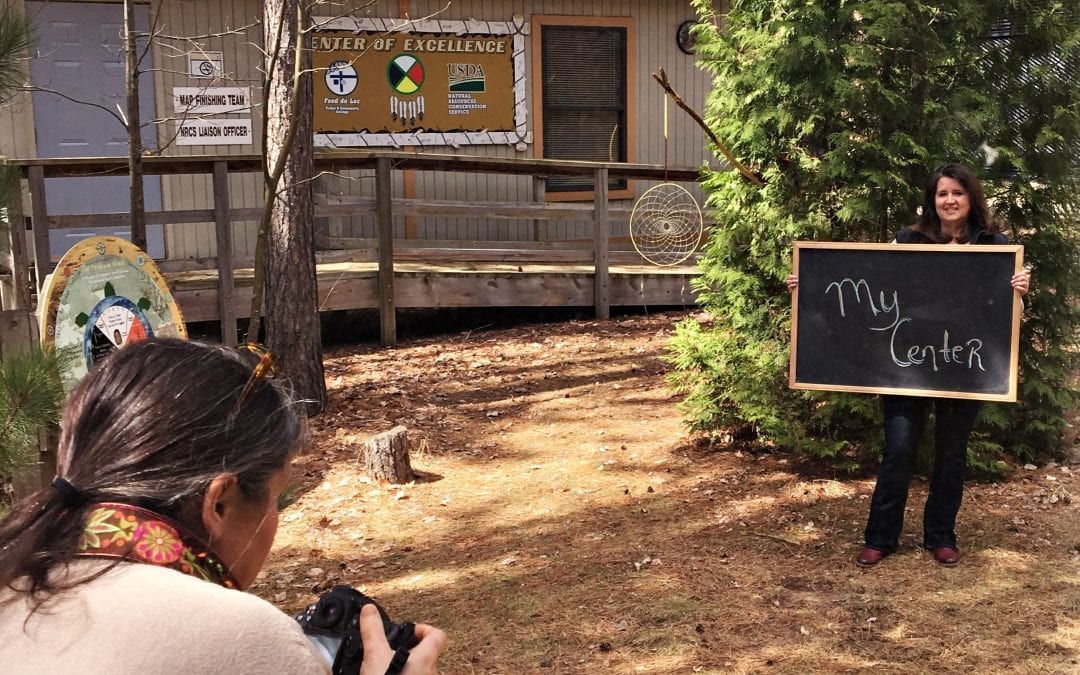
Honoring the Sacred
During this month dedicated to women, I want to acknowledge the importance of Native women who work in environmental spaces. It was primarily women who encouraged me to believe in my relationship with the earth and who acknowledge me as I am, which is to say a mixed-race queer.
College Fund Announces Environmental Program Awardees to Restore Native Knowledge for Healthy Earth
Groundwater contamination, erosion, lack of access to healthy foods, and poor air quality are just some of the environmental concerns facing American Indian communities across the United States. Yet indigenous people have long held specialized knowledge that can lead to unique solutions to these challenges.
SEEDS- Environmental Stewardship is an Inherit Right, Responsibility
I recently wondered why being an environmentalist exists in a space we have to fight for, and why our individual and collective responsibility to uphold and respect relationships to place becomes the work of so few. Is it because we have partitioned our ways of thinking about relationships or is it because we are struggling to know that we are related?
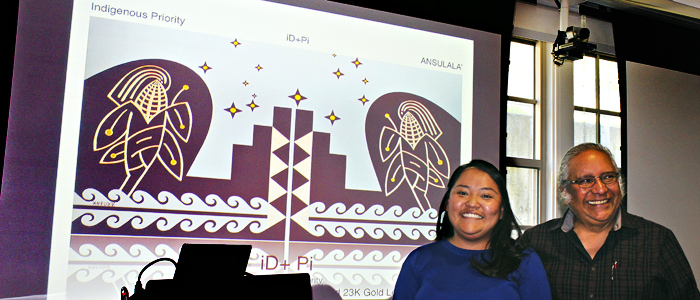
Three-Year Environmental Design and Stewardship Program to Restore Native Knowledge for Healthy Earth
Groundwater contamination, erosion, lack of access to healthy foods, and poor air quality are just some of the environmental concerns facing American Indian communities across the United States. Yet indigenous people have long held specialized knowledge that can lead to unique solutions to these challenges.