Indigenous Literacy Story Series
The Indigenous Literacy Story Series seeks to shift perceptions of literacy and education in tribal nation communities, provide evidence of literacy success and innovation in tribal nation communities, establish the College Fund as a resource and leader in literacy resources, and encourage innovation and collaboration within TCUs, across TCUs, and between Native inservice teachers.
This story series features guest writers from the College Fund, TCUs, and Native educators in the field.

Indigenous Literacy is:
A means of expressing and sustaining connection, culture, and sovereignty.
The ability to communicate (tell stories, speak, write, create, teach, or demonstrate) and comprehend (listen, read, sense, interpret, view, learn, or practice).
A starting point for Native people to co-create their environment in ways that are grounded in – and sustaining of – Indigenous cultures, languages, and ways of knowing.
Relational and intergenerational, supporting kinship with each other, ancestors, and the land.
Essential to thriving Indigenous communities.
Featured Stories
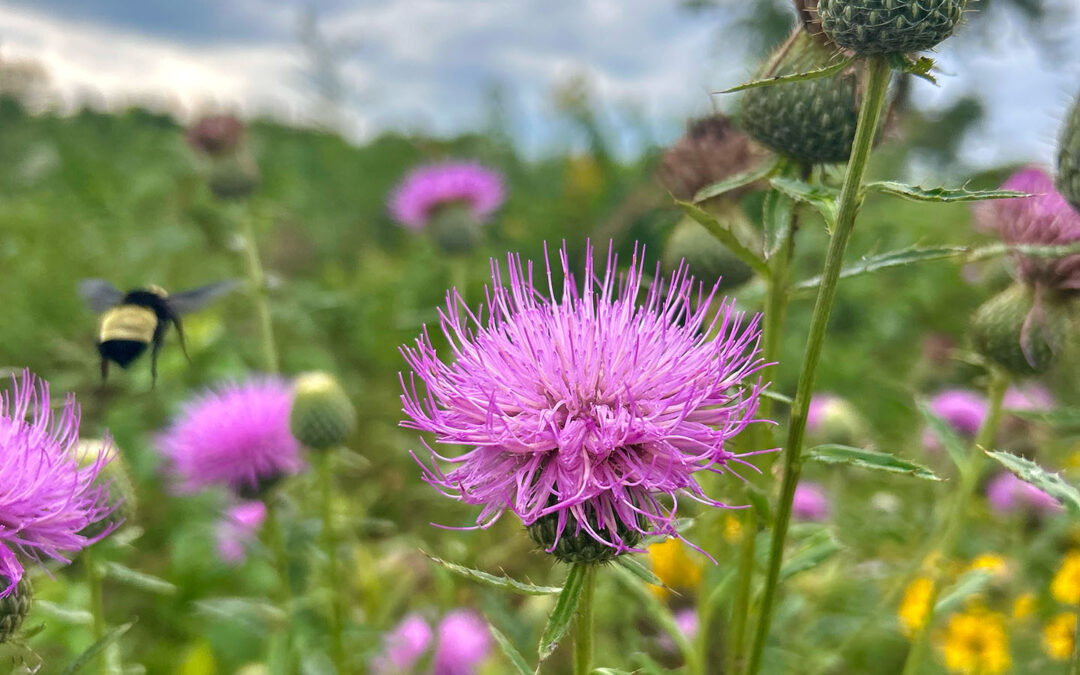
Planting the Seeds of Cultural Sustainability
For Earth Day, Student Ambassador Aiyanna Tanyan (Seminole Nation of Oklahoma) explores how cultural gardens, land stewardship, and community workshops help Native students at Haskell Indian Nations University reclaim Native food sovereignty.
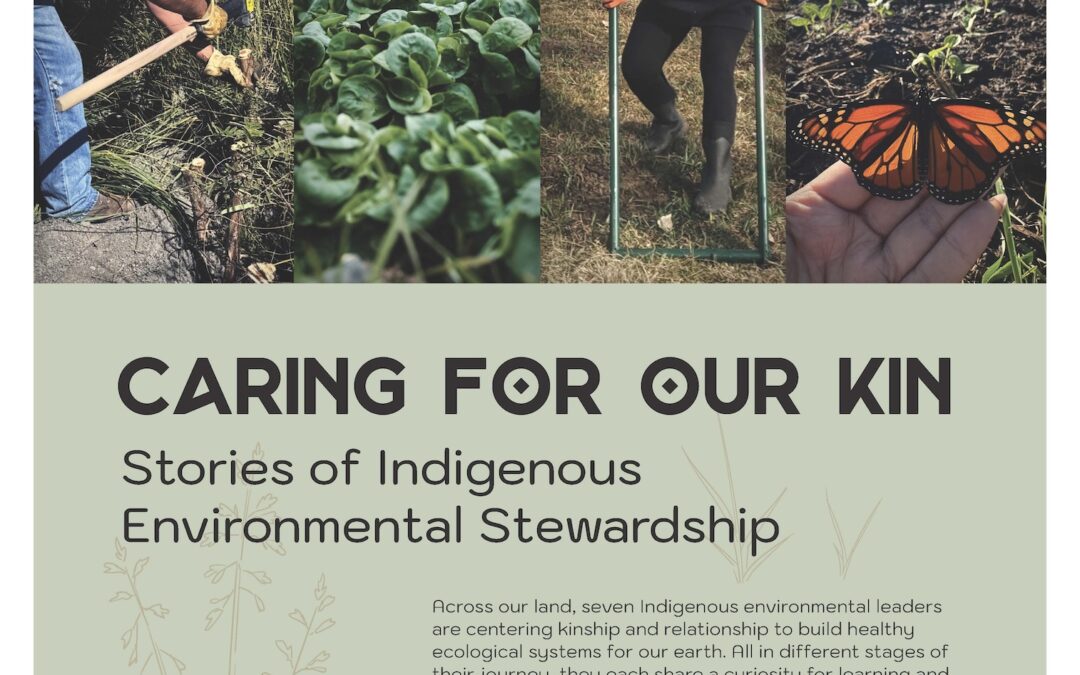
American Indian College Fund Publishes Environmental Stewardship Guidebook
The College Fund published “Caring for Our Kin: Stories of Indigenous Environmental Stewardship” as a guidebook for Native students and community members interested in the field. Read the stories of Indigenous environmental leaders and learn about their multi-faceted approaches to stewardship.
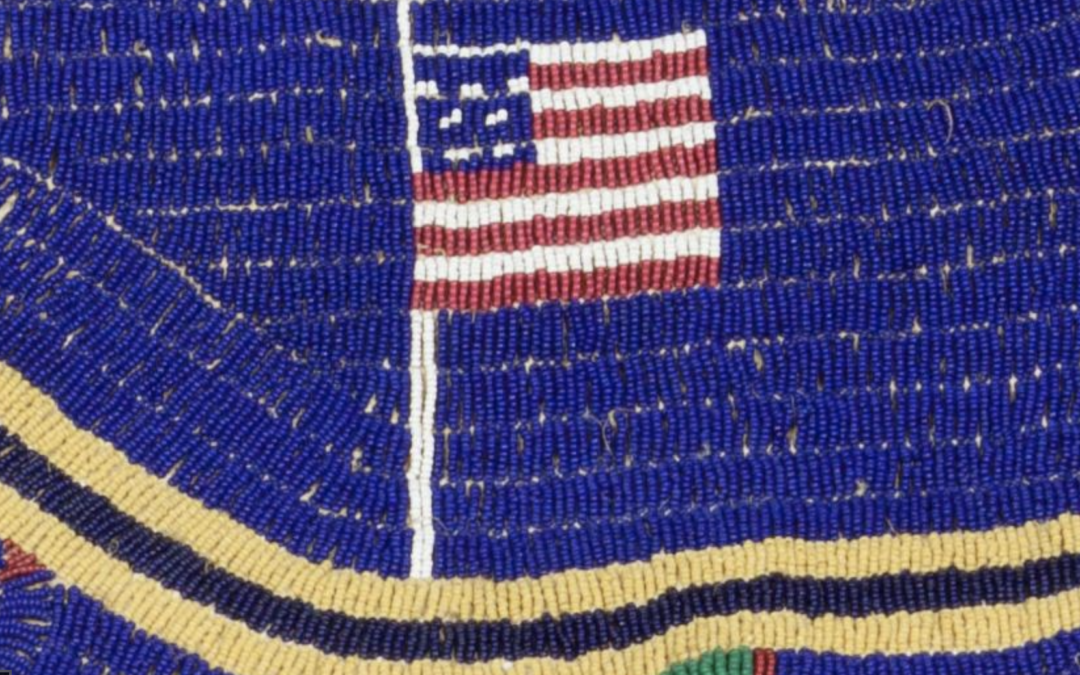
Being Seen: A Native Scholar’s Vision of Democracy
As America approaches its 250th anniversary, a Native student from the College of Menominee Nation calls for Native histories, voices, and systems of governance to be fully recognized in the story of democracy.
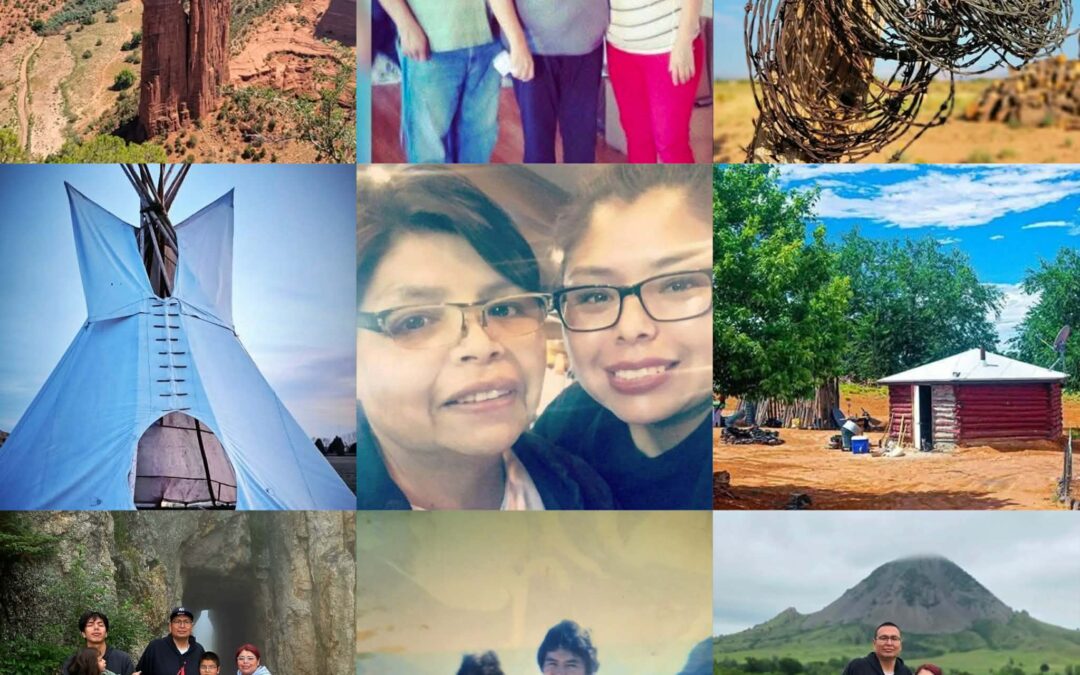
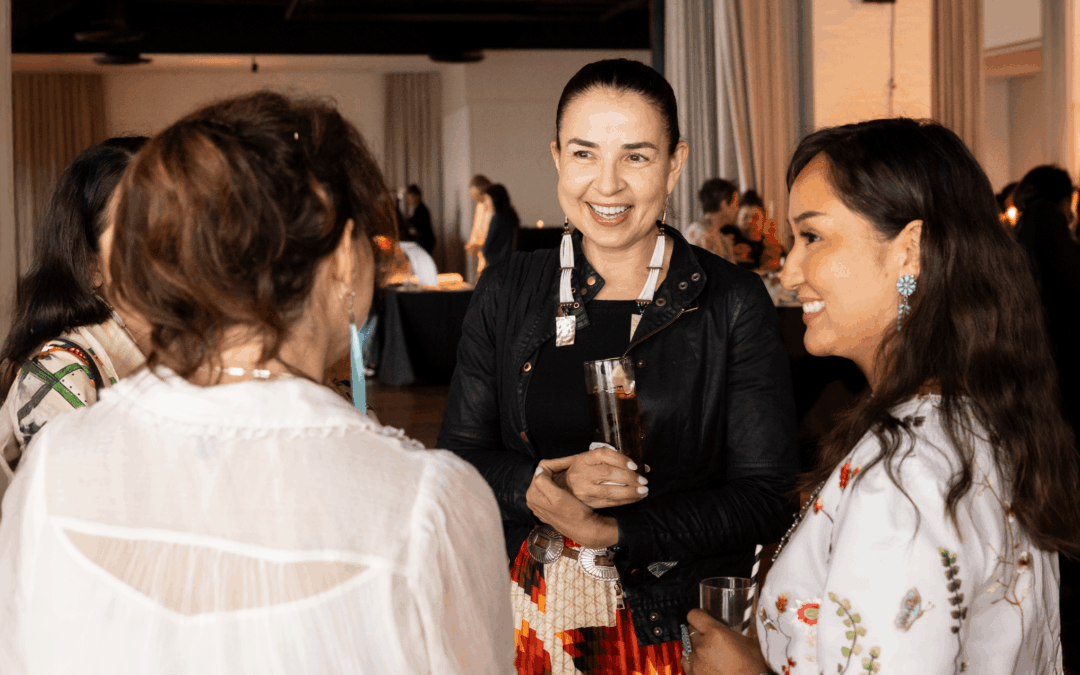
A Night of Indigenous Culture, Art, and Music in New York City on April 30
On April 30, New Yorkers will experience an unforgettable evening celebrating Indigenous culture with the American Indian College Fund. Enjoy a meal prepared by top Native chefs and performances of traditional songs and contemporary Indigenous dance all while supporting the higher education journeys of Native students.