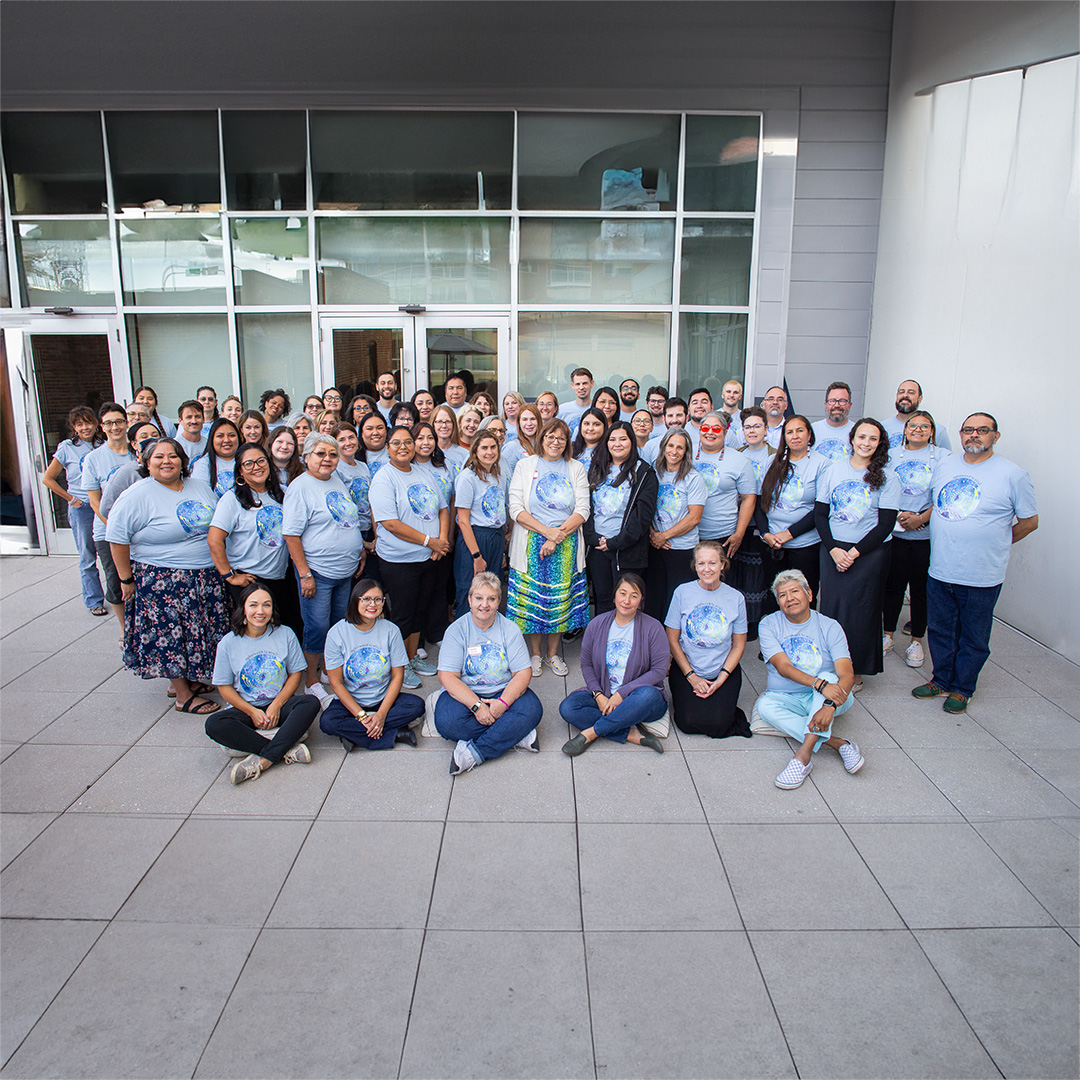
Research has shown that children of color are more likely to succeed when they have a teacher of the same race. Yet Native American children are much more likely to have a white teacher than a Native teacher.


Research has shown that children of color are more likely to succeed when they have a teacher of the same race. Yet Native American children are much more likely to have a white teacher than a Native teacher.
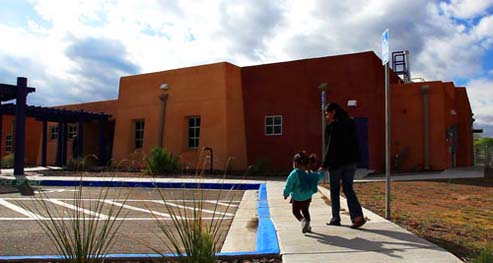
American Indians know the inter-generational psychological trauma that follows when children are removed from their families. Native children were forcibly taken from their parents by the U.S. government and were forced to attend boarding schools far away, losing their language, culture, and family ties, creating deep wounds.
Envisioning a sustainable community can be a difficult and complex task. Students at Sisseton Wahpeton College (SWC) are learning about how to handle it with ease, however, including defining, envisioning, and building sustainability for future generations.
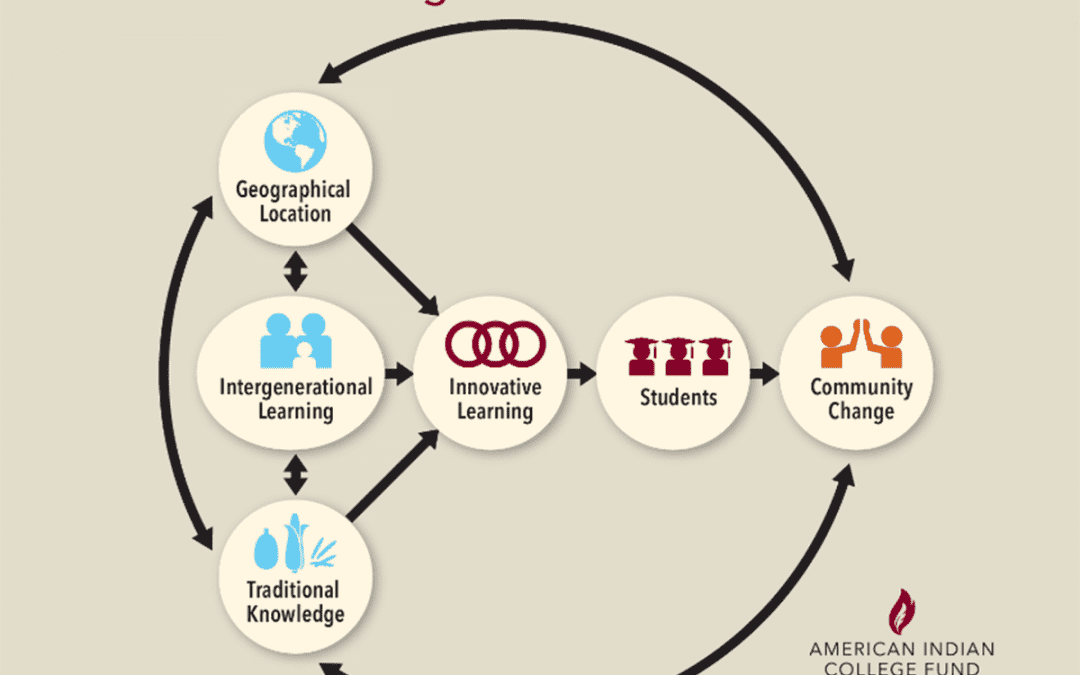
This is a collaborative series developed by the College Fund’s Environmental Sustainability, Native Arts and Early Childhood Education program initiatives. This is the first blog of a six-part series focused on place-based education.
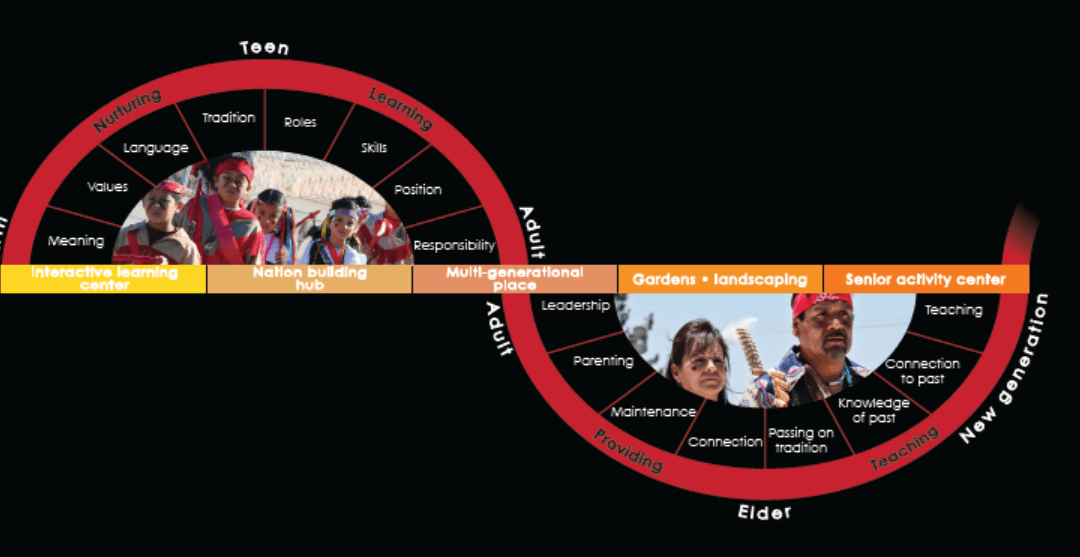
The Indigenous Design and Planning Institute (iD+Pi) at the University of New Mexico was established on the belief that Indigenous communities should benefit from the best practices that design and planning have to offer in a manner that is culturally informed.

Chance Fletcher, a senior at Princeton University and a member of the Cherokee Nation, has been selected to receive the first-ever American Indian College Fund Law School Scholarship. The scholarship, which begins in the fall of the 2018, was made possible thanks to a gift of $1 million from an anonymous donor.
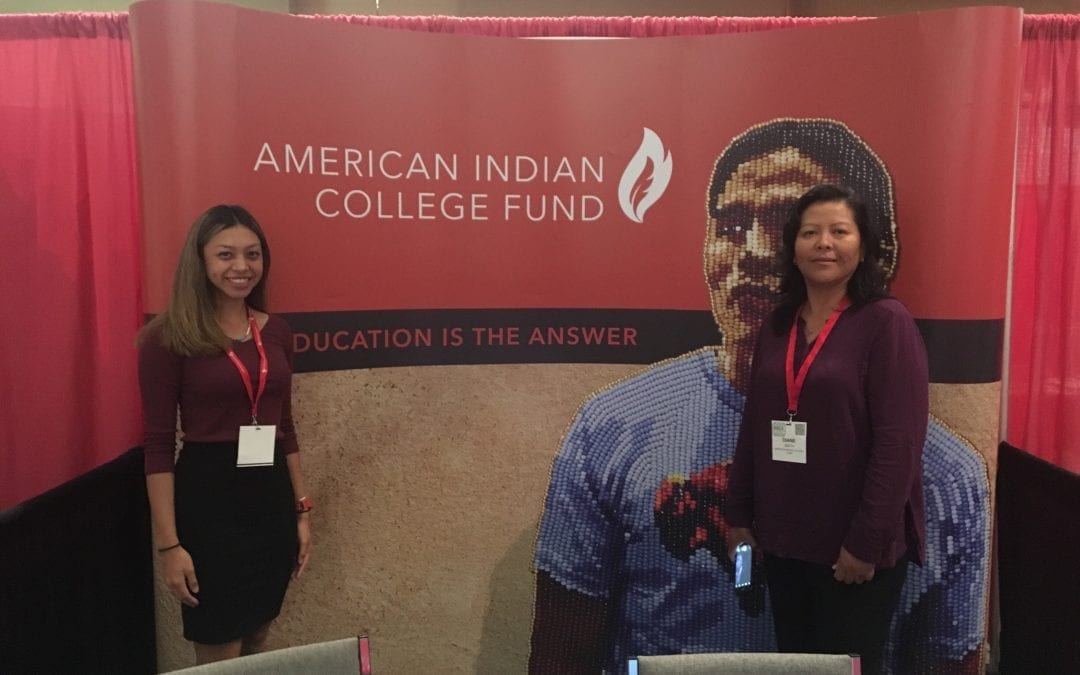
Walmart knows that providing outstanding students with scholarships is just one of the stepping stones students need to succeed. Opportunities to network outside of campus and community are important in exposing students to new ideas and possibilities as part of a students’ intellectual development—and career path.

The American Indian College Fund (the College Fund) announced today a new effort to study the impact of tribal colleges and universities (TCUs) on the overall well-being of graduates from five institutions. The study will occur over two years and is funded through a $600,000 grant from Strada Education NetworkSM, a national nonprofit dedicated to strengthening pathways from education to employment.

Only 14% of American Indians have a college degree. The American Indian College Fund is changing that by providing Native students with access to a life-changing higher education. To support Native students in their efforts, the College Fund is hosting the 2018 Flame of Hope Gala on April 11 at Gotham Hall, 1356 Broadway, New York City.
Research has shown that children of color are more likely to succeed when they have a teacher of the same race. Yet Native children are much more likely to have a white teacher than a Native teacher. To promote a positive educational trajectory for Native children, the American Indian College Fund is launching the new “For the Wisdom of the Children” program, thanks to a two-year, $1.5 million grant from the W.K. Kellogg Foundation.