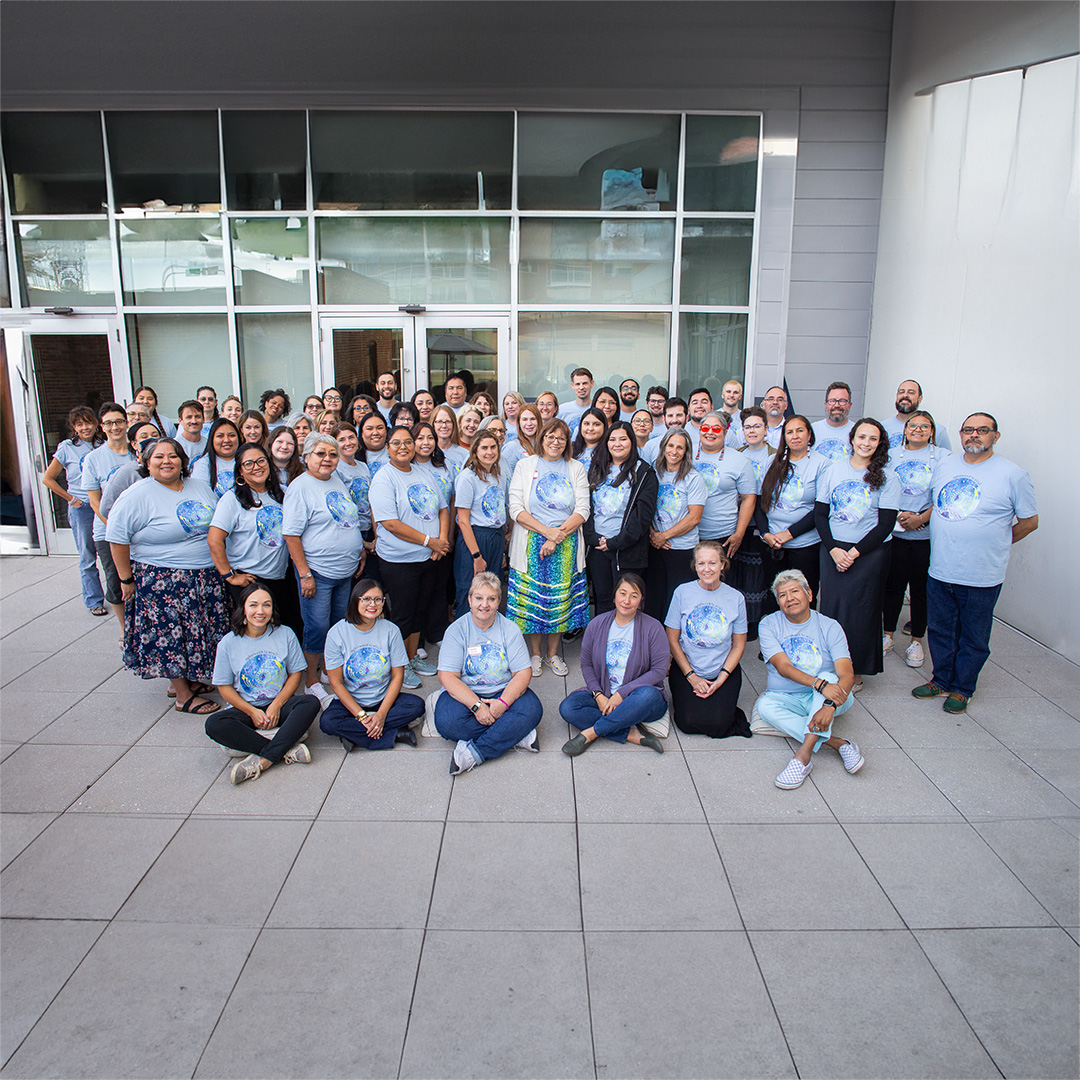
Conferences can be a great place for early childhood educators, families, teachers in training, and researchers working with indigenous young children. They are a place to gather ideas and build professional development for use in the classroom.
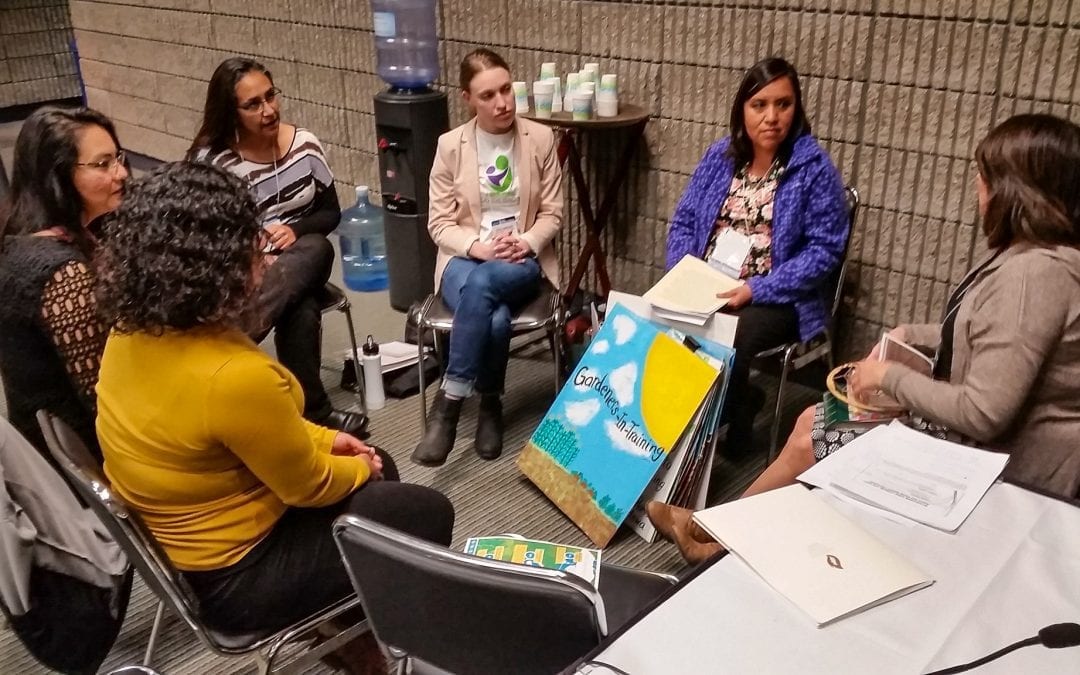

Conferences can be a great place for early childhood educators, families, teachers in training, and researchers working with indigenous young children. They are a place to gather ideas and build professional development for use in the classroom.
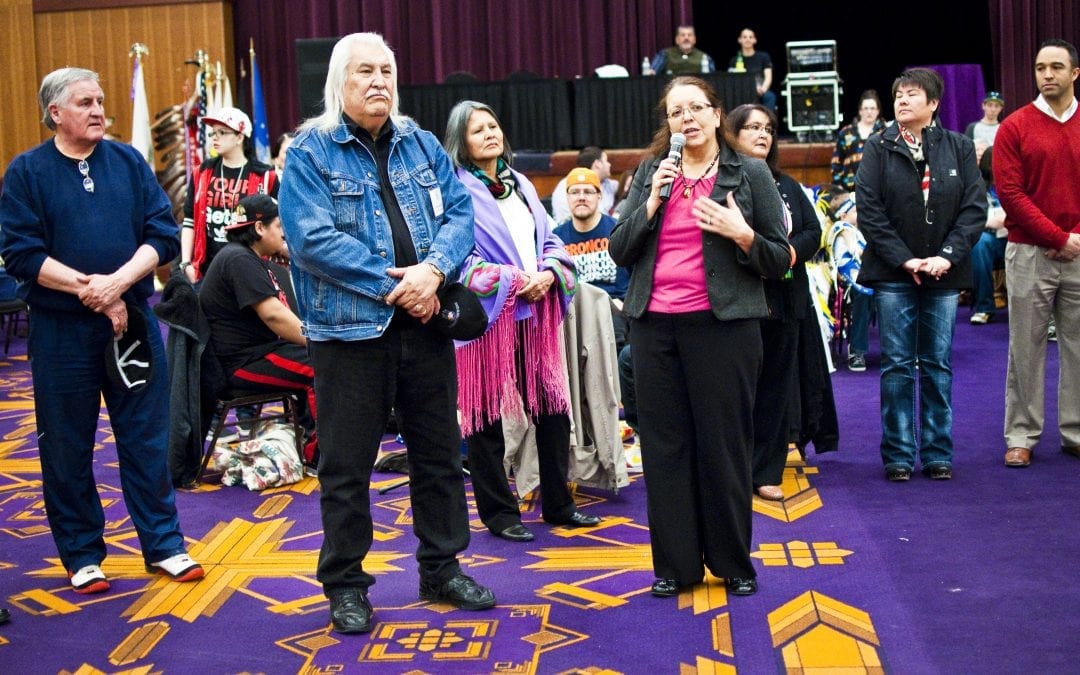
In 2016, I was invited to submit a chapter on the presidency of tribal colleges for a book on leadership at minority-serving institutions. I started the chapter with these words, Itancan, Bacheei-tche, Ogimaa: tribal words for those in leadership at tribal colleges because their leadership is rooted in their cultural knowledge and practices. This essay is derived from that chapter, “Tribal College and University Leaders: Warriors in Spirit and in Action
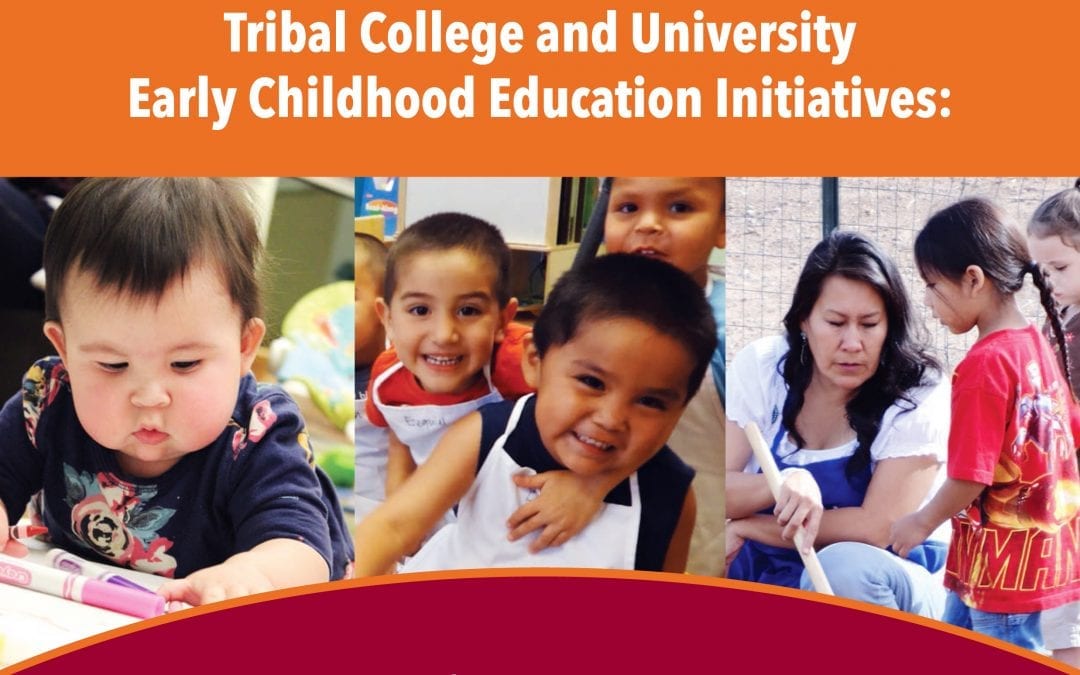
Preparing children for college starts at birth. But the American Indian College Fund realized that a one-size-fits-all approach to education does not work for Native children. Six years ago, the College Fund set out to strengthen systems of care and learning for Native children by expanding opportunities for their families to consider college as a pathway to thriving communities, starting from birth to career, by incorporating the local culture into education.
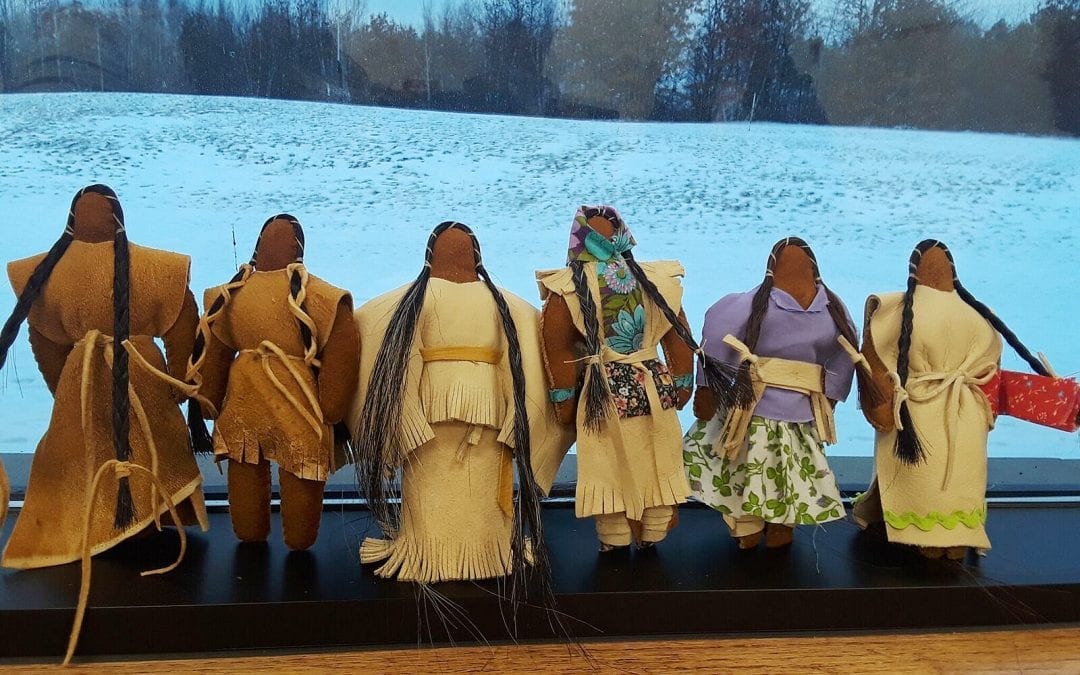
The American Indian College Fund is proud to offer a cross-collaboration learning opportunity through the Restoration and Preservation of Traditional Native Arts and Knowledge Grant. Tribal Colleges and Universities (TCUs) program administrators of the Traditional Native Arts grant will have the opportunity to learn, observe and exchange ideas from each other through the “Sister Site Visit” program.
Groundwater contamination, erosion, lack of access to healthy foods, and poor air quality are just some of the environmental concerns facing American Indian communities across the United States. Yet indigenous people have long held specialized knowledge that can lead to unique solutions to these challenges.
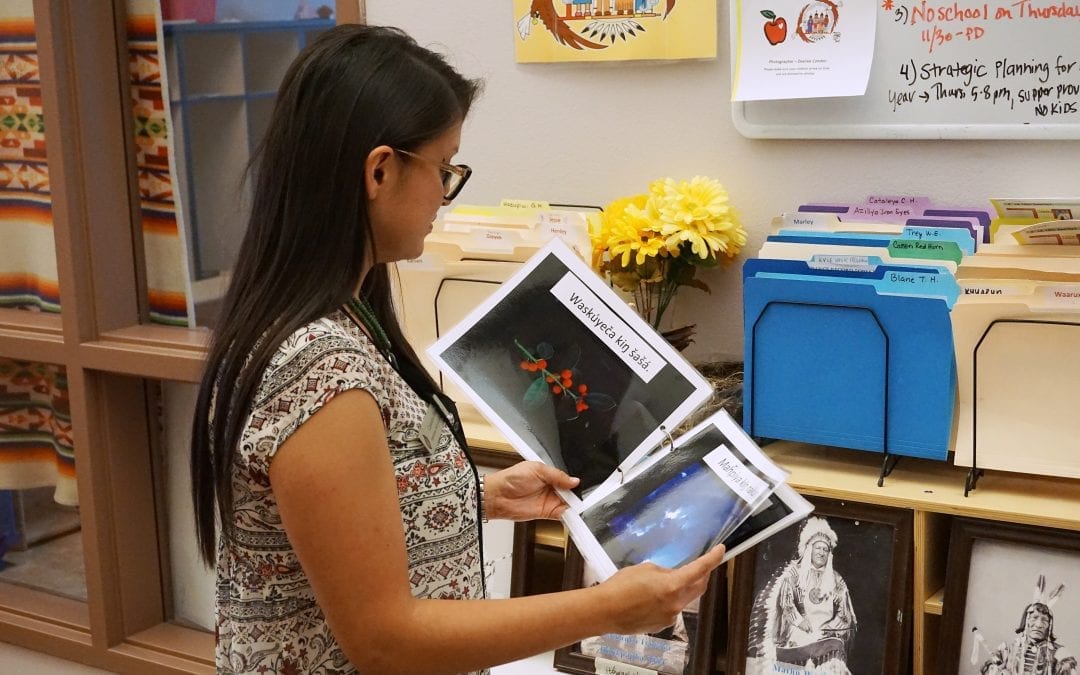
Cassandra Harden (Diné) was focused on a career in early childhood education when she first learned about internship opportunities with the American Indian College Fund (College Fund). While she studied as a student at tribal college Southwestern Indian Polytechnic Institute (SIPI) in Albuquerque, New Mexico. Cassandra got involved in SIPI’s early childhood program, working on the College Fund’s Wakanyeja “Sacred Little Ones” and Ké’ Early Childhood Initiatives, as a student intern.
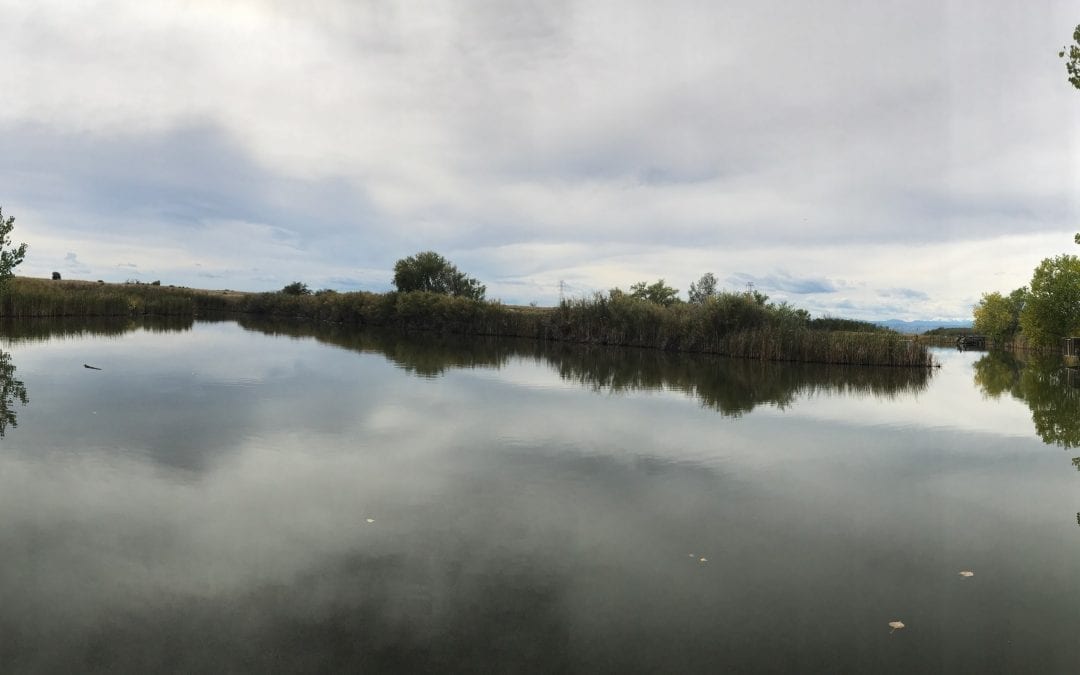
I recently wondered why being an environmentalist exists in a space we have to fight for, and why our individual and collective responsibility to uphold and respect relationships to place becomes the work of so few. Is it because we have partitioned our ways of thinking about relationships or is it because we are struggling to know that we are related?

The Indigenous Visionaries initiative builds upon the American Indian College Fund’s previous work for a number of years developing Native women leaders, through education, mentoring, and networking. Indigenous Visionaries focuses on connecting students at tribal colleges and universities (TCUs) with faculty members in their area of study.
Since 2004, the American Indian College Fund has awarded the Mellon Career Enhancement Fellowship to deserving tribal college and university (TCU) faculty who are in the final stages of their doctoral programs to complete the writing process of their dissertations.
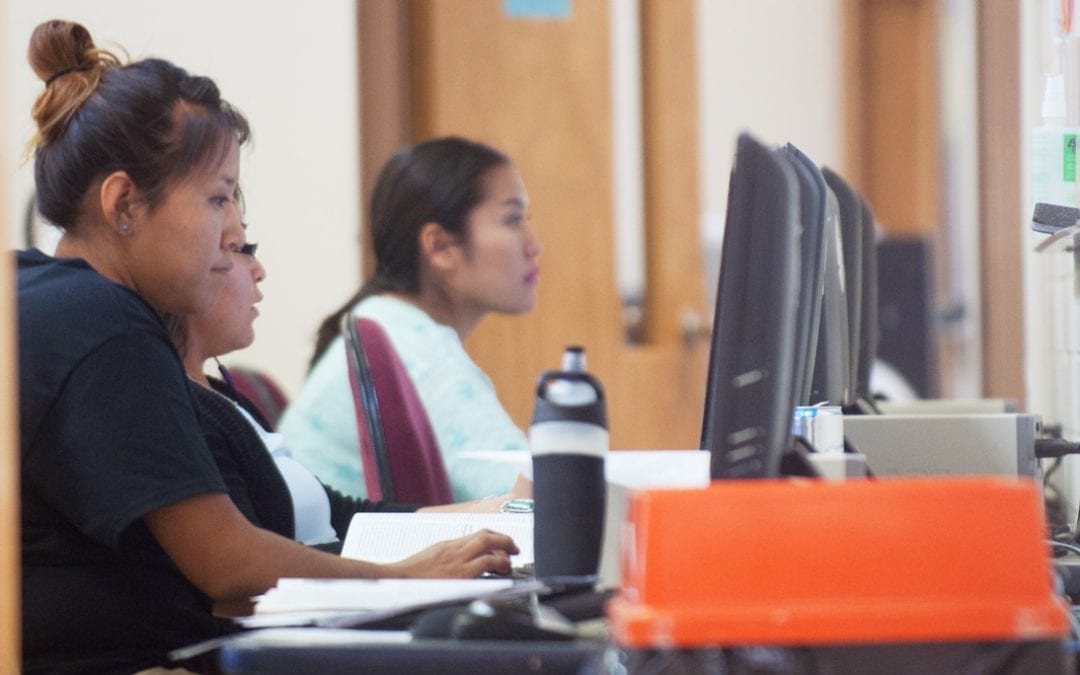
Thirty-four accredited tribal colleges and universities provide higher education opportunities to American Indian communities nationwide. Now, thanks to a $450,000 three-year grant from The Kresge Foundation, the American Indian College Fund will conduct a study on student success at three tribal colleges (TCUs). These best practices will then be scaled up and replicated at TCUs and other educational institutions working with Native students.