
Planting the Seeds of Cultural Sustainability
April 22, 2026 | Student Ambassador Aiyanna Tanyan’s (Seminole Nation of Oklahoma) work to reclaim food sovereignty
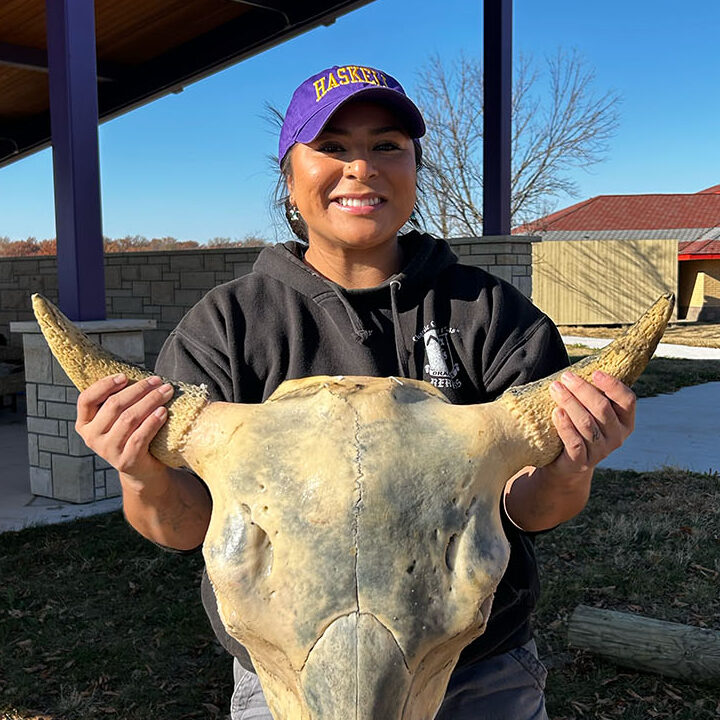
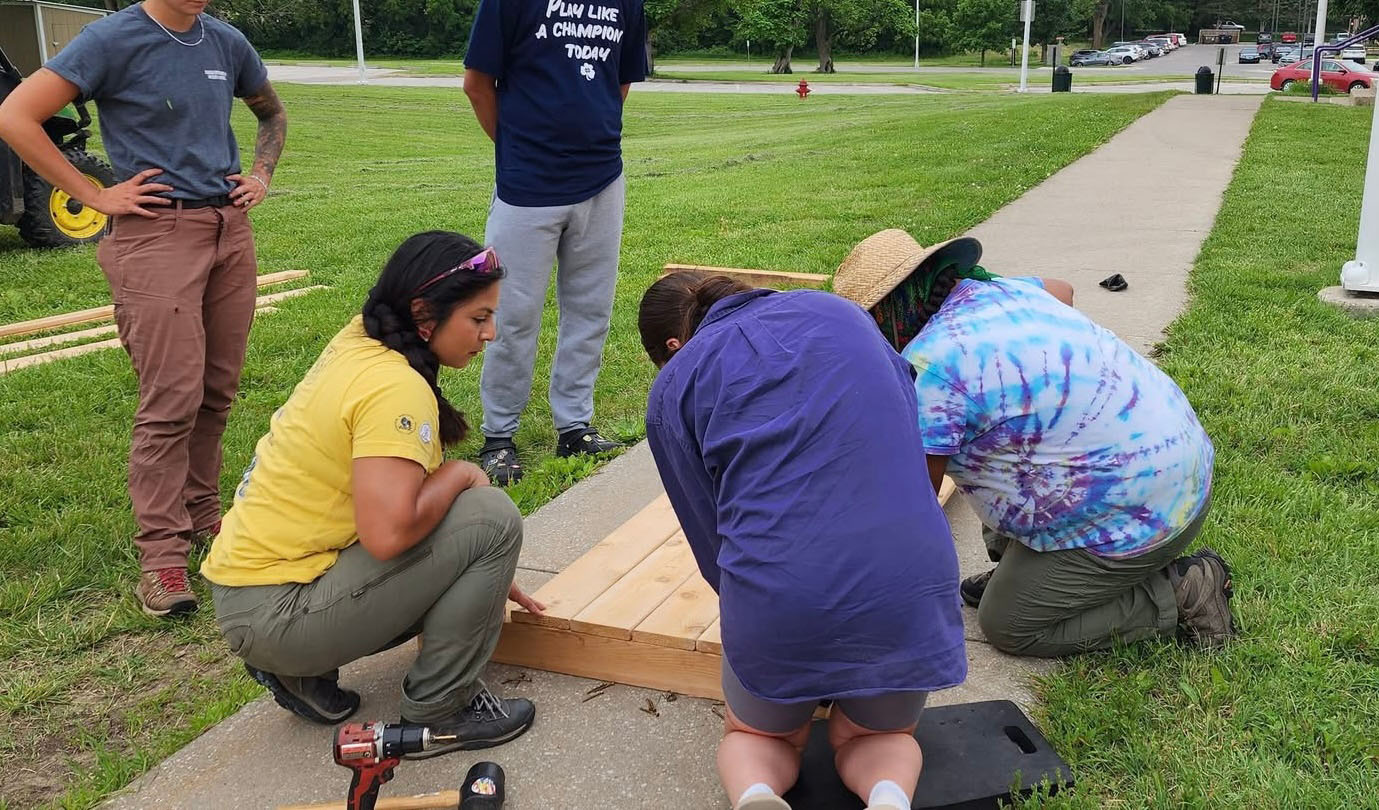
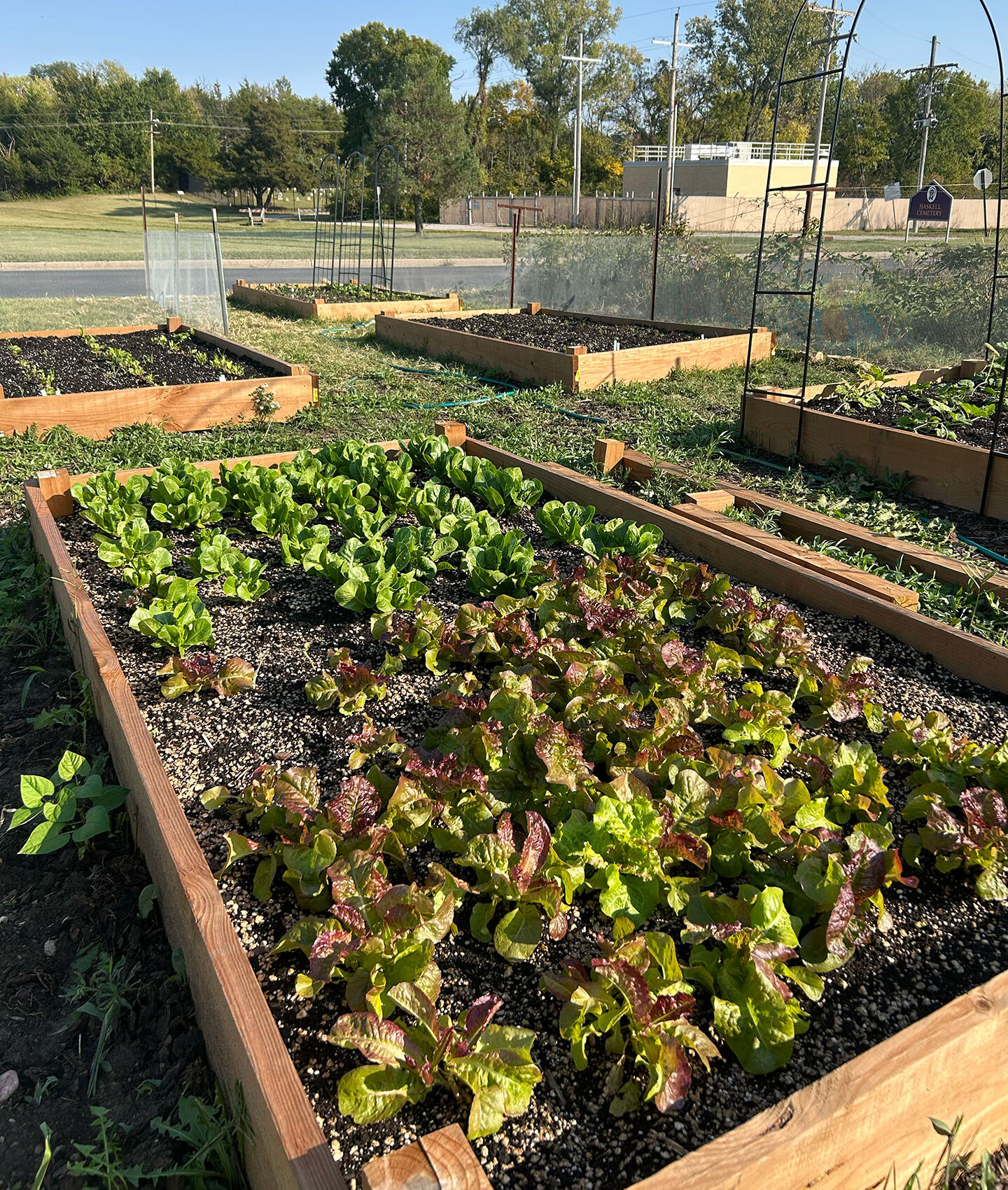
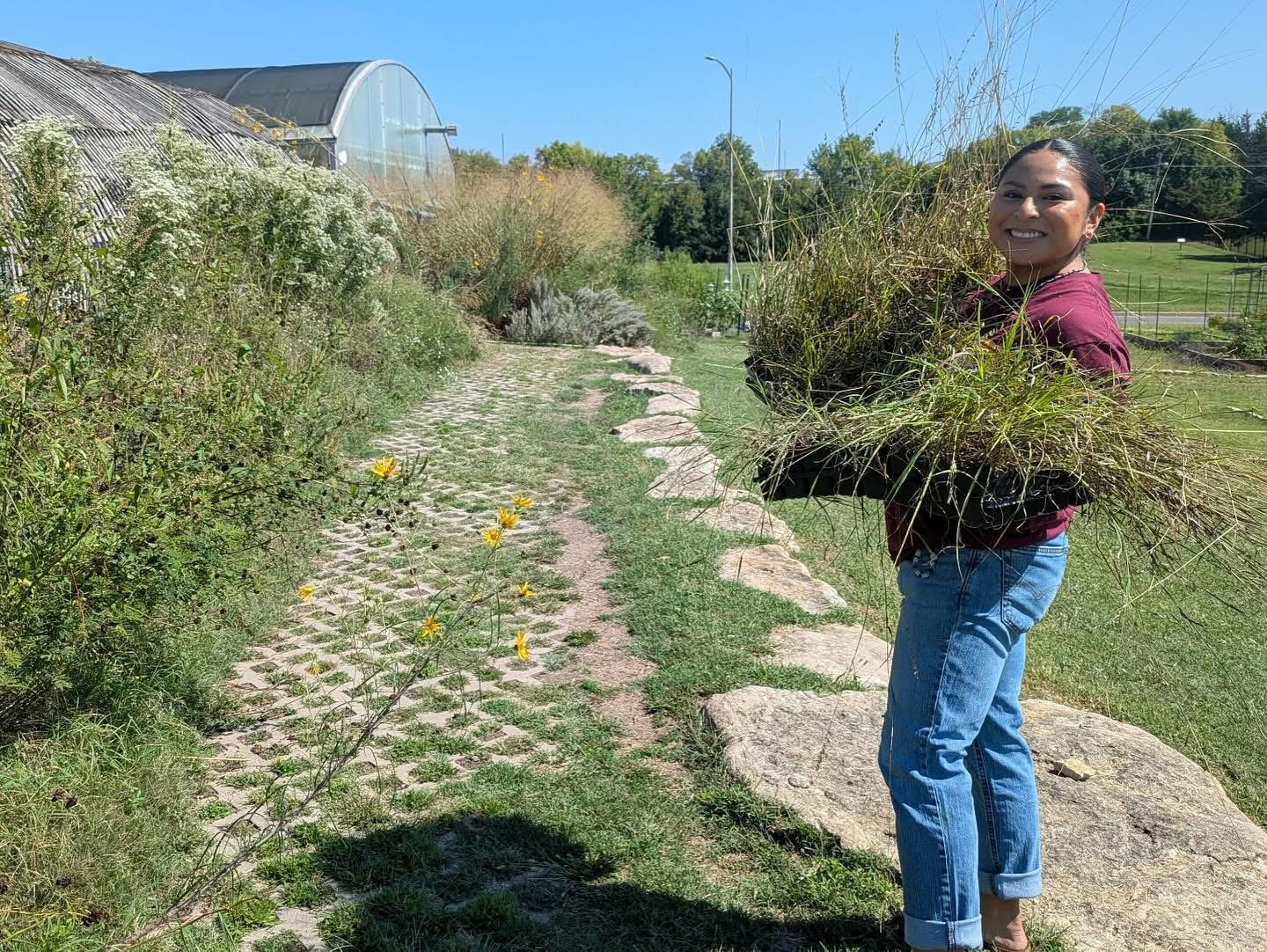
We came up with the idea of building raised garden beds near the dorms so students can easily access fresh foods and learn how to grow them themselves. Through support from the Haskell Greenhouse (funded through the USDA Equity Grant), we started building.
Last year was our first year doing this project and it was a learning experience as with many community-based projects, it comes with trial and error. However, that process taught us a lot about what works, what doesn’t, and how to build something more sustainable moving forward. This year, we’re continuing this work with stronger systems, more involvement, and a clearer vision.
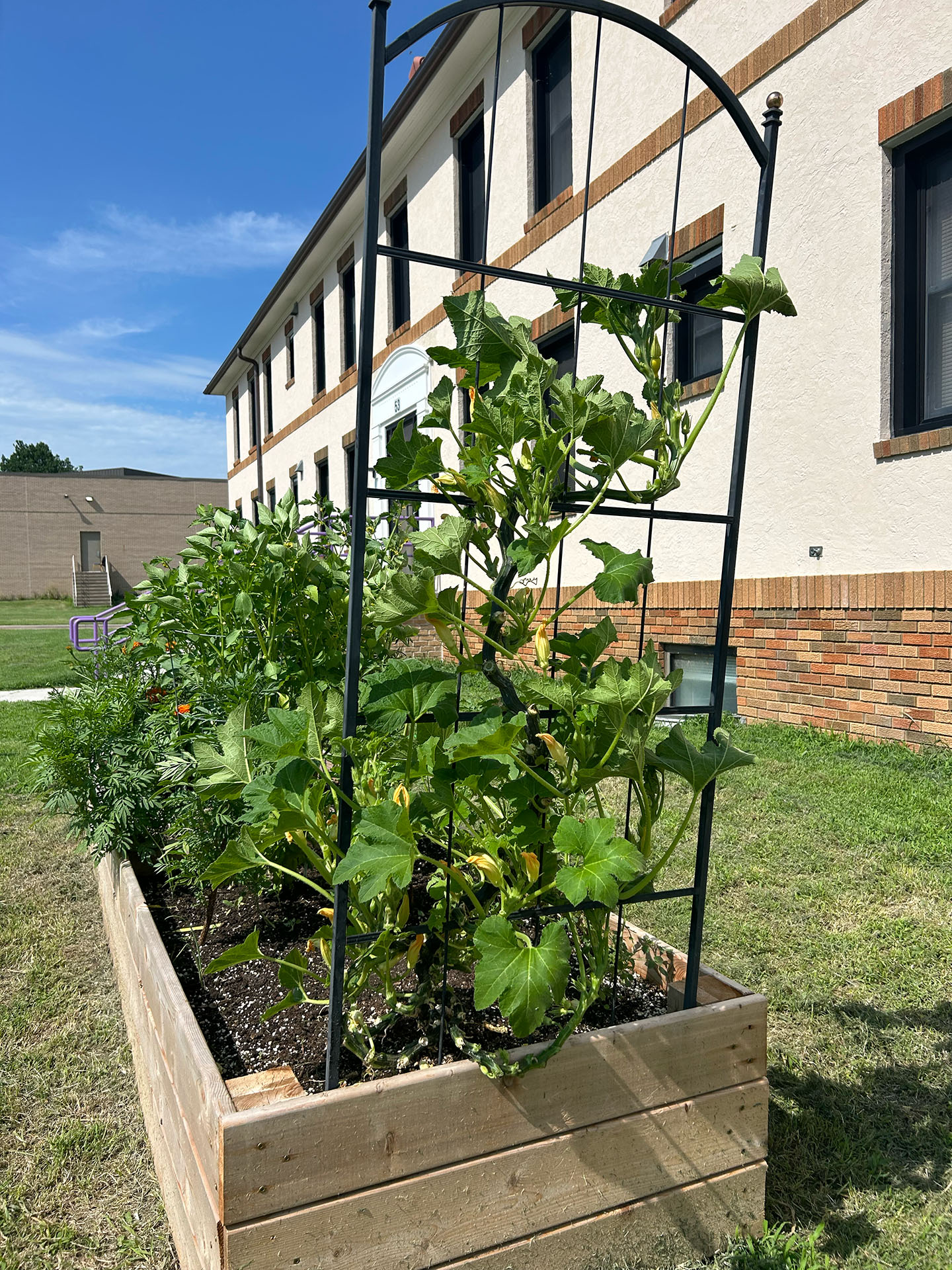
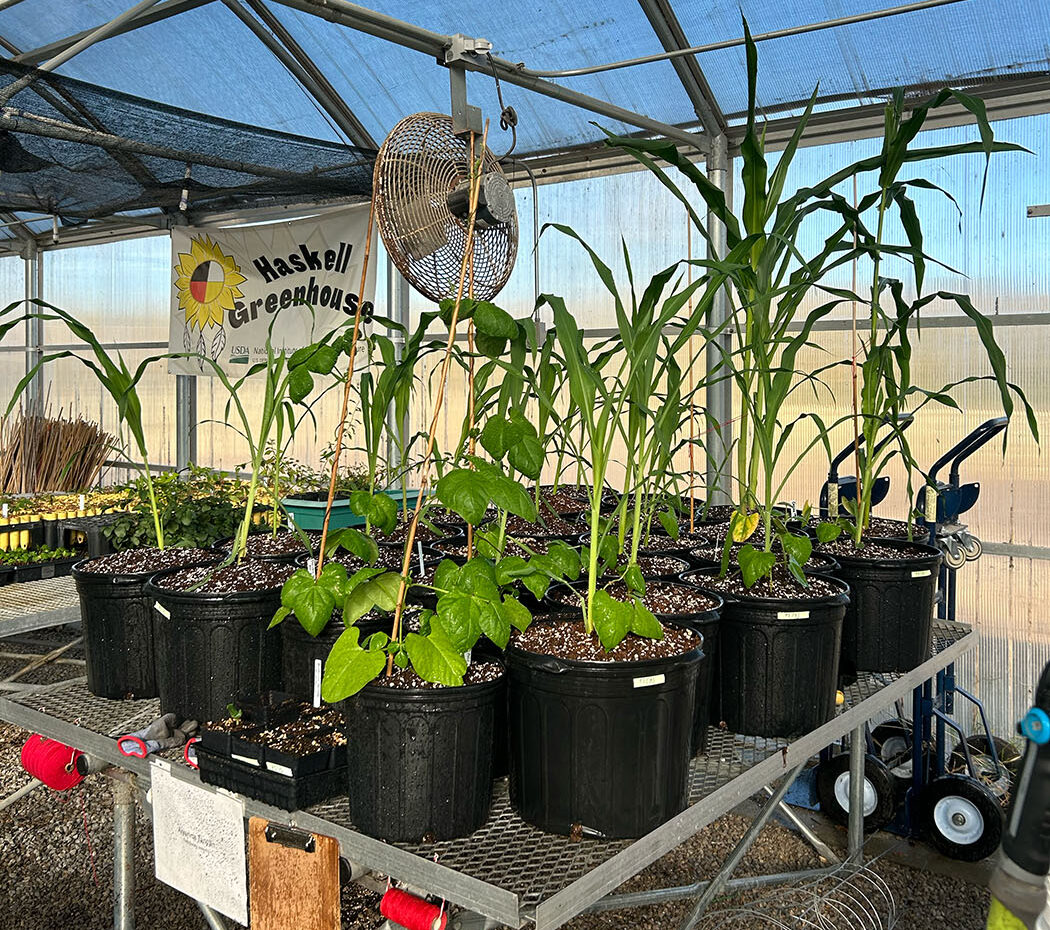
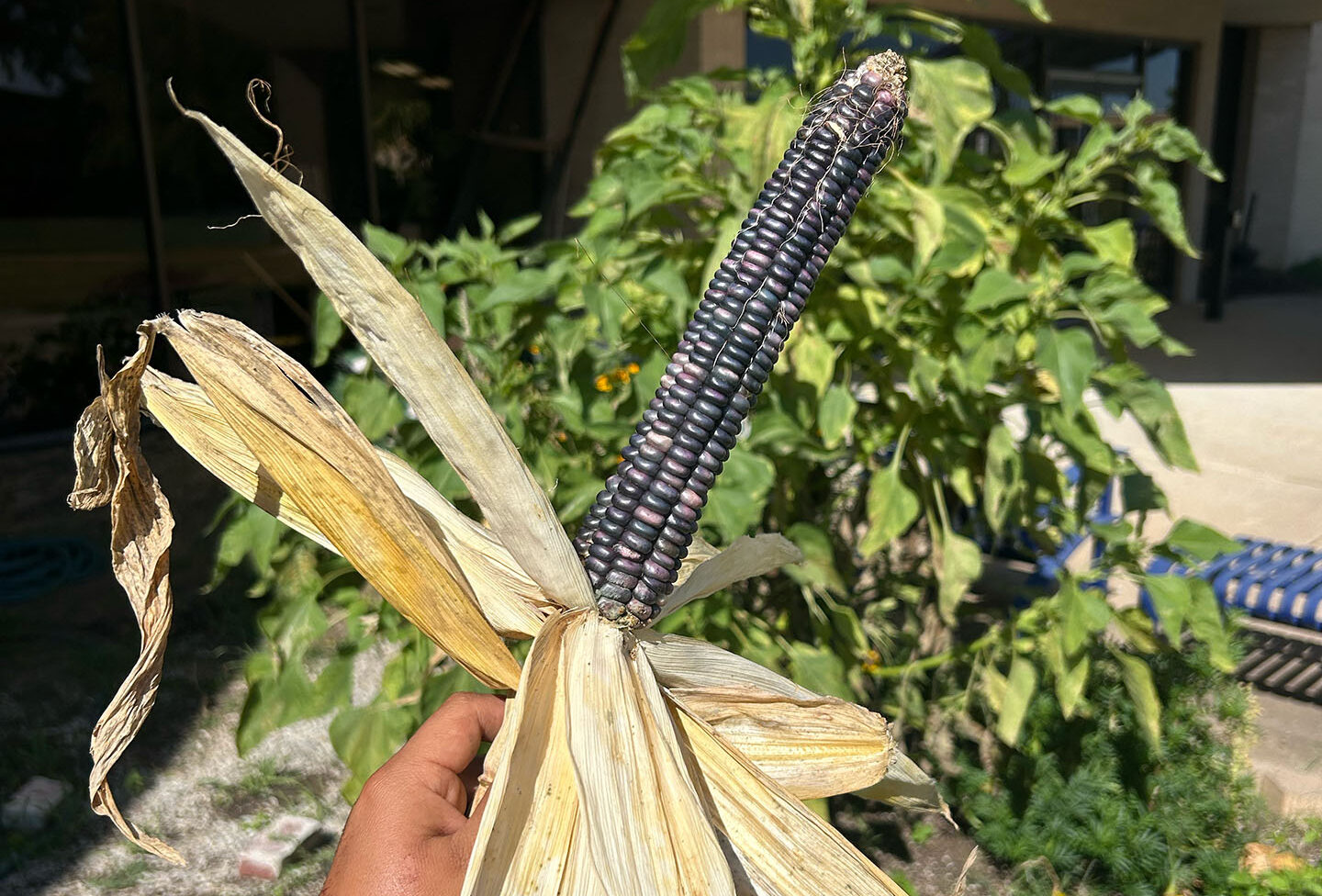
Everyone at the Haskell Greenhouse wants to help others learn, value, and view these spaces as places of teaching. I know they have taught me so much about responsibility and our relationship with the environment. Through these projects, we’re helping students reconnect with the land and understand the importance of food sovereignty for Indigenous communities. This work is ongoing, and we’re still learning. Every seed planted, and every workday shared brings us one step closer to a more sustainable and connected future.
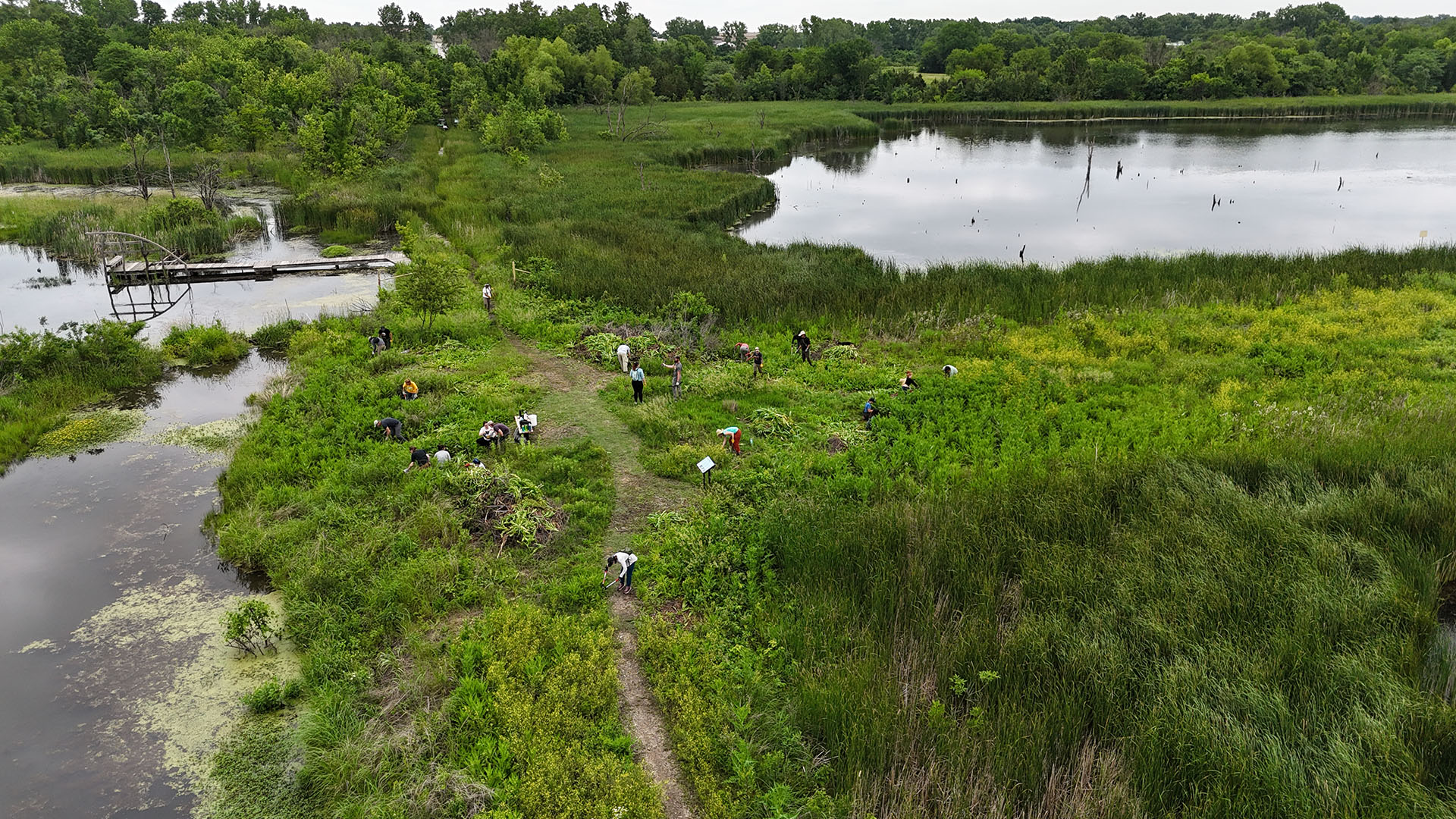
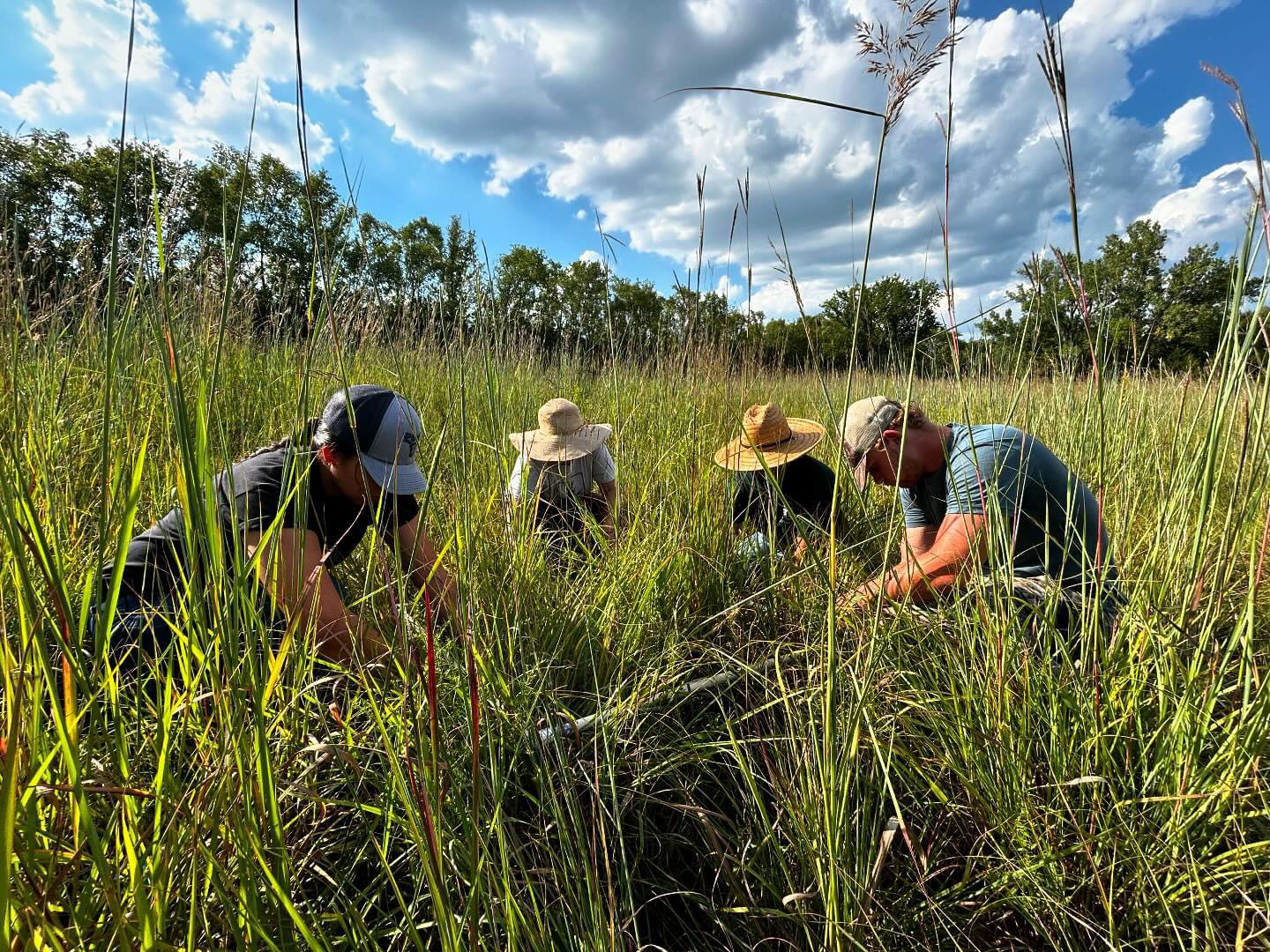
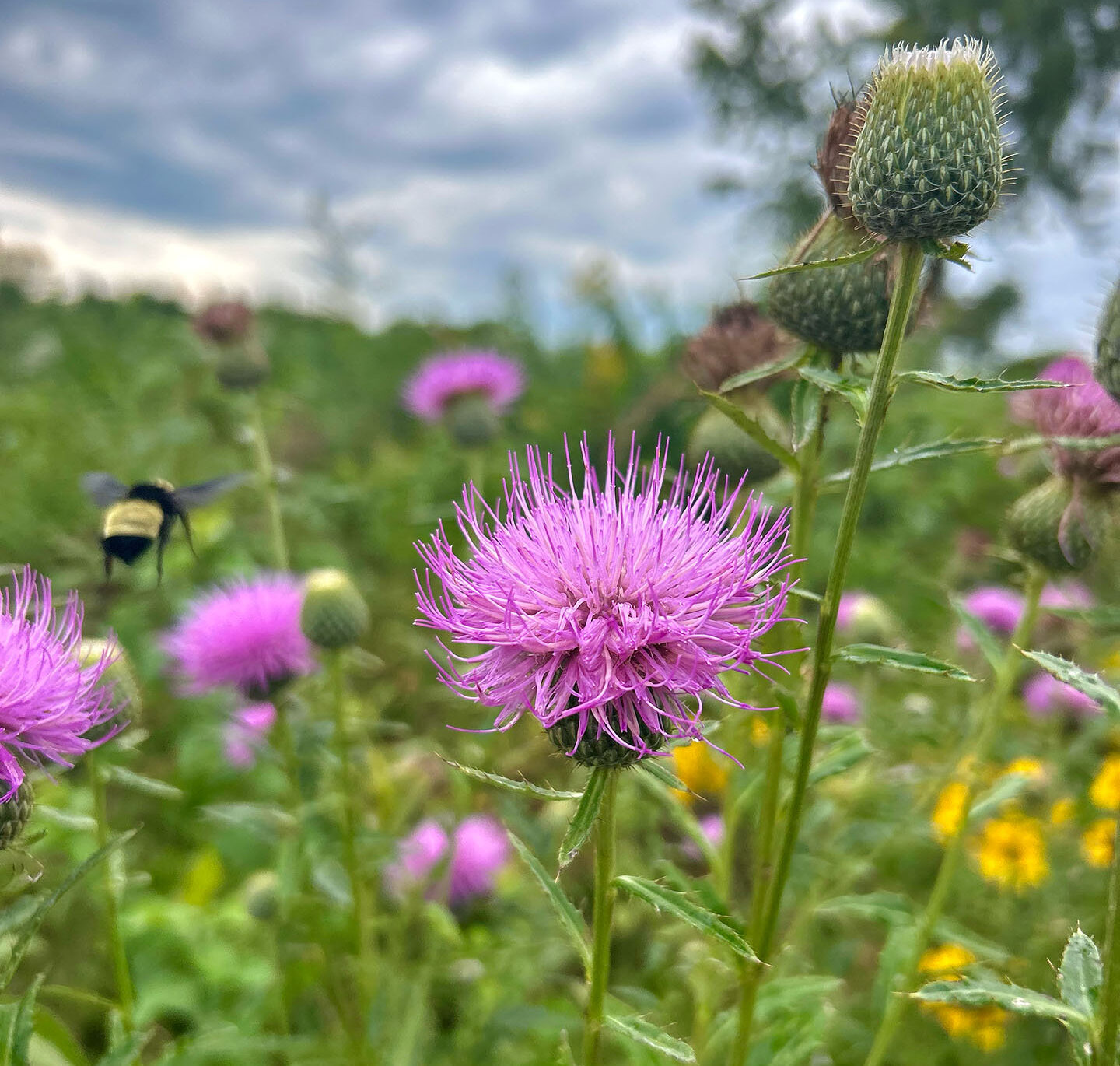
In Caring for Our Kin: Stories of Indigenous Environmental Stewardship, the College Fund shares the stories of Indigenous environmental leaders who are centering kinship and relational knowledge to build healthy ecological systems. These stories remind us that caring for the Earth means caring for one another—and that Indigenous knowledge systems continue to offer guidance, resilience, and hope for the future.
Learn more about our Environmental Stewardship Program.
Ekvnv Vcayecet. Mvto!
(Take care of the Earth/Land. Thank you)
More Blogs
UPS Foundation Grants $160,000 to American Indian College Fund
The American Indian College Fund received $150,000 from The UPS Foundation to provide scholarships for tribal college students and $10,000 in support of The Flame of Hope Gala, which raises money for scholarships.
The Honor in an Honorary Degree – By Hattie Kauffman
On June 15, 2013 Eastern Washington University presented me with an Honorary Doctorate. Yes, we all know that honorary degrees aren’t the same as real ones. I didn’t spend years in a PHD program or sweat over a dissertation. Yet when the honor came … I felt an immense...
American Indian College Fund Names 2013 Blanchard Faculty Member of the Year Awardees
As college graduations wind to a close, it is fitting to acknowledge the people that help our students to succeed-tribal college faculty. The Blanchard Faculty Member of the Year Award recognizes one distinguished faculty member at each of the tribal colleges who exemplifies a commitment to students, scholarship, teaching, and service to Native communities.
Nake Nula Waun – In Honor of Albert White Hat
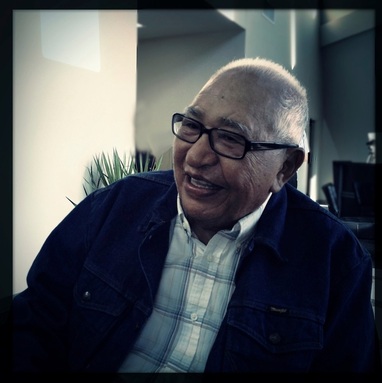
We share with you in deep sadness that Albert White Hat made his journey to the Spirit World on June 11, 2013. Our condolences and prayers are with Albert’s family at this time. As we grieve over our loss of an amazing teacher, spiritual leader, and friend, Albert will never be forgotten.
Sacred Books for Little Ones
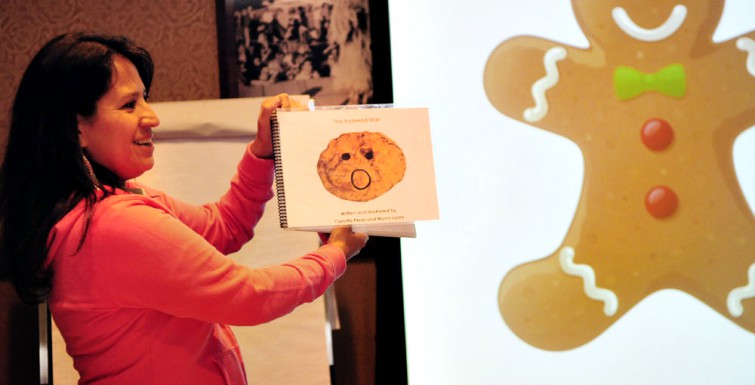
Nestled between the Lummi Bay and Bellingham Bay in Northwest Washington State, four tribal college early childhood education programs brought their knowledge together among the thicket of tradition and scenery on the Lummi Indian reservation. The Wakanyeja Early Childhood Education Initiative tribal college grantees of Northwest Indian College, College of Menominee Nation, Southwestern Indian Polytechnic Institute (SIPI) and Ilisagvik College gathered last week for their annual Sacred Little Ones convening on the Lummi reservation.
SIPI Early Childhood Student is accepted into the Charles Carl Program at Yale University
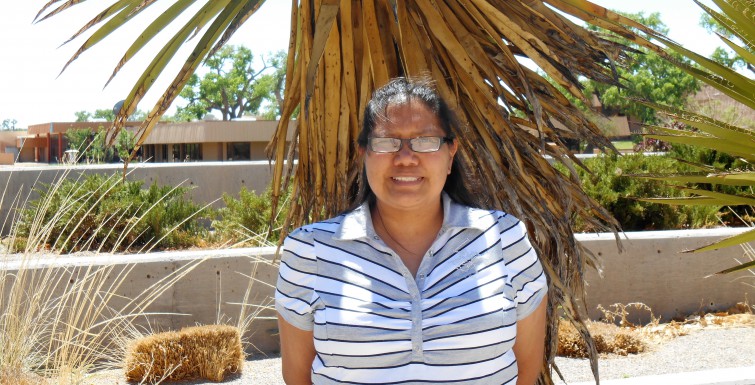
Southwestern Indian Polytechnic Institute (SIPI) is proud to announce that Andrea Vicente, a student in the Early Childhood Education program, has been awarded the opportunity to participate in the Charles Carl Program for Students and Faculty at Yale University’s Child Study Center.
World Premier Celebration for Disney’s “Lone Ranger” to Benefit Fund
Walt Disney Studios Chairman, Alan Horn, announced today that ticket sales from the highly anticipated World Premiere of Disney/Jerry Bruckheimer Films’ “The Lone Ranger” will benefit the American Indian College Fund.
Dr. Jill Biden Blogs About Navajo Technical College Graduation
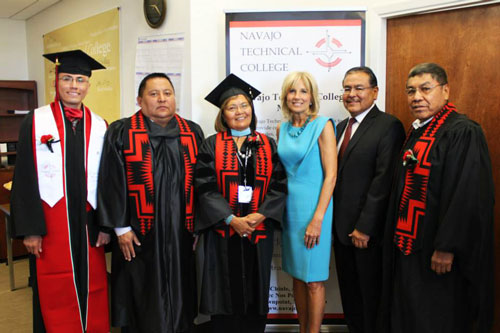
Dr. Jill Biden, a community college teacher and wife of U.S. Vice President Joseph Biden, honored Navajo Technical College by speaking at their commencement ceremony. She writes about the important role Tribal Colleges and Universities (TCUs) play in President Obama’s educational goal of making the United States home to the best-educated, most competitive workforce in the world.
College Fund Names Bill Black, Tom Brooks, and Jeffrey Fillerup to Board of Trustees
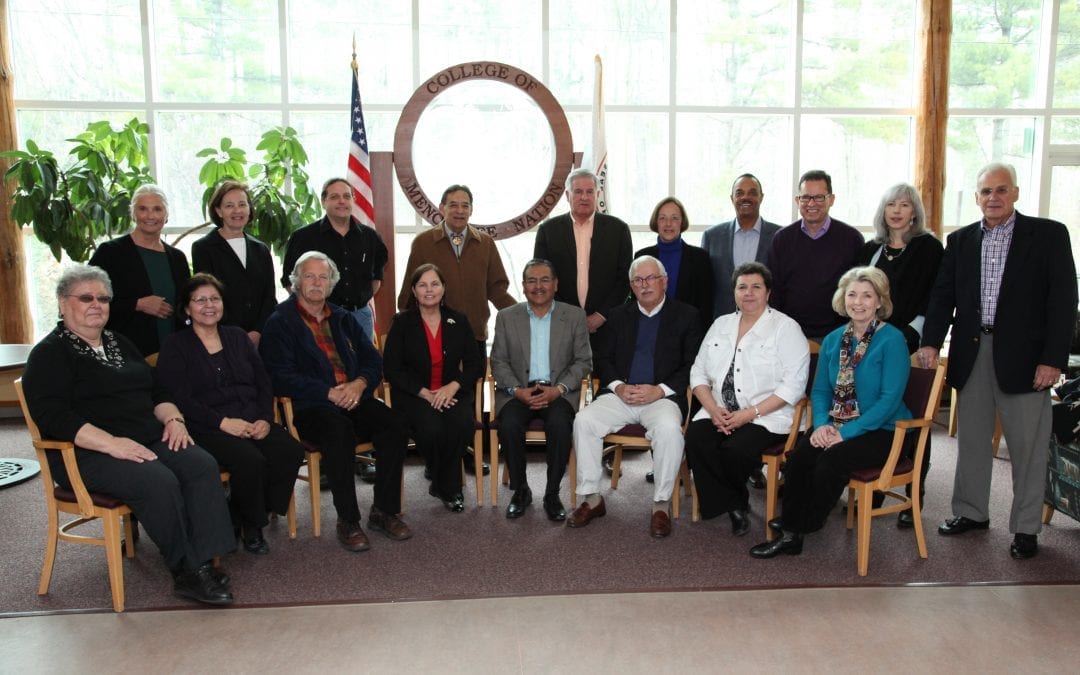
The American Indian College Fund named three new members to its Board of Trustees at its 2013 quarterly spring meeting in Green Bay, Wisconsin. New trustees include Mr. Bill Black, Vice President and Executive Director of the Comcast Foundation and Director of Community Investment for Comcast Corporation; Thomas S. Brooks, Vice President, AT&T External & Legislative Affairs; and Jeffrey Fillerup, Partner, McKenna Long & Aldridge LLP.
American Indian College Fund Hosts an Open House and Opening Night of “Open Identities” a Printmaking Art Exhibition
The American Indian College Fund (the Fund) is hosting an open house, Friday, May 17, 2013, at 8333 Greenwood Blvd., Denver, CO. The event begins at 5:00 p.m. and ends at 7:00 p.m. The open house was initially envisioned by Fund President Cheryl Crazy Bull as an opportunity to visit with the Fund’s local supporters, Native community members, family, and friends.