
Planting the Seeds of Cultural Sustainability
April 22, 2026 | Student Ambassador Aiyanna Tanyan’s (Seminole Nation of Oklahoma) work to reclaim food sovereignty
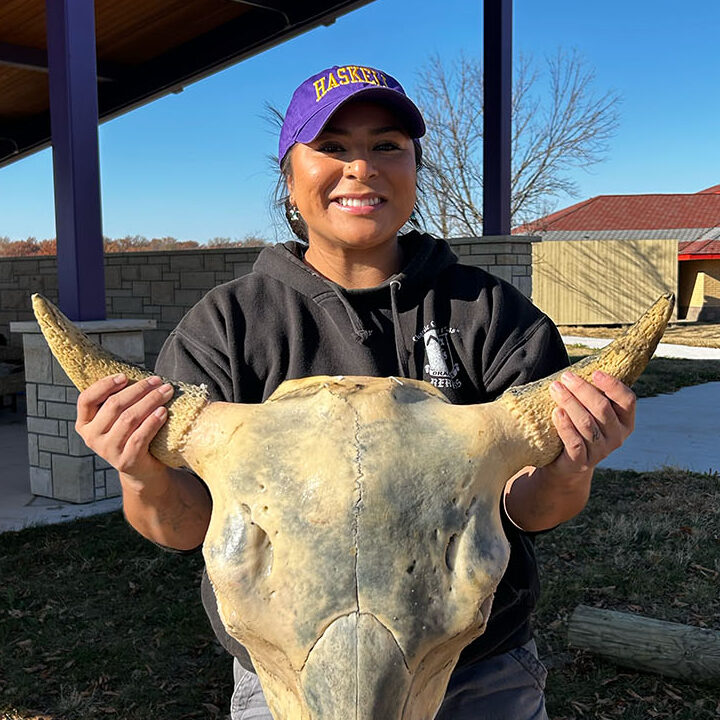
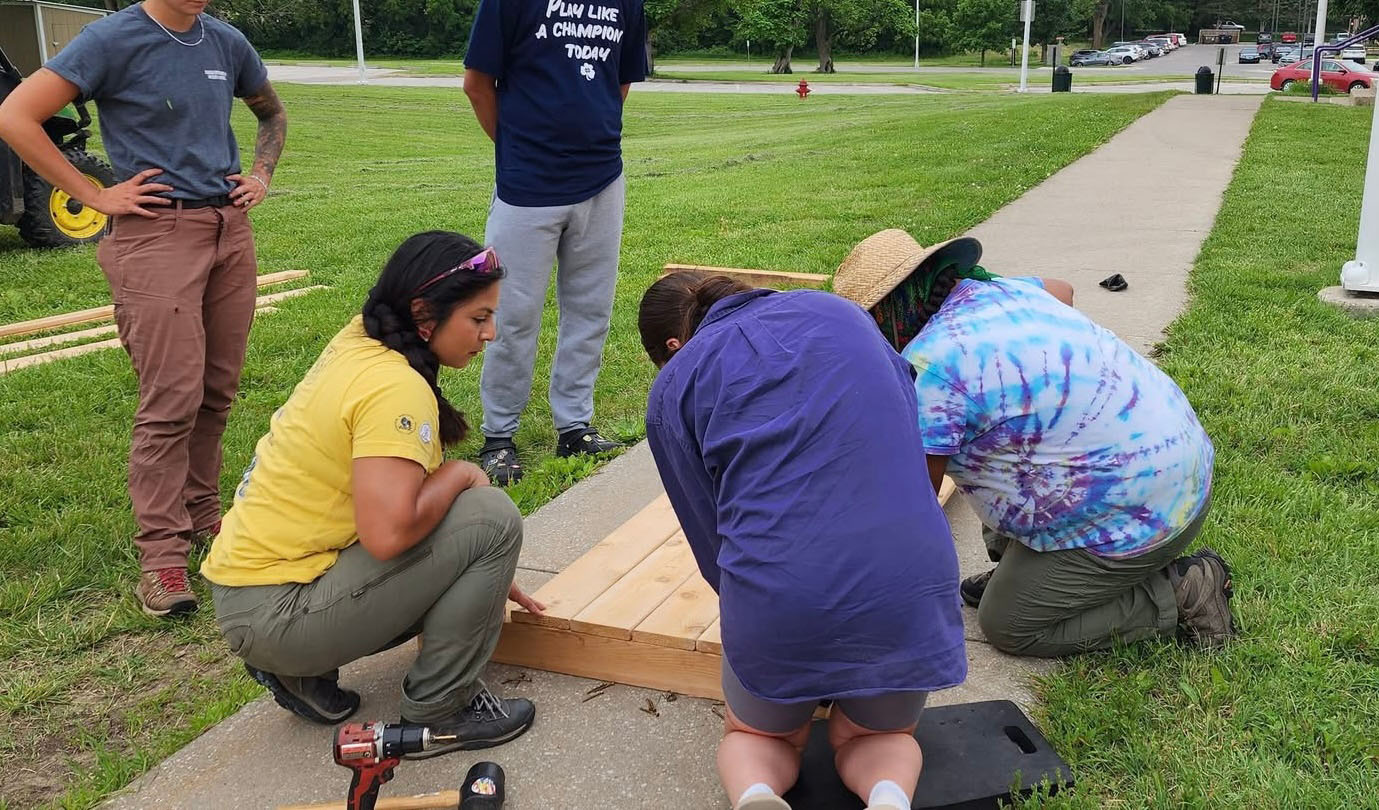
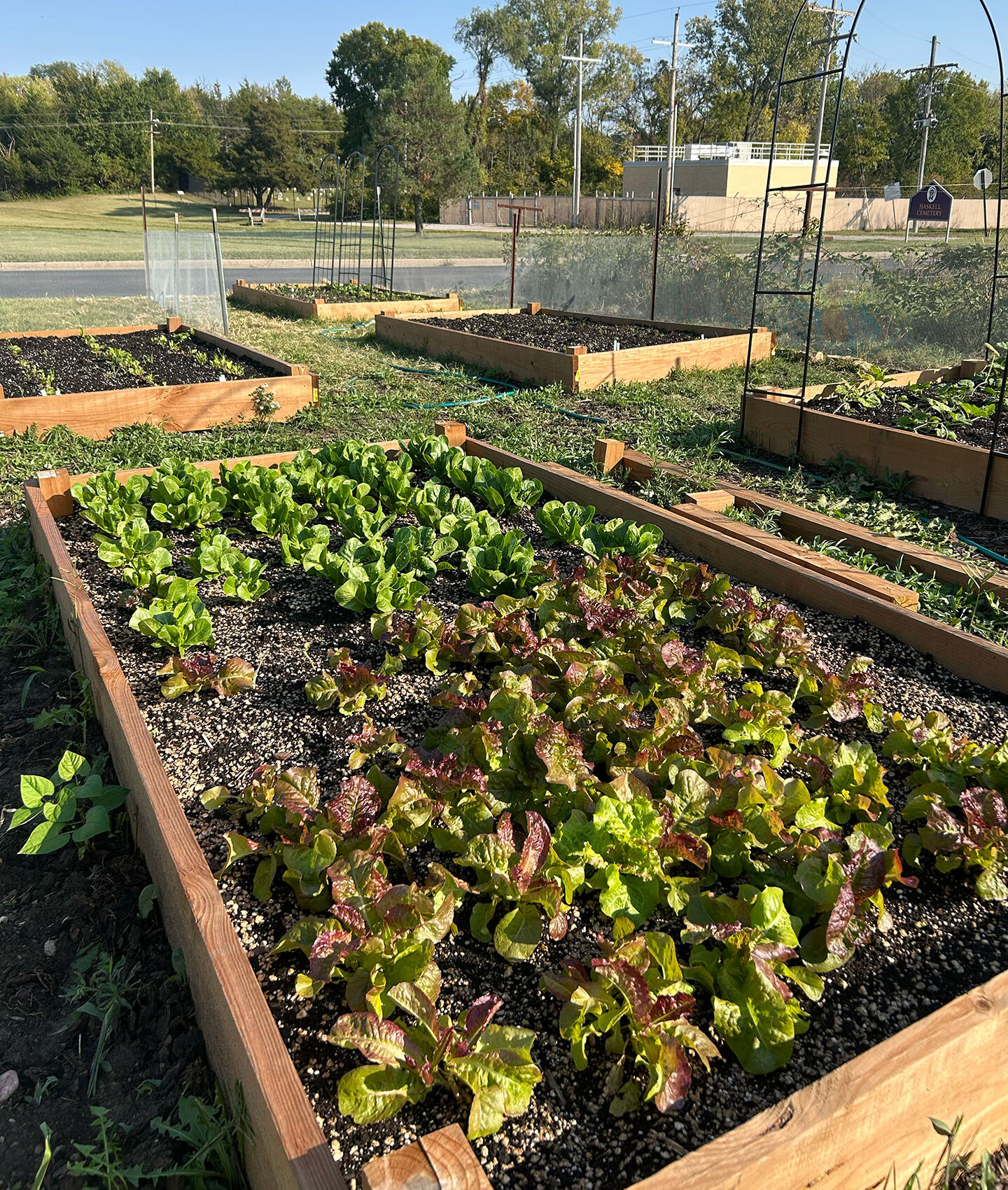
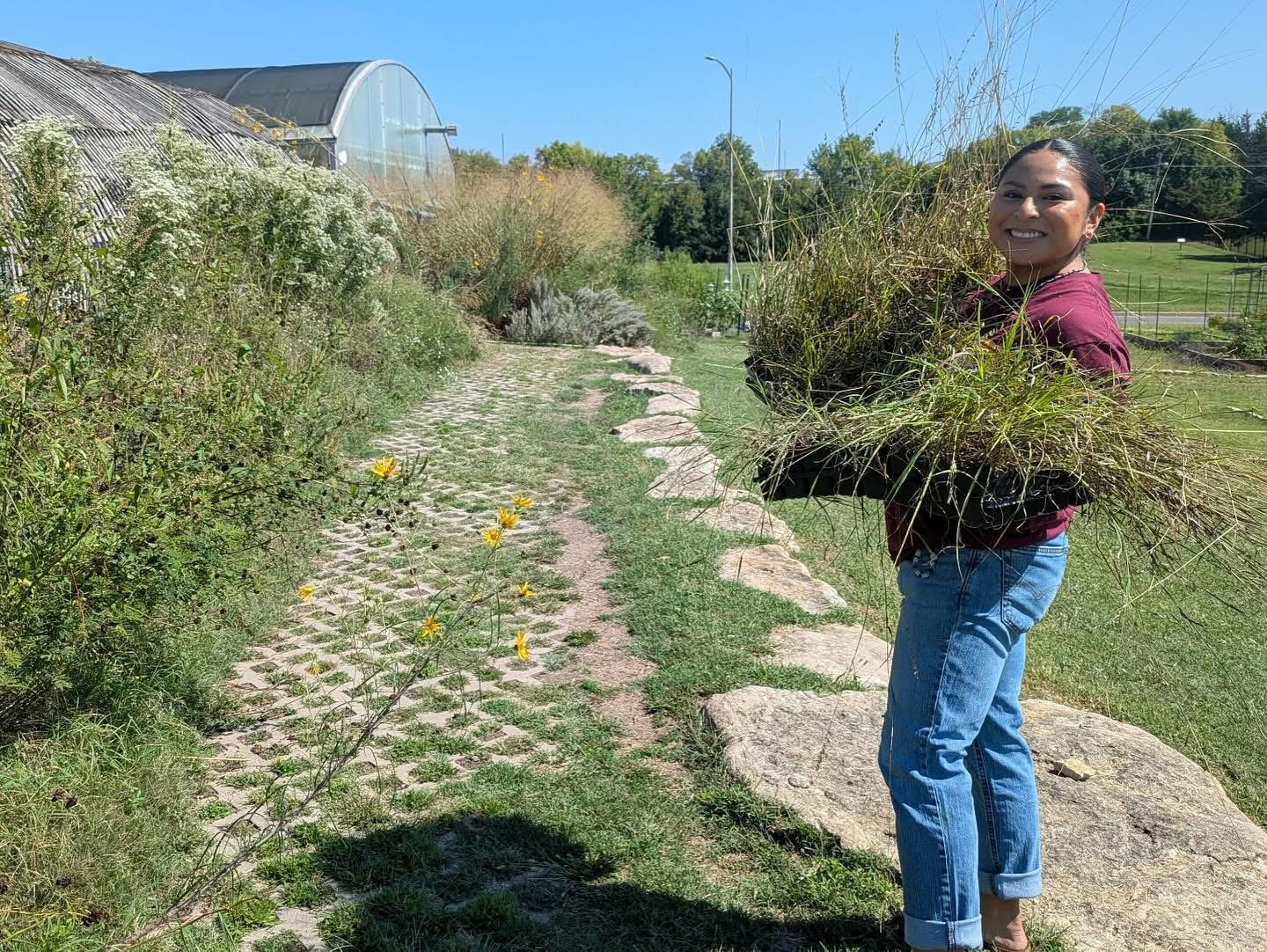
We came up with the idea of building raised garden beds near the dorms so students can easily access fresh foods and learn how to grow them themselves. Through support from the Haskell Greenhouse (funded through the USDA Equity Grant), we started building.
Last year was our first year doing this project and it was a learning experience as with many community-based projects, it comes with trial and error. However, that process taught us a lot about what works, what doesn’t, and how to build something more sustainable moving forward. This year, we’re continuing this work with stronger systems, more involvement, and a clearer vision.
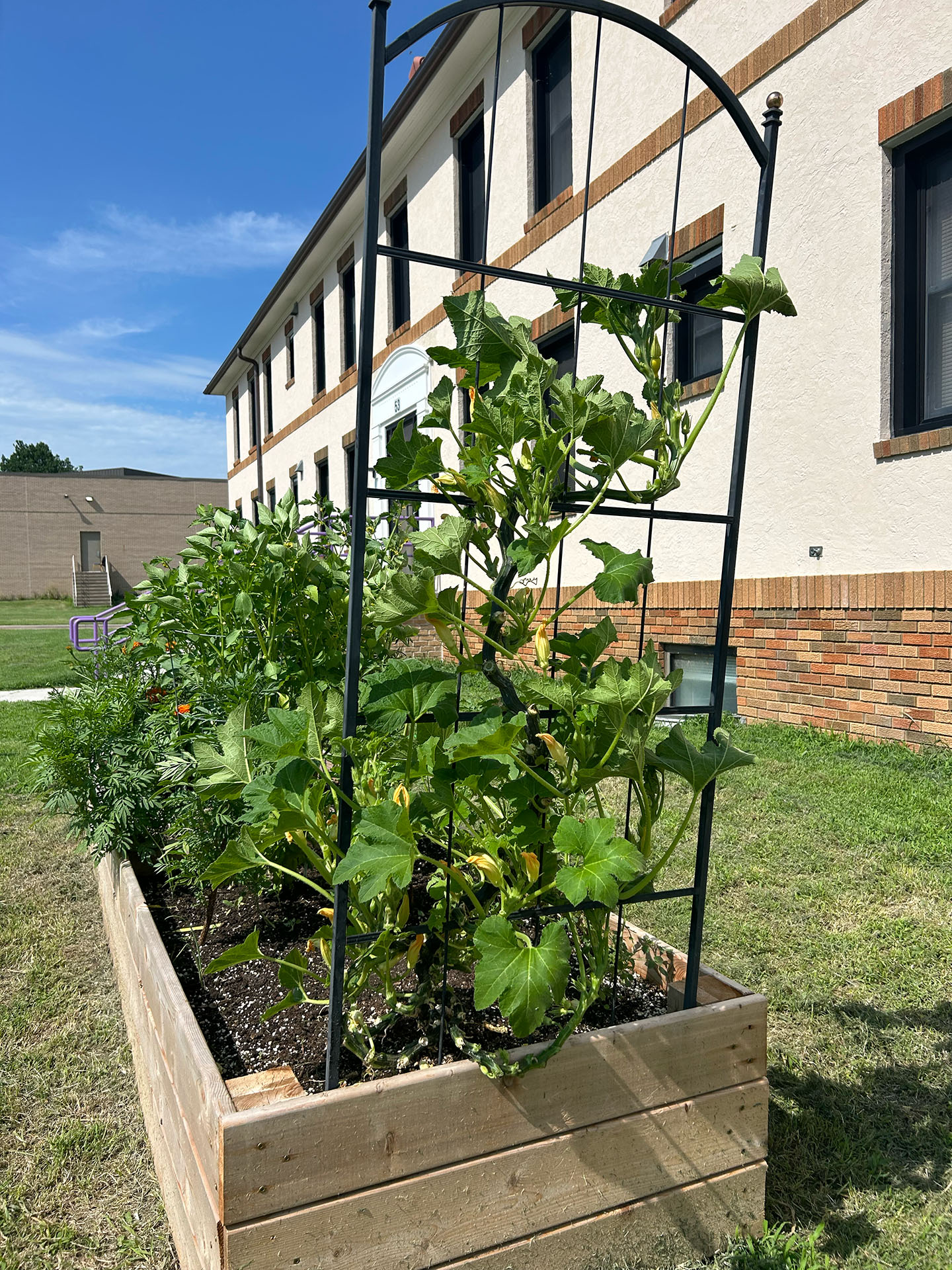
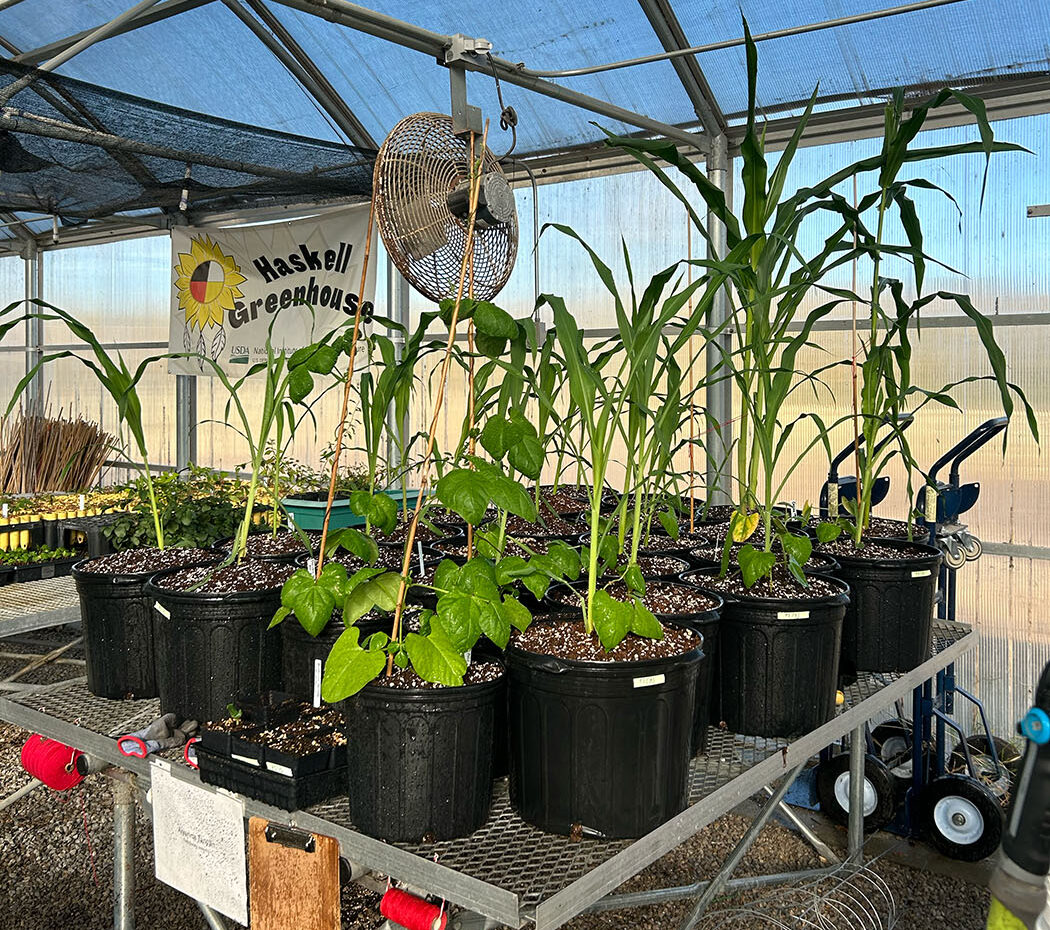
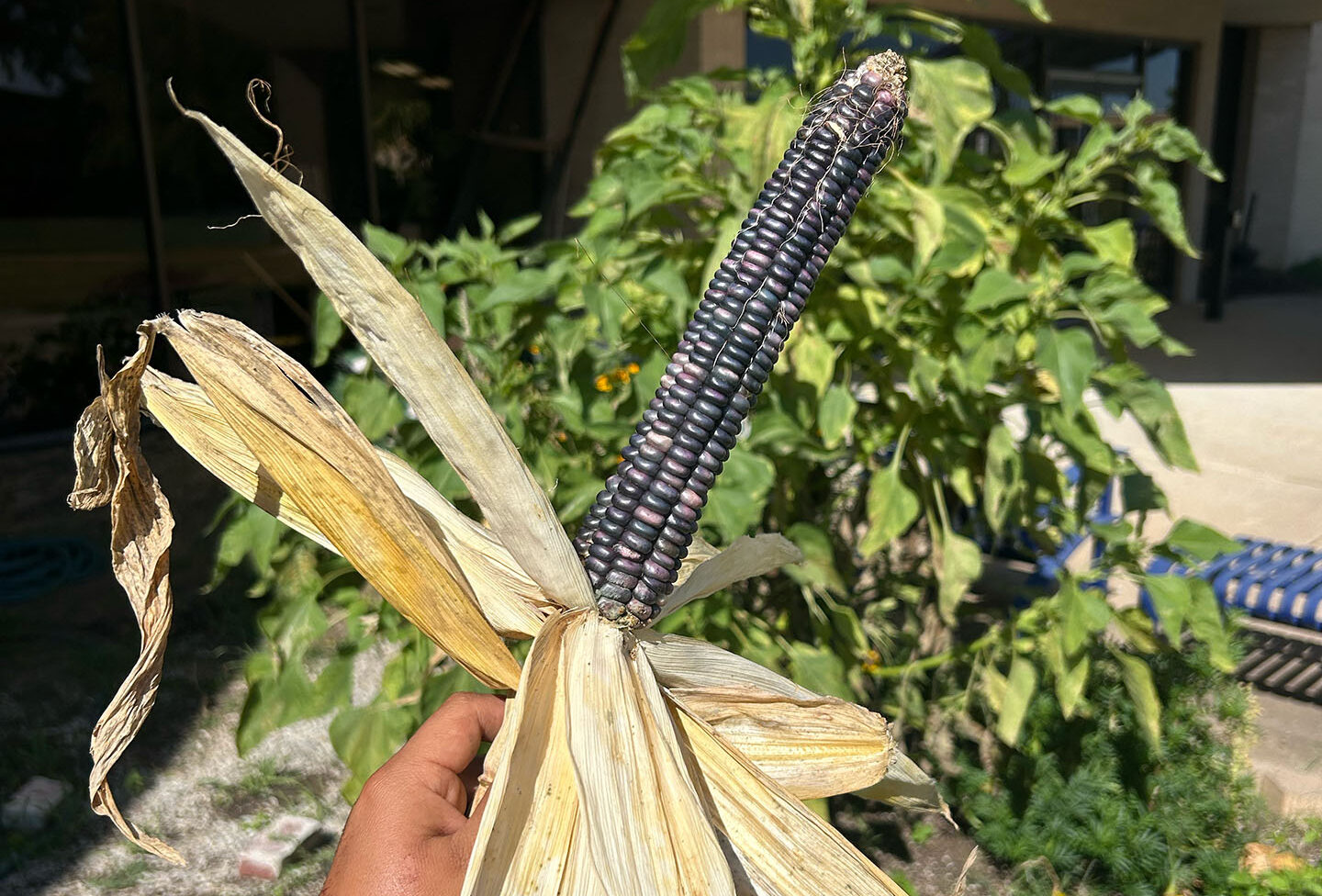
Everyone at the Haskell Greenhouse wants to help others learn, value, and view these spaces as places of teaching. I know they have taught me so much about responsibility and our relationship with the environment. Through these projects, we’re helping students reconnect with the land and understand the importance of food sovereignty for Indigenous communities. This work is ongoing, and we’re still learning. Every seed planted, and every workday shared brings us one step closer to a more sustainable and connected future.
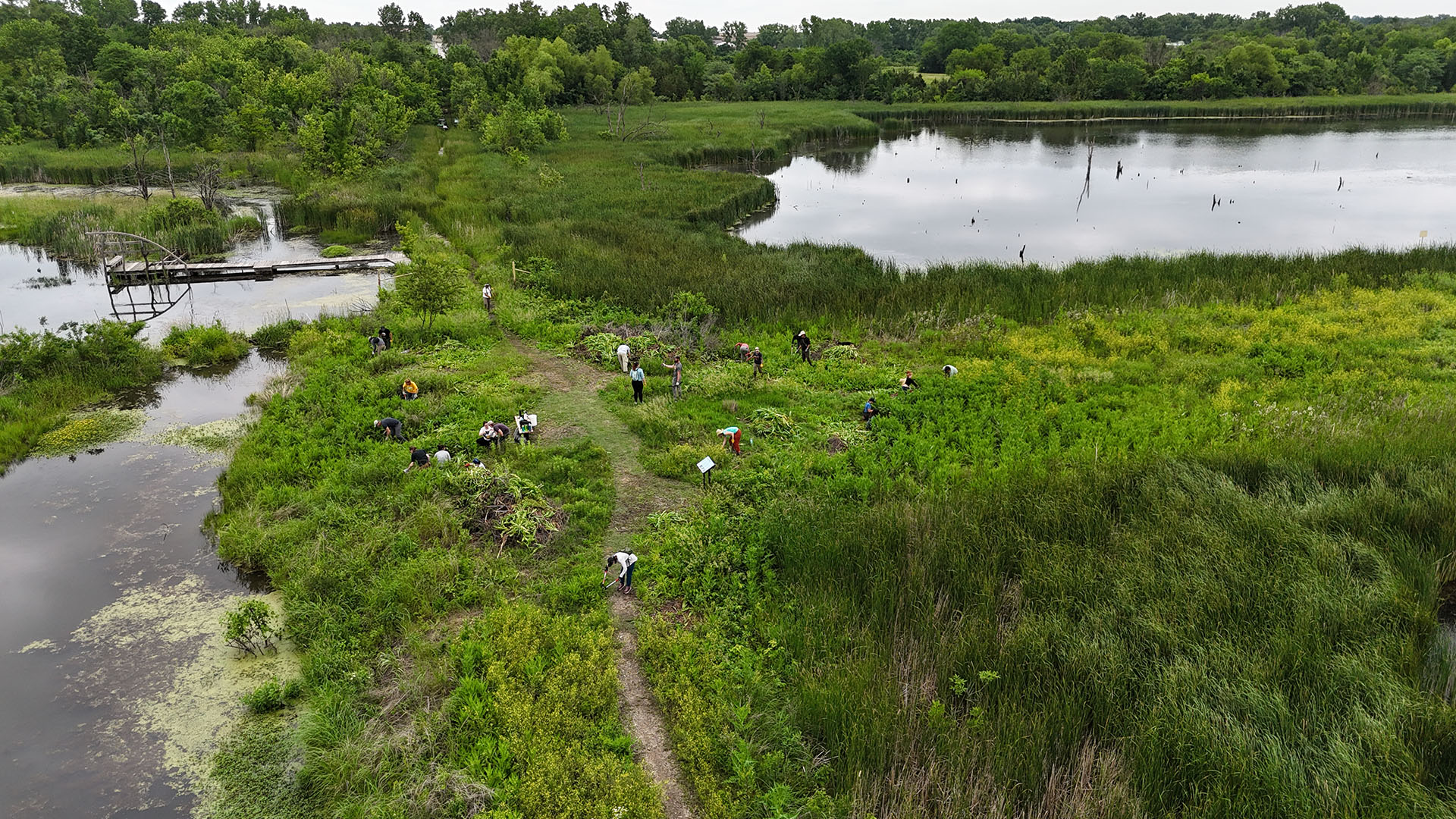
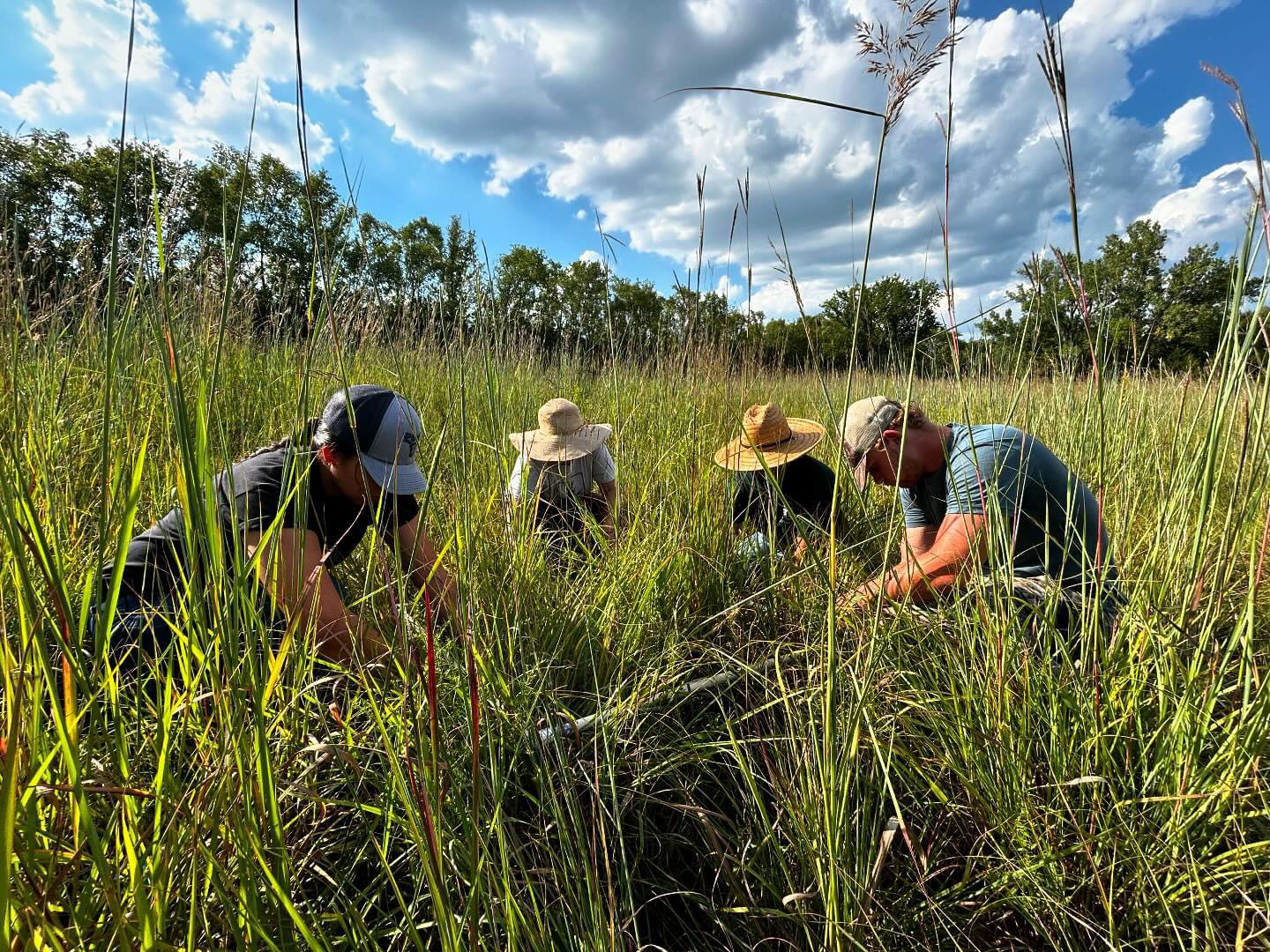
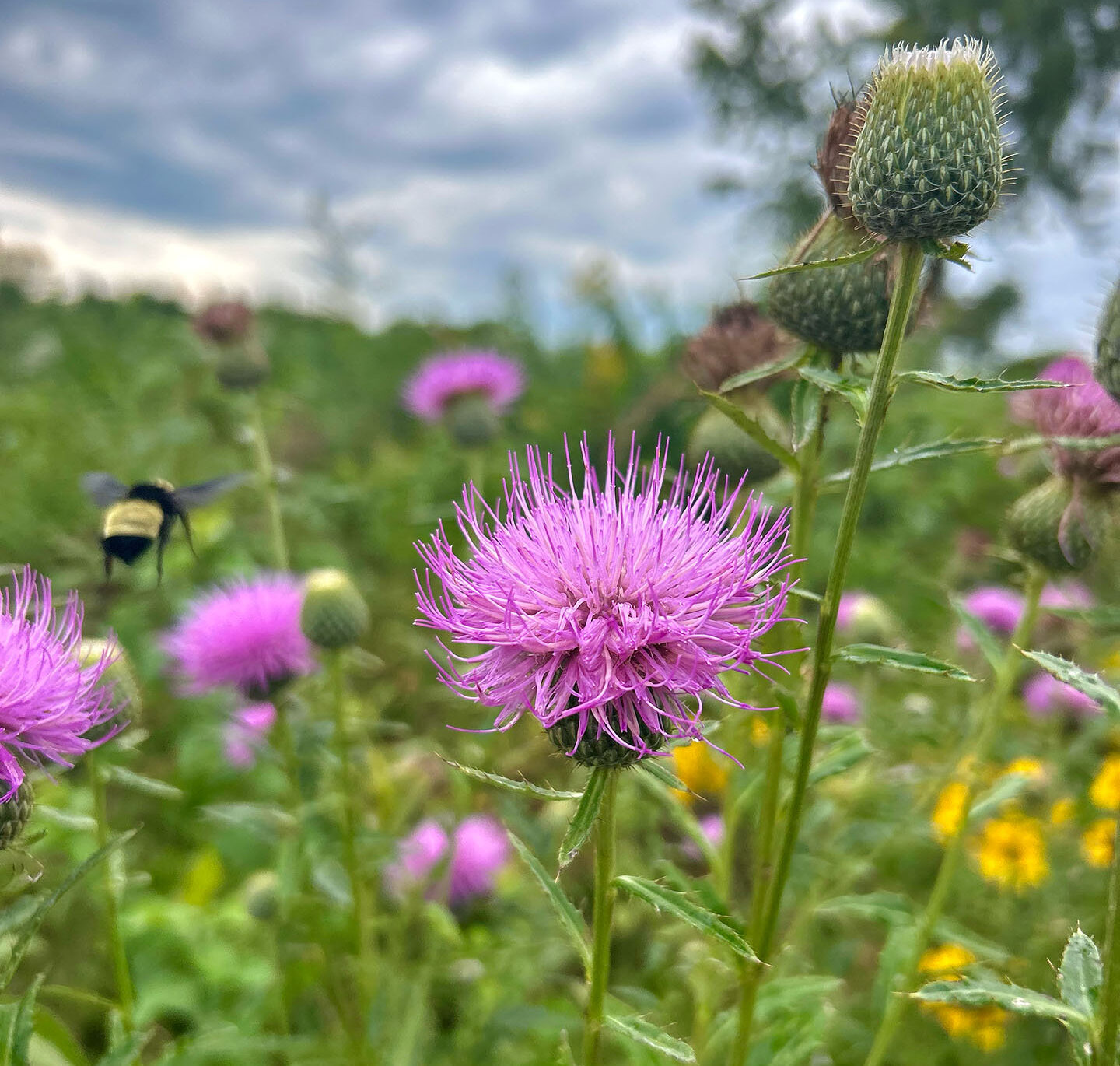
In Caring for Our Kin: Stories of Indigenous Environmental Stewardship, the College Fund shares the stories of Indigenous environmental leaders who are centering kinship and relational knowledge to build healthy ecological systems. These stories remind us that caring for the Earth means caring for one another—and that Indigenous knowledge systems continue to offer guidance, resilience, and hope for the future.
Learn more about our Environmental Stewardship Program.
Ekvnv Vcayecet. Mvto!
(Take care of the Earth/Land. Thank you)
More Blogs
Native students CAN fight diabetes
Many Native students are entering health care fields to stem the tide of diabetes that is engulfing Indian Country. However, you don’t have to give in to the thought that diabetes is inevitable just because you are Native. Sure, it’s important for Indian Country to have trained health care workers to treat those who already have been diagnosed with diabetes, but the war on diabetes is best fought with prevention.

American Indian College Fund Receives $200,000 from USA Funds for Scholarships
USA Funds awarded $200,000 to the American Indian College Fund to provide scholarship support to American Indian students attending tribal colleges and universities (TCUs) across the United States. The USA Funds Tribal College Scholarship Program will provide 90 scholarships of $2,000 each to Native students. In the last decade, this program has helped nearly 2,000 students work toward obtaining a higher education.
The Fund and Brazelton Touchpoints Center ® Partner for Early Childhood Education Projects
The Wakanyeja “Sacred Little Ones” Early Childhood Education Initiative at the American Indian College Fund announces a partnership with the Brazelton Tribal Touchpoints Initiative at the Brazelton Touchpoints Center® in Boston, Massachusetts.
Native Students Honored at AIHEC Conference
Over the weekend the American Indian College Fund held two events at the AIHEC Student Conference. On Saturday night the 33 American Indian College Fund Students of the Year (SOY) were recognized. Also honored was Dr. Verna Fowler (President of College of Menominee Nation) as the TCU President of the Year.
The Coca-Cola Foundation and The Fund Honor First-Generation Scholarship Recipients
Coca-Cola Scholarship recipient Larry P. Madden (Stockbridge-Munsee), a humanities major at the College of Menominee Nation gives a speech to his peers during the annual banquet at the 2012 AIHEC Student Conference. “I am here to express my humble gratitude, not only for myself, but all of Indian Country…for the efforts of the Coca-Cola Company, who has taken the time to just rememeber us; because we are often forgotten in the field of academics,” he said.
Cigna Foundation Grants $29,000 to American Indian College Fund for Scholarships
The Cigna Foundation has granted $29,000 to the American Indian College Fund (the Fund) to support Native scholarships through the Cigna Foundation Tribal Scholars Healthcare Program. The grant will provide 10 scholarships to Native students studying at select tribal colleges and universities and mainstream institutions.
Lowe’s Grants American Indian College Fund $50,000
The American Indian College Fund and the Lowe’s Charitable and Educational Foundation today announced a grant of $50,000 for a new scholarship program to support American Indian students. The grant will fund scholarships for qualified Native students in their final year of college who have financial need to complete their degree.
Stop by American Indian College Fund Booth at AIHEC
If you are a student attending the AIHEC conference in South Dakota, be sure to stop by the American Indian College Fund’s booth to learn about how to apply for scholarships.
American Indian College Fund staffer Jaime Aguilar will also be on hand to gather stories about your experiences during your studies and your photos.
Student Intern Bloggers Wanted!
We are looking for students to blog this summer about their internship experiences. Blogs would be for the duration of the internship, and should include first-person experiences and photographs. We will pay you for your blogs.
Travelers Foundation Continues College Fund Scholarship Program with $50,000 Grant
The American Indian College Fund received a $50,000 grant from the Travelers Foundation, the charitable arm of The Travelers Companies, Inc. The gift will continue the foundation’s scholarship program for the 2012-13 academic year, which supports six tribal and five mainstream American Indian college students with $4,000 scholarships. Students must earn a 3.0 grade point average and major in fields related to business, accounting, computer science, actuarial science, or math. Scholarship recipients will be selected from locations near Travelers Companies’ offices.