
Planting the Seeds of Cultural Sustainability
April 22, 2026 | Student Ambassador Aiyanna Tanyan’s (Seminole Nation of Oklahoma) work to reclaim food sovereignty
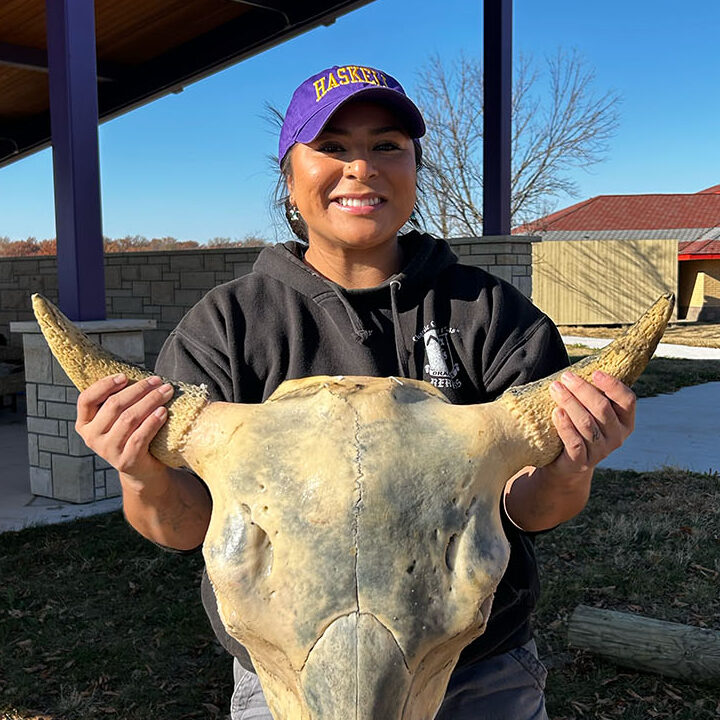
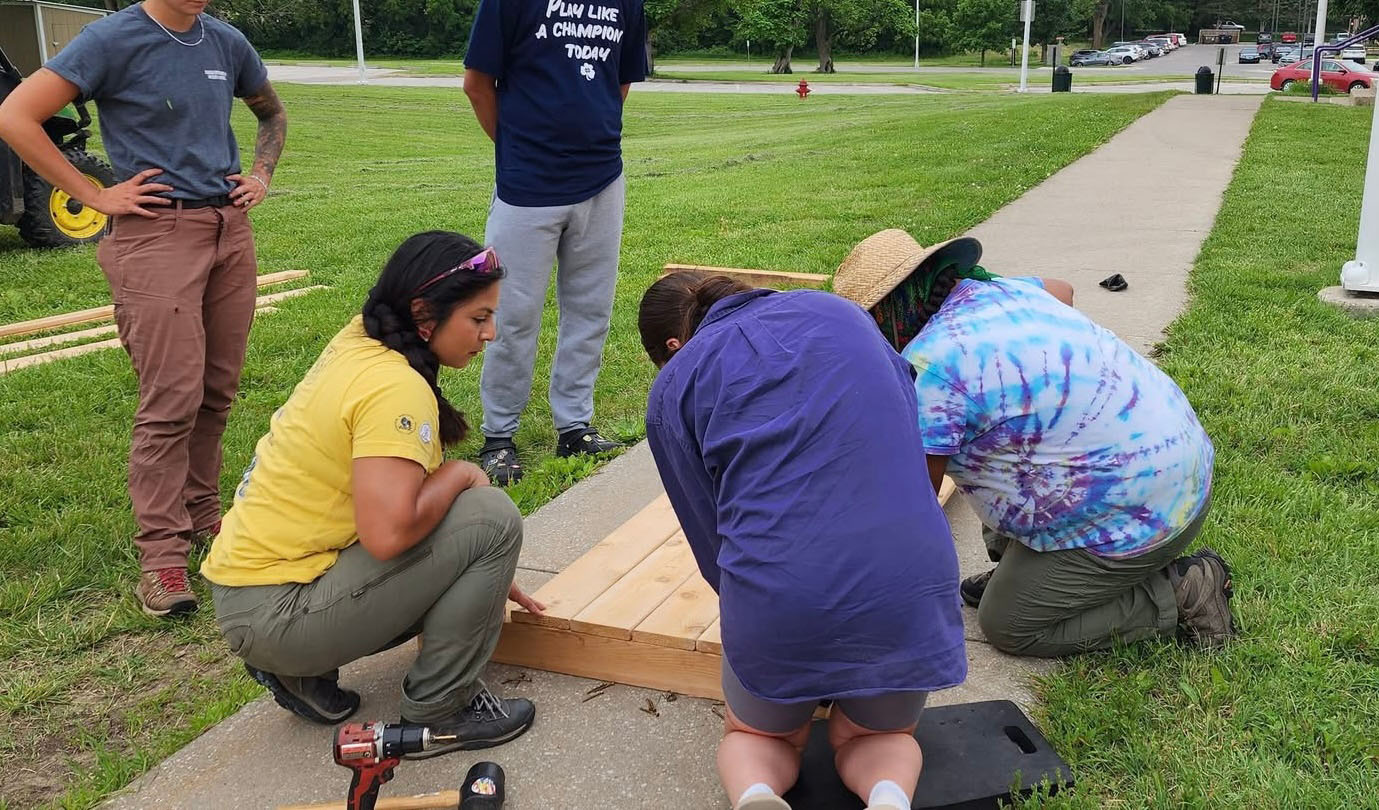
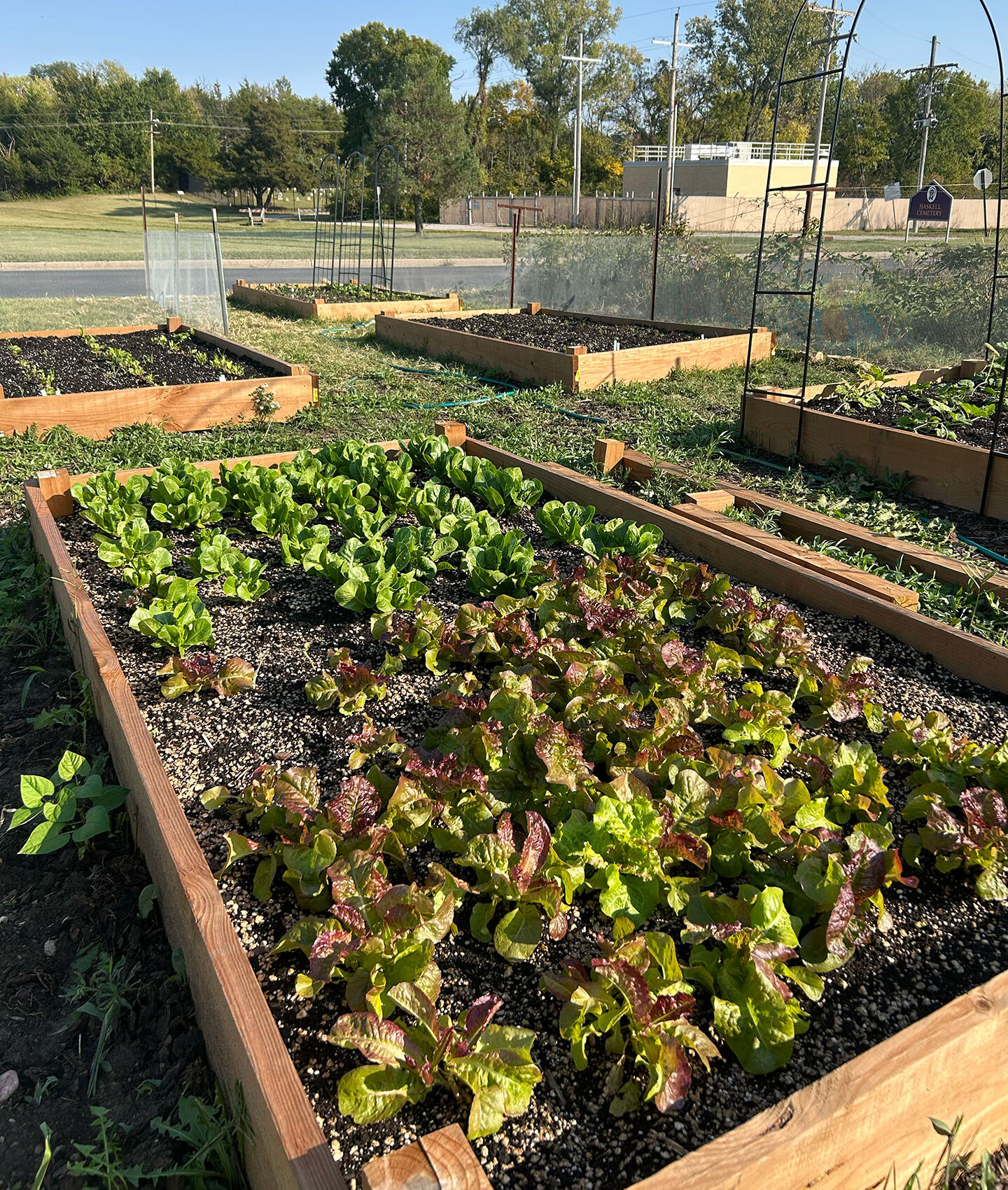
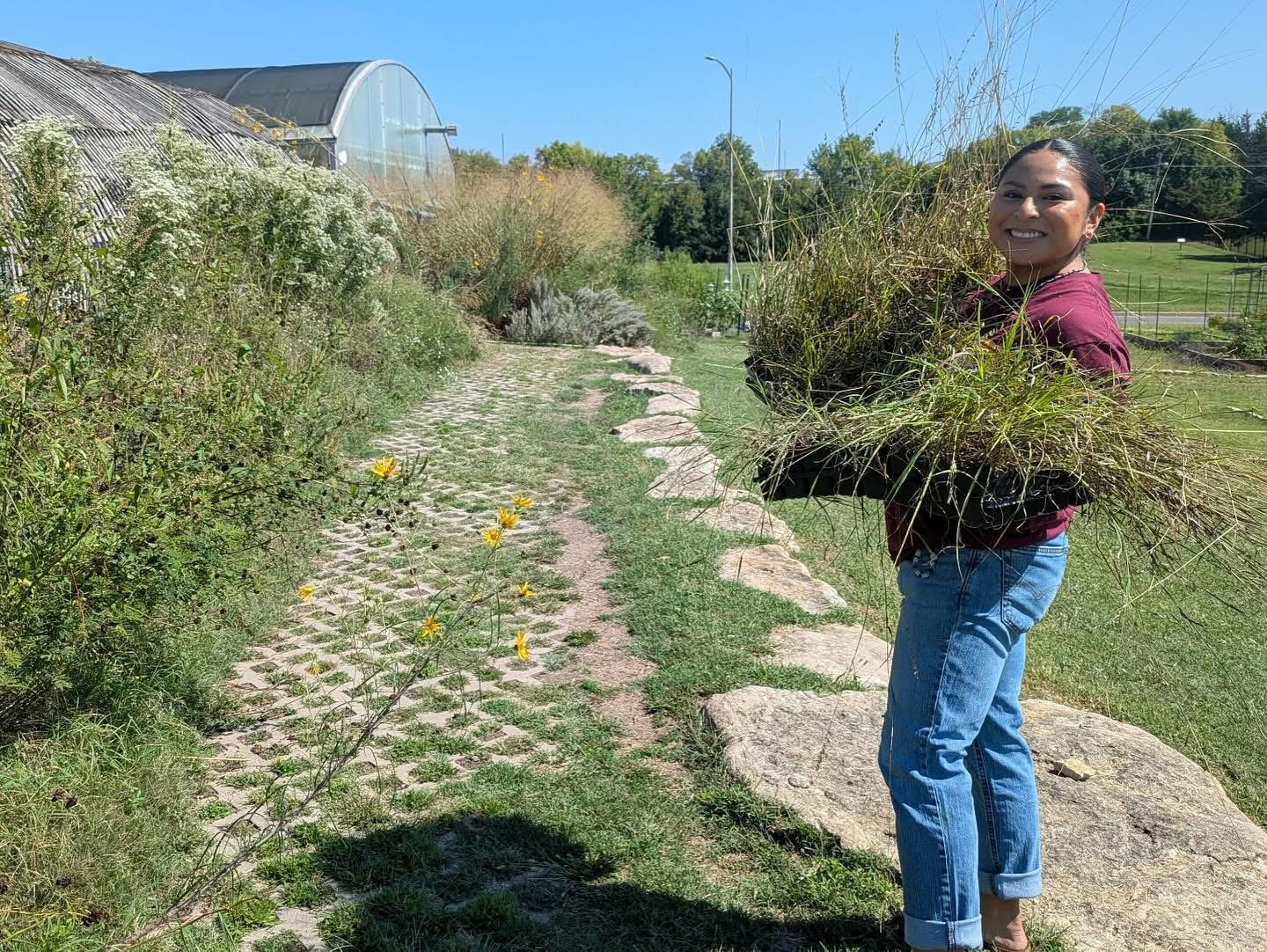
We came up with the idea of building raised garden beds near the dorms so students can easily access fresh foods and learn how to grow them themselves. Through support from the Haskell Greenhouse (funded through the USDA Equity Grant), we started building.
Last year was our first year doing this project and it was a learning experience as with many community-based projects, it comes with trial and error. However, that process taught us a lot about what works, what doesn’t, and how to build something more sustainable moving forward. This year, we’re continuing this work with stronger systems, more involvement, and a clearer vision.
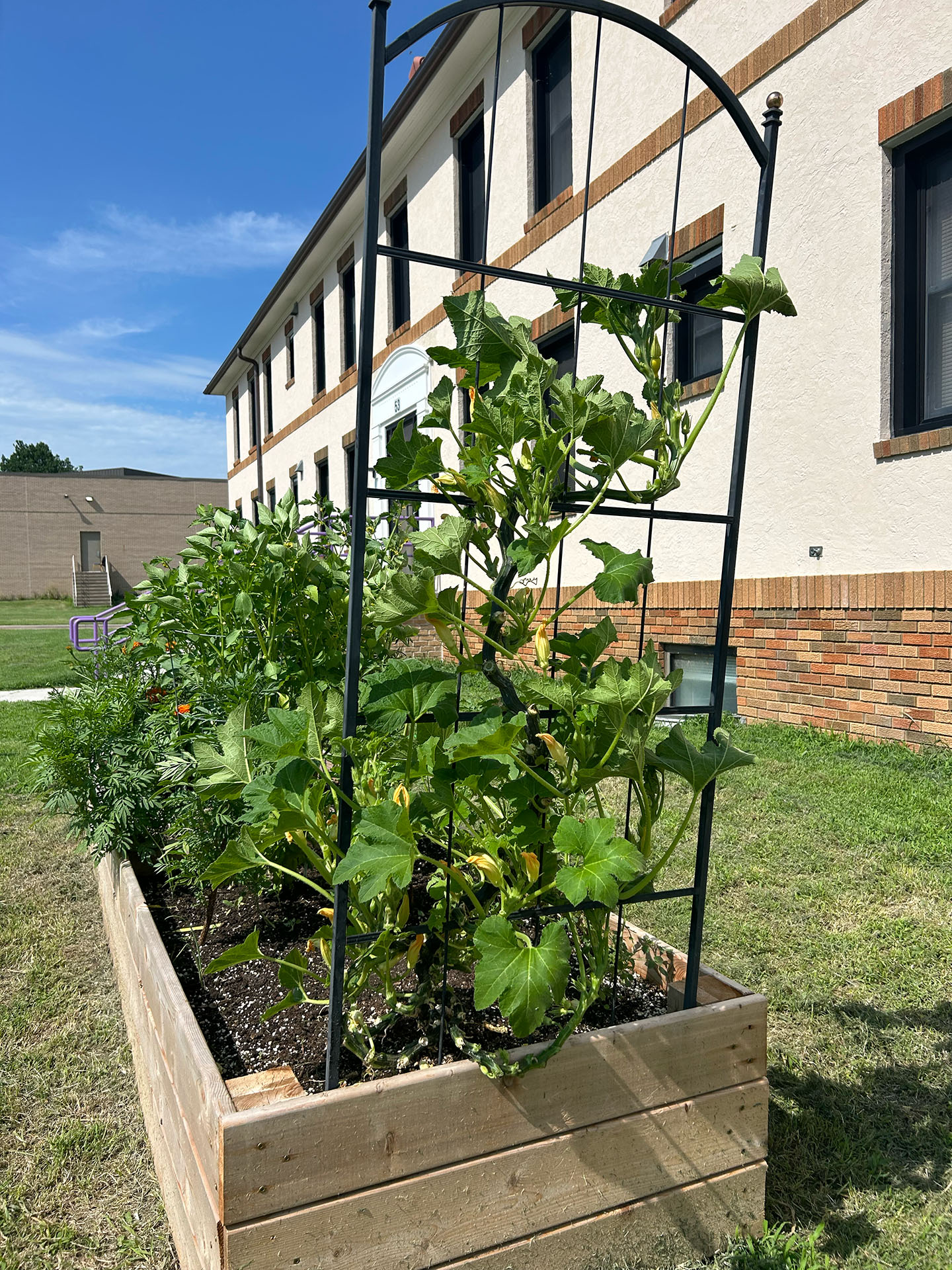
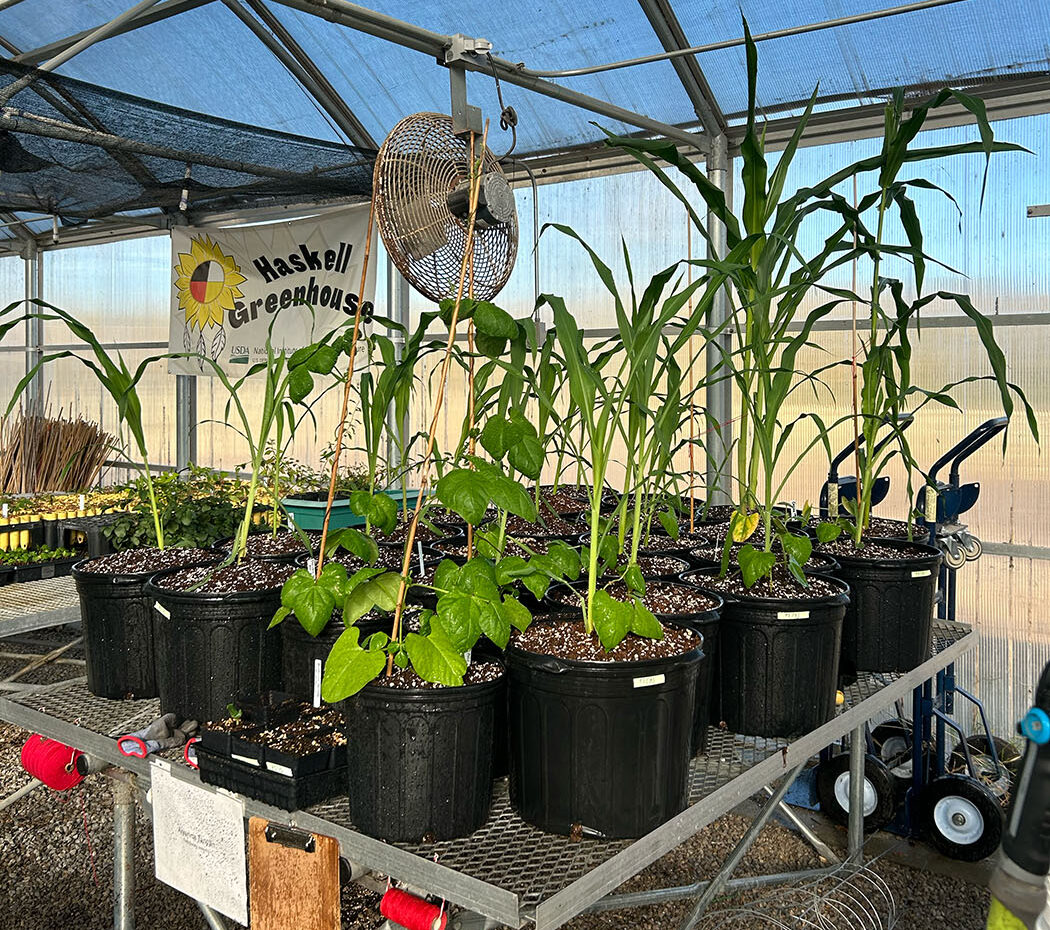
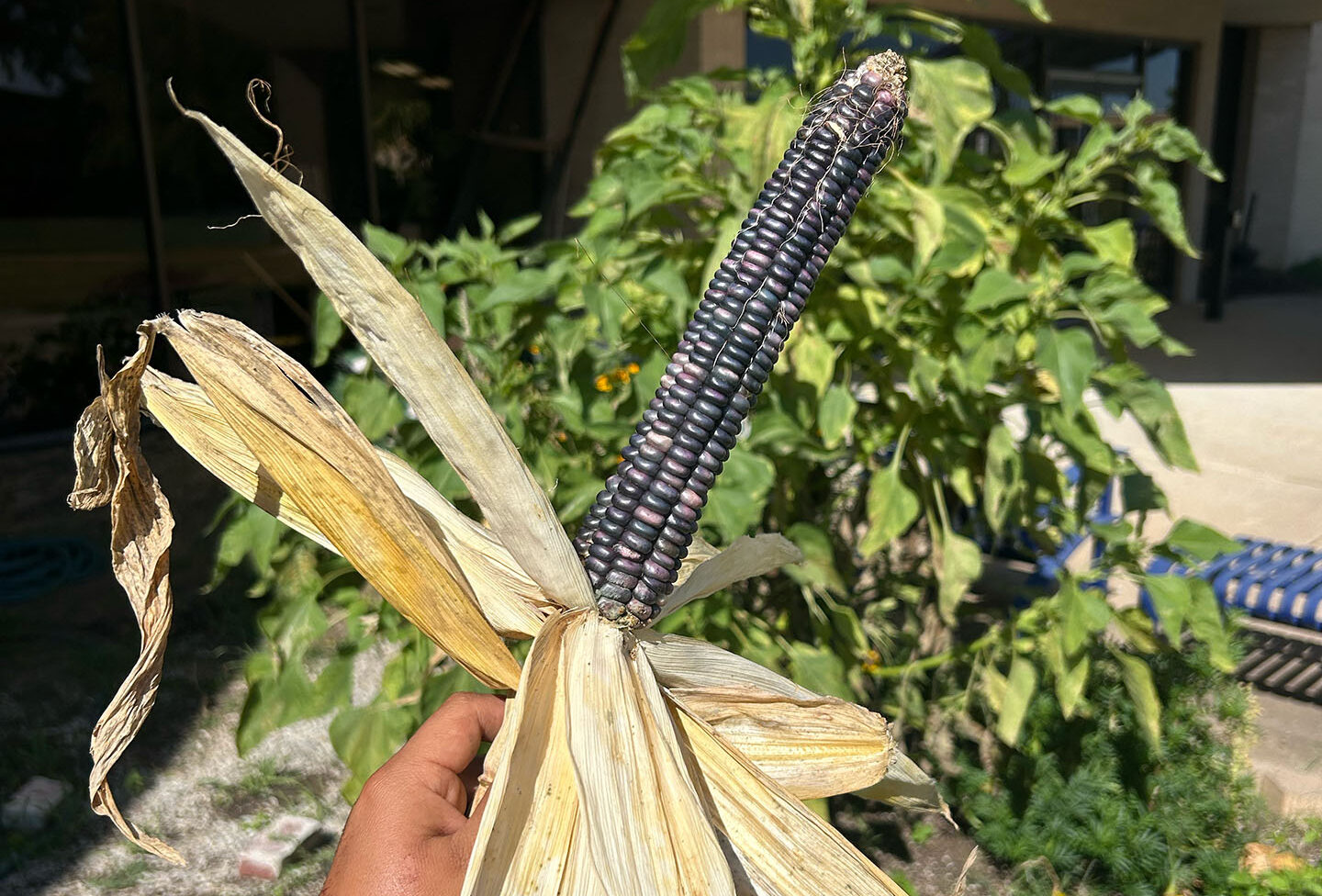
Everyone at the Haskell Greenhouse wants to help others learn, value, and view these spaces as places of teaching. I know they have taught me so much about responsibility and our relationship with the environment. Through these projects, we’re helping students reconnect with the land and understand the importance of food sovereignty for Indigenous communities. This work is ongoing, and we’re still learning. Every seed planted, and every workday shared brings us one step closer to a more sustainable and connected future.
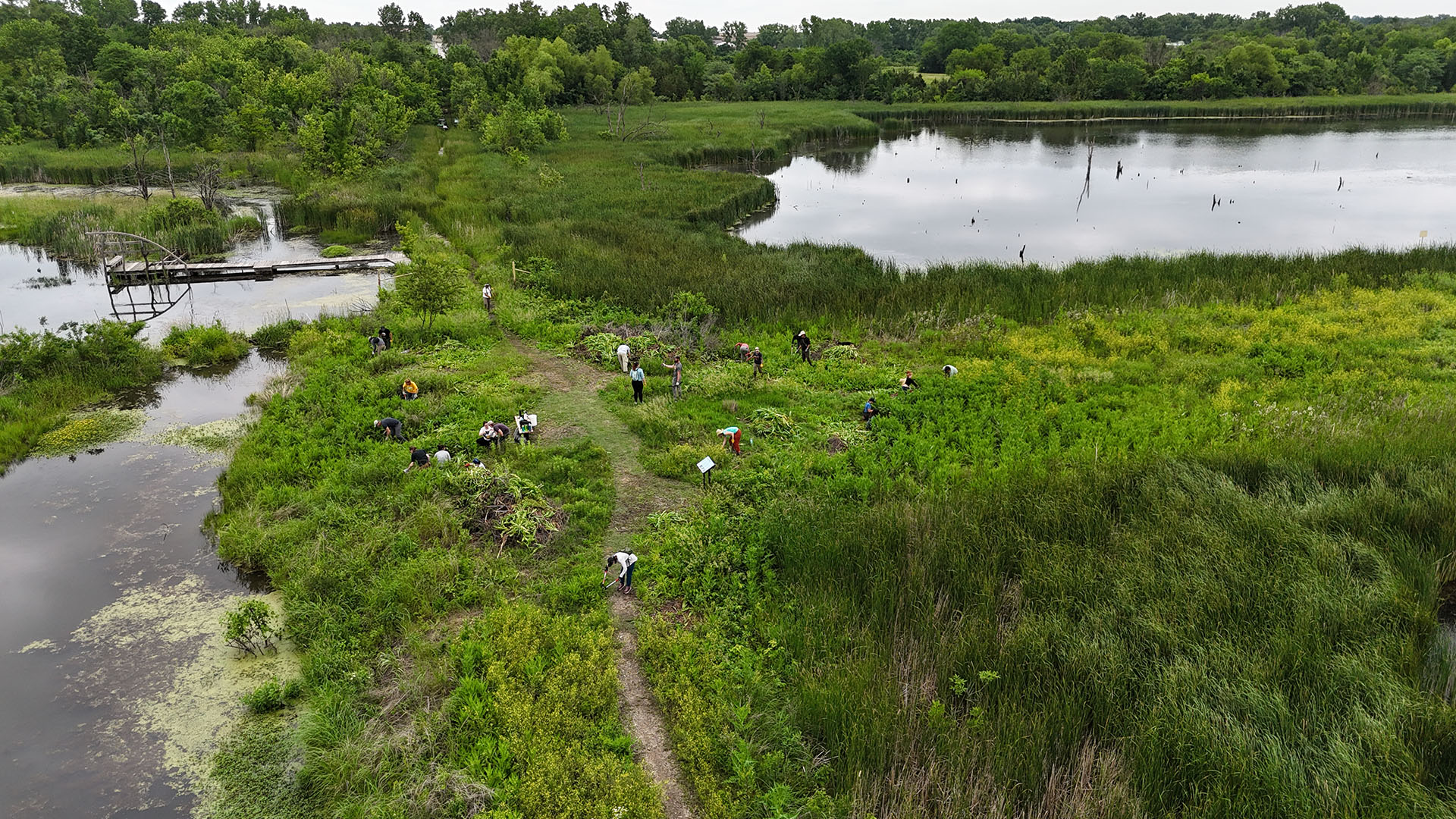
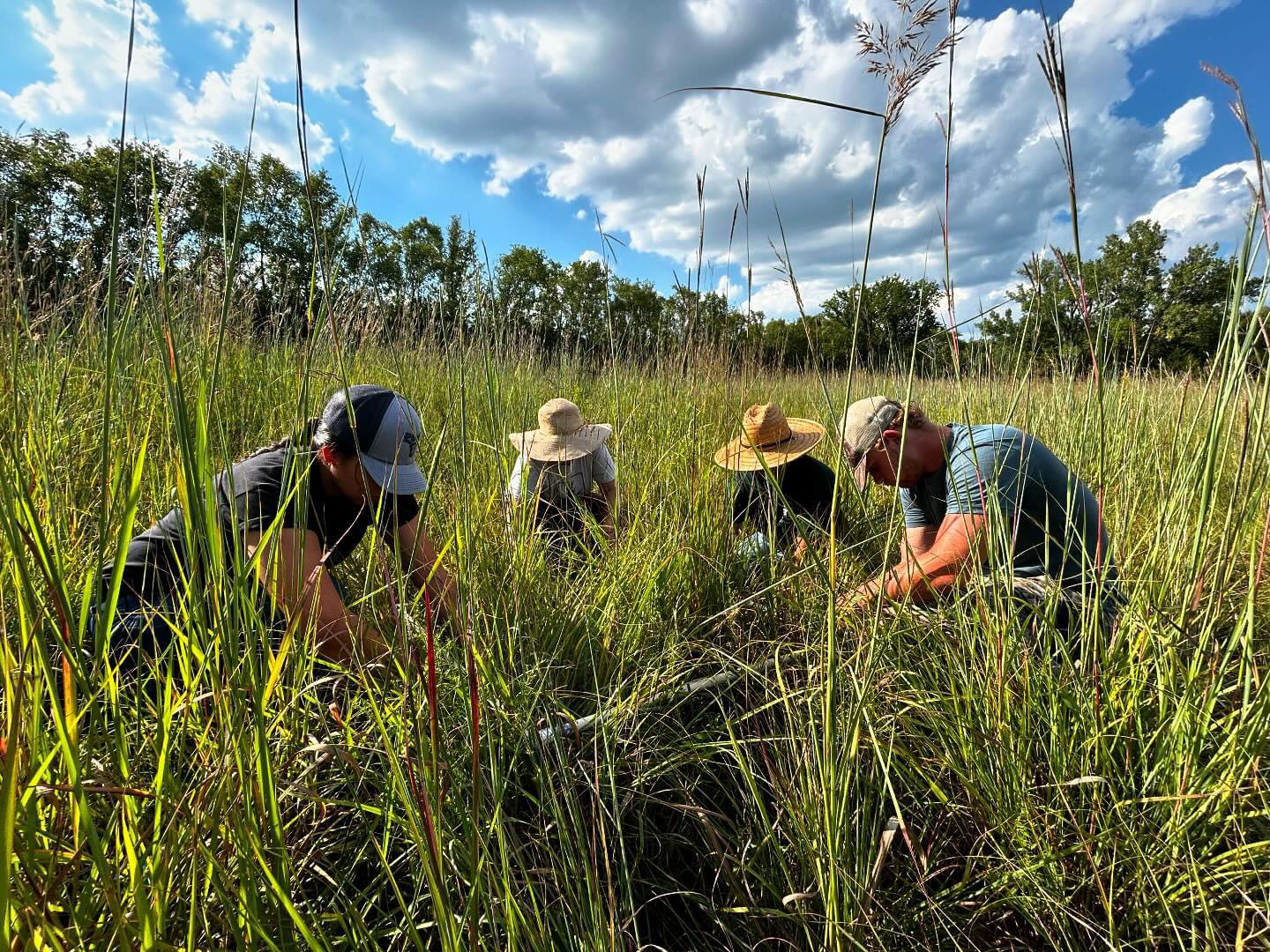
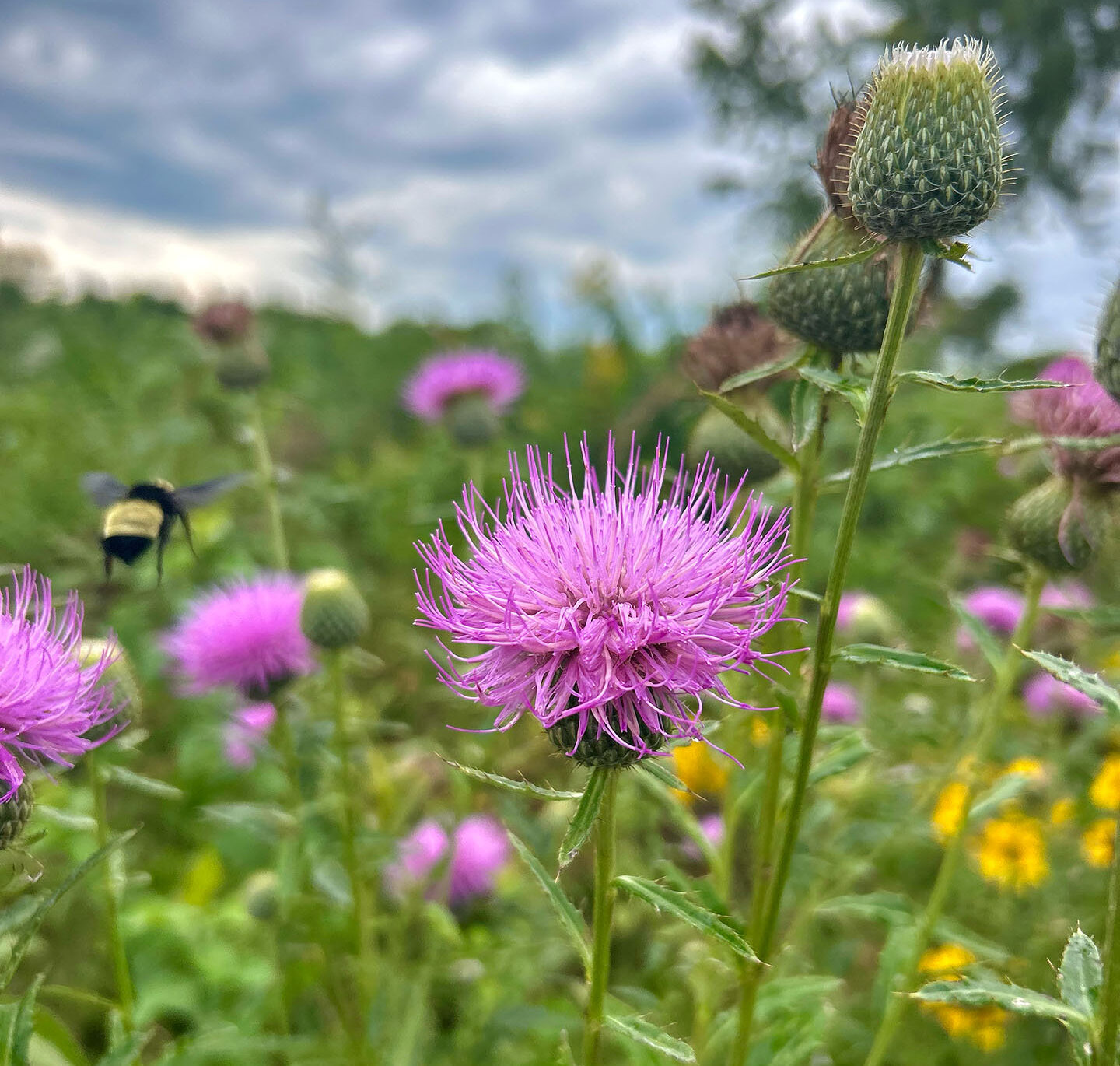
In Caring for Our Kin: Stories of Indigenous Environmental Stewardship, the College Fund shares the stories of Indigenous environmental leaders who are centering kinship and relational knowledge to build healthy ecological systems. These stories remind us that caring for the Earth means caring for one another—and that Indigenous knowledge systems continue to offer guidance, resilience, and hope for the future.
Learn more about our Environmental Stewardship Program.
Ekvnv Vcayecet. Mvto!
(Take care of the Earth/Land. Thank you)
More Blogs
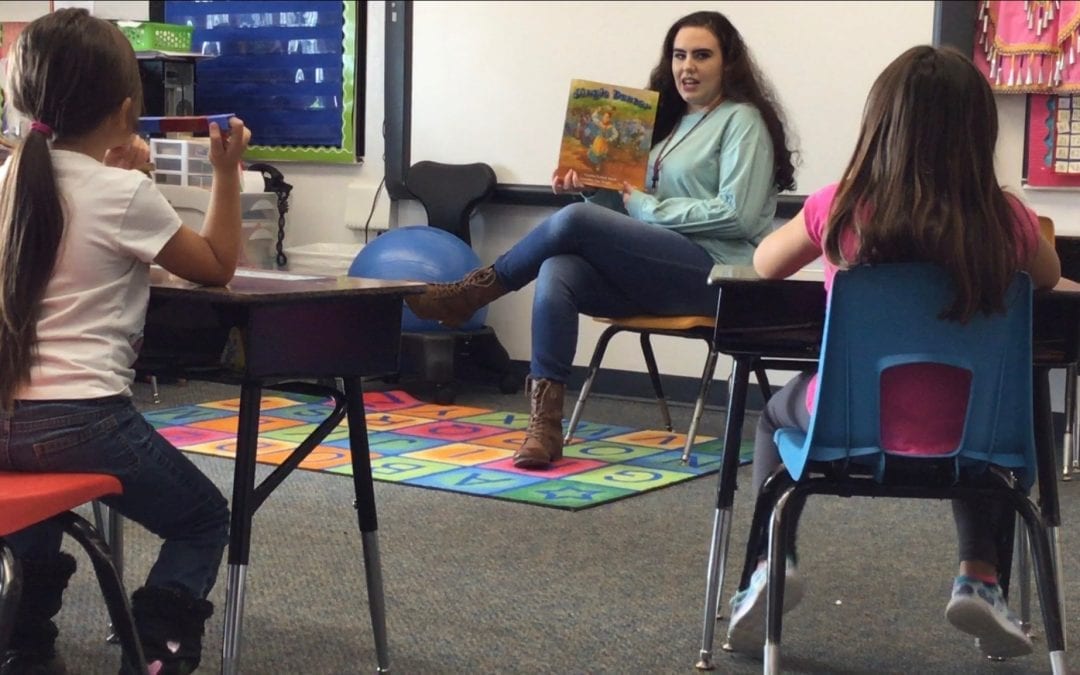
Early Child STEM Programs Grounded in Community Needs
The backbone of a community-based program is taking into account the community’s needs. This happens by listening to people in the community who you hope to serve with your programming.

In Memoriam: John Bogle, College Fund Supporter and Vanguard Founder
It is with heavy, but grateful hearts, that we at the American Indian College Fund, on behalf of the students and Native communities we serve, thank Vanguard founder and longtime American Indian College Fund supporter Jack Bogle for his commitment to improving the lives of American Indians.
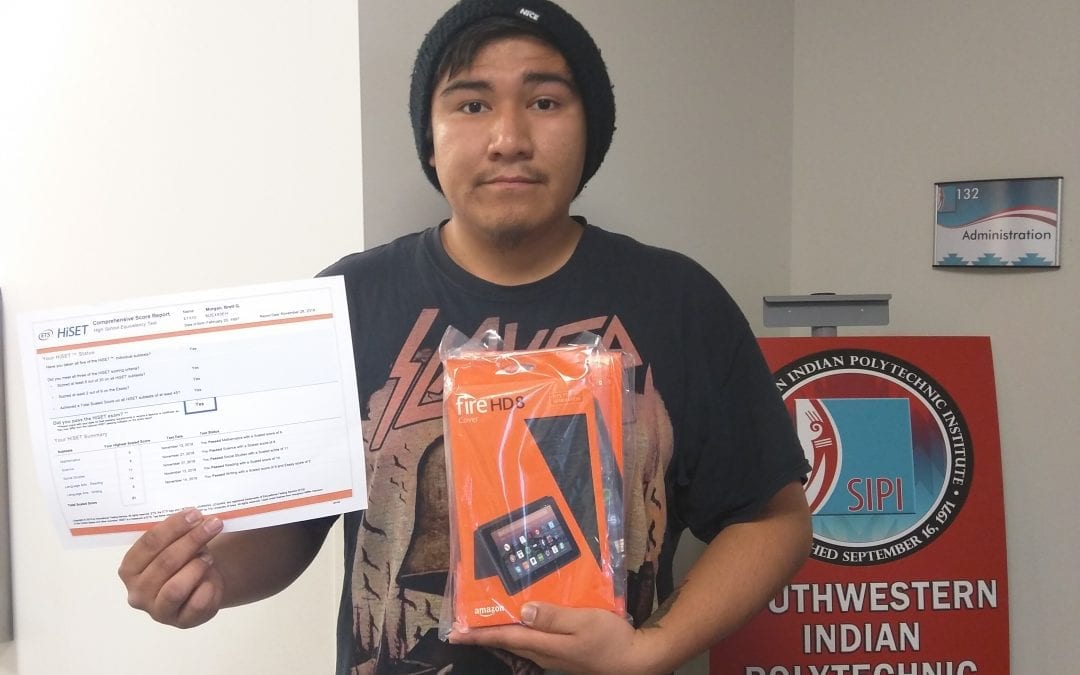
Just Got My HSE Certificate! Now What?
For Native students who did not complete high school, the High School Equivalency (HSE) Certification program at Southwestern Indian Polytechnic Institute (SIPI), formerly called the GED Program, serves as a stepping stone for furthering education and career opportunities.
Two Tribal Colleges Receive ‘Toyota TCU Early Childhood STEM Award’ from American Indian College Fund
Early childhood is a time of exploration. And Toyota and the American Indian College Fund have teamed up through a grant of $15,000 to two tribal colleges and universities to encourage children’s’ Indigenous STEM exploration.
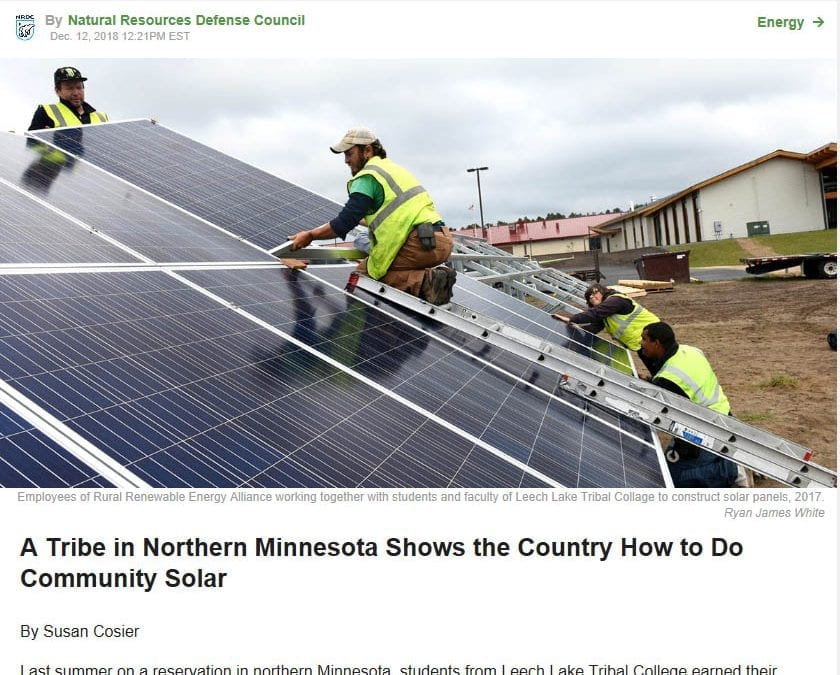
TCU Students Give the Gift of Warmth While Earning Certificates
Leech Lake Tribal College students teamed up with the Leech Lake Band of Ojibwe in Minnesota to install a community solar garden to help residents as part of the federal Low-Income Home Energy Assistance Program (LIHEAP).
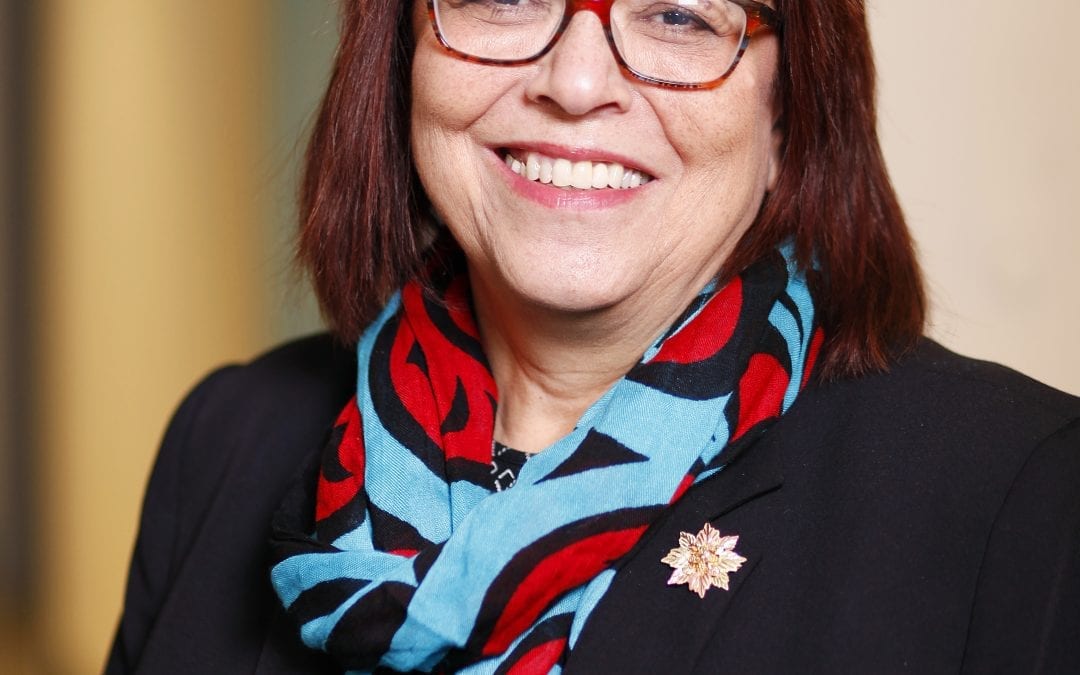
Public Comment Opportunity for Proposed Title IX Policy Changes Making Students More Vulnerable
Schools would be able to choose what standard of evidence to apply to cases of sexual misconduct; only formal complaints filed with an authority figure would be investigated; and schools would no longer be required to investigate complaints occurring off campus or outside of their school-sponsored programs.
TCU Faculty Earn Terminal Degrees through Mellon Faculty Career Enhancement Program
Four tribal college and university faculty participating in the American Indian College Fund’s Mellon Faculty Career Enhancement Fellows program have graduated. They will now serve their tribal colleges and universities (TCUs) using their knowledge and degrees.
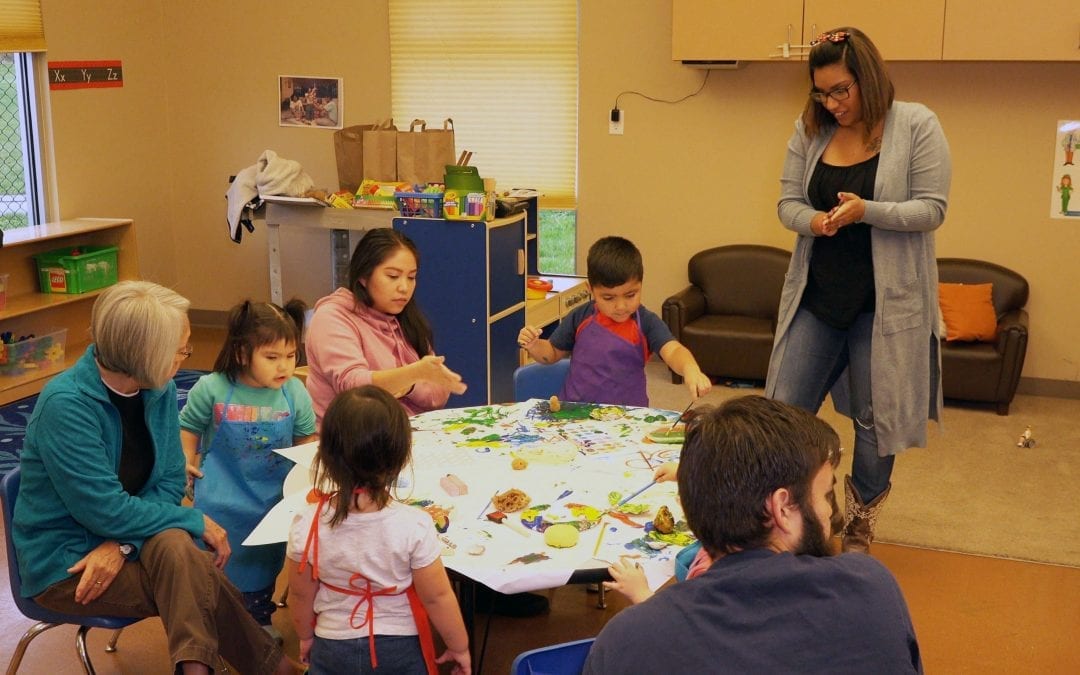
Native Children Living on Salish Sea Meet and Greet Sea Creatures
In early November, the Salish Sea Research Center team from Northwest Indian College visited our Early Learning Center classrooms. Our students were excited to see what they had brought because the scientists arrived with a mysterious, big, red ice chest. The children called it “a treasure chest of sea creatures!”
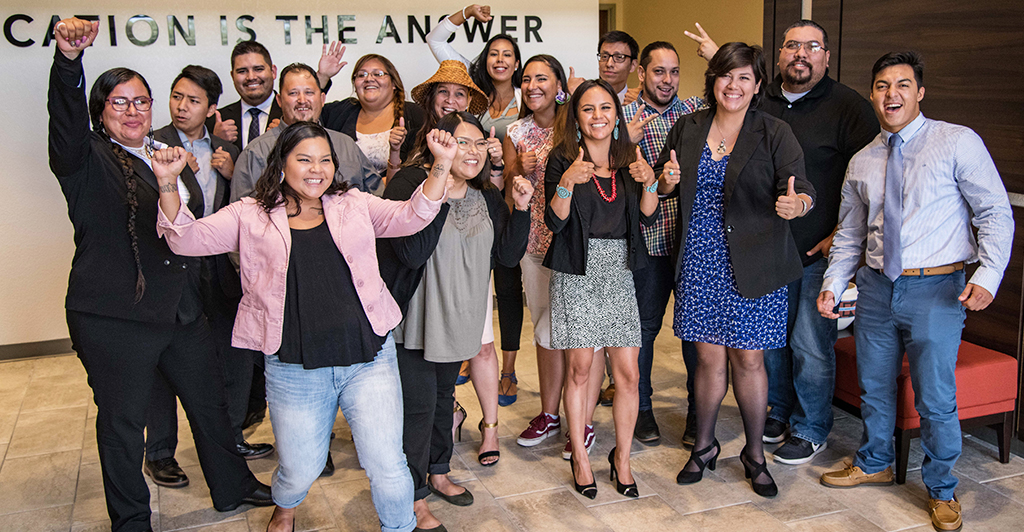
Creating Visibility and Supportive Campus Environments for Native American College Students
With more than 30 years of experience working in education with American Indians, President Cheryl Crazy Bull of the American Indian College Fund shares her insight into how all colleges and universities can increase access to higher education for Native students–and help students thrive once they are there.
Creating Visibility and Supportive Campus Environments for Native American Students
With more than 30 years of experience working in education with American Indians, President Cheryl Crazy Bull of the American Indian College Fund shares her insight into how all colleges and universities can increase access to higher education for Native students–and help students thrive once they are there.
