
Planting the Seeds of Cultural Sustainability
April 22, 2026 | Student Ambassador Aiyanna Tanyan’s (Seminole Nation of Oklahoma) work to reclaim food sovereignty
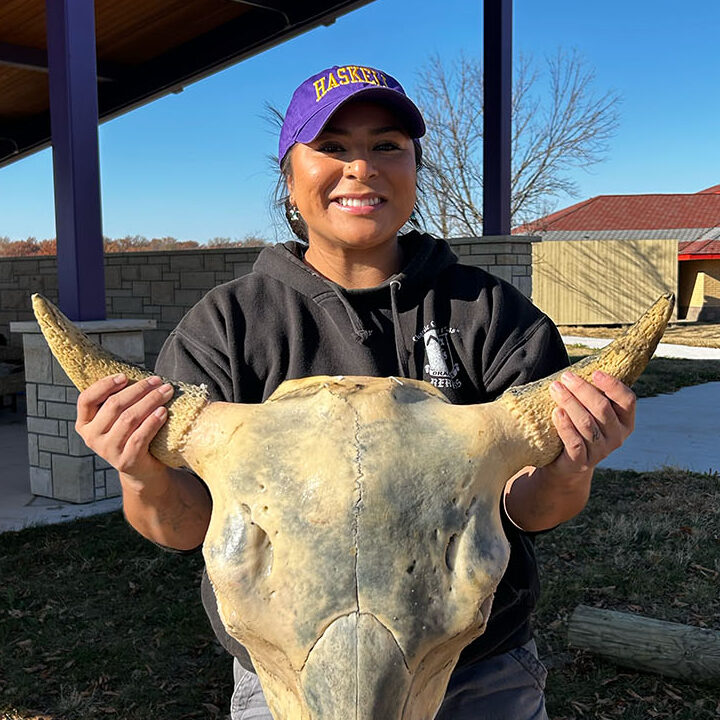
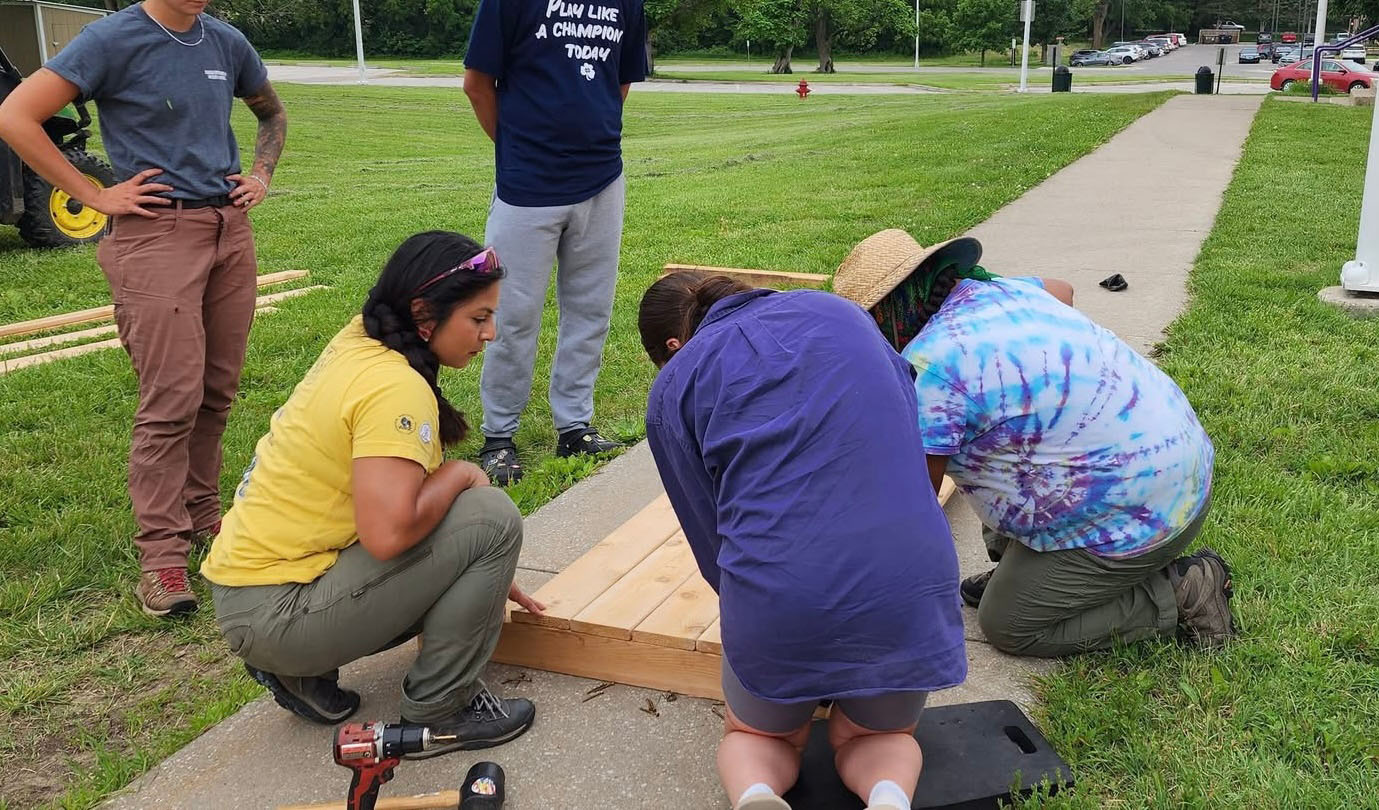
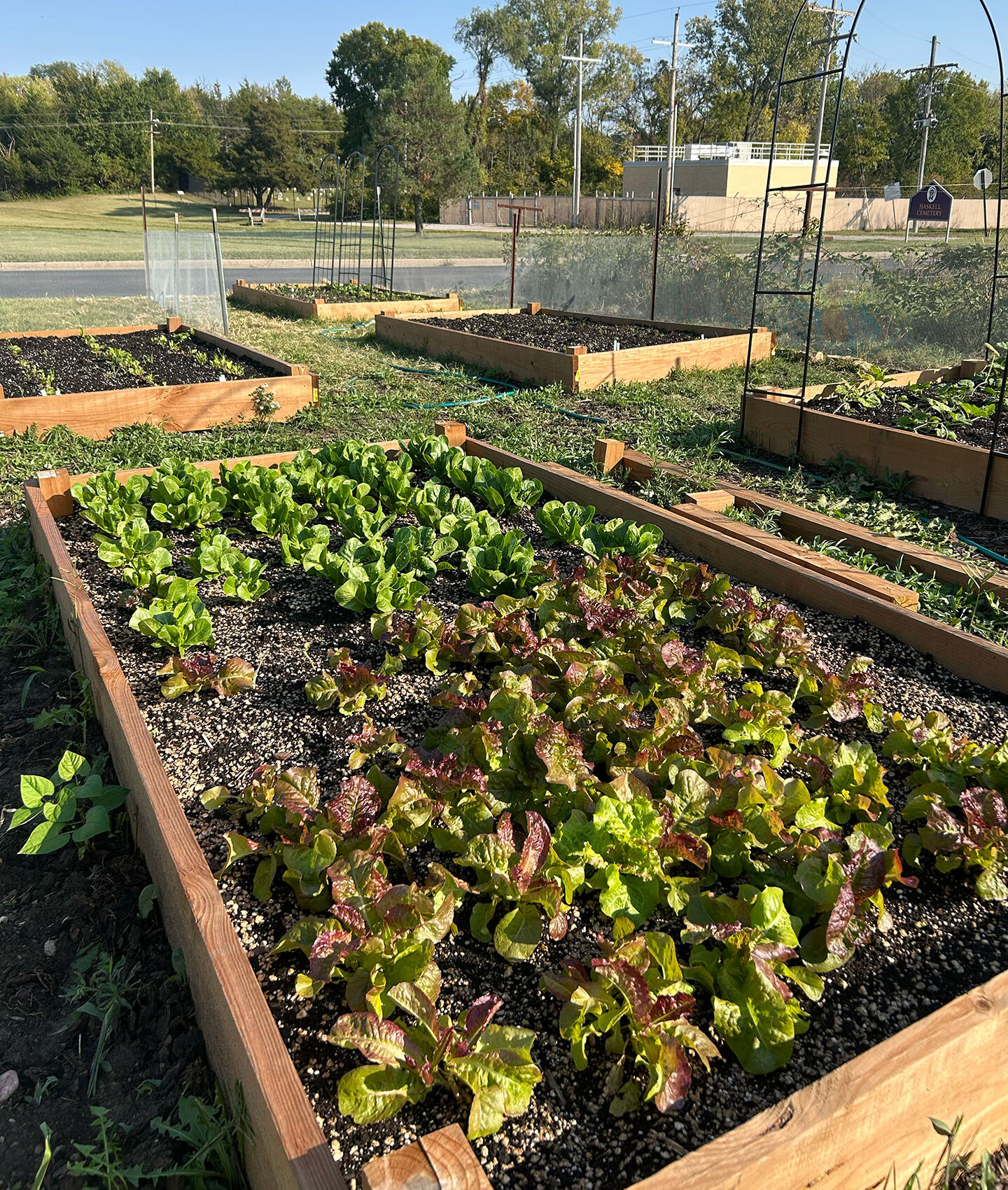
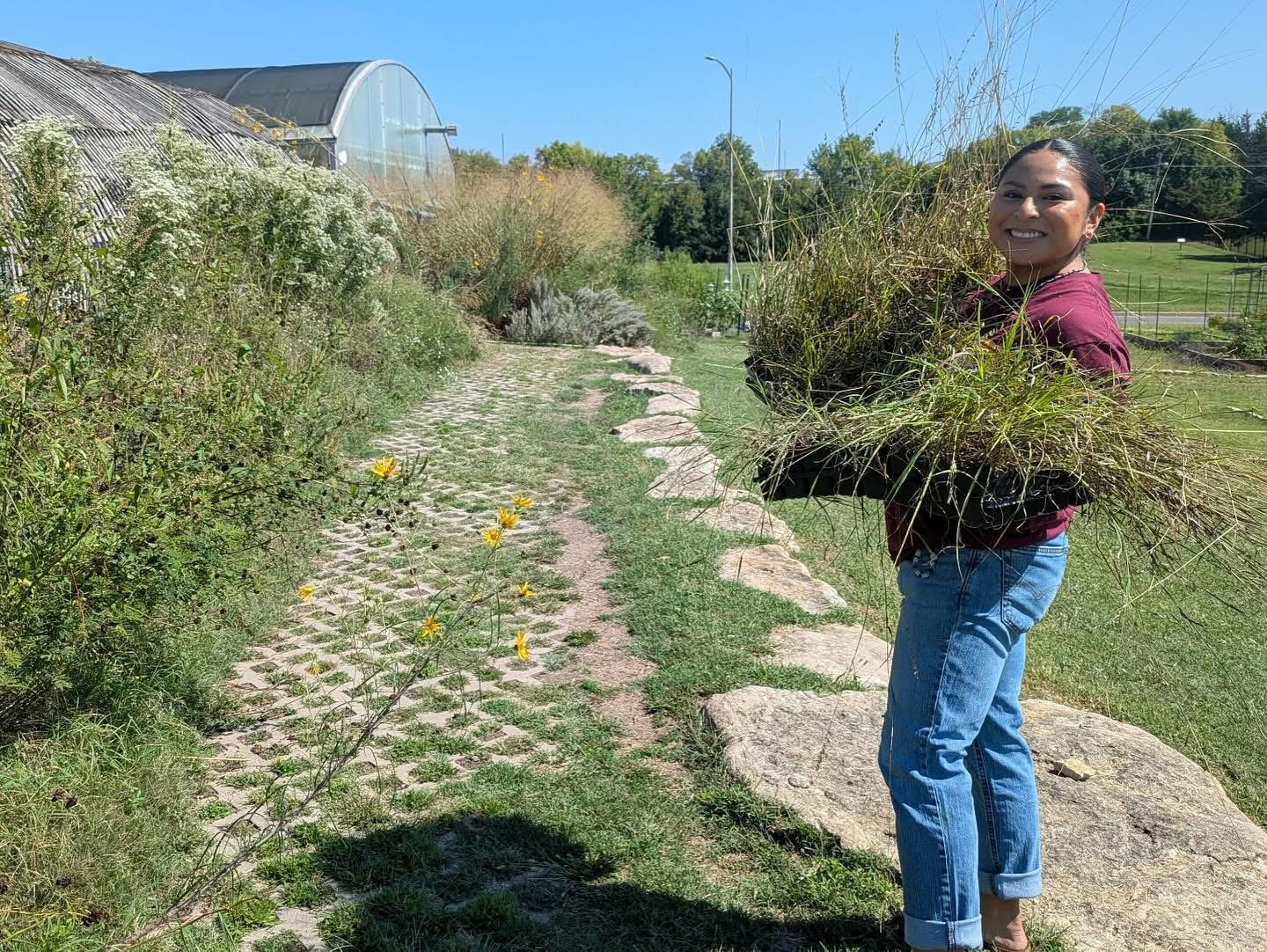
We came up with the idea of building raised garden beds near the dorms so students can easily access fresh foods and learn how to grow them themselves. Through support from the Haskell Greenhouse (funded through the USDA Equity Grant), we started building.
Last year was our first year doing this project and it was a learning experience as with many community-based projects, it comes with trial and error. However, that process taught us a lot about what works, what doesn’t, and how to build something more sustainable moving forward. This year, we’re continuing this work with stronger systems, more involvement, and a clearer vision.
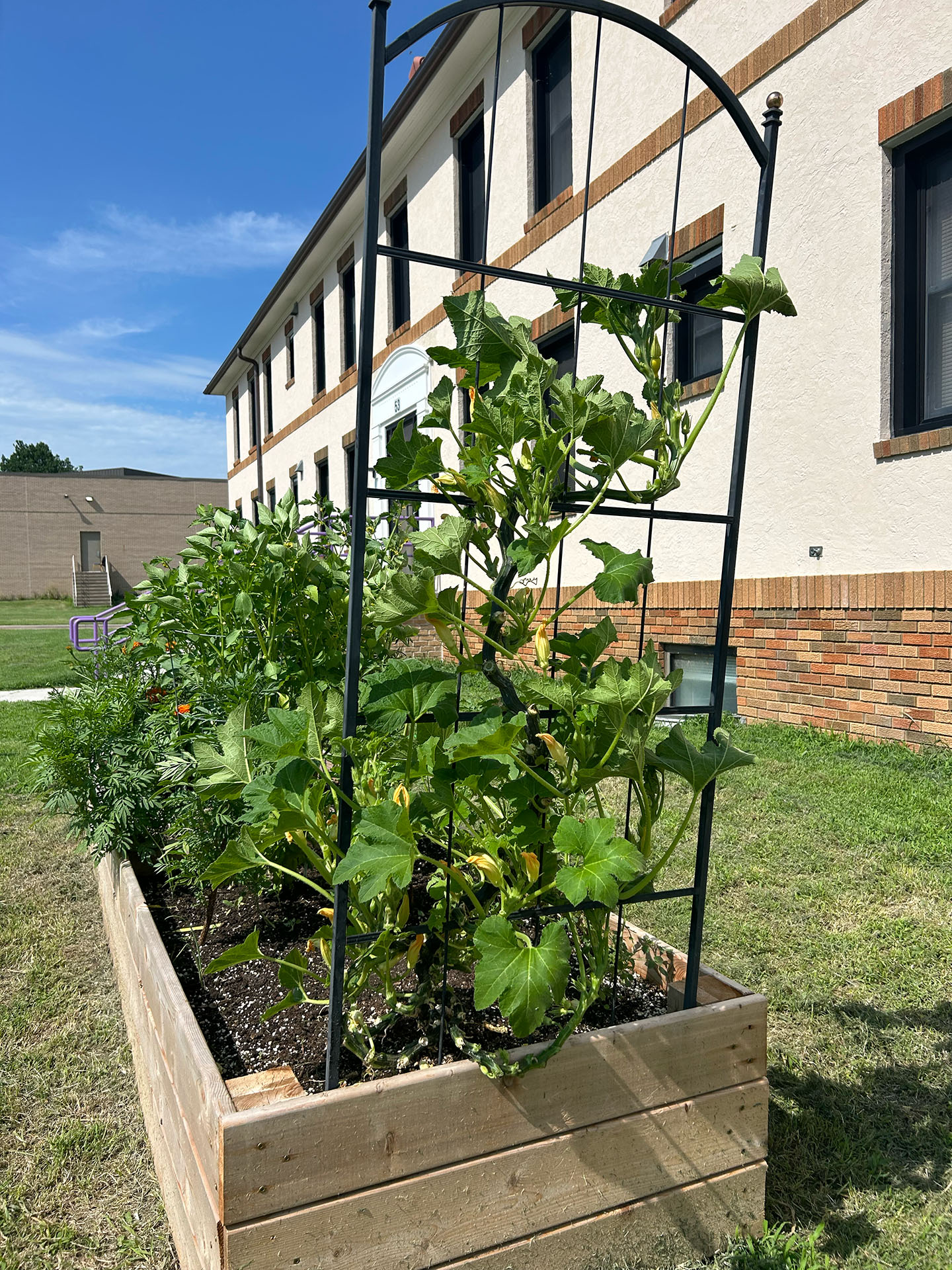
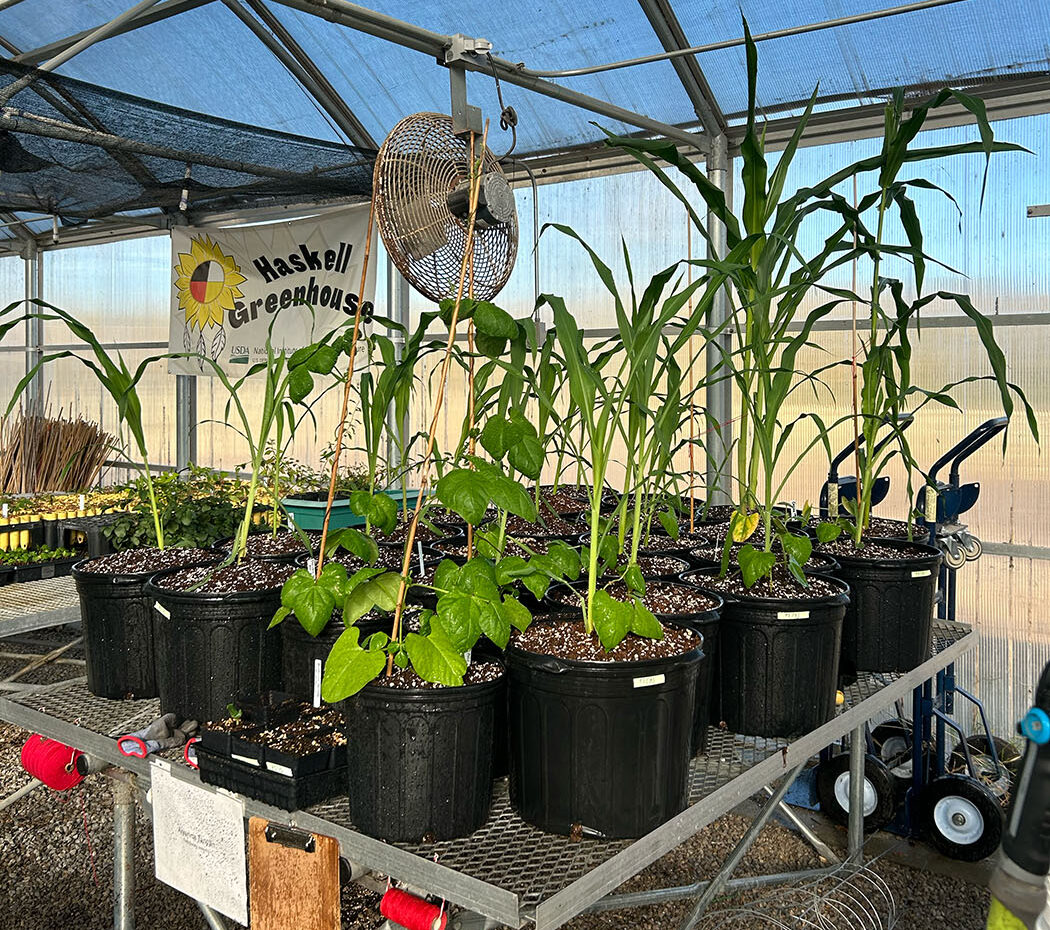
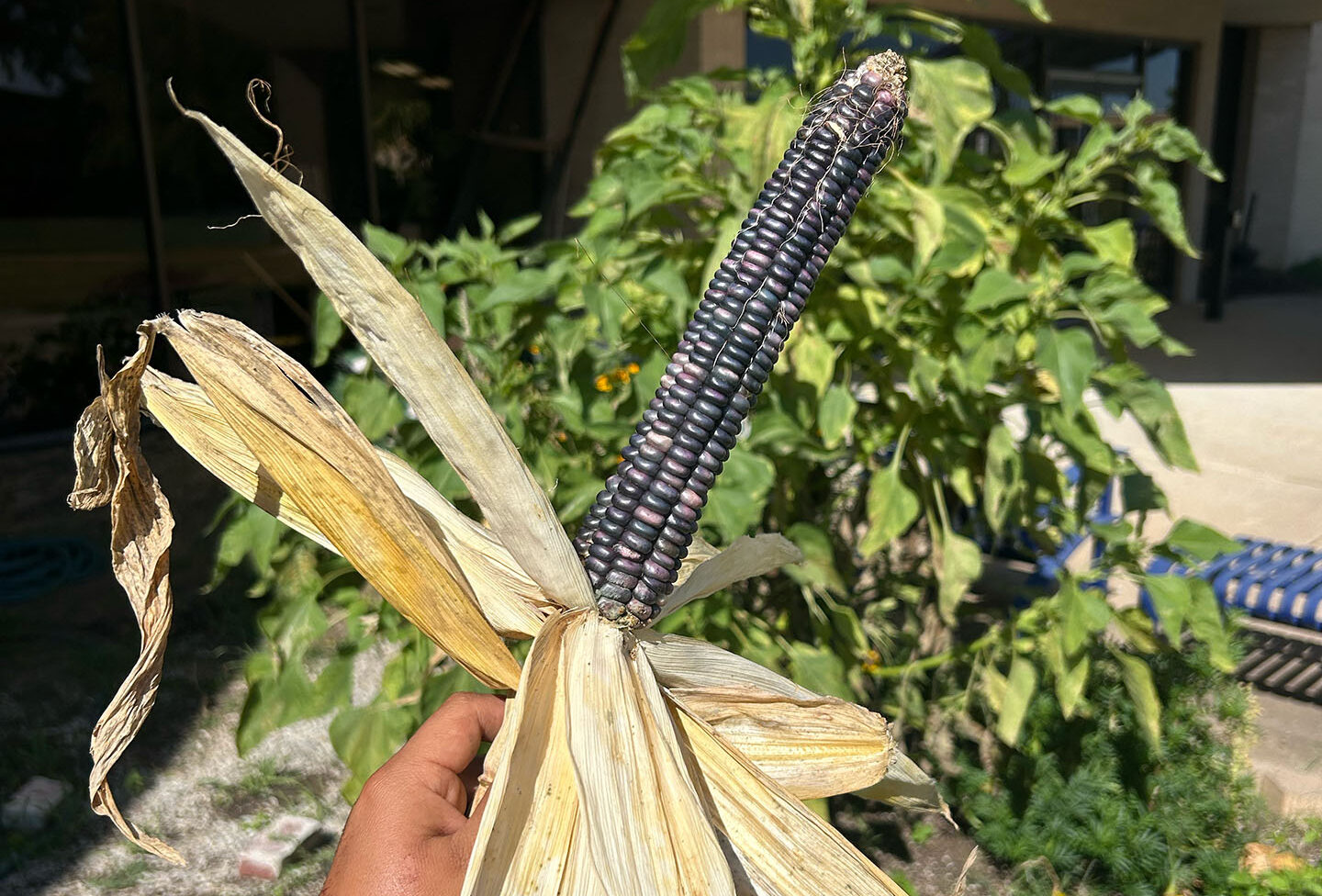
Everyone at the Haskell Greenhouse wants to help others learn, value, and view these spaces as places of teaching. I know they have taught me so much about responsibility and our relationship with the environment. Through these projects, we’re helping students reconnect with the land and understand the importance of food sovereignty for Indigenous communities. This work is ongoing, and we’re still learning. Every seed planted, and every workday shared brings us one step closer to a more sustainable and connected future.
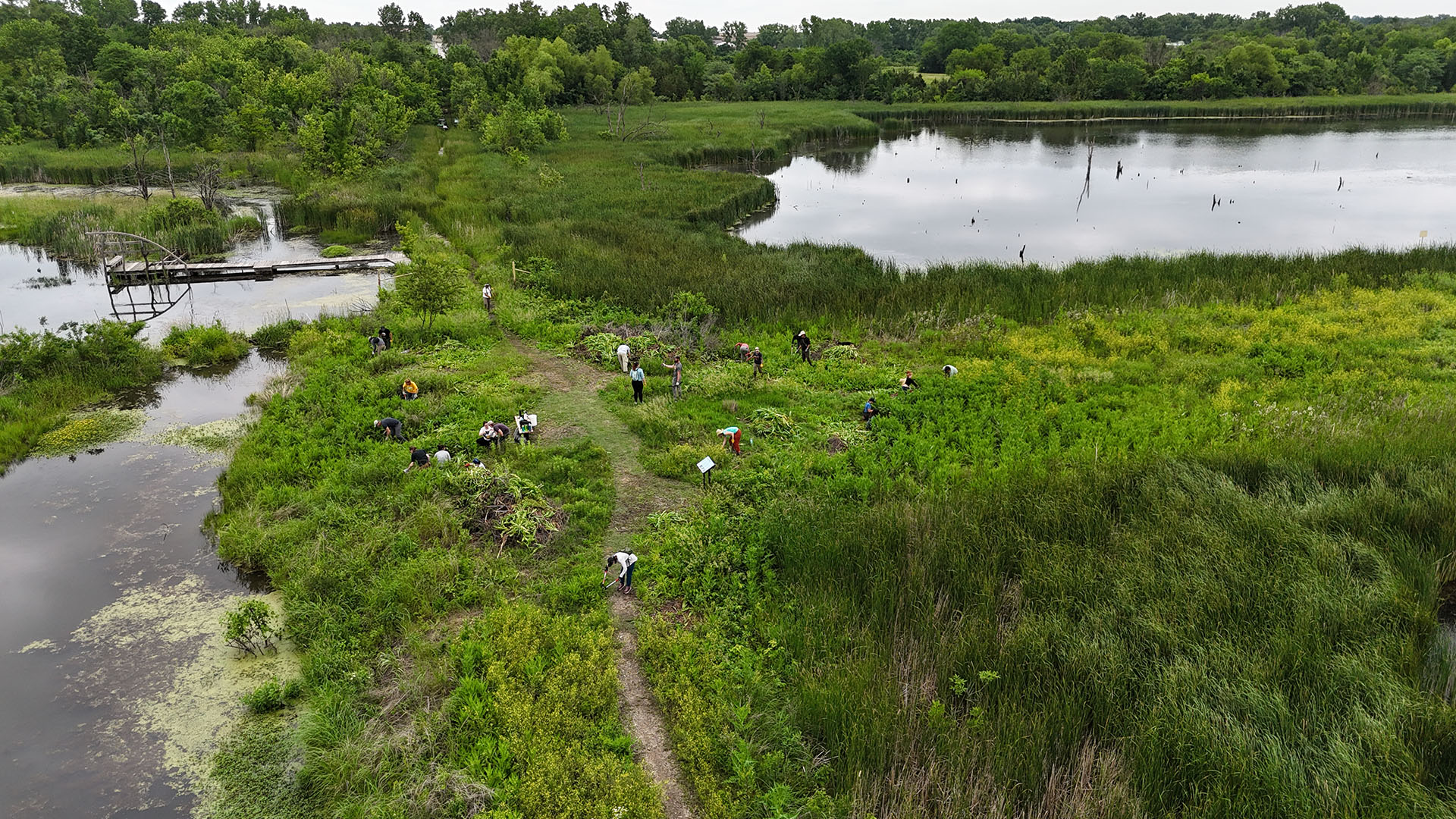
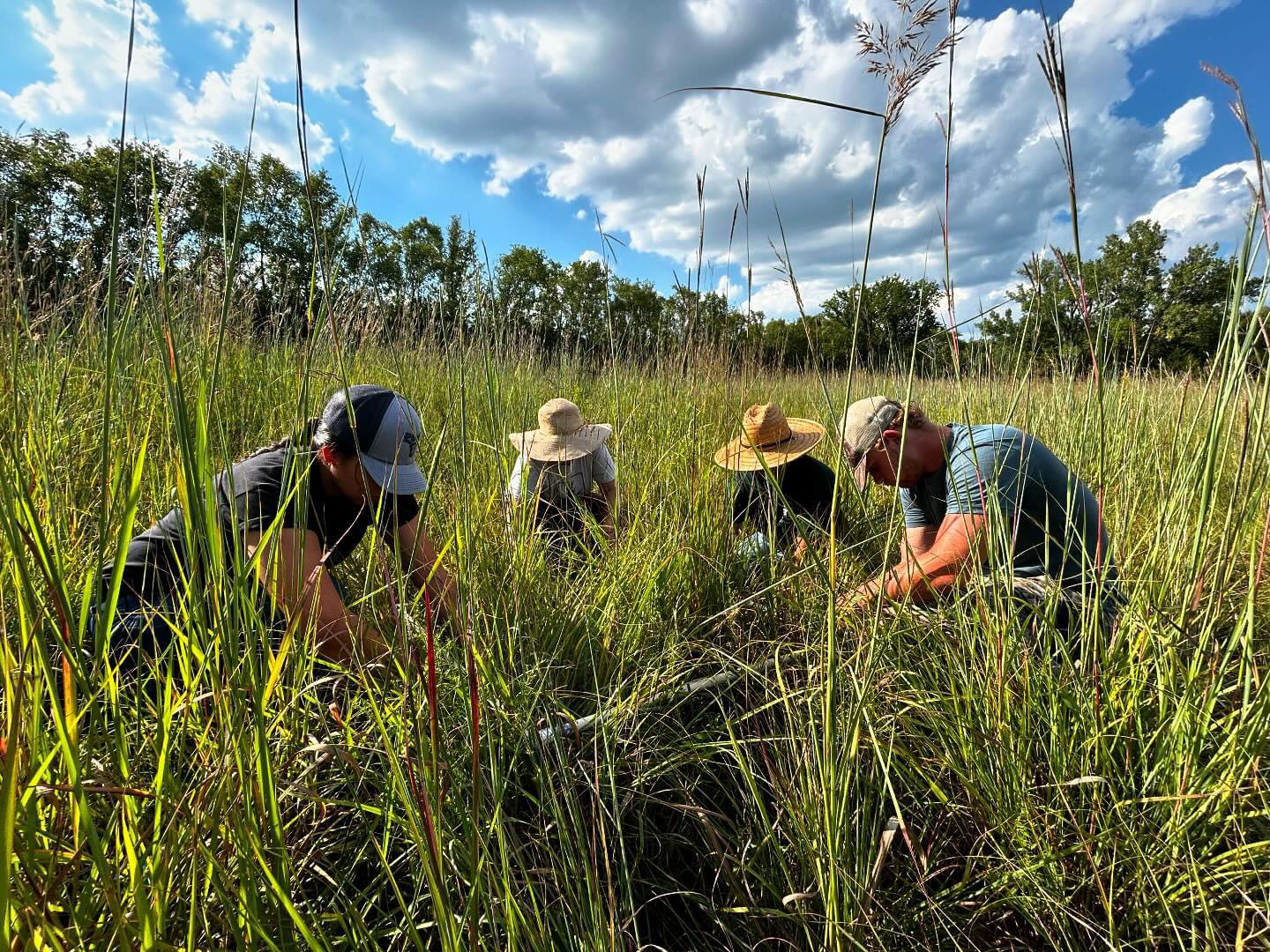
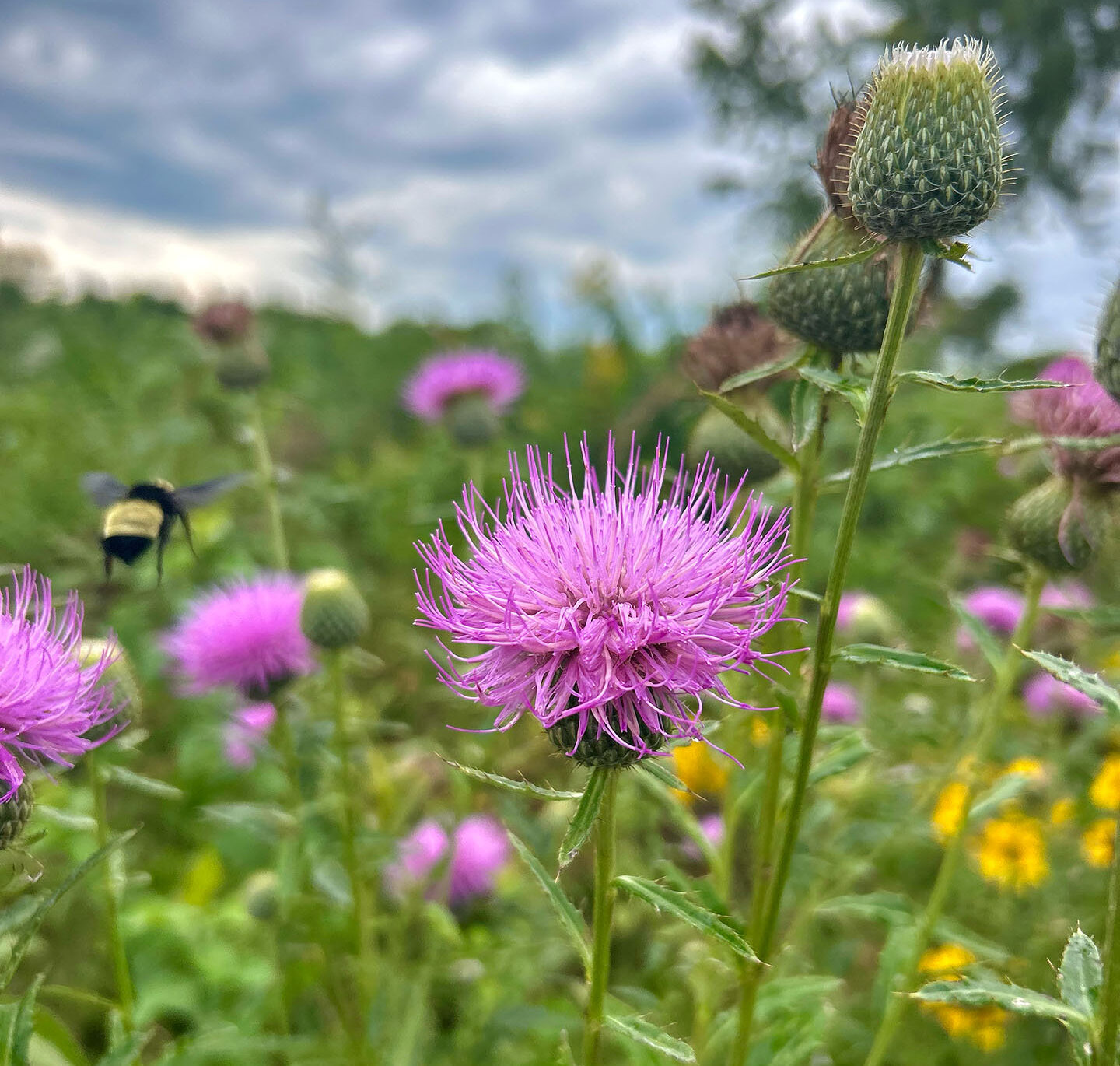
In Caring for Our Kin: Stories of Indigenous Environmental Stewardship, the College Fund shares the stories of Indigenous environmental leaders who are centering kinship and relational knowledge to build healthy ecological systems. These stories remind us that caring for the Earth means caring for one another—and that Indigenous knowledge systems continue to offer guidance, resilience, and hope for the future.
Learn more about our Environmental Stewardship Program.
Ekvnv Vcayecet. Mvto!
(Take care of the Earth/Land. Thank you)
More Blogs
SIPI Parents Learn Couponing, Family Budgeting Strategies
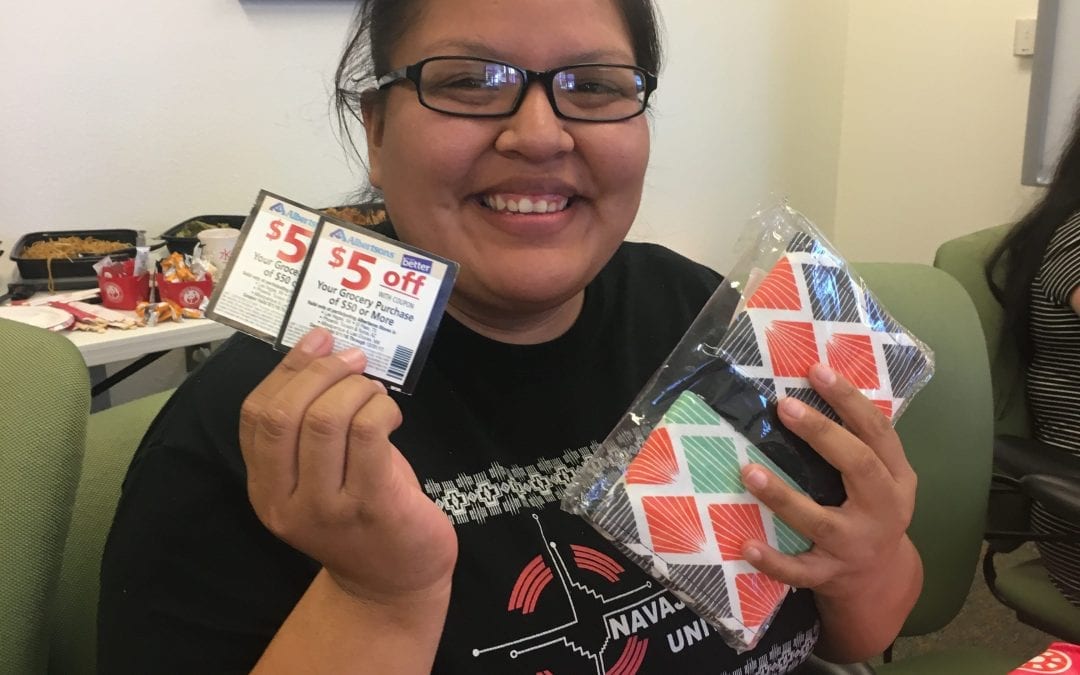
During brainstorming sessions and meetings as part of SIPI’s Restorative Teachings Initiative, parents of children in the program identified couponing as a strategy to support budgeting and financial stability within their families. A major goal of SIPI’s initiative is to support Native families through educational opportunities that build their capacity to become increasingly financially stable
College Fund Announces Environmental Program Awardees to Restore Native Knowledge for Healthy Earth
Groundwater contamination, erosion, lack of access to healthy foods, and poor air quality are just some of the environmental concerns facing American Indian communities across the United States. Yet indigenous people have long held specialized knowledge that can lead to unique solutions to these challenges.
Inequity in America: Education Is the Answer
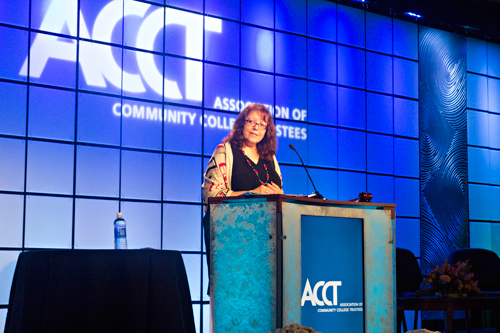
Our nation was born in genocide when it embraced the doctrine that the original American, the Indian, was an inferior race. Even before there were large numbers of Negroes on our shores, the scar of racial hatred had already disfigured colonial society. From the sixteenth century forward, blood flowed in battles over racial supremacy. We are perhaps the only nation which tried as a matter of national policy to wipe out its indigenous population.
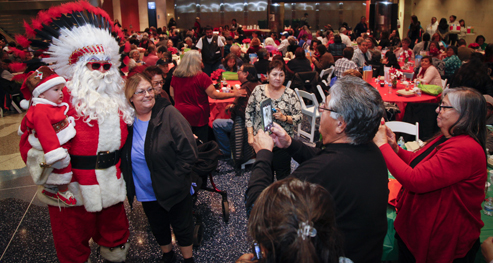
Denver and Native Organizations Feed 300 American Indians at Annual Denver Elder’s Dinner
The American Indian College Fund honored Native American elders Theresa Halsey of the Lakota Tribe and Isaac Wak Wak of the Colville Confederated Tribes of Washington state at its Seventeenth Annual Denver Elders Dinner at the University of Denver’s Cable Center. Nearly 300 American Indian elders attended the traditional buffalo feast, which honored them for their guidance throughout the year.

Good Luck on Finals, Pathways Students!
We know finals are a stressful time for college students—we’ve all been there! But we also know you CAN do it. To make Finals Week a little less stressful to its Native Pathways program participants, Student Coach Teresa Melendez lovingly packed care packages with highlighters, pens, snacks, and herbal tea for students.

#Indigetern Native Student Intern Stories
Robin Maxkii shared some snippets from her internship experience at the National Science Foundation in Washington, D.C. In a conversation with her about her internship experience, she shared that her time in Washington was one of her best experiences in learning more about how to think about and act on information given by working professionals and mentors. Although she was appreciative of their advice, she chafed at feedback about her career trajectory and academic pursuit.
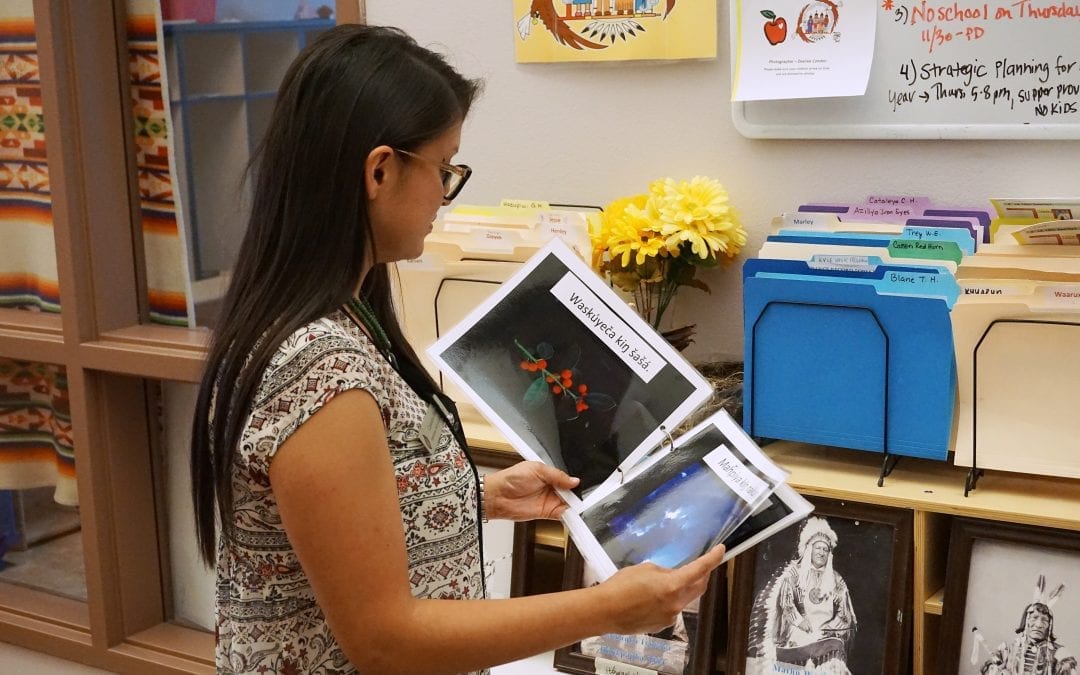
From Student Intern to College Fund Employee: Cassandra’s Journey
Cassandra Harden (Diné) was focused on a career in early childhood education when she first learned about internship opportunities with the American Indian College Fund (College Fund). While she studied as a student at tribal college Southwestern Indian Polytechnic Institute (SIPI) in Albuquerque, New Mexico. Cassandra got involved in SIPI’s early childhood program, working on the College Fund’s Wakanyeja “Sacred Little Ones” and Ké’ Early Childhood Initiatives, as a student intern.
SEEDS- Environmental Stewardship is an Inherit Right, Responsibility
I recently wondered why being an environmentalist exists in a space we have to fight for, and why our individual and collective responsibility to uphold and respect relationships to place becomes the work of so few. Is it because we have partitioned our ways of thinking about relationships or is it because we are struggling to know that we are related?
New “American Indian Law School Scholarship” to Attend Harvard Law School
The American Indian College Fund believes Native scholars at Harvard Law School have what it takes to succeed. A law degree is the foundation to creating strong future leaders. Thanks to a gift of $1 million from an anonymous donor, the American Indian College Fund will award the first American Indian Law School Scholarship in the fall of the 2018-19 academic year.
Racial Slur by President Trump Not Acceptable
As the President of the American Indian College Fund I share that we have nothing but pride and gratitude for the Native American Code Talkers, who are true heroes who used sacred Native languages to ensure our nation’s victory against despotism. These individuals are elderly now but their memories are still strong and tell a powerful story of sacrifice and patriotism. Our students value education and encourage us as their supporters to take every opportunity to educate others.
