Native Nurses Leading the Way with Care, Culture, and Community
Jeffery’s Story
Jeffrey Begay Jr. grew up connected to the Navajo reservation and saw first-hand how people living on the reservation had limited access to healthcare, healthy foods, transportation, and community resources, impacting their health.
In his first job as a paramedic on the reservation, responding to a great deal of trauma calls helped him understand the importance of emergency medical response. Alcohol abuse, domestic violence, diabetes, and their comorbidities were some of the most common ailments he was called to treat.
Jeffrey says he was inspired to seek a career in nursing not only from witnessing health disparities in his community but by his mother, the strongest influence in his healthcare journey. She instilled in him Navajo cultural values, along with his maternal grandfather, a medicine man. Jeffrey sees a connection between healing, service, and responsibility and focuses on advocacy, cultural humility, and meeting people where they are in his work.
Nearly a decade ago, Jeffrey moved to Denver, Colorado to pursue his nursing degrees, driven by the desire to expand his knowledge and scope of practice by contributing more to both his community and broader healthcare systems. Today he works two jobs, as a flight nurse with Intermountain Health’s Legacy Life Flight team, and as a PRN pediatric emergency nurse at Denver Health.
A cornerstone of Jeffrey’s personal healthcare philosophy incorporates his values as a Navajo, focusing on balance, respect, and wellness for the whole person. He says nursing is about deep relationships and not simply treating immediate illness or injury.
Jeffrey shares a story about responding to a call on the reservation where an elder with low blood sugar was home alone caring for her livestock without a vehicle. She needed more than temporarily boosting her blood sugar, so Jeffrey cooked her a meal and ensured someone was coming to stay with her before leaving.
A hardship many reservations and rural communities face is lacking the complex, comprehensive medical systems of urban areas. Witnessing firsthand this gap in care, Jeffrey wants to build systems that combine Western medicine with traditional concepts of what healing means and cultural awareness by medical staff. Evidence-based medicine improves patient care, but so does the involvement of healthcare workers who respect and understand their patients’ cultures.
He says there is also a need for patient health literacy, especially Native patients who may not understand the difference between what the Indian Health Service (IHS) offers and health insurance.
“We need healthcare workers who are clinically strong, but also culturally humble, who are community-centered and willing to advocate for patients beyond the bedside. We need nurses, paramedics, community health representatives, caseworkers, and leaders who can explain care clearly, coordinate referrals, support families, and protect the dignity of Native patients as they move through these complex healthcare systems,” Jeffrey says.
Healthcare workers also need support in the form of resources and sound leadership. Strong staffing, telehealth access, mental health resources, and sustainable funding are just some of the resources Jeffrey notes. Healthcare workers in Indian country need culturally grounded education to understand tribal sovereignty, the history of IHS, and federal trust responsibility. On the topic of personal trust, Jeffrey reminds healthcare workers trust isn’t automatic, especially in communities that have experienced historical trauma, underfunded systems, and inconsistent access. Time and communication are key between patients and healthcare workers
As a nursing student. Jeffrey remembers feeling unsure of his success and wondering if he truly belonged in higher education and healthcare. Jeffrey shares the sentiments of many Native students that education isn’t just about passing classes. It also includes finances, family responsibility, transportation, and leaving one’s community. But he also advises current and prospective Native nursing students that they come from resilient people and there are many pathways to becoming a nurse, all of which are meaningful.
“Our cultures teach us humility, respect, responsibility, and service. Those teachings are powerful leadership tools. They help us to become nurses who listen deeply, advocate strongly, and care for the whole person. And again, not just diagnosis. We bring something special to healthcare because we understand community, family, hardship, and the importance of culturally sensitive care,” he says
Jeffrey also encourages Native nursing students to seek out mentors, apply for scholarships, ask questions and accept help when it’s offered.
“Do not be afraid to take up space in nursing. Our communities need us and healthcare systems across this country need our voices. Native nurses are part of the bridge between traditional knowledge, Western medicine, health equity, and community healing.”
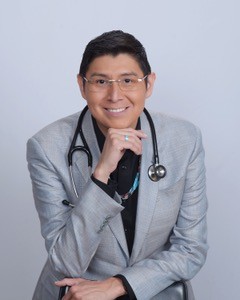
About the Author
Jeffrey Begay Jr. (Diné) serves as both a flight nurse and PRN pediatric emergency nurse based out of Denver, Colorado. Jeffrey has more than a decade of experience as a healthcare professional, having begun his career on the Navajo reservation. Jeffrey is currently enrolled at the University of Colorado–Denver pursuing a Master of Nursing and Nursing Leadership and Health Systems degree.
Jeffrey was inspired to pursue a career in healthcare by the Navajo cultural values passed down to him by his mother and the health inequities he witnessed growing up on the Navajo reservation growing up.
Jeffrey works to practice excellent Western medicine while also honoring Navajo values to ensure the wellness of the whole person he is treating and not only their current illness or injury.
Read More Student Success Blogs
Where Do You Find Internships?
Believe it or not, in today’s tech era, finding an internship does not start with your computer. There are many other sources that are more useful for gathering information about an internship that you will find enjoyable than searching online. A few of those places are listed below and, to some extent, may help you find an internship you will enjoy while decreasing the stress involved with leaving home.
Why You Need an Internship
Internships are important help to students developing professionalism and an understanding of how to work in a professional environment. After having worked with Native student interns over the years in a professional capacity, I am sharing the following important insights for Native students when considering the importance of adding an internship to their college experience.
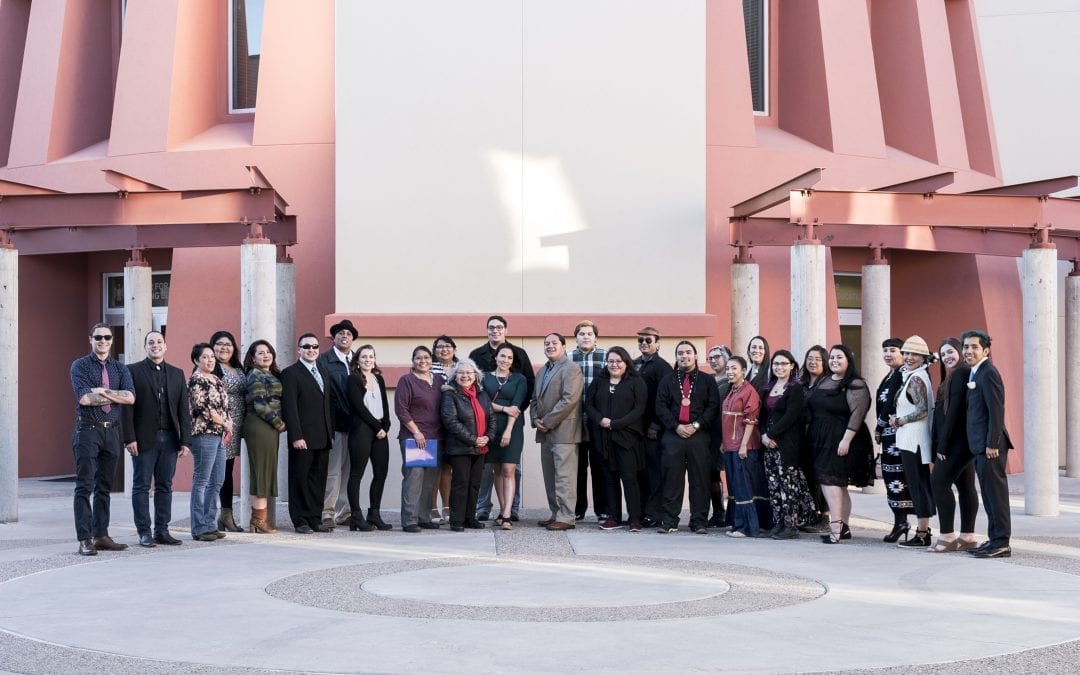
What a Treat to See Scholars Receive Awards
As a staff member with the College Fund, I had the honor to attend the spring Scholarship Awards Night at the Institute of American Indian Arts (IAIA) to witness 260 students moving one step closer towards their educational goals. The event awarded 534 College Fund scholarships to 260 students totaling $519,906.
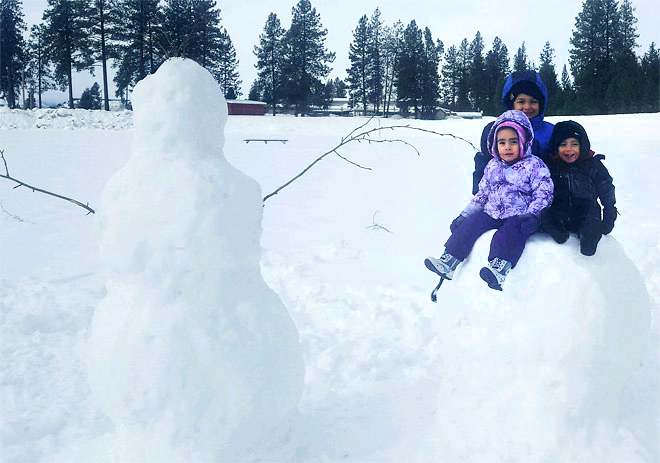
Student Blogger: “Remin-icing or Reality?”
Author’s Note: This throwback tale is a testament of how things have changed and how they have stayed the same. Reminiscing reminds me to find humor every day. College life as a mom of twins doesn’t slow down, in fact it’s much like a tornado. So even when the twins, now in their terrible twos, hit hard, I am the foundation that this home is built on. Memories such as the story that follows provide reassurance.
Sunny’s Campus Visit Reinforces Commitment to Continuing Studies
Sunny is a student at Leech Lake Tribal College in Red Lake, Minnesota. Through the help of the American Indian College Fund’s Native Pathways to College Transfer Program, she was able to travel to the University of Minnesota in Minneapolis, Minnesota for a campus visit.
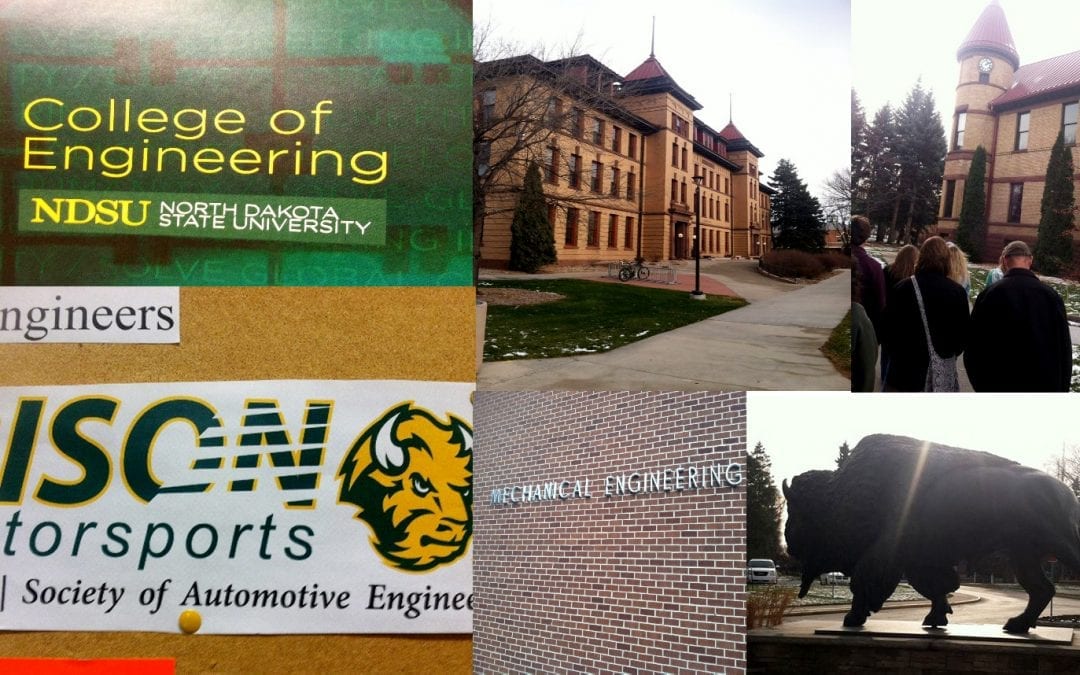
College Visits Build Perspective for Prospective College Students
My name is Dane Allapowa and I am a sophomore at Cankdeska Cikana Community College (CCCC); a tribal college in Fort Totten, N.D., on the Spirit Lake Reservation. Thanks to the American Indian College Fund’s Native Pathways to College program, I was able to take a tour of my prospective college, North Dakota State University (NDSU).
Connection-Maker Leverages Education to Amplify Power, Help Others
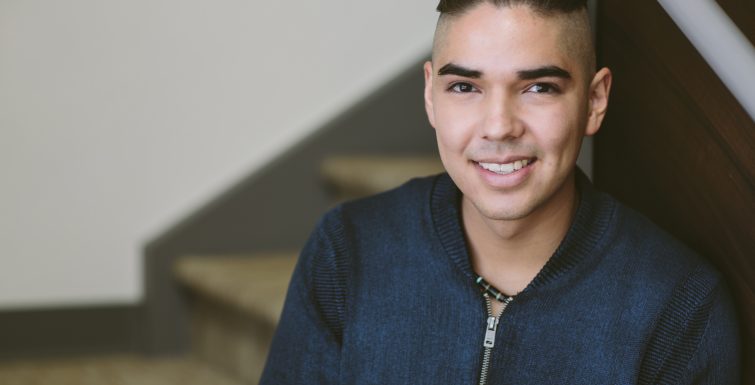
My name is Joaquin Ray Gallegos and I am from the Jicarilla Apache Nation and the Pueblo of Santa Ana. I was raised to be a connection-maker. Each American Indian and Alaska Native student and youth is a rare solution to the unrest and problems that grip society today. We help secure access to clean water, quality health care, and safe housing to elevate the standard of life for all of society.
Northwest Indian College Space Center’s Rocket Teams Win Trip to Kennedy Space Center
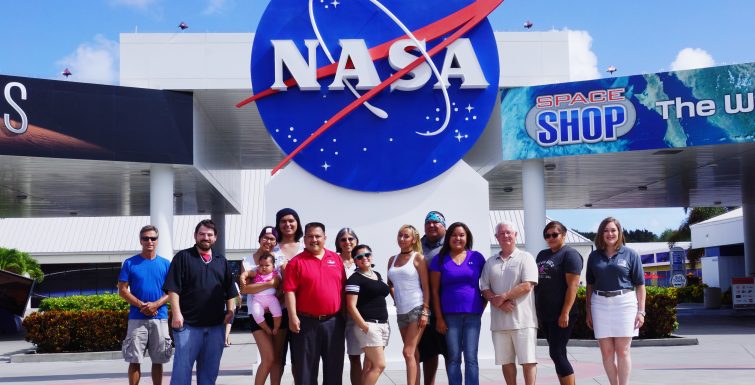
After capturing all of the awards possible at the 2016 First Nations Launch in Wisconsin this year, the Northwest Indian College rocket teams were partially funded to the tune of $6000 for a VIP trip and tour at Kennedy Space Center in Cape Canaveral, Florida.
Top Ten Things Native American Students Should Consider When Choosing A College
Recently we were asked about the factors that make for a top college for Native Americans students. It is a great question and it really depends on individual student needs and goals; however, that does not make for a great blog. So I will answer this with a top ten list of things that Native American students should consider when choosing a college.
Navigating College in Alaska
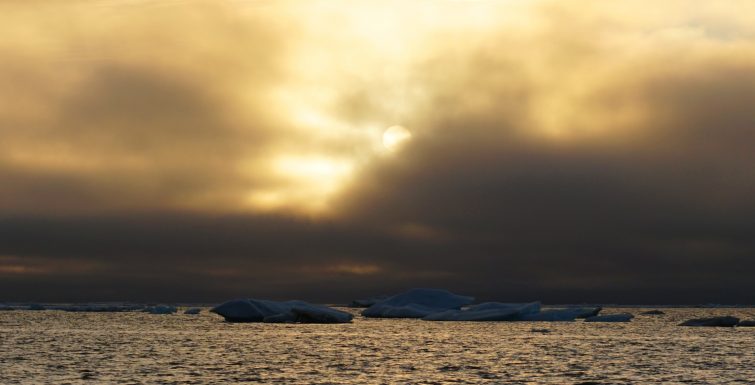
Our Native Pathways team embarked on a trip to Alaska to visit Ilisagvik College and Barrow High School. I thought my five hour plane trip to college every semester was a major journey. Barrow is situated on the northernmost part of the United States, in other words, the “top of the world.”
