Native Nurses Leading the Way with Care, Culture, and Community
Jeffery’s Story
Jeffrey Begay Jr. grew up connected to the Navajo reservation and saw first-hand how people living on the reservation had limited access to healthcare, healthy foods, transportation, and community resources, impacting their health.
In his first job as a paramedic on the reservation, responding to a great deal of trauma calls helped him understand the importance of emergency medical response. Alcohol abuse, domestic violence, diabetes, and their comorbidities were some of the most common ailments he was called to treat.
Jeffrey says he was inspired to seek a career in nursing not only from witnessing health disparities in his community but by his mother, the strongest influence in his healthcare journey. She instilled in him Navajo cultural values, along with his maternal grandfather, a medicine man. Jeffrey sees a connection between healing, service, and responsibility and focuses on advocacy, cultural humility, and meeting people where they are in his work.
Nearly a decade ago, Jeffrey moved to Denver, Colorado to pursue his nursing degrees, driven by the desire to expand his knowledge and scope of practice by contributing more to both his community and broader healthcare systems. Today he works two jobs, as a flight nurse with Intermountain Health’s Legacy Life Flight team, and as a PRN pediatric emergency nurse at Denver Health.
A cornerstone of Jeffrey’s personal healthcare philosophy incorporates his values as a Navajo, focusing on balance, respect, and wellness for the whole person. He says nursing is about deep relationships and not simply treating immediate illness or injury.
Jeffrey shares a story about responding to a call on the reservation where an elder with low blood sugar was home alone caring for her livestock without a vehicle. She needed more than temporarily boosting her blood sugar, so Jeffrey cooked her a meal and ensured someone was coming to stay with her before leaving.
A hardship many reservations and rural communities face is lacking the complex, comprehensive medical systems of urban areas. Witnessing firsthand this gap in care, Jeffrey wants to build systems that combine Western medicine with traditional concepts of what healing means and cultural awareness by medical staff. Evidence-based medicine improves patient care, but so does the involvement of healthcare workers who respect and understand their patients’ cultures.
He says there is also a need for patient health literacy, especially Native patients who may not understand the difference between what the Indian Health Service (IHS) offers and health insurance.
“We need healthcare workers who are clinically strong, but also culturally humble, who are community-centered and willing to advocate for patients beyond the bedside. We need nurses, paramedics, community health representatives, caseworkers, and leaders who can explain care clearly, coordinate referrals, support families, and protect the dignity of Native patients as they move through these complex healthcare systems,” Jeffrey says.
Healthcare workers also need support in the form of resources and sound leadership. Strong staffing, telehealth access, mental health resources, and sustainable funding are just some of the resources Jeffrey notes. Healthcare workers in Indian country need culturally grounded education to understand tribal sovereignty, the history of IHS, and federal trust responsibility. On the topic of personal trust, Jeffrey reminds healthcare workers trust isn’t automatic, especially in communities that have experienced historical trauma, underfunded systems, and inconsistent access. Time and communication are key between patients and healthcare workers
As a nursing student. Jeffrey remembers feeling unsure of his success and wondering if he truly belonged in higher education and healthcare. Jeffrey shares the sentiments of many Native students that education isn’t just about passing classes. It also includes finances, family responsibility, transportation, and leaving one’s community. But he also advises current and prospective Native nursing students that they come from resilient people and there are many pathways to becoming a nurse, all of which are meaningful.
“Our cultures teach us humility, respect, responsibility, and service. Those teachings are powerful leadership tools. They help us to become nurses who listen deeply, advocate strongly, and care for the whole person. And again, not just diagnosis. We bring something special to healthcare because we understand community, family, hardship, and the importance of culturally sensitive care,” he says
Jeffrey also encourages Native nursing students to seek out mentors, apply for scholarships, ask questions and accept help when it’s offered.
“Do not be afraid to take up space in nursing. Our communities need us and healthcare systems across this country need our voices. Native nurses are part of the bridge between traditional knowledge, Western medicine, health equity, and community healing.”
About the Author
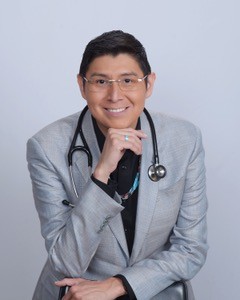
Jeffrey Begay Jr. (Diné) serves as both a flight nurse and PRN pediatric emergency nurse based out of Denver, Colorado. Jeffrey has more than a decade of experience as a healthcare professional, having begun his career on the Navajo reservation. Jeffrey is currently enrolled at the University of Colorado–Denver pursuing a Master of Nursing and Nursing Leadership and Health Systems degree.
Jeffrey was inspired to pursue a career in healthcare by the Navajo cultural values passed down to him by his mother and the health inequities he witnessed growing up on the Navajo reservation growing up.
Jeffrey works to practice excellent Western medicine while also honoring Navajo values to ensure the wellness of the whole person he is treating and not only their current illness or injury.
Read More Student Success Blogs
Tribal College Week Brings TCU Students to D.C.
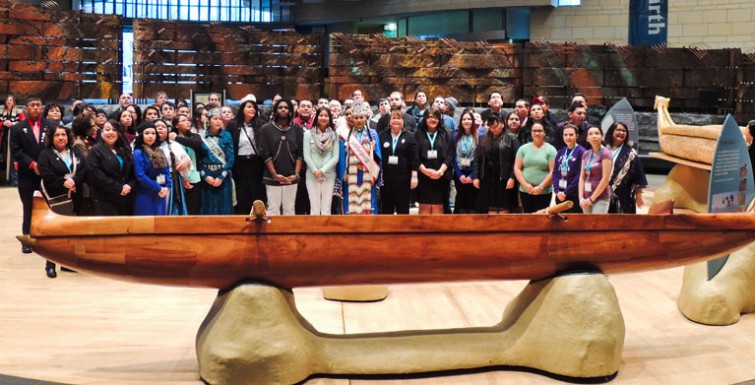
Last week, I had the pleasure of attending the American Indian Higher Education Consortium (AIHEC) winter meetings for Tribal College Presidents and Students. Each year representatives from the 37 different tribal colleges and universities (TCUs) meet up for an advocacy workshop and Capitol Hill visits.
One the Road Again: Montana Tribal College Fair
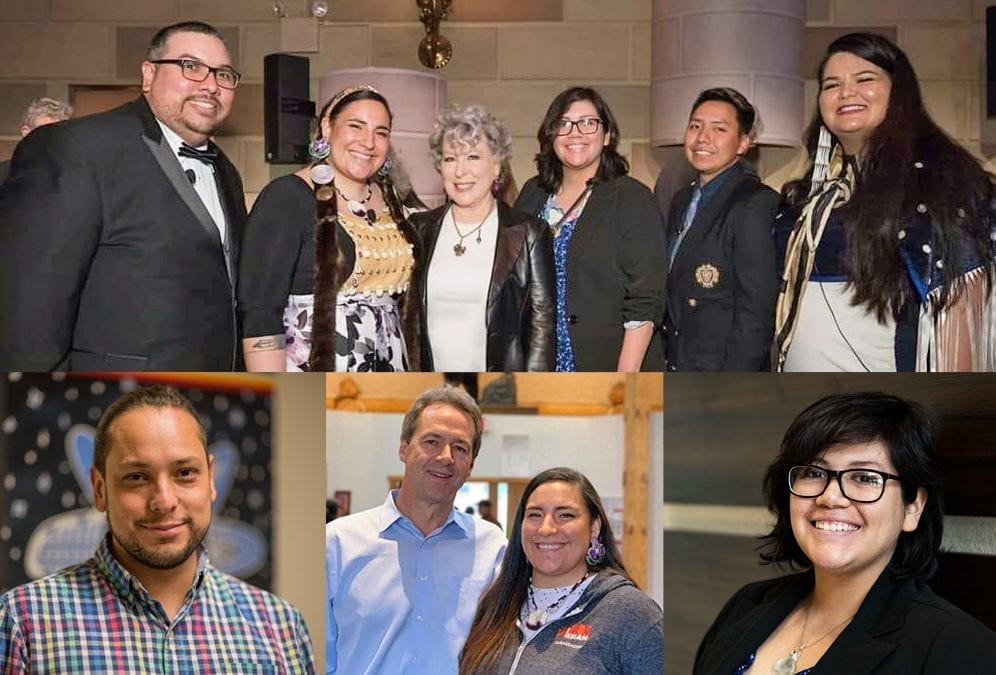
We are on the road again in Montana for the 2015 Montana Tribal College Career Fair Circuit on Feb. 2-10. Montana has the most Tribal College and Universities (TCUs) and TCU students than any other state and we are excited to join this event for the fifth year.
Scholar Seeks Engineering Degree to Contribute to Community Needs
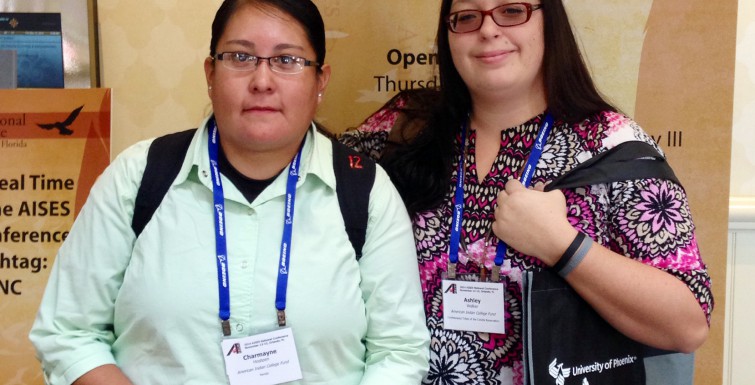
Charmayne is assisting Field Engineers and Engineering Technicians in general surveying and surveying potential construction projects within Eastern Navajo Agency. She says this has inspired her to continue her education in the field. “I am preparing drawing and sketches in the field for individual homes from rough drawings and sketches and drafts for project summaries and construction plans that are reviewed by higher-level technicians.
Walmart Foundation Scholarship Student Discovers New Horizons
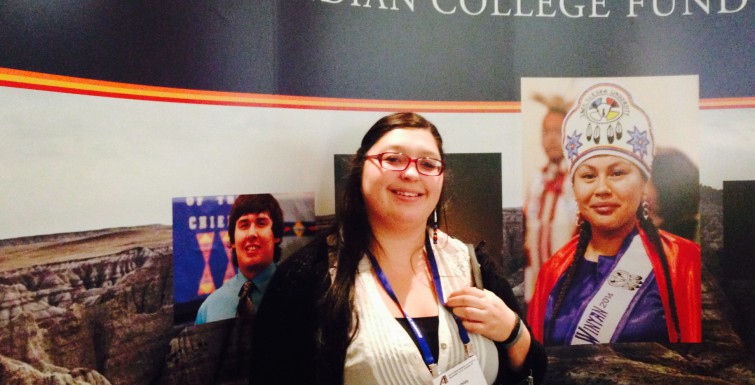
I was chosen to attend the American Indian Science and Engineering Society National Conference (AISES) in Orlando, Florida. I would first like to thank you very much for this amazing opportunity to represent the Walmart Foundation, the American Indian College Fund, Salish Kootenai College, and the Big Valley Rancheria Band of Pomo Indians.
Meet Our Summer Interns
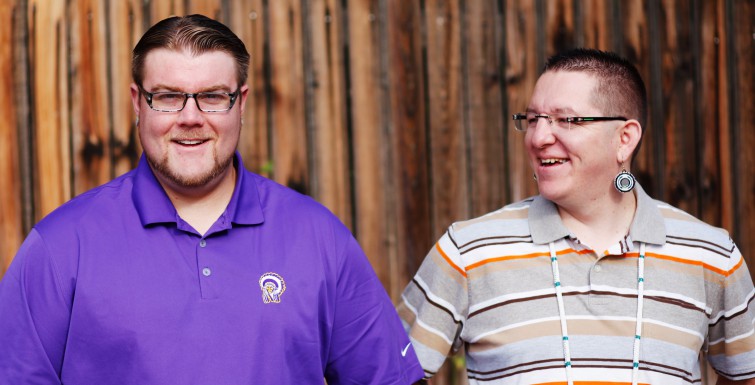
Ian Stand (Sac and Fox Nation) is a senior Indigenous and American Indian studies major at Haskell Indian Nations University. He comes from the San Francisco Bay Area and is a student-athlete who competes with the shot put and discus on the track and field team.
Student Blogger, Ulrick talks about C.H.A.N.G.E.
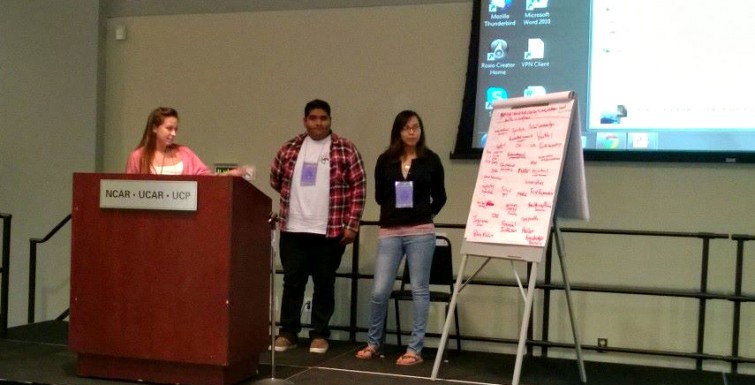
Making a connection to your culture can be a struggle to the say least, but once you find it it can be be one of the most fulfilling things of your life. I know this because it's a path I have begun and will continue to follow. Although it might not be for everyone,...
Brennan- Keepers of the Menominee Forest
It is estimated the Menominee Nation had owned nearly 10 million acres which comprised of eastern half of Wisconsin, Michigan’s Upper Peninsula, and even a small part in northern Illinois. After several treaties with the United States Government, the first being in...
Student Blogger Ulrick: Songs of Tribute Echo in Laughter
Over the past month I've been stressed with the load of late homework because I'm a professional procrastinator, and cramming studying for finals. I had completely forgotten about my personal duties. The anxiety weighed heavier on me than in previous semesters, but at...
Welcome Our Guest Student Blogger!
Meet Ulrick Francisco, a social services major from Sells, Ariz. attending Tohono O’Odham Community College. Ulrick will join us for the next year as a contributing blogger on the Think Indian Blog. Ulrick was inspired to earn his degree in his hometown through...
Funders Meet Little Big Horn College President and Student
On Friday, the Fund’s staff was given a rare treat: the opportunity to hear from both a TCU president and TCU student in one day. The presentation highlighted their challenges, successes, and overall vision for their tribe’s future. Sharing these words were President of Little Big Horn College, Dr. David Yarlott, and a first-year business student, Riley Singer.
