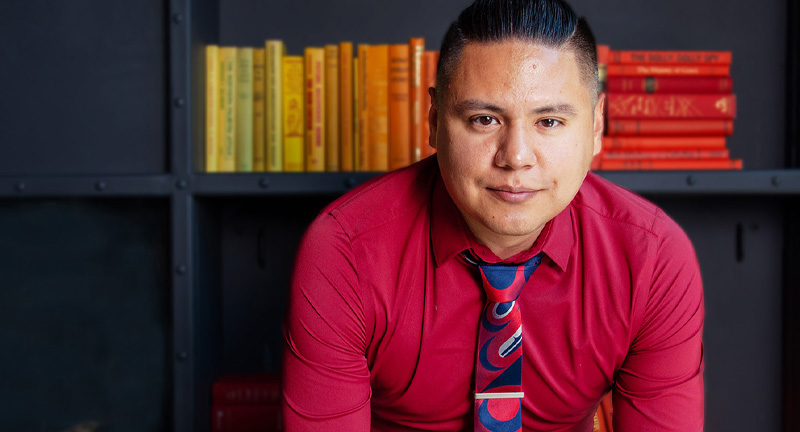
Robin Maxkii is just one of our successful female scholars—a Stockbridge Munsee woman, a computer coder, and a passionate advocate for higher education for all Natives and women and girls in tech.

Robin Maxkii is just one of our successful female scholars—a Stockbridge Munsee woman, a computer coder, and a passionate advocate for higher education for all Natives and women and girls in tech.
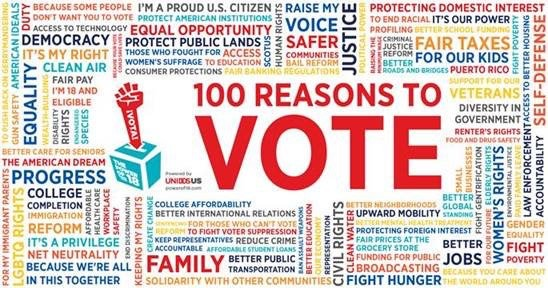
Today is National Voter Registration Day. Following are voter registration and voter issue tools to educate yourself and help engage others to get out the vote.
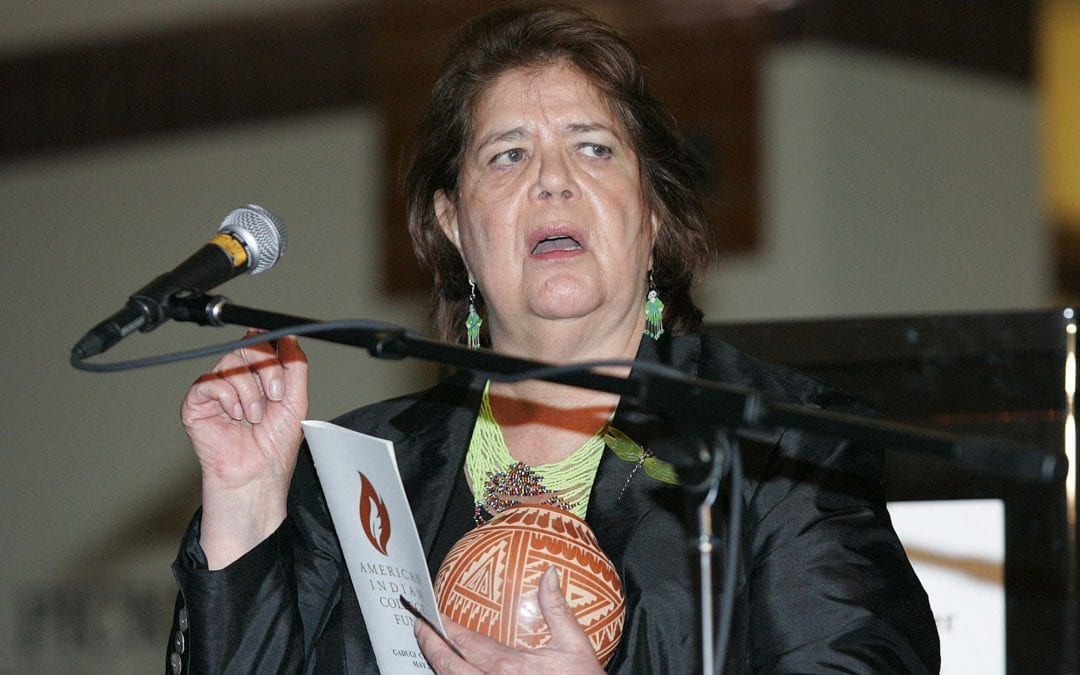
While we have always been citizens of our own nations since time immemorial it was not until 1924 when all American Indians born within the territorial limits of the U.S. were recognized as citizens, allowing us the right to vote. Today, a record number of Native candidates are running for office, making the 2018 election exciting. In early September, Indian Country Today reported that 52 Native American women are running for high-level positions in state legislatures, congress, and the position of governor.
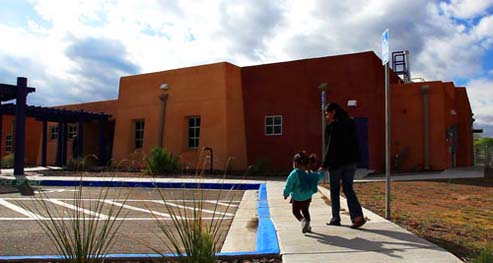
American Indians know the inter-generational psychological trauma that follows when children are removed from their families. Native children were forcibly taken from their parents by the U.S. government and were forced to attend boarding schools far away, losing their language, culture, and family ties, creating deep wounds.
The American Indian College Fund created the LGBTQ webinar series to provide a resource for all tribal colleges and universities (TCUs) on awareness and understanding of campus climate, identity, and current College Fund initiatives.
Walmart knows that providing outstanding students with scholarships is just one of the stepping stones students need to succeed. Opportunities to network outside of campus and community are important in exposing students to new ideas and possibilities as part of a students’ intellectual development—and career path.
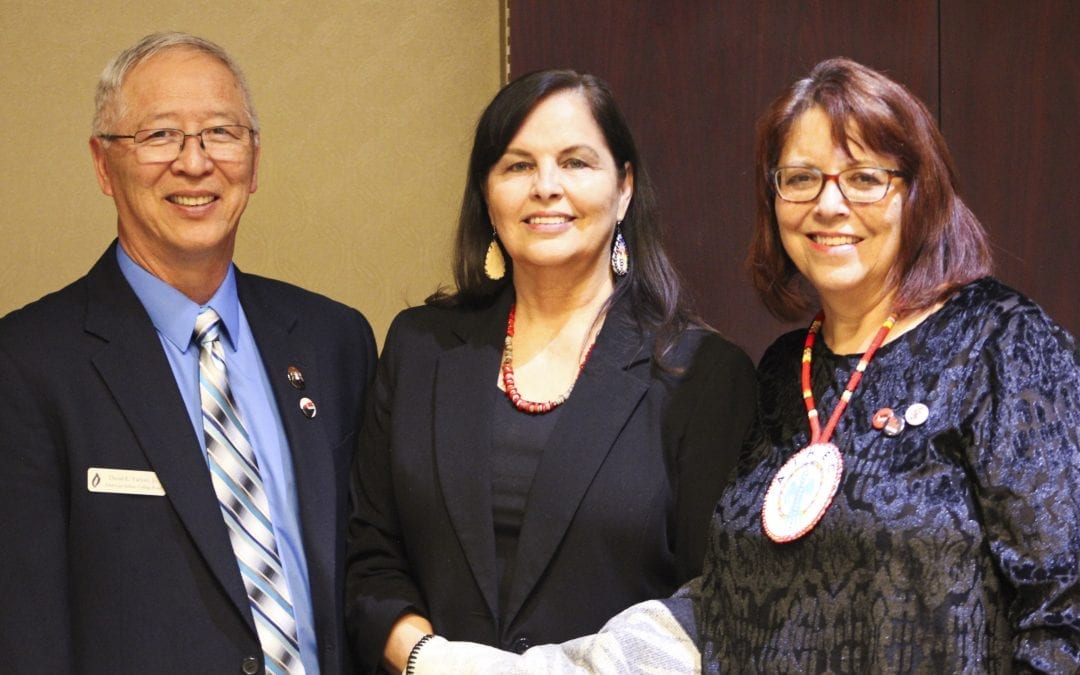
Dr. Cynthia Lindquist, President of Cankdeska Cikana Community College in Ft. Totten, North Dakota, says she never set out to be a tribal college president. “College was a dream for me as a high school kid. I was the oldest of 13 kids, and there was no money for college.”
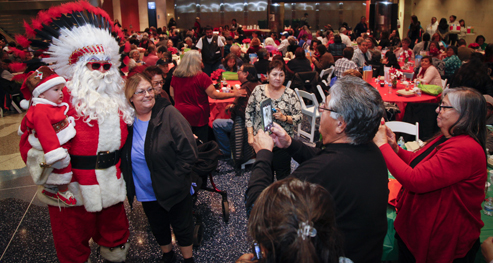
The American Indian College Fund honored Native American elders Theresa Halsey of the Lakota Tribe and Isaac Wak Wak of the Colville Confederated Tribes of Washington state at its Seventeenth Annual Denver Elders Dinner at the University of Denver’s Cable Center. Nearly 300 American Indian elders attended the traditional buffalo feast, which honored them for their guidance throughout the year.
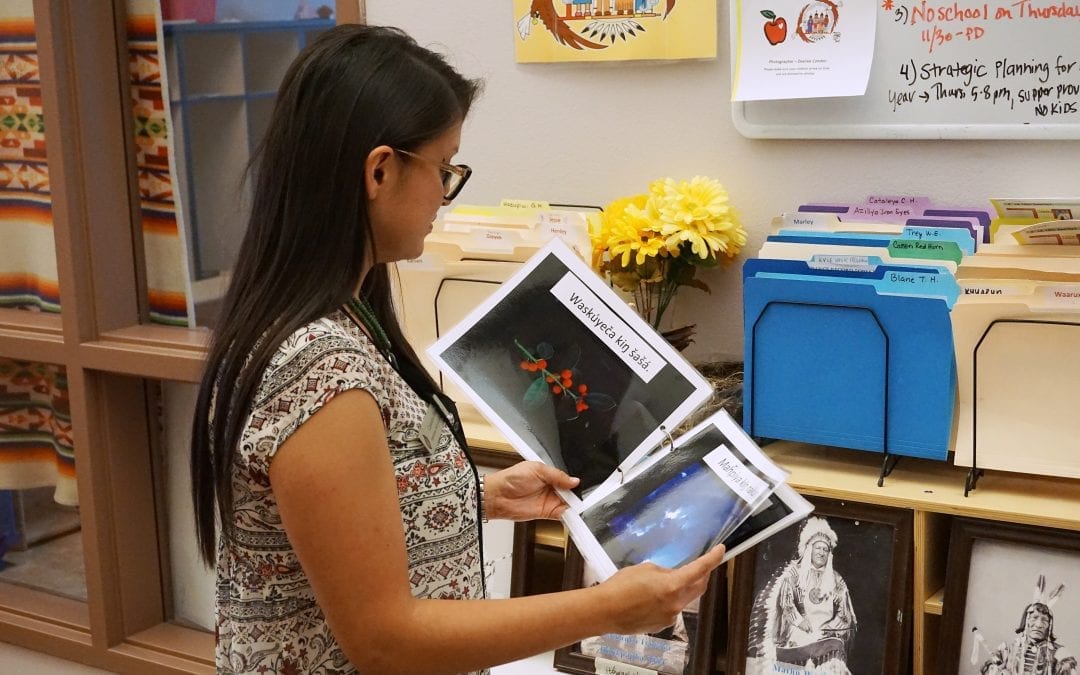
Cassandra Harden (Diné) was focused on a career in early childhood education when she first learned about internship opportunities with the American Indian College Fund (College Fund). While she studied as a student at tribal college Southwestern Indian Polytechnic Institute (SIPI) in Albuquerque, New Mexico. Cassandra got involved in SIPI’s early childhood program, working on the College Fund’s Wakanyeja “Sacred Little Ones” and Ké’ Early Childhood Initiatives, as a student intern.
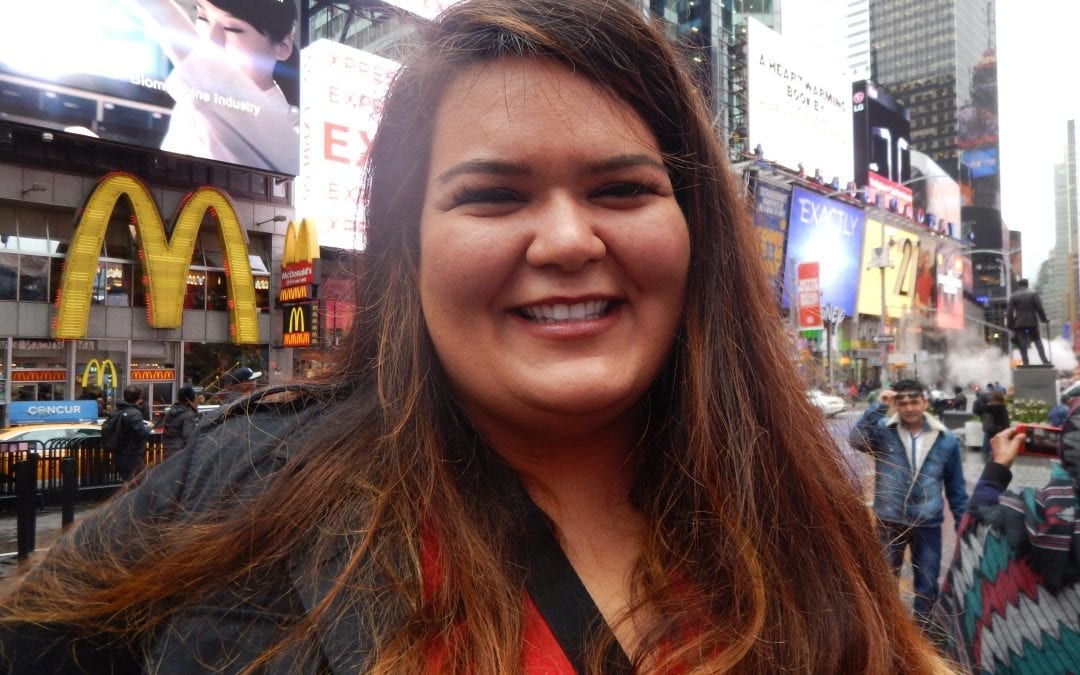
Robin Maxkii shared some snippets from her internship experience at the National Science Foundation in Washington, D.C. In a conversation with her about her internship experience, she shared that her time in Washington was one of her best experiences in learning more about how to think about and act on information given by working professionals and mentors. Although she was appreciative of their advice, she chafed at feedback about her career trajectory and academic pursuit.