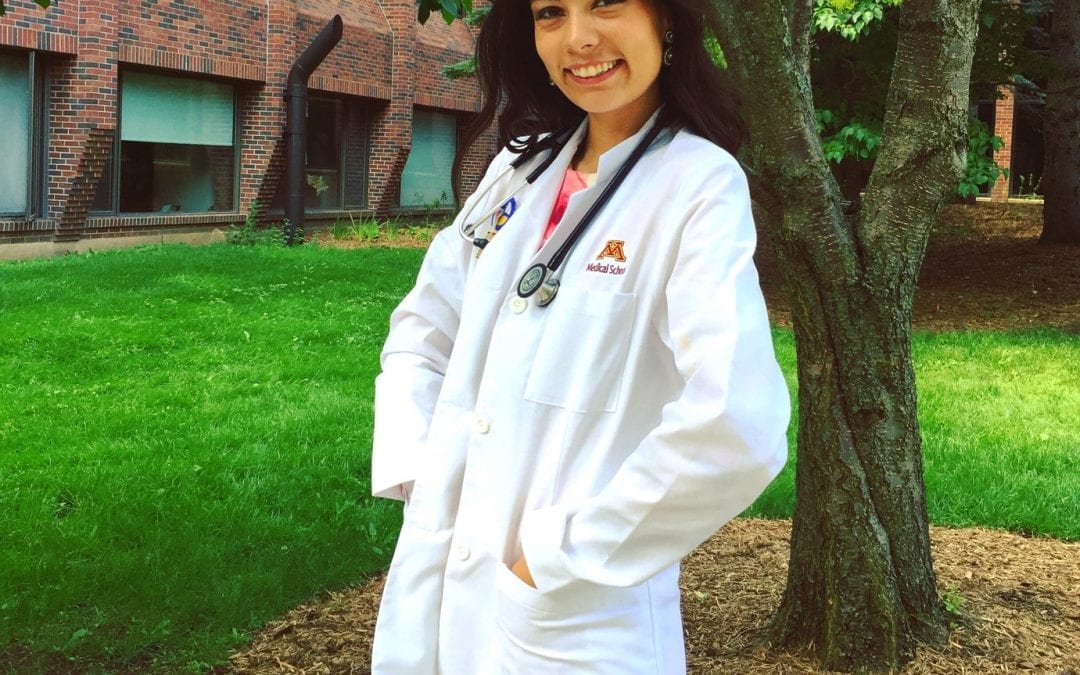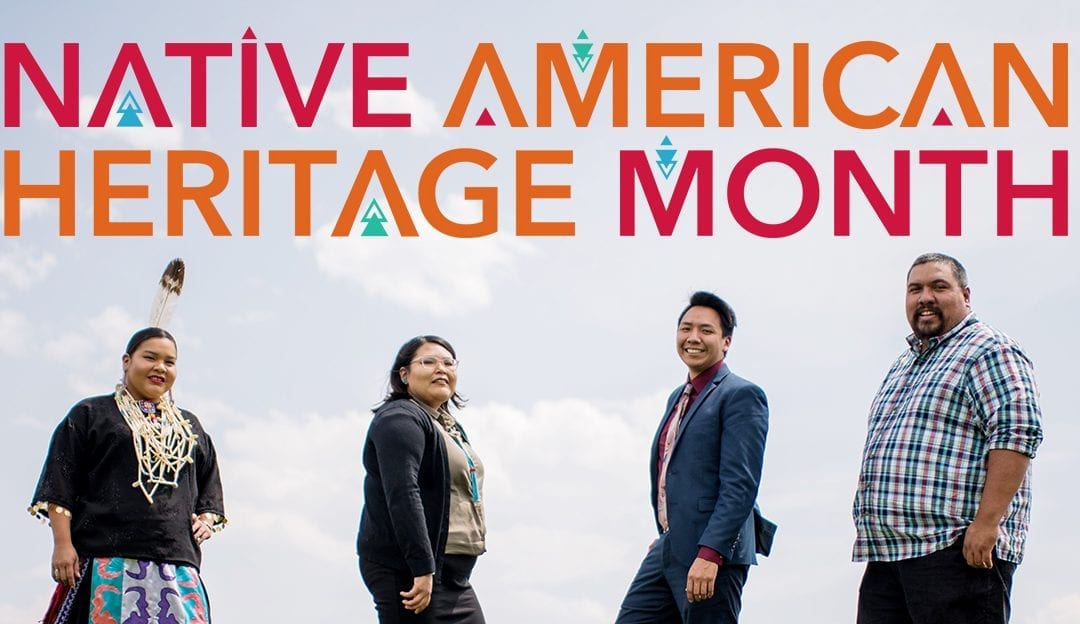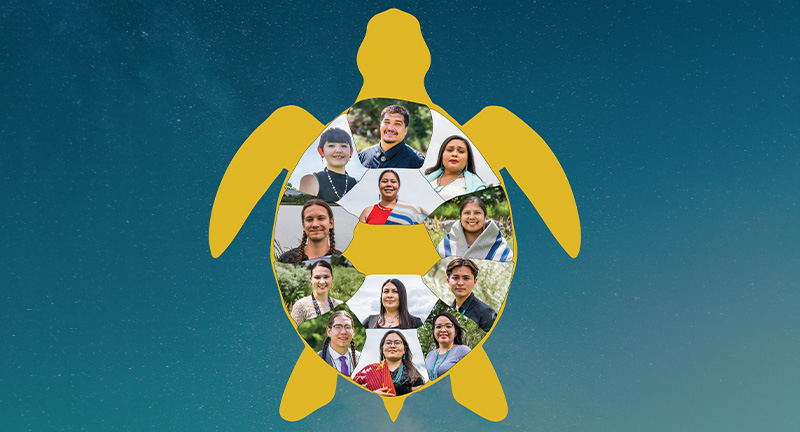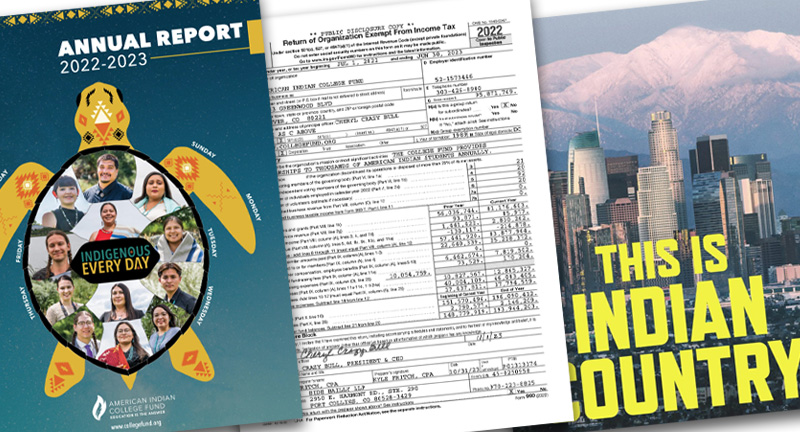
At the center of the American Indian College Fund’s new PSA campaign rests a goal to change a staggering statistic: Only 14 percent of college graduates today are American Indian, less than half of that of their peers.
During this month dedicated to women, I want to acknowledge the importance of Native women who work in environmental spaces. It was primarily women who encouraged me to believe in my relationship with the earth and who acknowledge me as I am, which is to say a mixed-race queer.
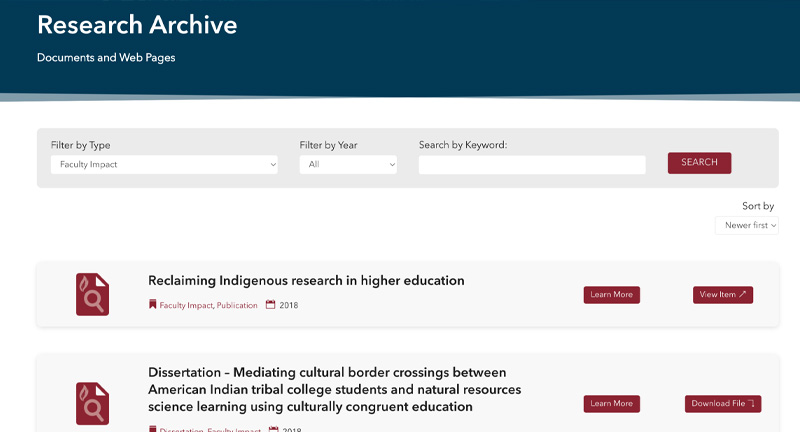
The American Indian College Fund has created an online research repository to further understanding about Native higher education, tribal colleges and universities, and American Indian and Alaska Native students. The repository, located on the College Fund’s web site, provides researchers and the general public access to research the work that the College Fund and others do to support Native student success.
Conferences can be a great place for early childhood educators, families, teachers in training, and researchers working with indigenous young children. They are a place to gather ideas and build professional development for use in the classroom.
In 2016, I was invited to submit a chapter on the presidency of tribal colleges for a book on leadership at minority-serving institutions. I started the chapter with these words, Itancan, Bacheei-tche, Ogimaa: tribal words for those in leadership at tribal colleges because their leadership is rooted in their cultural knowledge and practices. This essay is derived from that chapter, “Tribal College and University Leaders: Warriors in Spirit and in Action
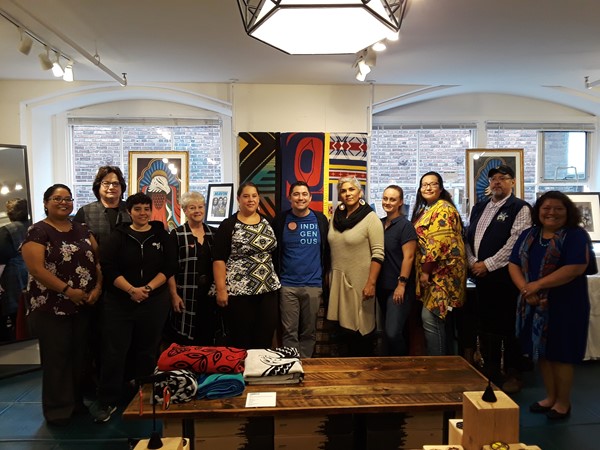
Bridget Skenadore, Project Officer of Native Arts and Culture at the American Indian College Fund, had the opportunity to participate in the Heard Museum’s Navajo rug weaving workshop in November 2017. In her job capacity she has had the opportunity to learn about Traditional Native Art forms from the upper-Midwest and with this opportunity from the Heard Museum she was able to learn about a Traditional Native Art form from her culture.
Preparing children for college starts at birth. But the American Indian College Fund realized that a one-size-fits-all approach to education does not work for Native children. Six years ago, the College Fund set out to strengthen systems of care and learning for Native children by expanding opportunities for their families to consider college as a pathway to thriving communities, starting from birth to career, by incorporating the local culture into education.
This weekend, Denise McKay, a Tribal Elder from Fort Yates, North Dakota, brought me to a point in my life that inspired me to look differently at life and my surroundings. Listening to her stories, how she spoke about her mother with love, how she cradled everything that was taught to her, and how she spreads her knowledge to anyone who wants to learn put such a joy in my heart and my soul, I felt as if I would burst when I told my family.
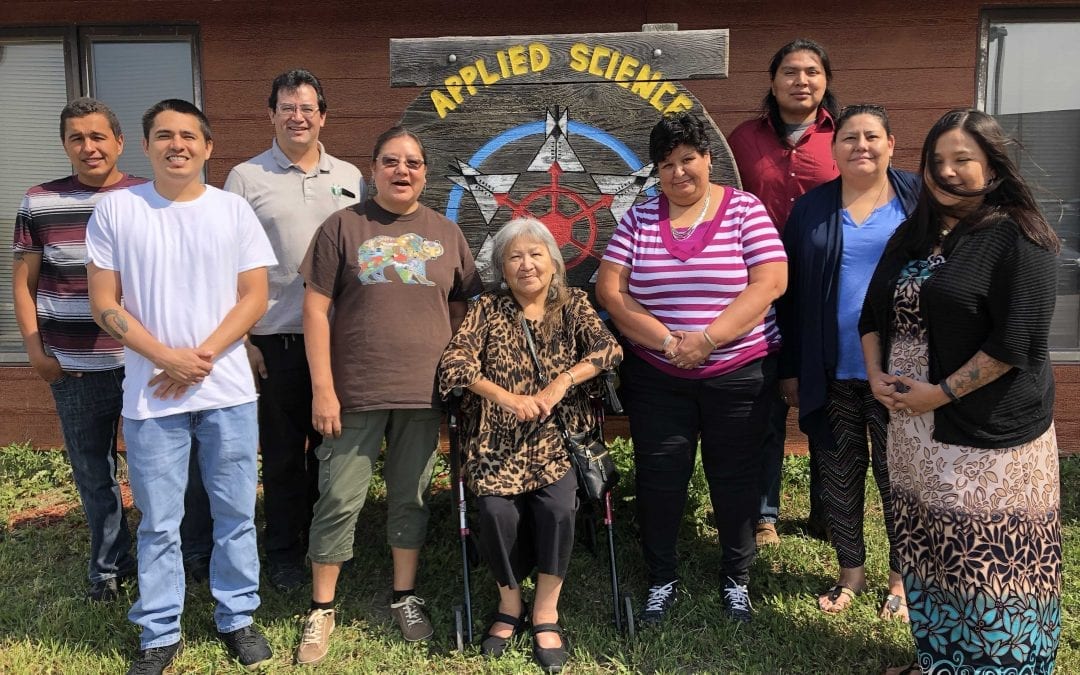
The American Indian College Fund is proud to offer a cross-collaboration learning opportunity through the Restoration and Preservation of Traditional Native Arts and Knowledge Grant. Tribal Colleges and Universities (TCUs) program administrators of the Traditional Native Arts grant will have the opportunity to learn, observe and exchange ideas from each other through the “Sister Site Visit” program.
Northwest Indian College’s (NWIC) Early Childhood Education (ECE) degree program and Restorative Teachings Initiative hosted 20 visitors from Southwest University in Chongqing, China, which included ECE faculty and teacher candidates from Southwest University and practicing teachers from their partnering ECE programs.