Invisibility is, in essence, the modern form of racism used against Native Americans. Check out our report on how higher education institutions can create equitable and healthy learning environments for American Indian and Alaska Native students.
It is with heavy, but grateful hearts, that we at the American Indian College Fund, on behalf of the students and Native communities we serve, thank Vanguard founder and longtime American Indian College Fund supporter Jack Bogle for his commitment to improving the lives of American Indians.
Schools would be able to choose what standard of evidence to apply to cases of sexual misconduct; only formal complaints filed with an authority figure would be investigated; and schools would no longer be required to investigate complaints occurring off campus or outside of their school-sponsored programs.
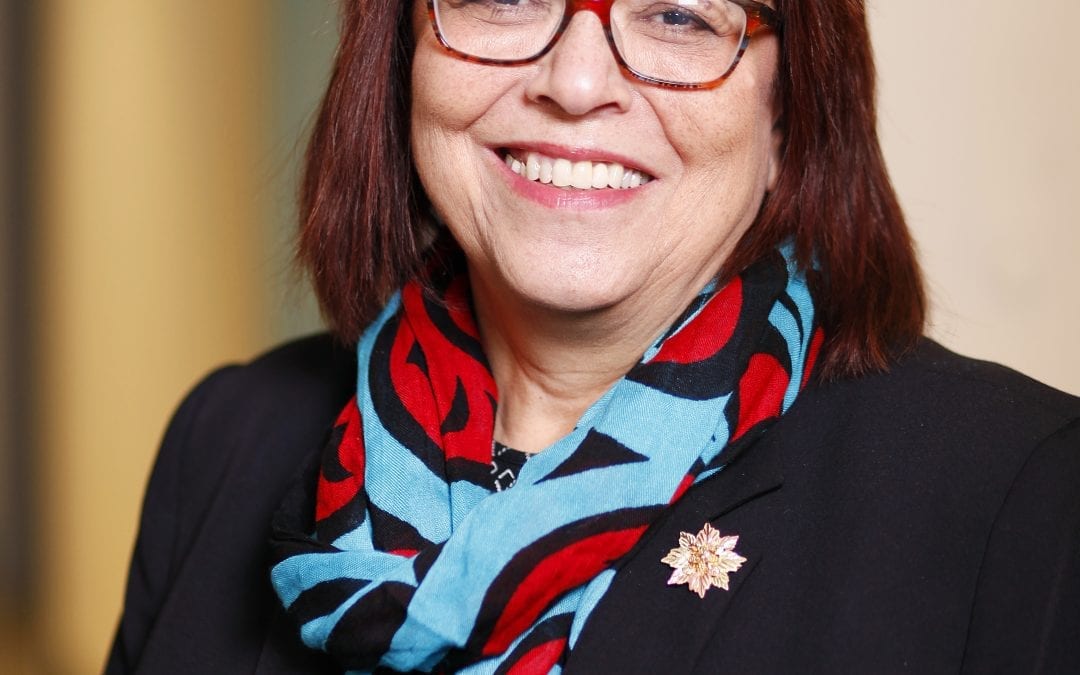
With more than 30 years of experience working in education with American Indians, President Cheryl Crazy Bull of the American Indian College Fund shares her insight into how all colleges and universities can increase access to higher education for Native students–and help students thrive once they are there.
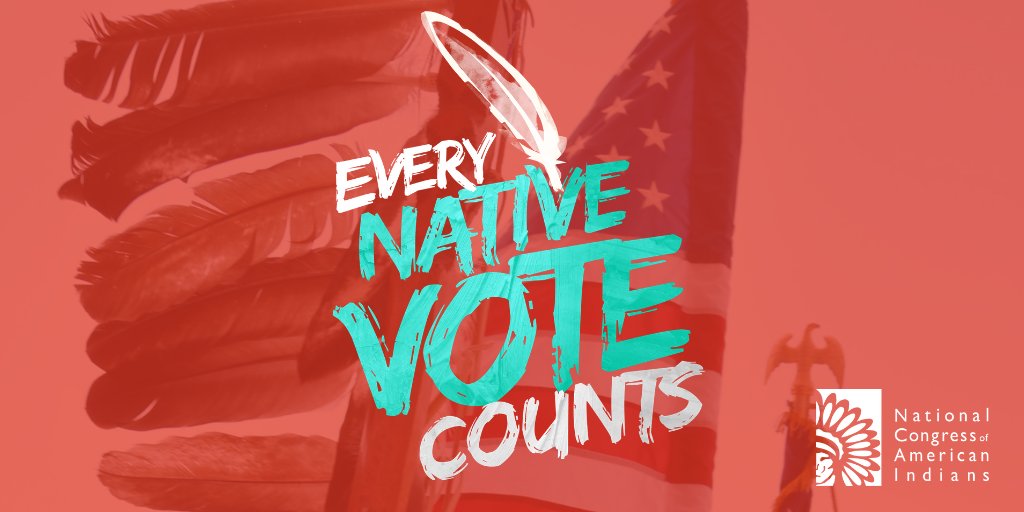
Voting matters because legislators make decisions that impact our daily lives. They decide matters of public policy. They appoint boards. They vote on legislation that controls national, state, and local resources for education and natural resources. Most importantly, they allocate budget monies to their constituents’ priorities.
When I was in college, a guest speaker, a salesman, came to one of my classes. He said that when he traveled across the state of South Dakota, he drove quickly with a focus on getting away when he passed through the reservations.
While we have always been citizens of our own nations since time immemorial it was not until 1924 when all American Indians born within the territorial limits of the U.S. were recognized as citizens, allowing us the right to vote. Today, a record number of Native candidates are running for office, making the 2018 election exciting. In early September, Indian Country Today reported that 52 Native American women are running for high-level positions in state legislatures, congress, and the position of governor.
American Indians know the inter-generational psychological trauma that follows when children are removed from their families. Native children were forcibly taken from their parents by the U.S. government and were forced to attend boarding schools far away, losing their language, culture, and family ties, creating deep wounds.
In 2016, I was invited to submit a chapter on the presidency of tribal colleges for a book on leadership at minority-serving institutions. I started the chapter with these words, Itancan, Bacheei-tche, Ogimaa: tribal words for those in leadership at tribal colleges because their leadership is rooted in their cultural knowledge and practices. This essay is derived from that chapter, “Tribal College and University Leaders: Warriors in Spirit and in Action
By 2020, 65 percent of all jobs will require post-secondary education. But only 13.8 percent of American Indians have a college degree – less than half the national average. Fighting this dynamic is the American Indian College Fund, providing direct, focused solutions that enable American Indian youth to succeed in college and beyond.