Indigenous Literacy Story Series
The Indigenous Literacy Story Series seeks to shift perceptions of literacy and education in tribal nation communities, provide evidence of literacy success and innovation in tribal nation communities, establish the College Fund as a resource and leader in literacy resources, and encourage innovation and collaboration within TCUs, across TCUs, and between Native inservice teachers.
This story series features guest writers from the College Fund, TCUs, and Native educators in the field.

Indigenous Literacy is:
A means of expressing and sustaining connection, culture, and sovereignty.
The ability to communicate (tell stories, speak, write, create, teach, or demonstrate) and comprehend (listen, read, sense, interpret, view, learn, or practice).
A starting point for Native people to co-create their environment in ways that are grounded in – and sustaining of – Indigenous cultures, languages, and ways of knowing.
Relational and intergenerational, supporting kinship with each other, ancestors, and the land.
Essential to thriving Indigenous communities.
Featured Stories
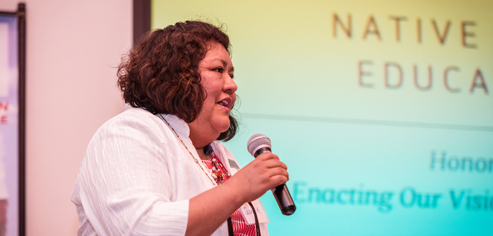
Early Childhood Expert Appointed to Board of Directors of the National Board for Education Sciences
President Barack Obama announced his intent to appoint Tarajean Yazzie-Mintz of the Denver-headquartered American Indian College Fund to a key Administrative post on the Board of Directors of the National Board for Education Sciences.
College Fund Expert Lends Voice to Cell Phone Debate for Young Children
Tarajean Yazzie-Mintz, Co-Director of the American Indian College Fund’s Office of Research and Sponsored Programs and Senior Program Officer of Tribal College and University Early Childhood Education Initiatives, shared that cell phones are no longer merely communications devices, but are tools to access and exchange multiple sources of information. Parents must consider these factors while strategically monitoring and guiding children’s use of these tools.
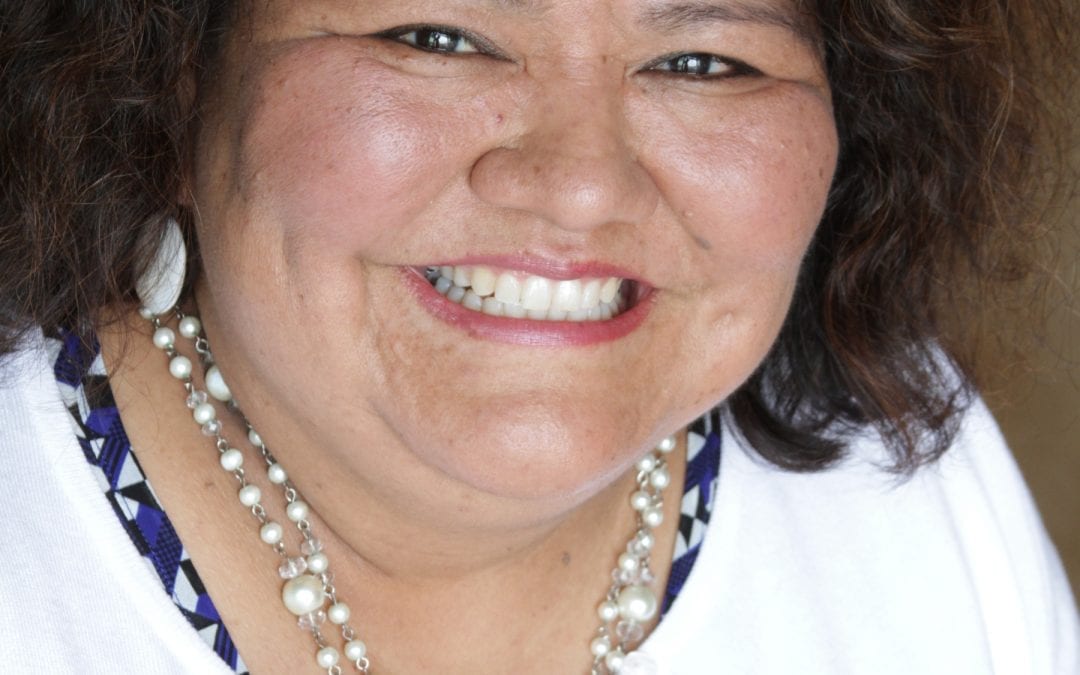
President Obama Appoints Early Childhood Expert to Board of Directors of the National Board for Education Sciences
President Barack Obama announced his intent to appoint Tarajean Yazzie-Mintz of the Denver-headquartered American Indian College Fund to a key Administrative post on the Board of Directors of the National Board for Education Sciences.
Keweenaw Bay Ojibwa Community College Makes Beautiful Changes Through the Restorative Teachings Early Childhood Education Initiative
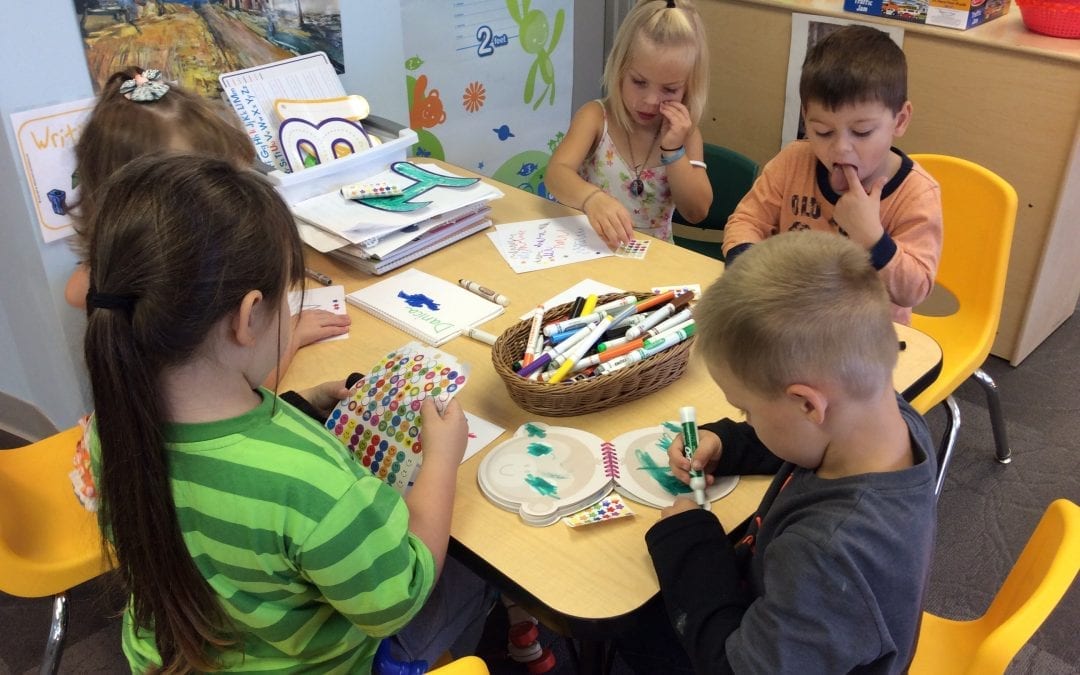
Boozhoo (hello) from all of us here at the Keweenaw Bay Ojibwa Community College (KBOCC). Fall is upon us and as the leaves begin to change colors we are making some changes in our early childhood education programs as well. KBOCC has teamed up with our on-site Migiziinsag (Little Eagles) Great Start to Readiness Program to launch our Restorative Teachings Initiative entitled Abinoojiinh Waakaa’igan (A Child’s House).
Keweenaw Bay Ojibwe Community College Builds Critical Partnerships Through Community Based Training Through Brazelton Touchpoints Center
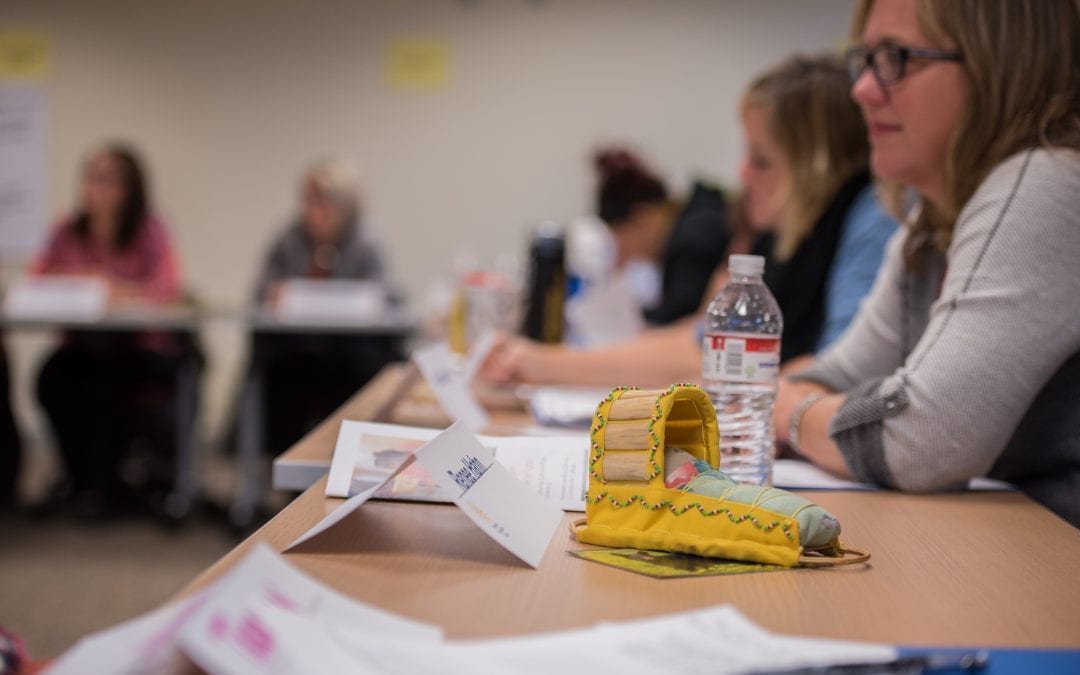
The American Indian College Fund supports four tribal colleges in work to strengthen Native early childhood education under the Restorative Teachings Initiative. Keweenaw Bay Ojibwa Community College (KBOCC) is one of four 2016-17 TCU grantees implementing programming to increase access to health and wellness and securing Native families.
Informational Texts Connect!
Children read better and more when they have access to culturally relevant books. The College of Menominee Nation participated in the Wakanyeja “Sacred Little Ones” ECE Initiative from 2011-15, and during that time developed a series of Menominee-based informational books to strengthen the approach to engaging children in early literacy practices.
Empowering Young Lakota Learners Through Restorative Teachings
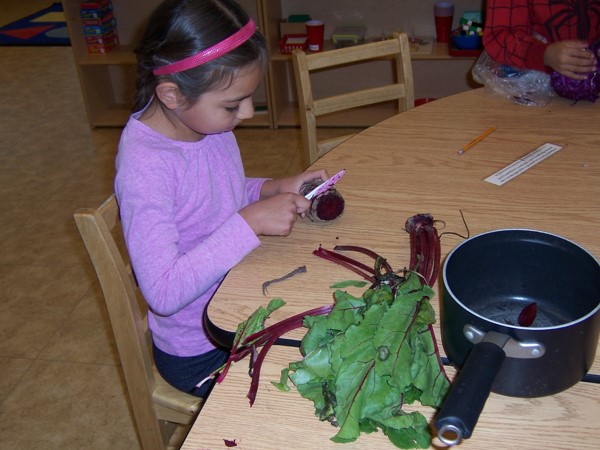
The Lakhól’iyapi Wahóhpi (Lakota Language Nest) is a 100% Lakota language immersion preschool located at Sitting Bull College in Fort Yates, North Dakota. The Language nest has expanded in the past few years to include Wichákini Owáyawa – a Kindergarten, first grade...
College Visits Build Perspective for Prospective College Students
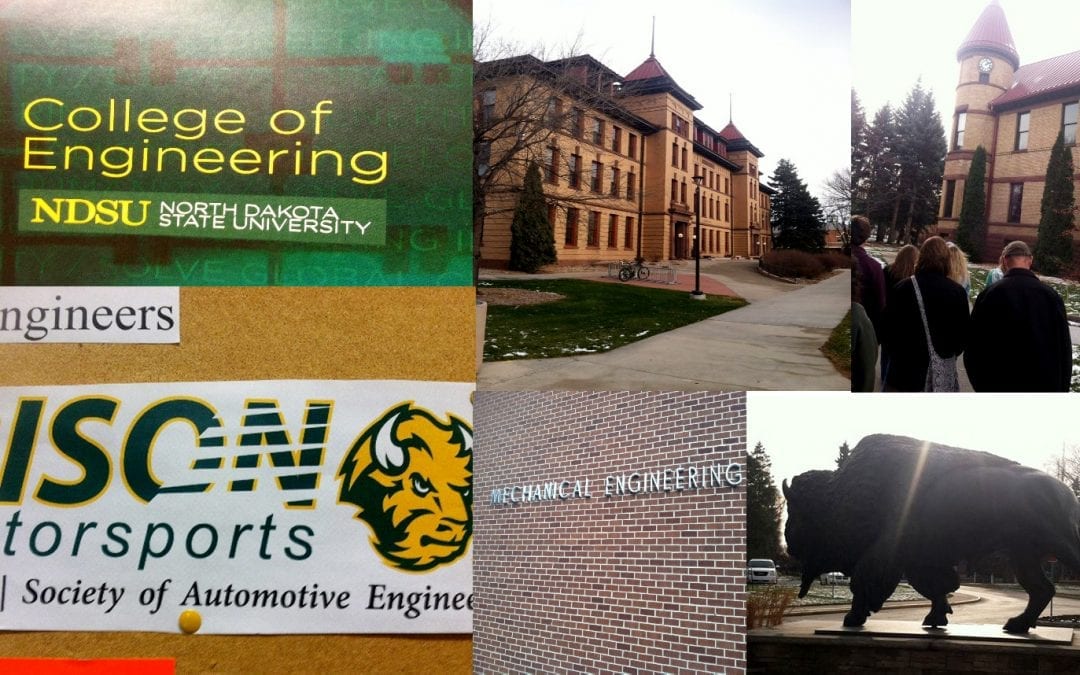
My name is Dane Allapowa and I am a sophomore at Cankdeska Cikana Community College (CCCC); a tribal college in Fort Totten, N.D., on the Spirit Lake Reservation. Thanks to the American Indian College Fund’s Native Pathways to College program, I was able to take a tour of my prospective college, North Dakota State University (NDSU).
College Fund Honors Two Native Elders at Annual Dinner
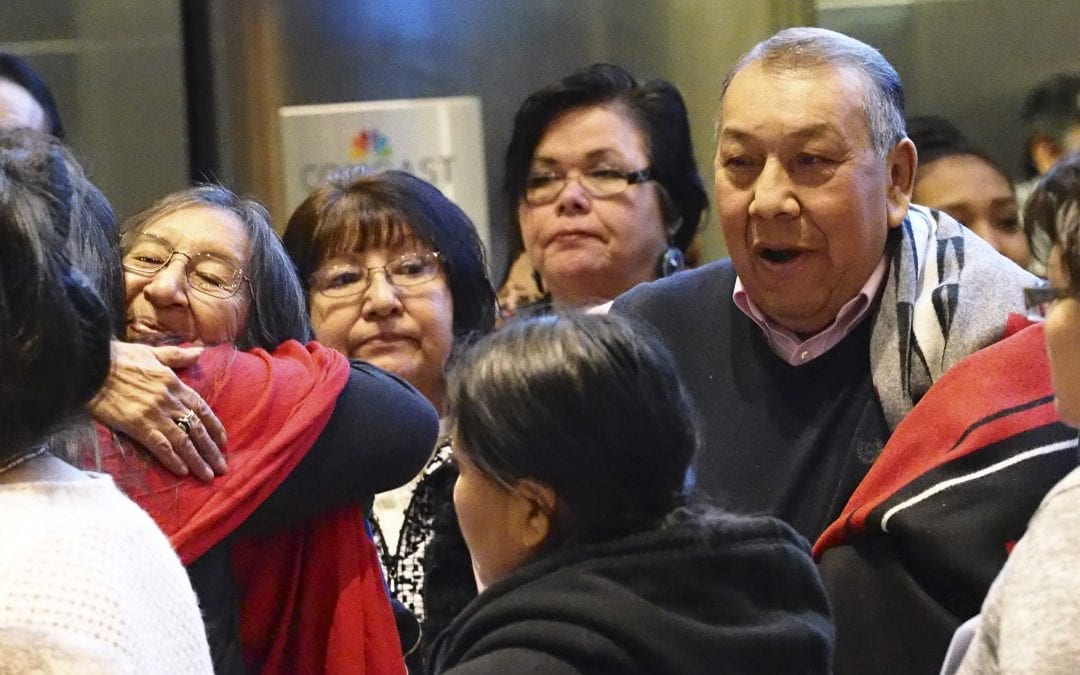
The American Indian College Fund honors Della Bad Wound and Frank Sherwood, two American Indian elders from the Denver community, at their annual Denver Elders Dinner on Tuesday, December 6 from 5:30-8:00 p.m. at The Cable Center, the University of Denver, 2000 Buchtel Boulevard in Denver, Colorado. Three hundred American Indian elders attend the traditional buffalo feast, which honors them and offer thanks for all elders’ guidance throughout the year.
Civility, Complicity and Silence: Lessons from Our Ancestors
Right after the presidential election, I sent a message to our students urging them to practice self-care in the face of expected increases in racial, gender, and religious discrimination fueled by the divisions the election exacerbated – divisions that were both obvious in the rhetoric and actions of the candidates and in the electorate and which are also hidden in the language of nationalism. My message spoke to the choices that we each have in how we will respond and the awareness that we must have when we choose to be silent or speak out.