
Planting the Seeds of Cultural Sustainability
April 22, 2026 | Student Ambassador Aiyanna Tanyan’s (Seminole Nation of Oklahoma) work to reclaim food sovereignty
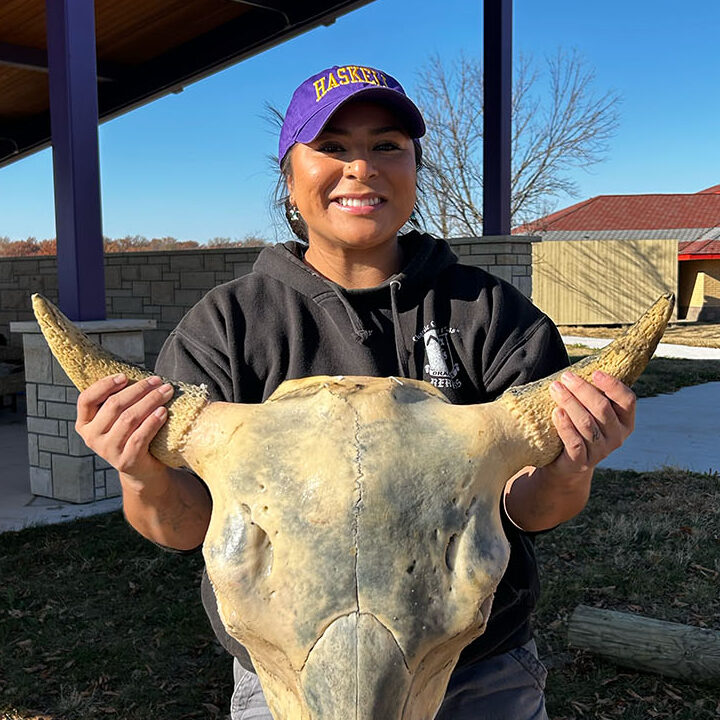
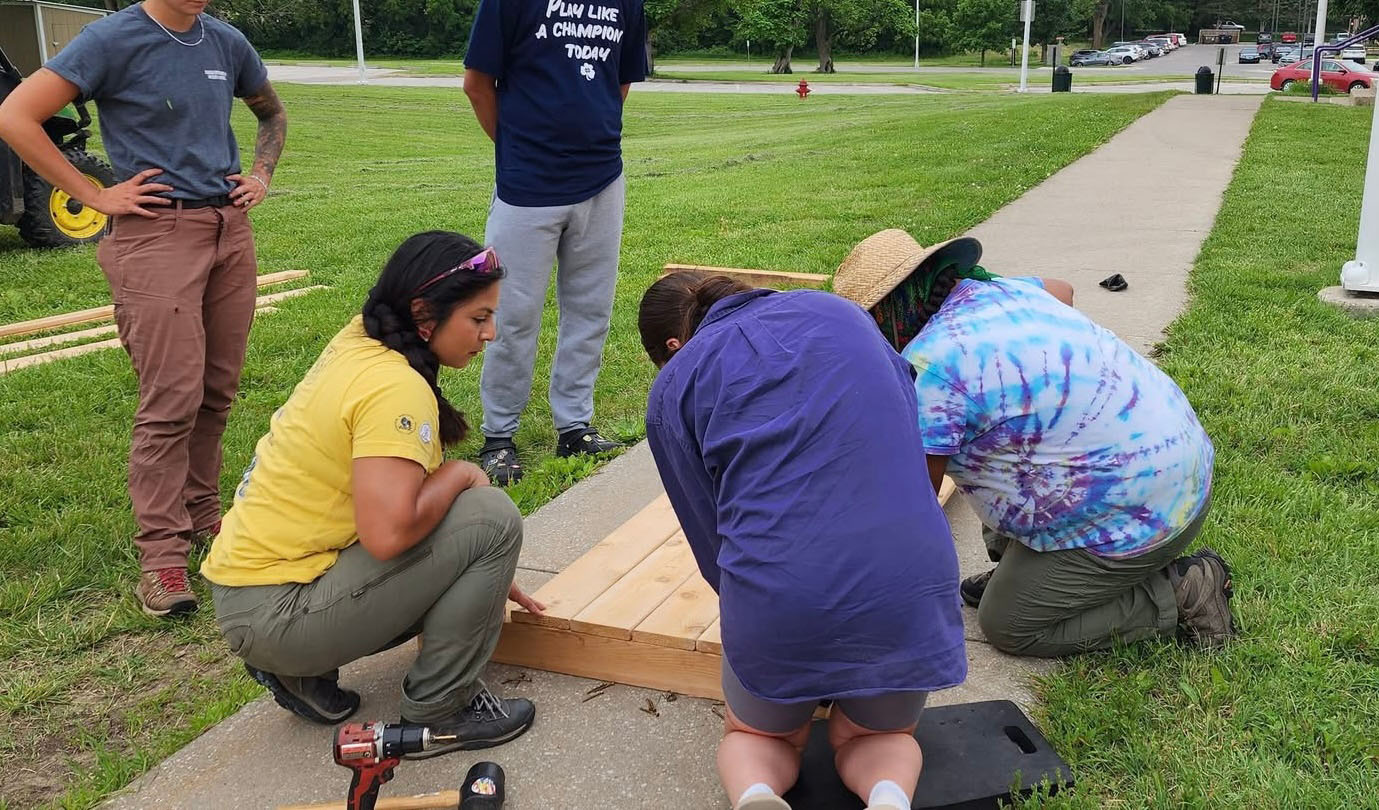
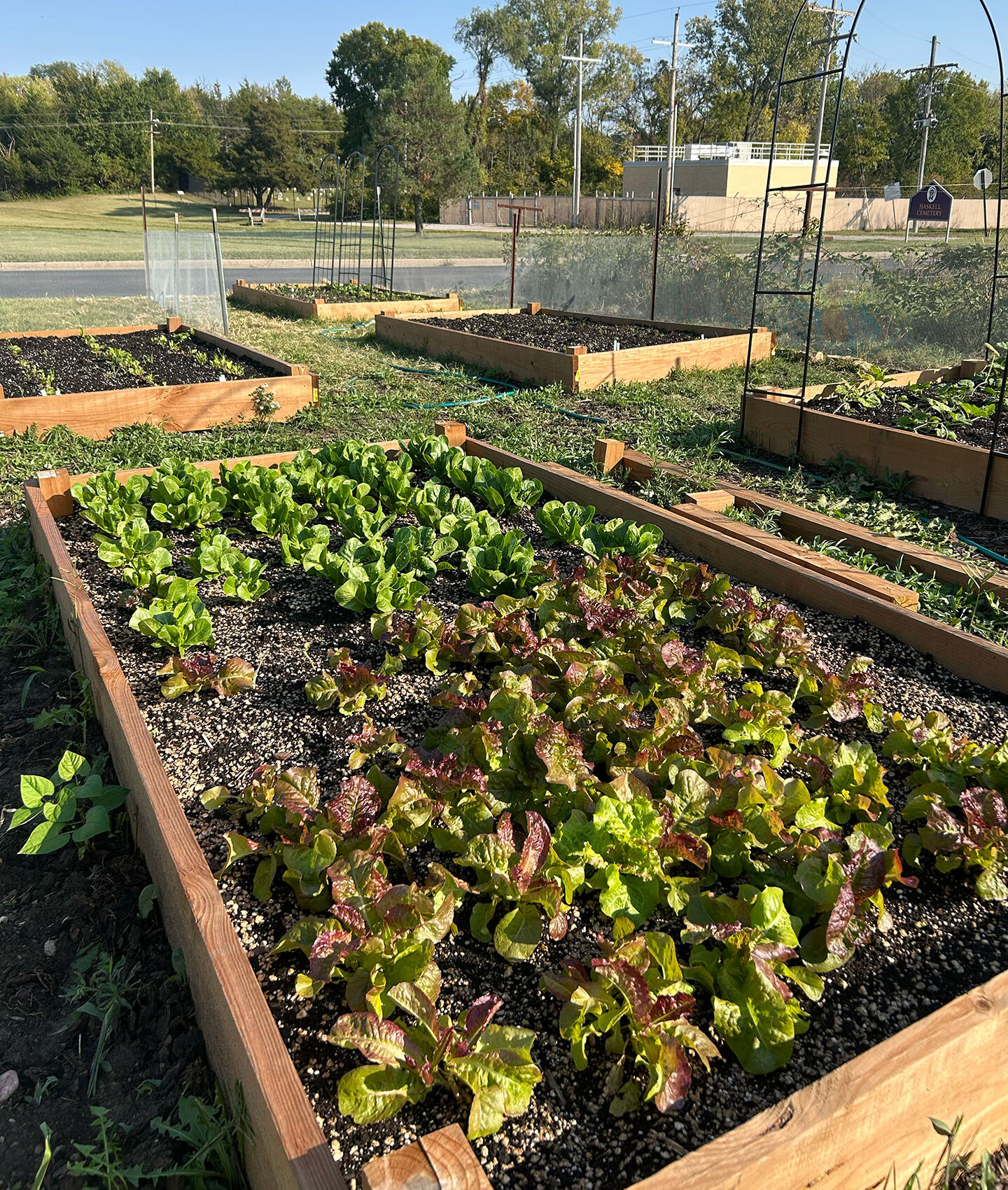
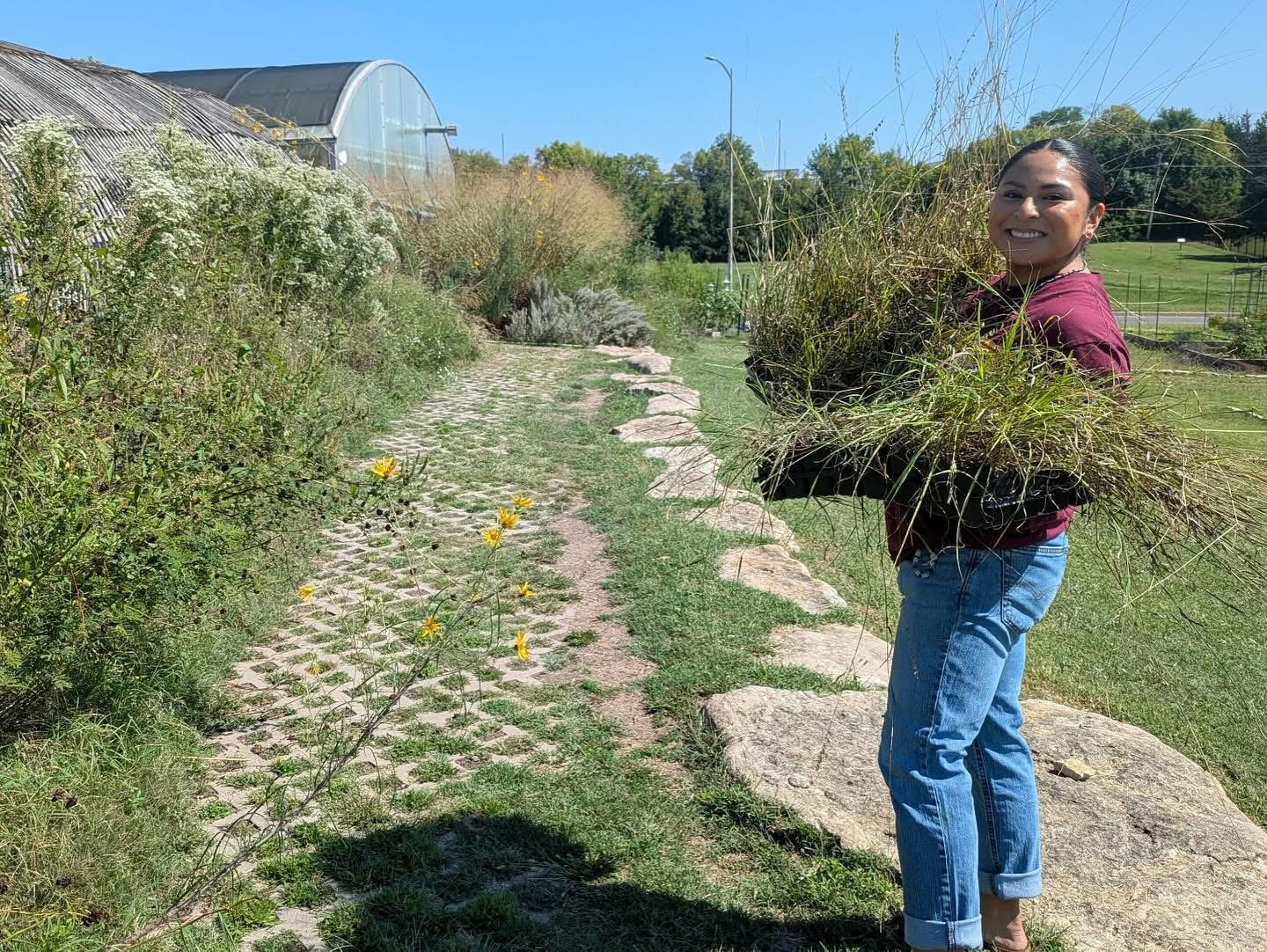
We came up with the idea of building raised garden beds near the dorms so students can easily access fresh foods and learn how to grow them themselves. Through support from the Haskell Greenhouse (funded through the USDA Equity Grant), we started building.
Last year was our first year doing this project and it was a learning experience as with many community-based projects, it comes with trial and error. However, that process taught us a lot about what works, what doesn’t, and how to build something more sustainable moving forward. This year, we’re continuing this work with stronger systems, more involvement, and a clearer vision.
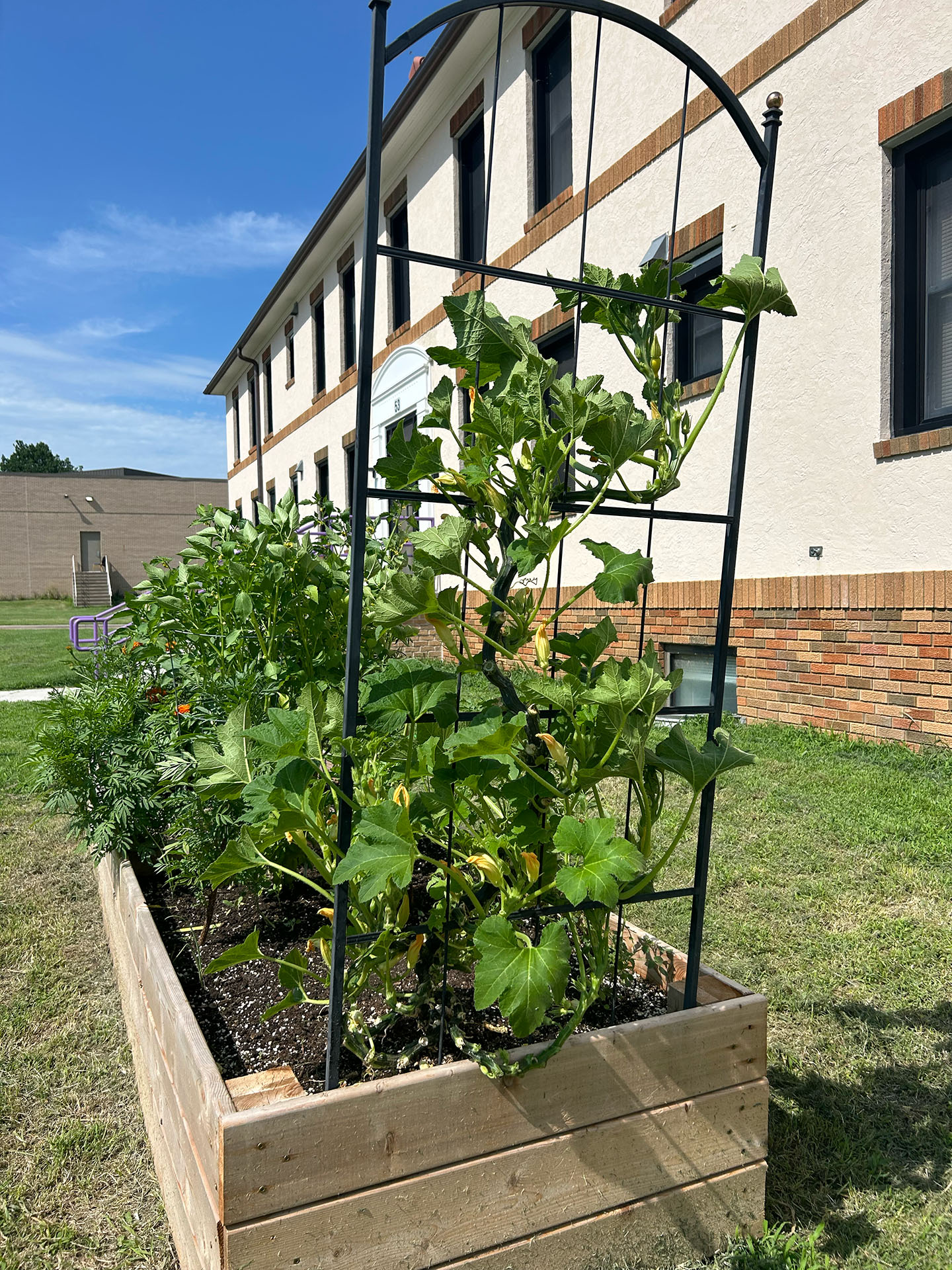
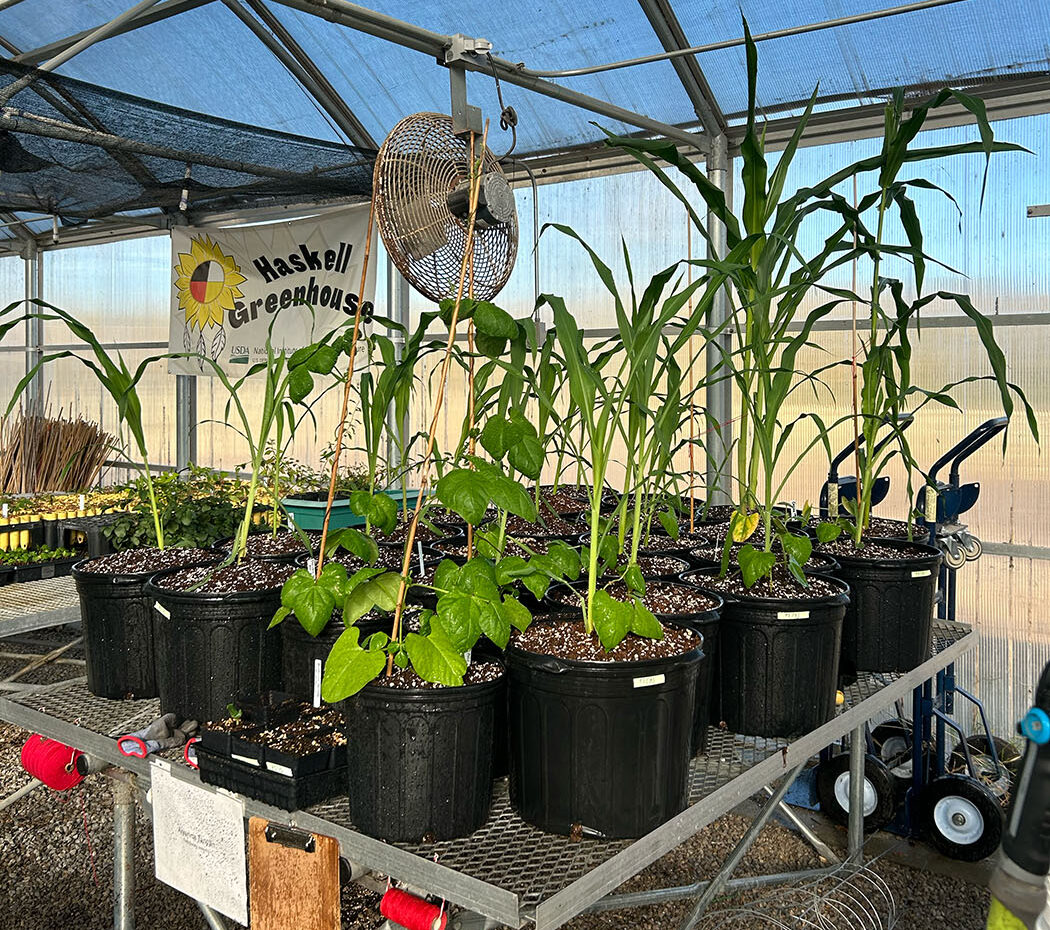
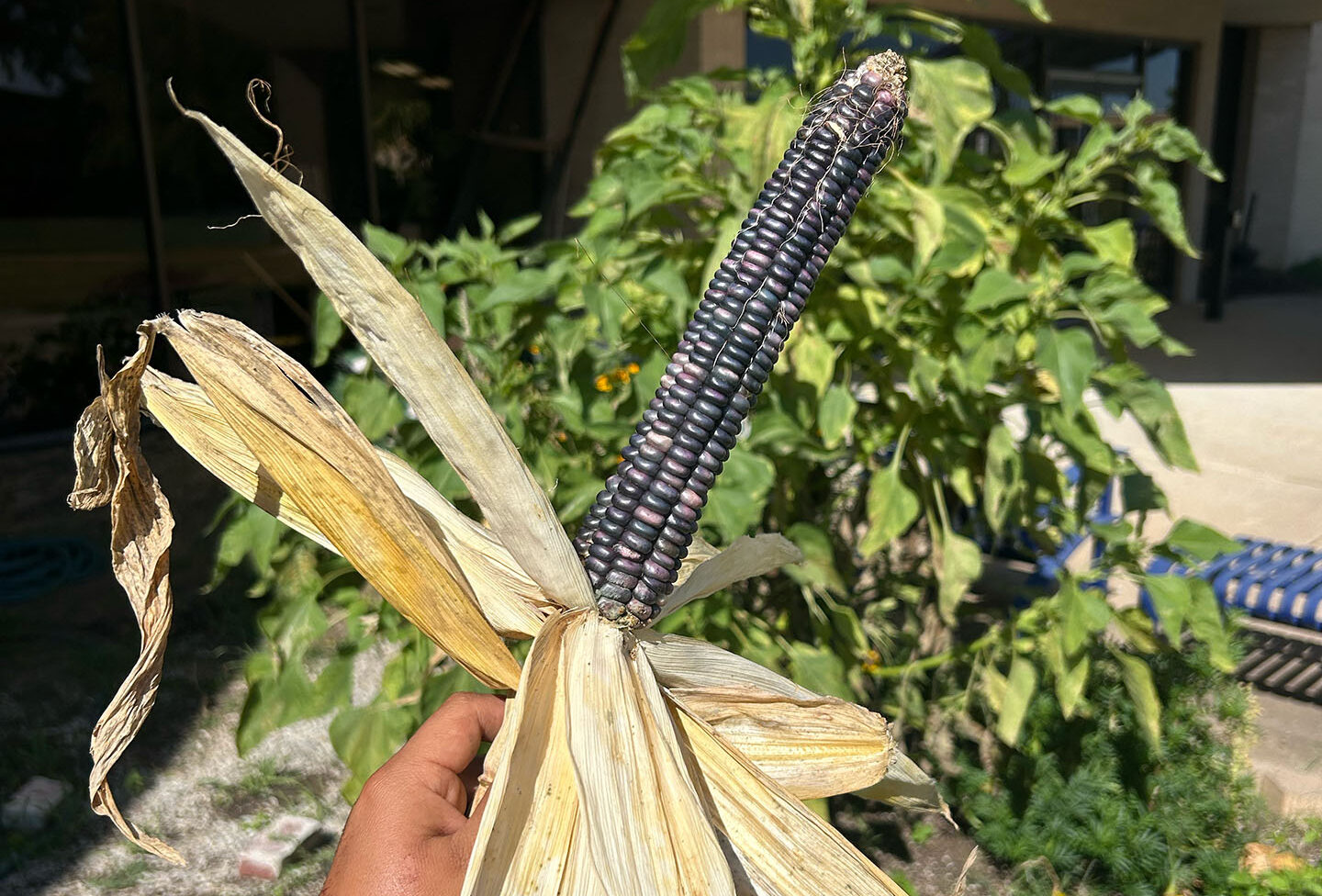
Everyone at the Haskell Greenhouse wants to help others learn, value, and view these spaces as places of teaching. I know they have taught me so much about responsibility and our relationship with the environment. Through these projects, we’re helping students reconnect with the land and understand the importance of food sovereignty for Indigenous communities. This work is ongoing, and we’re still learning. Every seed planted, and every workday shared brings us one step closer to a more sustainable and connected future.
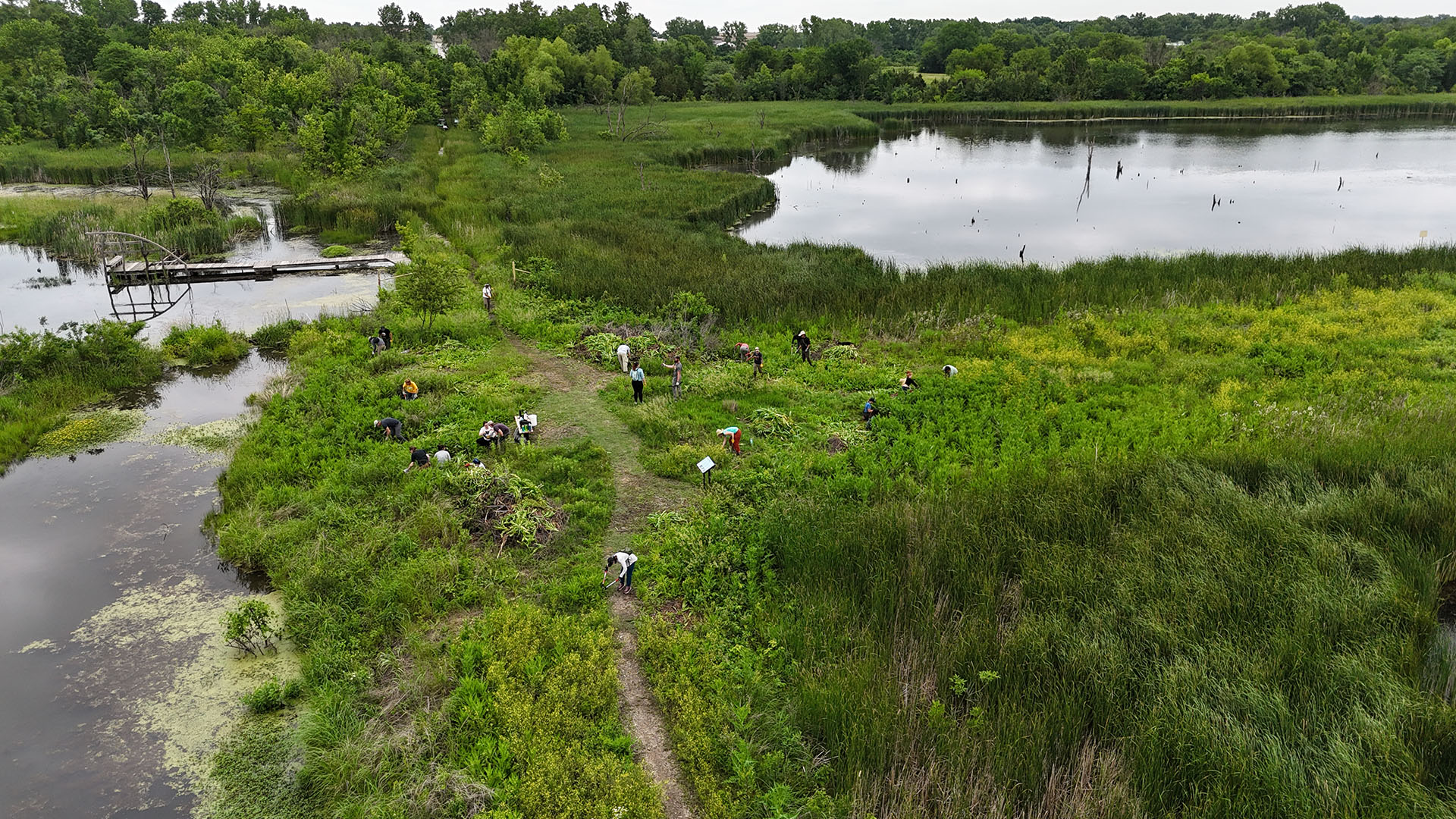
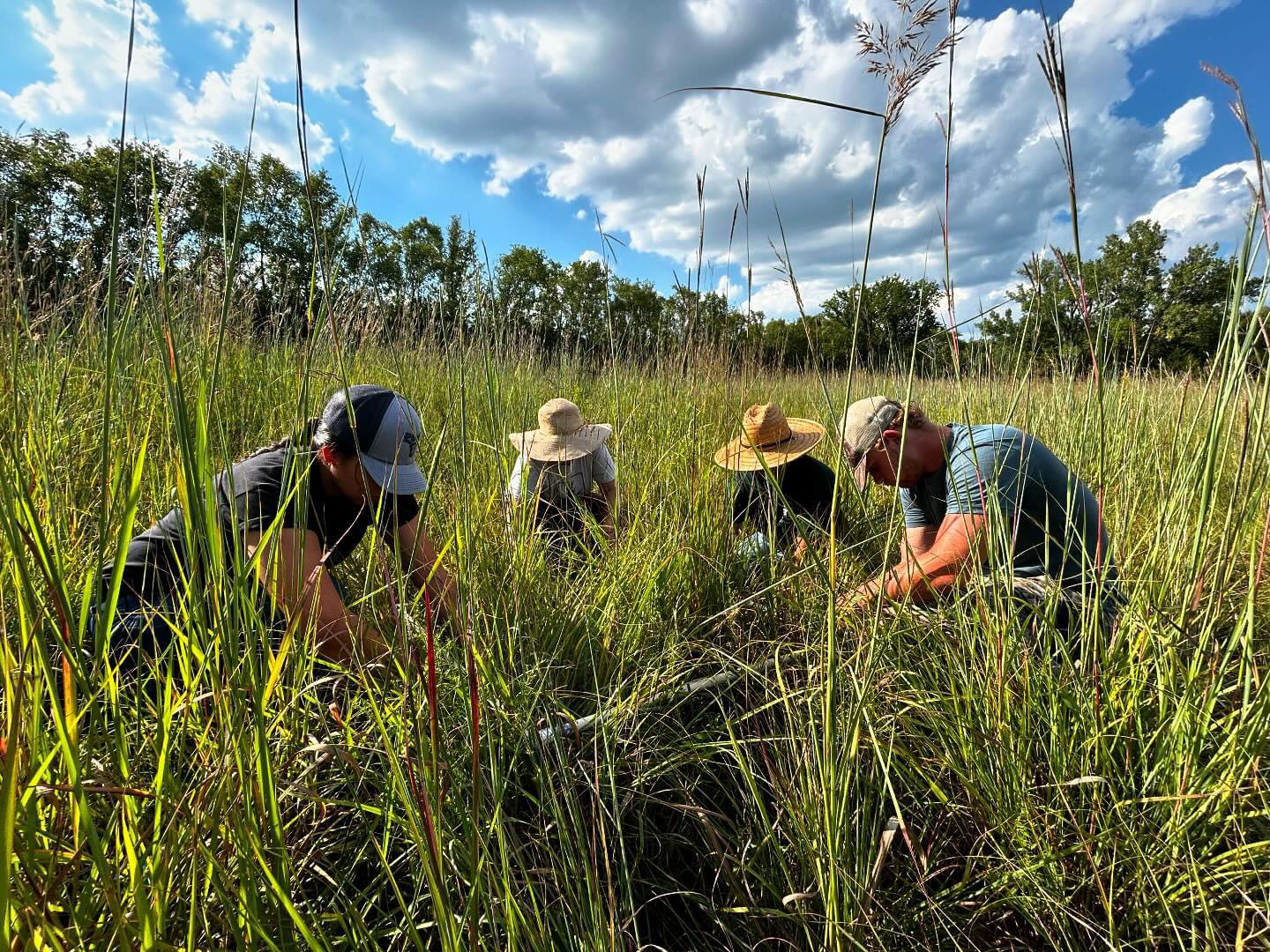
In Caring for Our Kin: Stories of Indigenous Environmental Stewardship, the College Fund shares the stories of Indigenous environmental leaders who are centering kinship and relational knowledge to build healthy ecological systems. These stories remind us that caring for the Earth means caring for one another—and that Indigenous knowledge systems continue to offer guidance, resilience, and hope for the future.
Learn more about our Environmental Stewardship Program.
Ekvnv Vcayecet. Mvto!
(Take care of the Earth/Land. Thank you)
More Blogs
Don’t Forget to Apply for Your Scholarship!
We are continuing to take scholarship applications at aicf.nmcstaging.com for fall semester 2011. Deadline for special scholarships is May 31, 2011. For more details about the numerous scholarships we have available, check out our website.
Travelers Foundation Grants $50,000 to Continue Scholarship Program
The American Indian College Fund received a $50,000 grant from the Travelers Foundation, the charitable arm of The Travelers Companies, Inc., to continue the Travelers Foundation Tribal College Scholarship Program for the 2011-12 academic year.
Racism Against Native Peoples is Not Dead; It’s Not Even Sleeping
In the post-racial society that President Obama’s election was alleged to have ushered in, it’s both sad and offensive to see that the racism and cultural superiority that thrived during Victorian times is still alive and well. There have been too many instances of racism like that which appeared in this La Quinta advertisement.
NEFE ® Collaborates with the Fund to Provide Online Financial Education for Native Students
A series of four handbooks titled “Developing Your Vision While Attending College” has been co-developed by the American Indian College Fund and the National Endowment for Financial Education® (NEFE®).
Pendleton Woolen Mills Continues Support with More Than $100,000 to the Fund
Since 1995, Pendleton Woolen Mill’s support of the American Indian College Fund (the Fund) has helped more than 400 students pursue their dreams of obtaining a college degree. Pendleton has continued its longstanding support by granting two gifts to the Fund. Pendleton’s first gift of $15,514.83 is from royalties generated from sales from a blanket line designed exclusively for the Fund.
Confederated Tribes of the Siletz Indians of Oregon Grants $3,000 to The Fund
The American Indian College Fund (the Fund) received a $3,000 donation from the Siletz Tribal Charitable Contribution Fund, the charitable giving arm of the Confederated Tribes of the Siletz Indians of Oregon.
The Joseph and Sophia Abeles Foundation, Inc. Donates $15,000 to American Indian College Fund
The Joseph and Sophia Abeles Foundation, Inc. has announced it is donating $15,000 to the American Indian College Fund for scholarships for American Indian students.
Wal-Mart Continues Support of American Indian College Fund with $100,000 Gift
For more than a decade, Walmart has shown their support of American Indian access to higher education with donations to the American Indian College Fund. Walmart has continued this support with a gift of $100,000 to continue the Walmart Tribal College Scholarship Program.
Tribal College Tour Inspires Walmart Partner
Ronnette Smith is the Senior Manager, Corporate Affairs – Constituent Relations for Walmart, a corporate supporter for the American Indian College Fund (the Fund). As part of her duties, Ms. Smith had the chance three years ago to attend a tribal college tour of Montana with the Fund, visiting two tribal colleges there to learn more about how Walmart support was helping to change the face of American Indian education. Little did she know that the tour would also change her.
Sara Lee Foundation Renews Scholarship Sponsorship with American Indian College Fund
The American Indian College Fund received a grant from the Sara Lee Foundation to continue Sara Lee’s Tribal College Scholarship Program for Women for the 2011-12 academic year. This program will continue to provide scholarship support to American Indian females that attend our nation’s tribal colleges and universities and are primary residents of one of the following states: Alabama, Georgia, Iowa, Illinois, Kentucky, Michigan, Missouri, North Carolina, Tennessee, Texas, and Wisconsin.