
Planting the Seeds of Cultural Sustainability
April 22, 2026 | Student Ambassador Aiyanna Tanyan’s (Seminole Nation of Oklahoma) work to reclaim food sovereignty
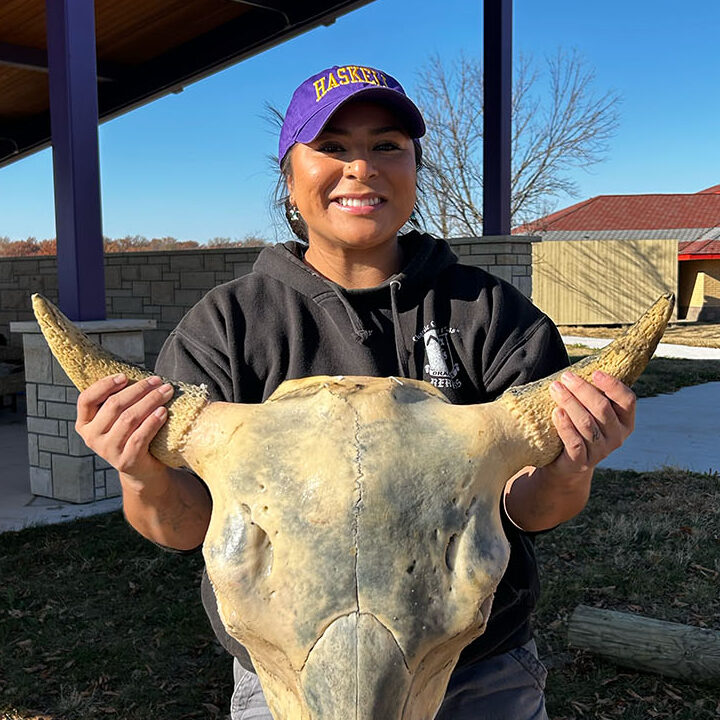
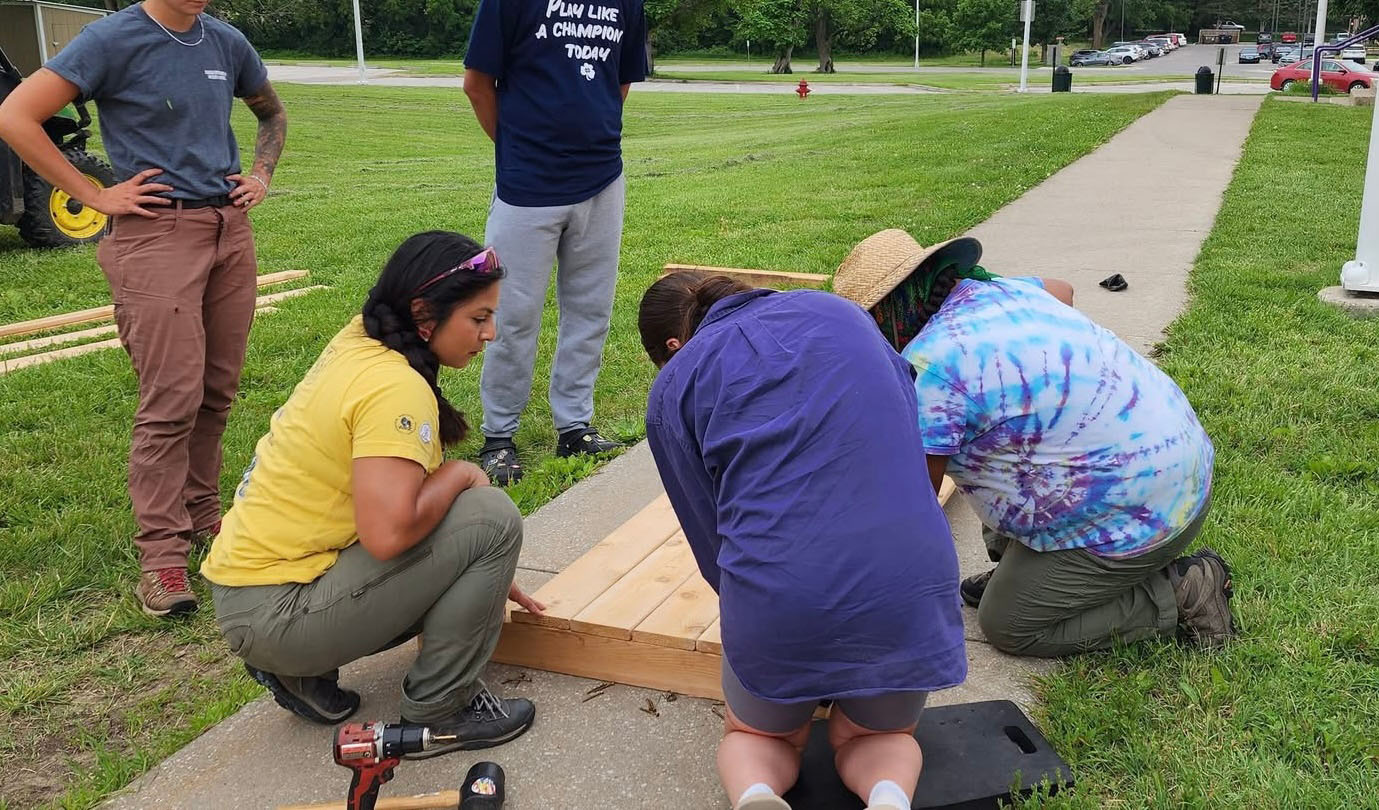
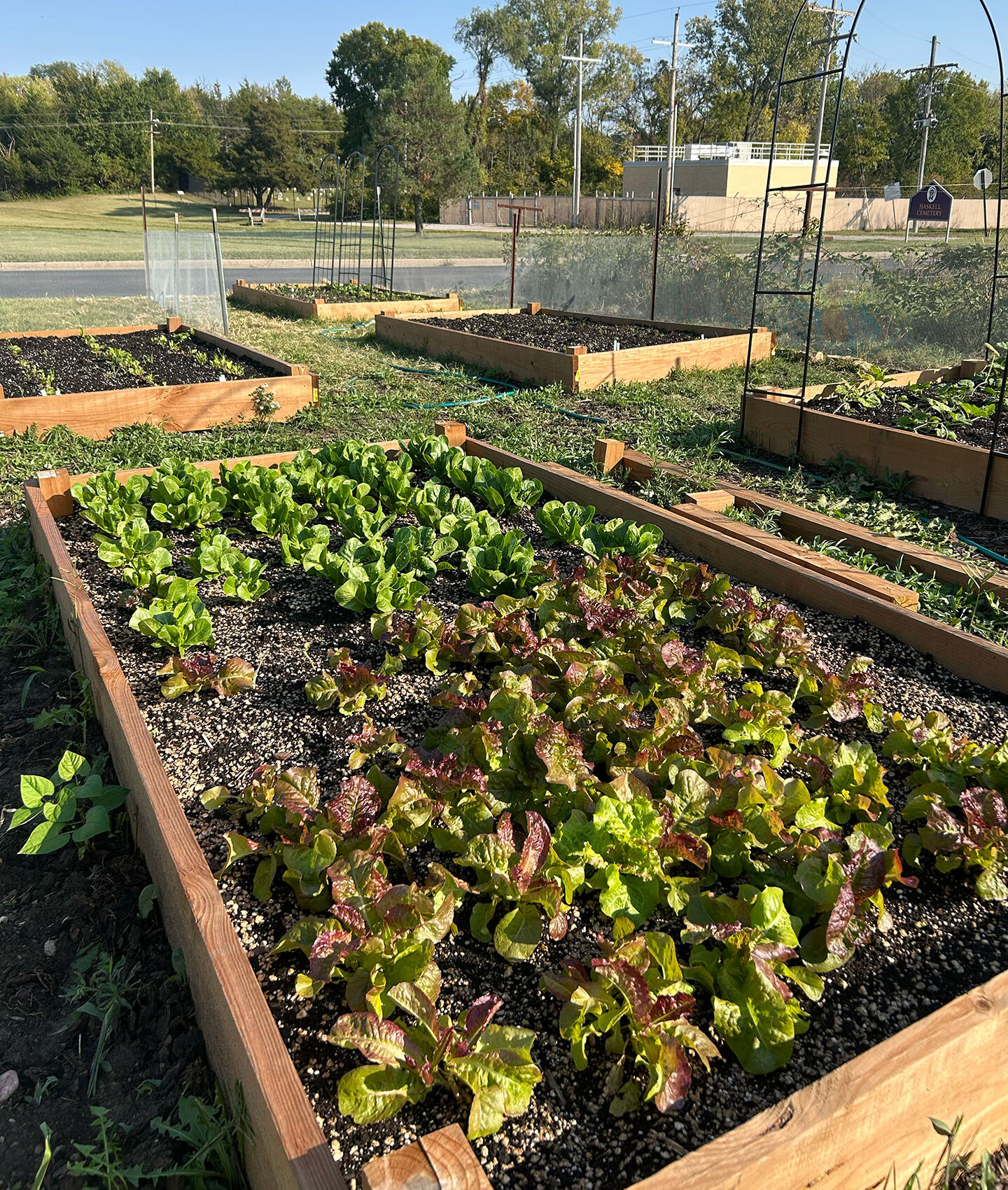
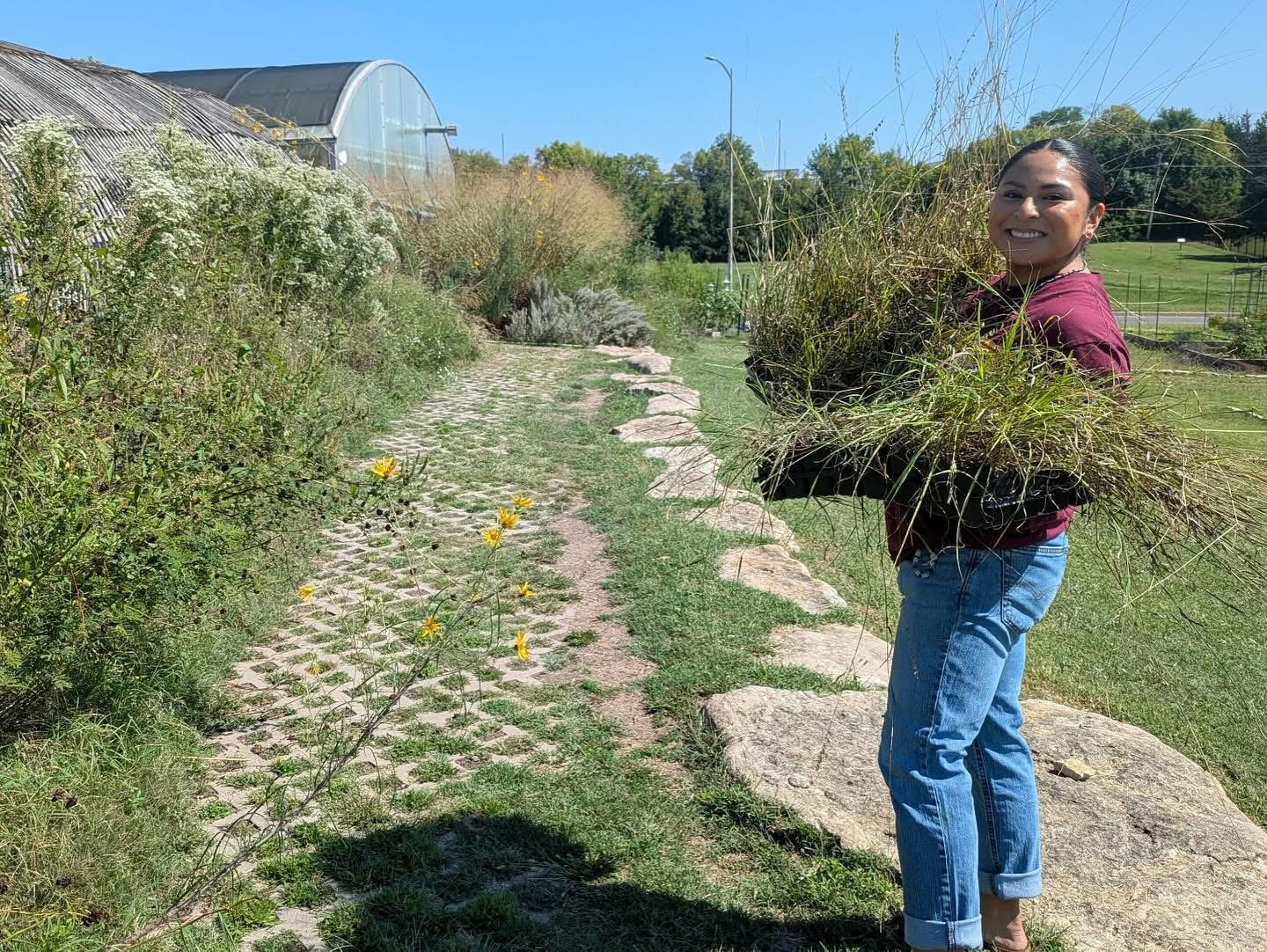
We came up with the idea of building raised garden beds near the dorms so students can easily access fresh foods and learn how to grow them themselves. Through support from the Haskell Greenhouse (funded through the USDA Equity Grant), we started building.
Last year was our first year doing this project and it was a learning experience as with many community-based projects, it comes with trial and error. However, that process taught us a lot about what works, what doesn’t, and how to build something more sustainable moving forward. This year, we’re continuing this work with stronger systems, more involvement, and a clearer vision.
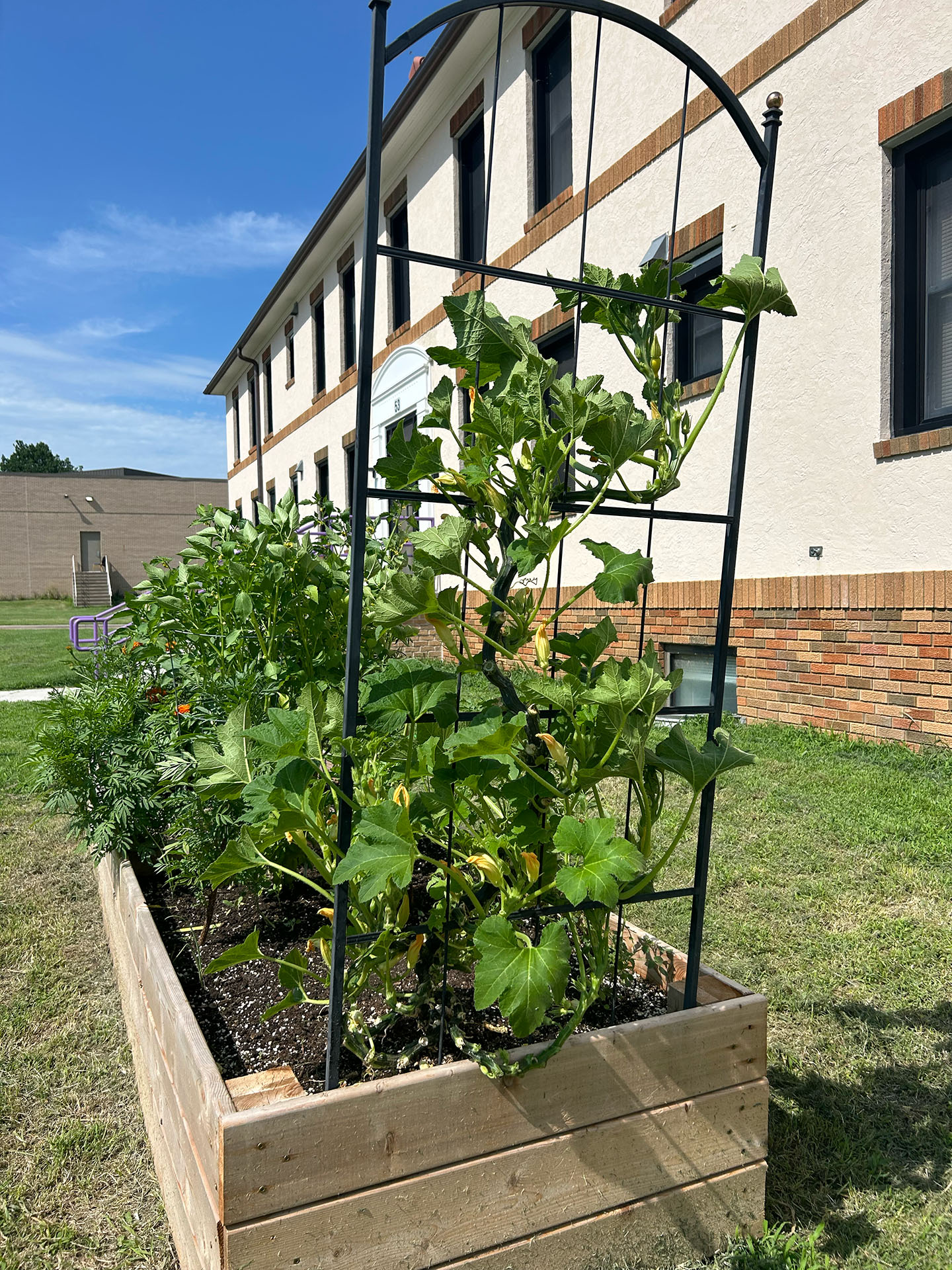
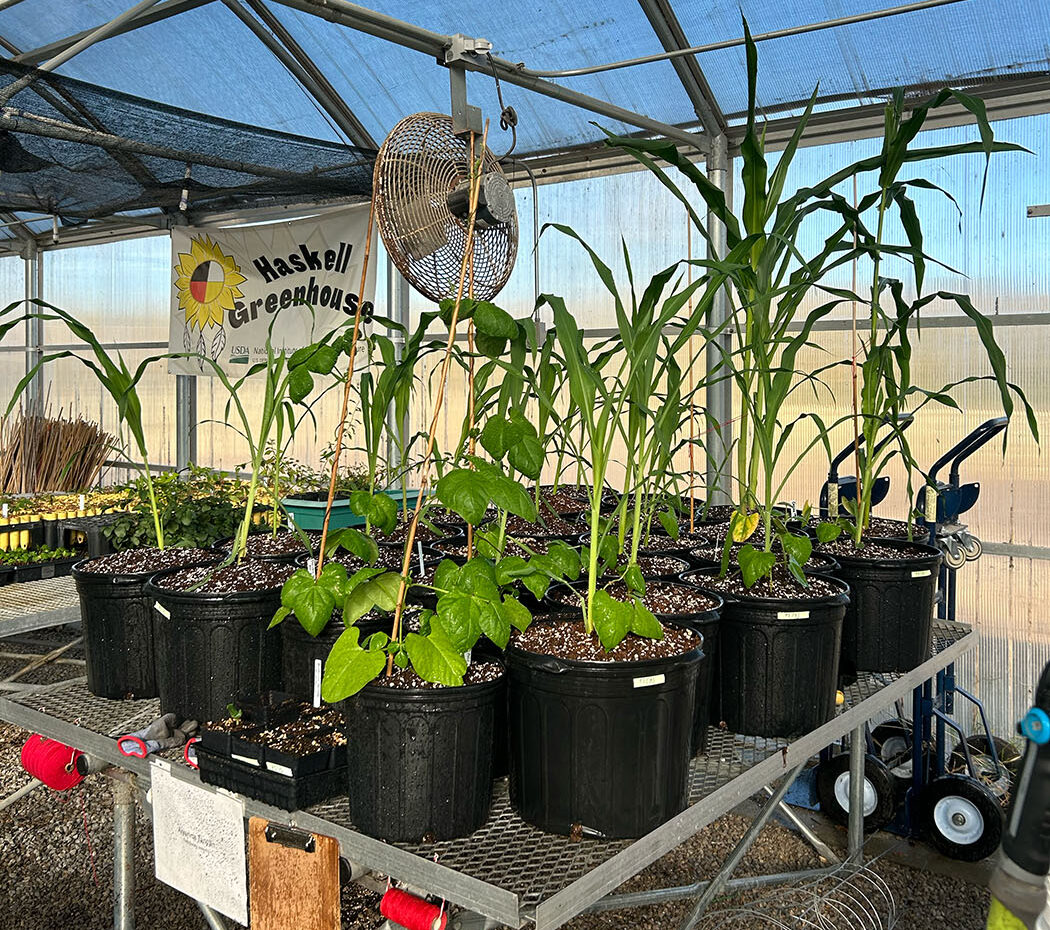
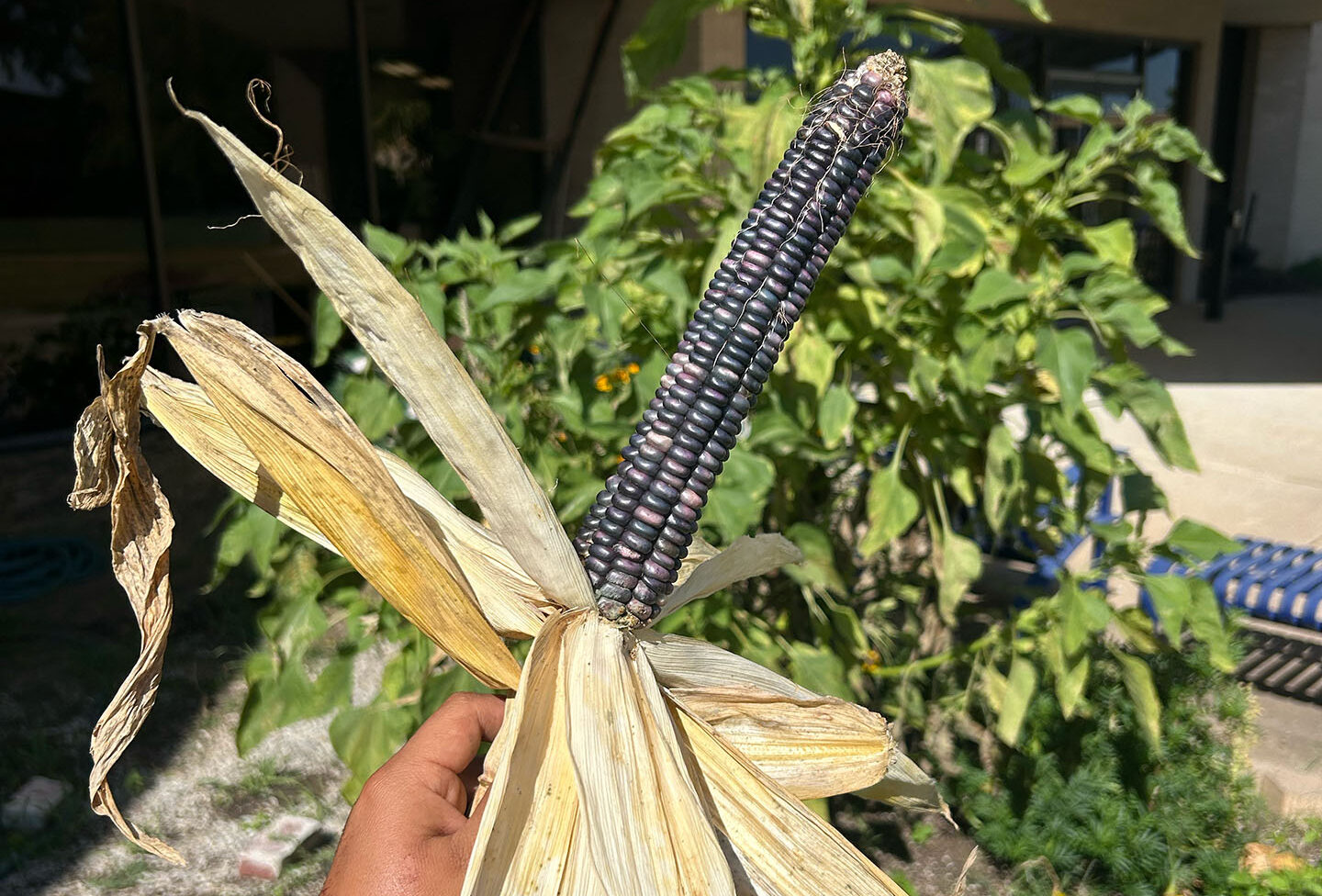
Everyone at the Haskell Greenhouse wants to help others learn, value, and view these spaces as places of teaching. I know they have taught me so much about responsibility and our relationship with the environment. Through these projects, we’re helping students reconnect with the land and understand the importance of food sovereignty for Indigenous communities. This work is ongoing, and we’re still learning. Every seed planted, and every workday shared brings us one step closer to a more sustainable and connected future.
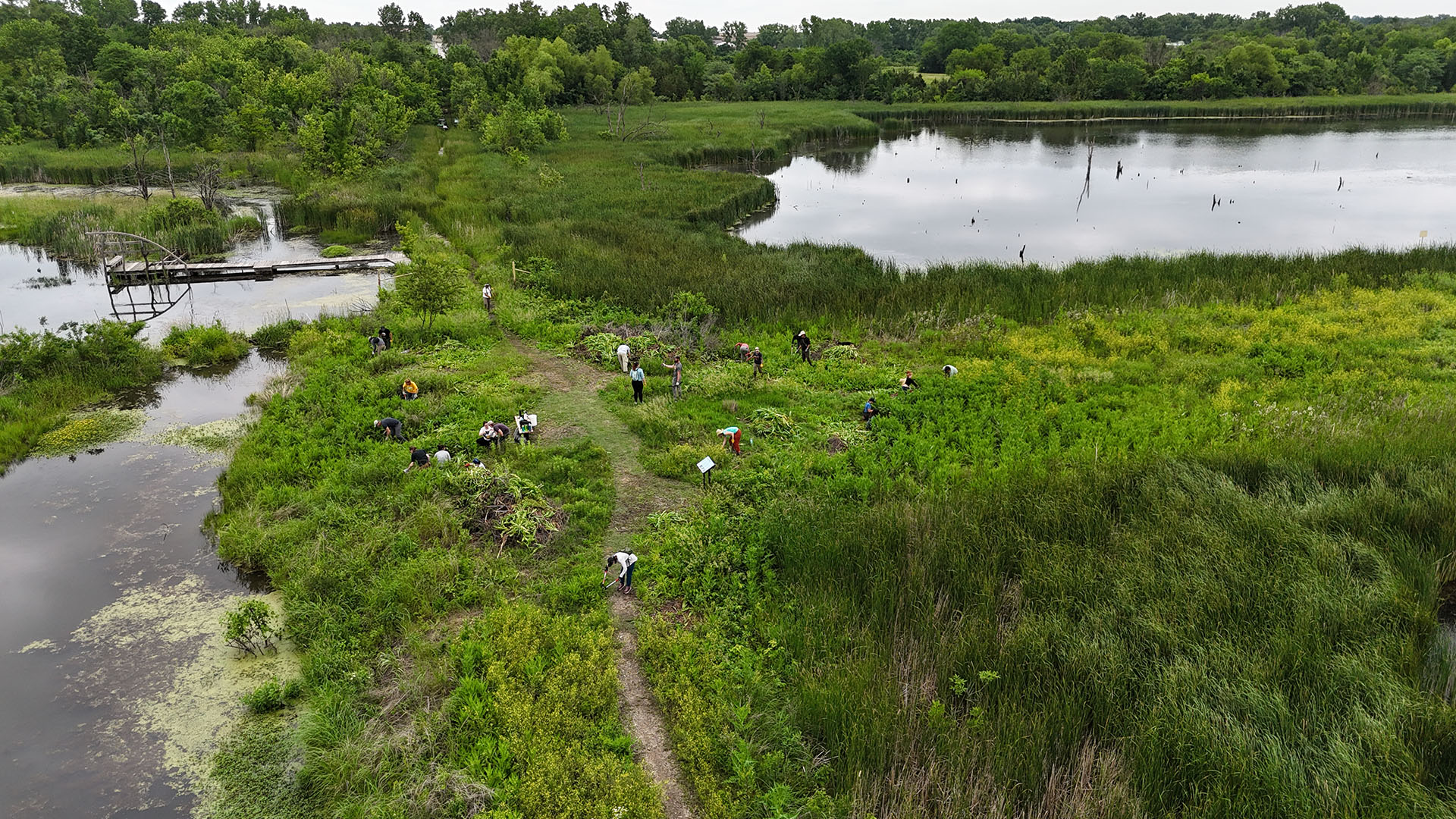
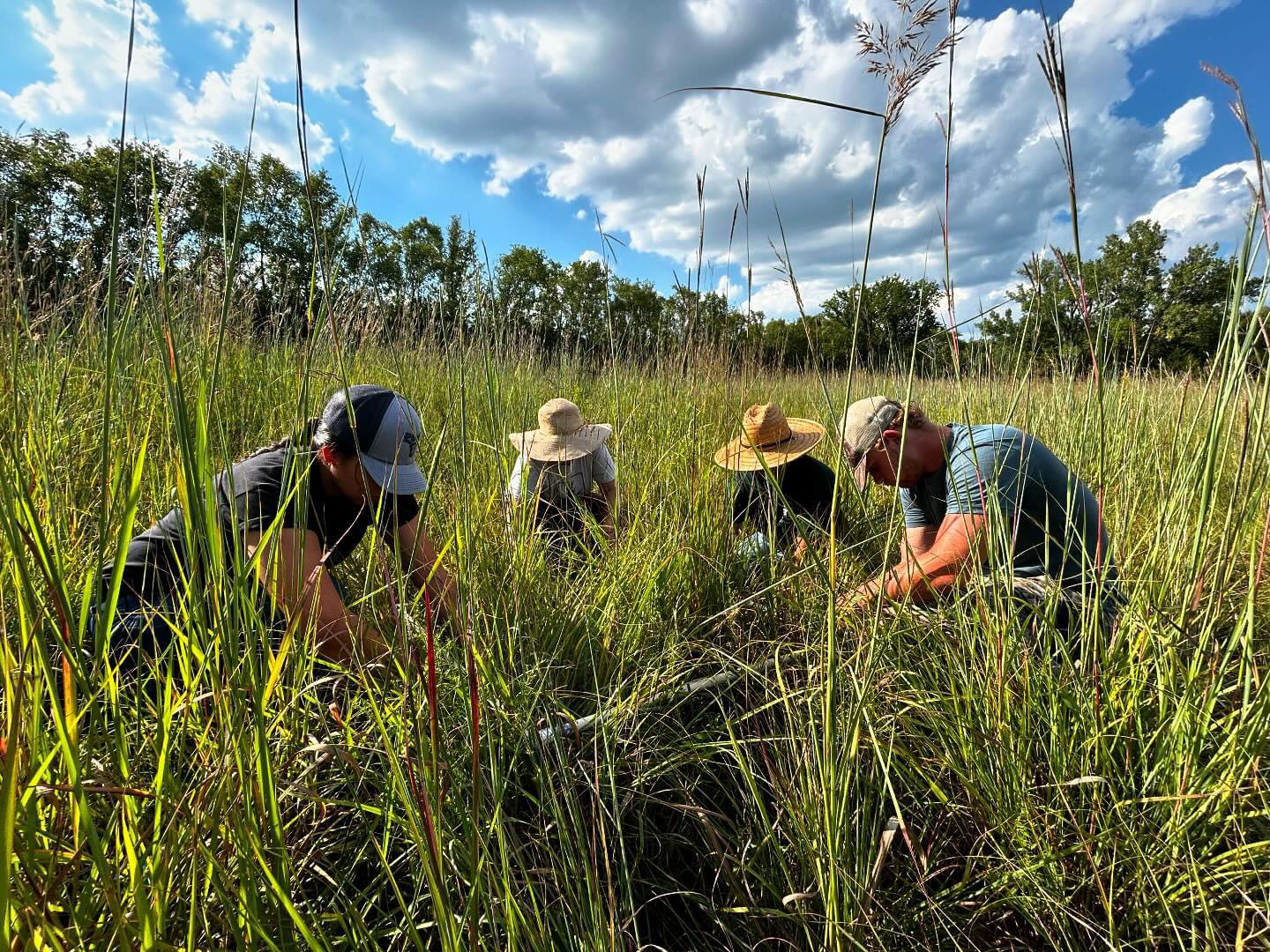
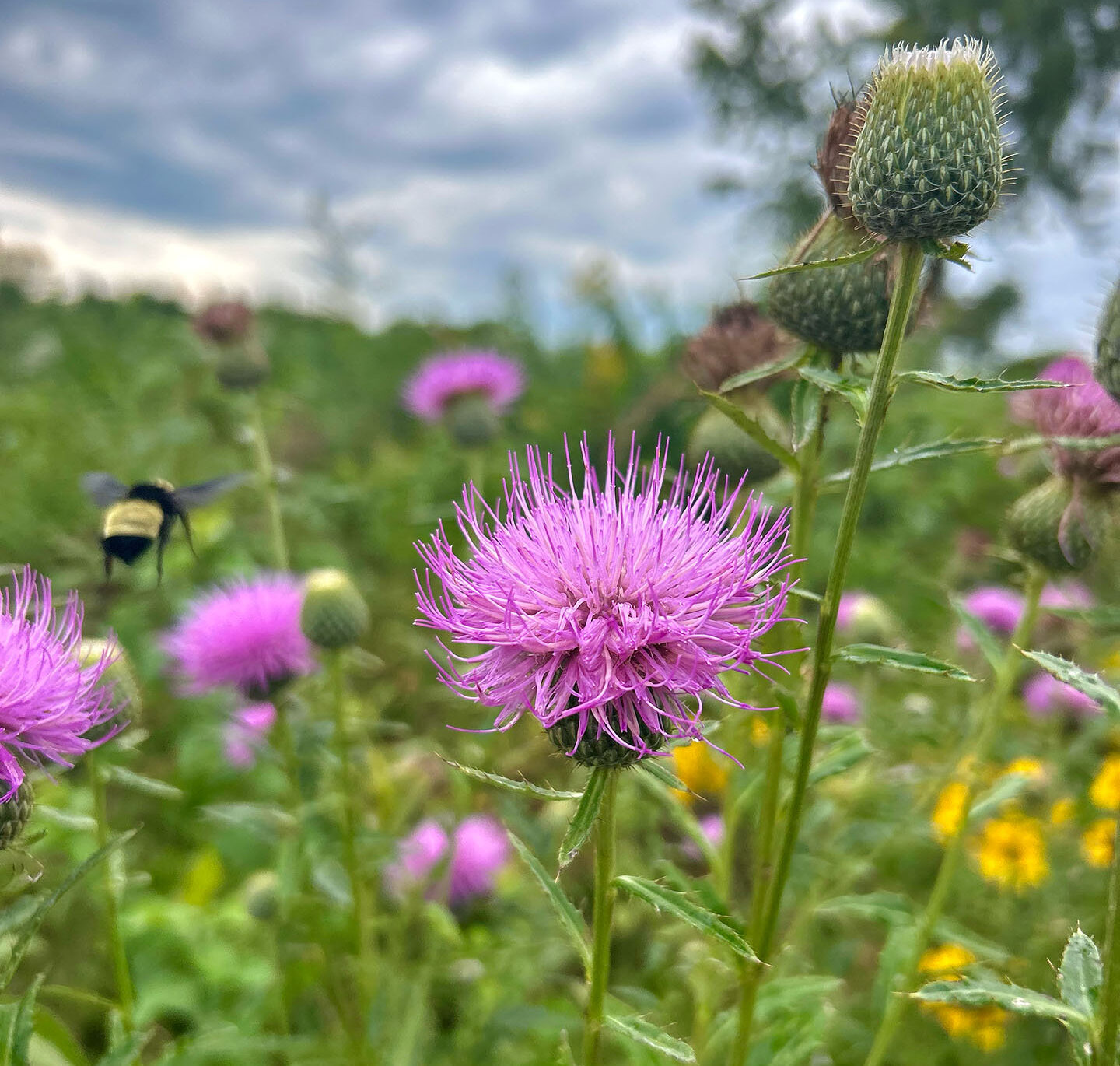
In Caring for Our Kin: Stories of Indigenous Environmental Stewardship, the College Fund shares the stories of Indigenous environmental leaders who are centering kinship and relational knowledge to build healthy ecological systems. These stories remind us that caring for the Earth means caring for one another—and that Indigenous knowledge systems continue to offer guidance, resilience, and hope for the future.
Learn more about our Environmental Stewardship Program.
Ekvnv Vcayecet. Mvto!
(Take care of the Earth/Land. Thank you)
More Blogs

Emily White Hat, J.D., Vice President of Programs at American Indian College Fund, Chosen to Attend the Leading Tribal Nations Program at Harvard Business School
Emily White Hat, J.D. (Sicangu Lakota), Vice President of Programs at the American Indian College Fund, was one of 76 participants in the Leading Tribal Nations Program at Harvard Business School in June.

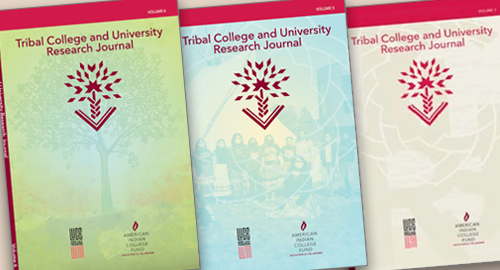
American Indian College Fund Publishes Eighth Volume of The Tribal College and University Research Journal:
The American Indian College Fund, with generous funding from the Henry Luce Foundation, published volume 8 of the Tribal College and University Research Journal. This one-of-a-kind publication was first launched in 2016 and supports tribal college and university (TCU) faculty in disseminating their academic work to Indigenous communities and the wider research community.

Defy the Storm: American Indian College Fund’s New PSA Addresses Challenges Indigenous Students and Communities Face with Funding Cuts
A “storm” of activity is coming from Washington in the form of funding cuts and executive orders, upending the lives of Native American communities and students; jeopardizing access to the funding, education and opportunity that helped create progress for decades to ensure the success of tribal nations, communities, and people.

If You Want to Protect Children, You Cannot Defend Mascots
Numerous studies, including ones conducted by the federal government, illustrate the harm of racist mascots, especially on youth. Team names and logos should be chosen to instill pride without dehumanizing people, ensuring the safety and prosperity of our children and the future of our communities.
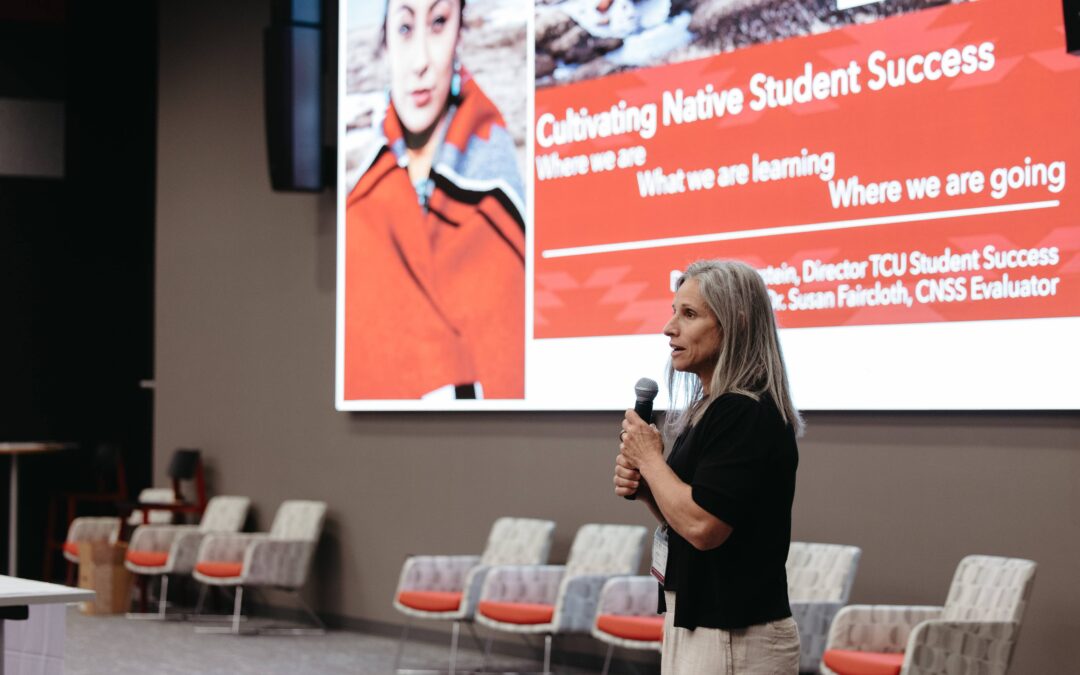
Empowering Students, Building Nations: Reflections from the 2025 CSSI Convening/CNSS Conference
This year’s convening was a powerful reminder of what’s possible when partners align with purpose. The American Indian Higher Education Consortium (AIHEC) and the American Indian College Fund (the College Fund) have long worked in close collaboration to uplift tribal colleges and universities (TCUs), and this joint convening stood as a shining example of that ongoing partnership in action.
URGENT! Last Chance! Help Stop the Big Beautiful Bill!
The Big Beautiful Bill Is Headed to the House of Representatives for a final vote. Call your representatives and make your voice heard NOW to stop it! The bill will negatively impact on Native students and higher education institutions.
Marathon to Make Your Voice Heard: Tell Your Representatives to Vote “No” on the Big, Beautiful Bill
As Congress runs their marathon to the vote, our allies can run our own marathon. We need you to help win our race by making consistent phone calls, writing emails, and commenting on lawmakers’ social media posts in the House and Senate alike to ask them to vote “No” to a bill that can only be described as a wrecking ball.
