
Planting the Seeds of Cultural Sustainability
April 22, 2026 | Student Ambassador Aiyanna Tanyan’s (Seminole Nation of Oklahoma) work to reclaim food sovereignty
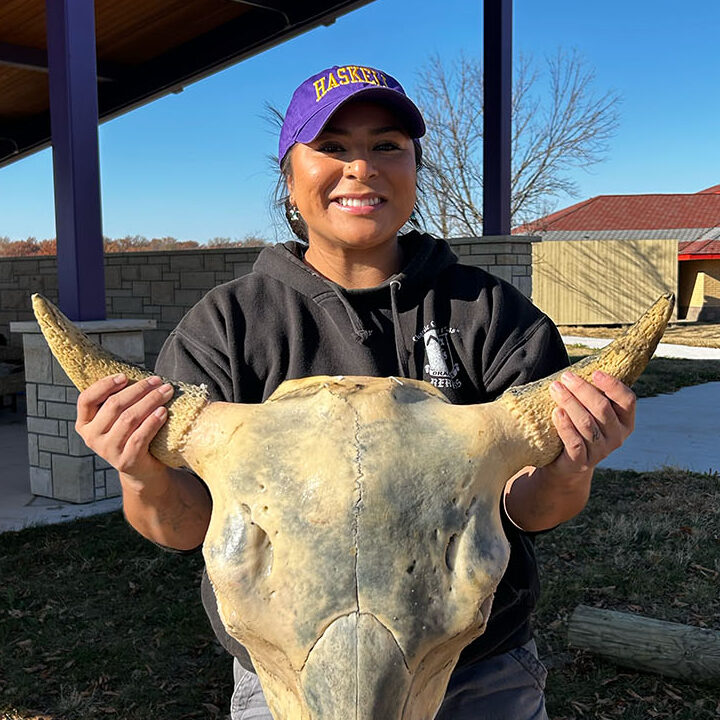
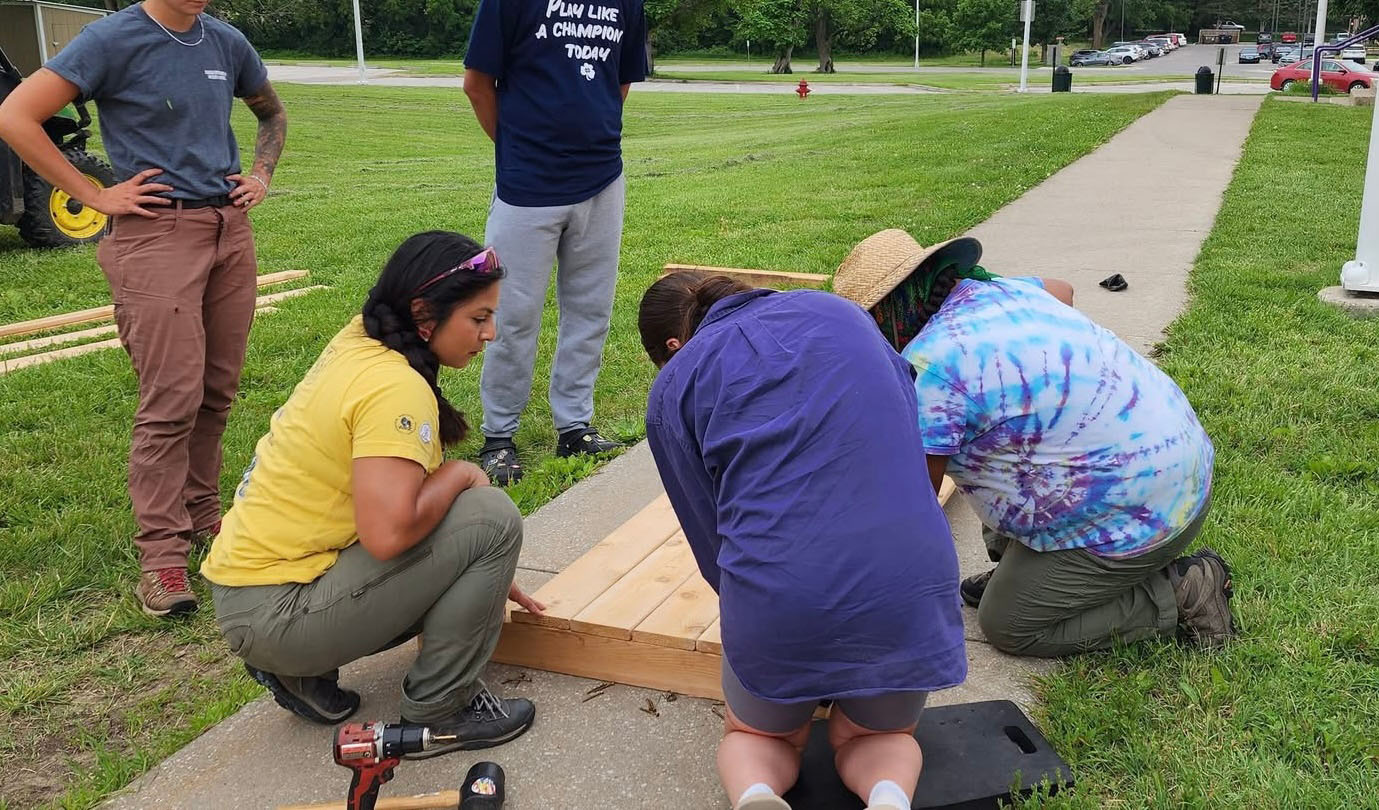
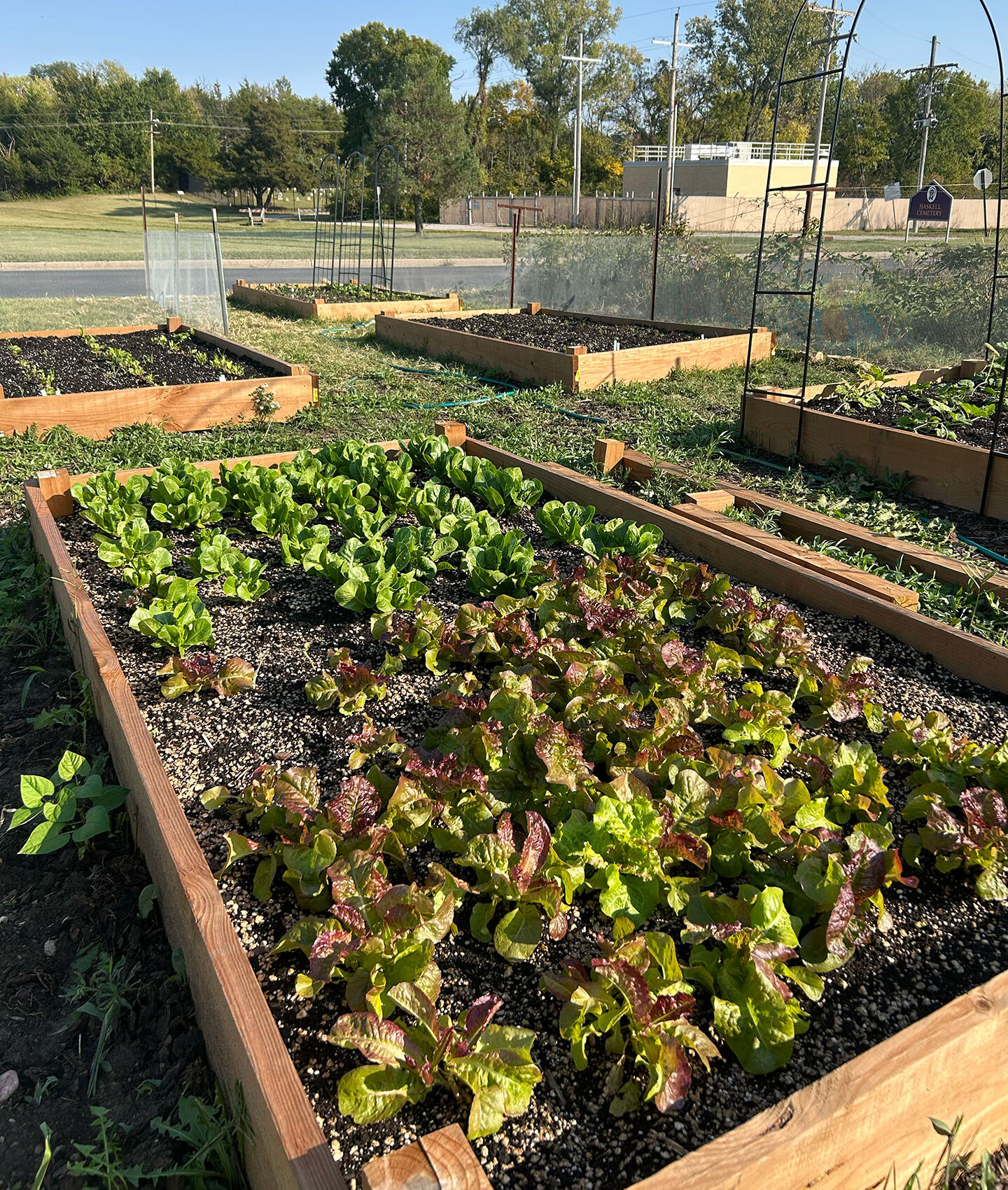
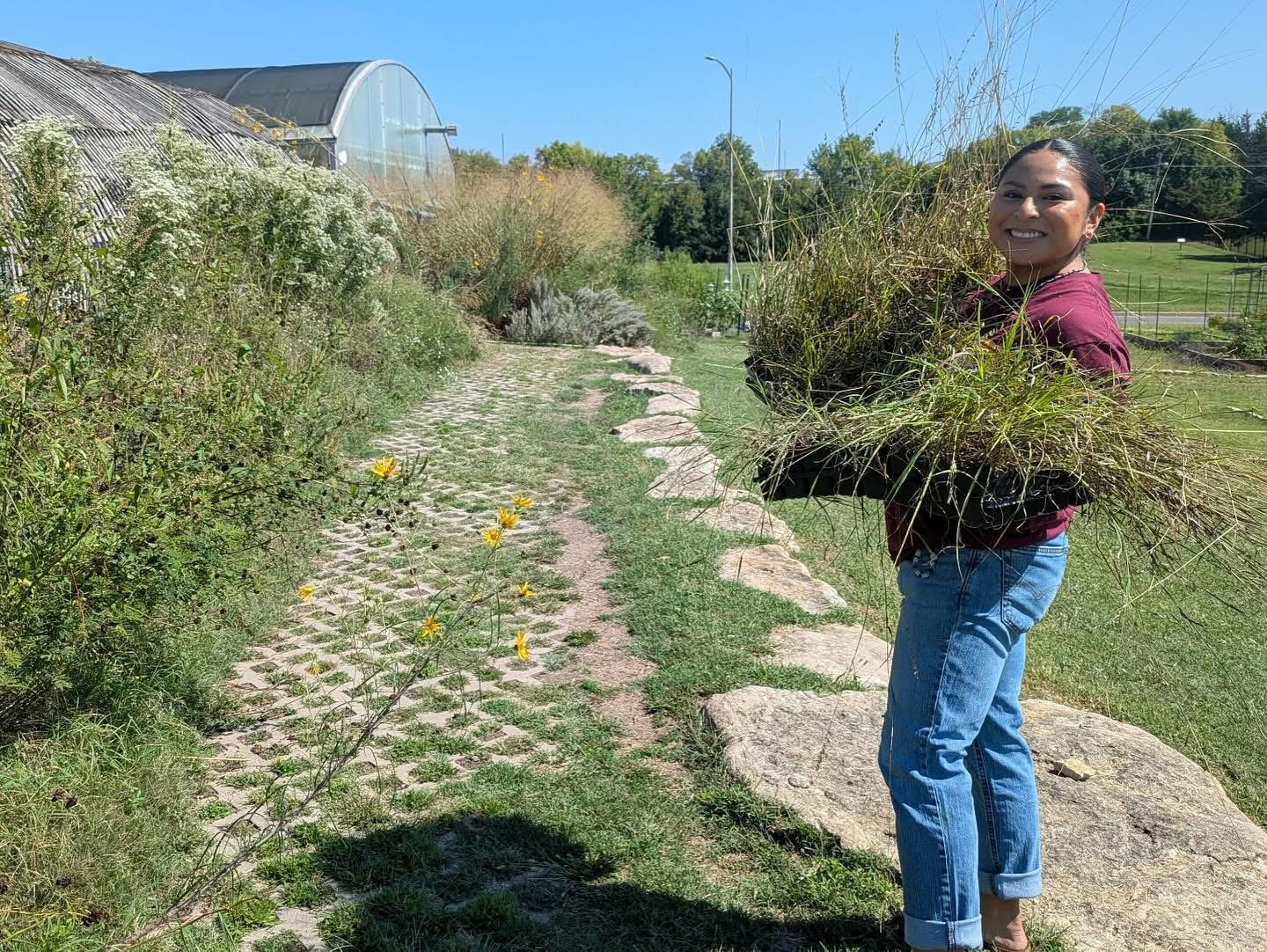
We came up with the idea of building raised garden beds near the dorms so students can easily access fresh foods and learn how to grow them themselves. Through support from the Haskell Greenhouse (funded through the USDA Equity Grant), we started building.
Last year was our first year doing this project and it was a learning experience as with many community-based projects, it comes with trial and error. However, that process taught us a lot about what works, what doesn’t, and how to build something more sustainable moving forward. This year, we’re continuing this work with stronger systems, more involvement, and a clearer vision.
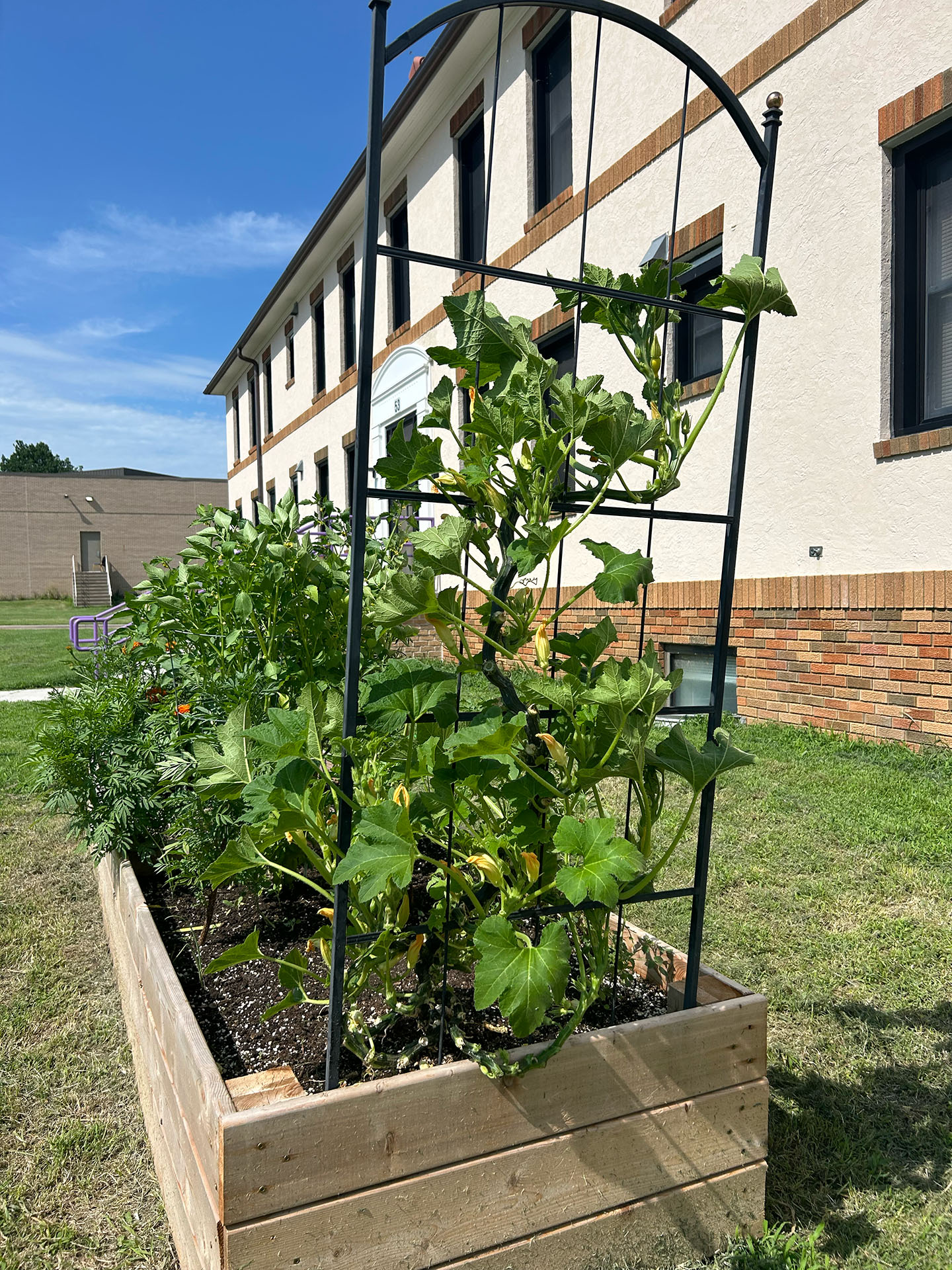
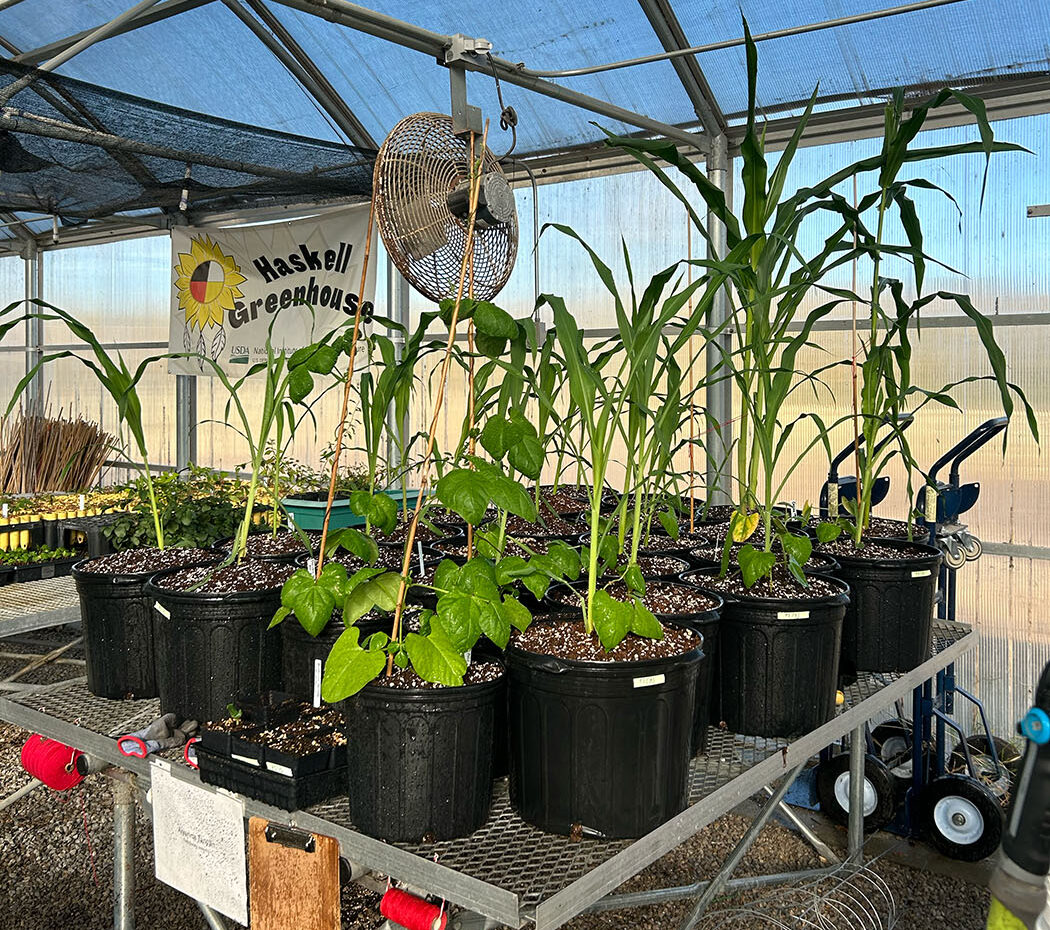
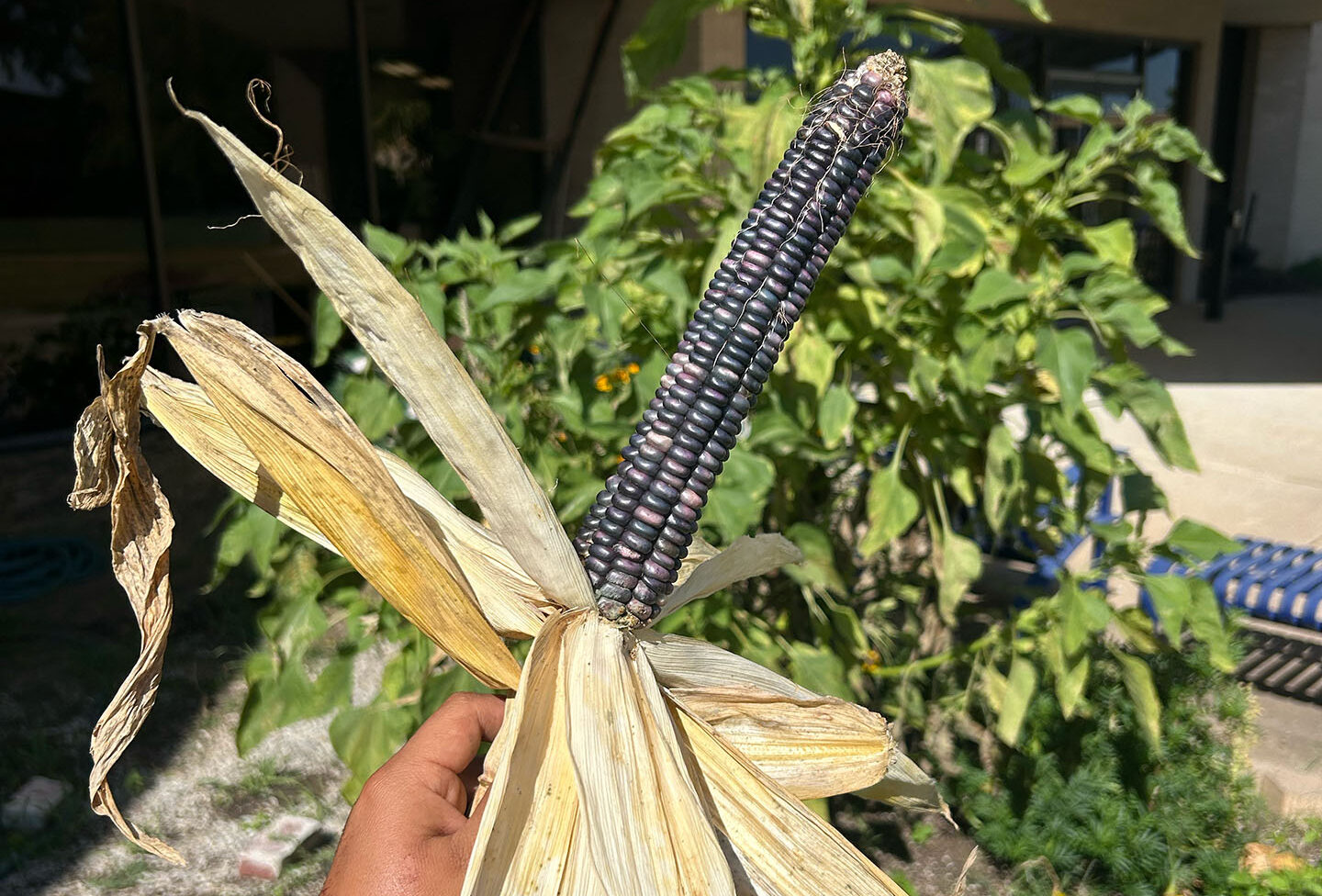
Everyone at the Haskell Greenhouse wants to help others learn, value, and view these spaces as places of teaching. I know they have taught me so much about responsibility and our relationship with the environment. Through these projects, we’re helping students reconnect with the land and understand the importance of food sovereignty for Indigenous communities. This work is ongoing, and we’re still learning. Every seed planted, and every workday shared brings us one step closer to a more sustainable and connected future.
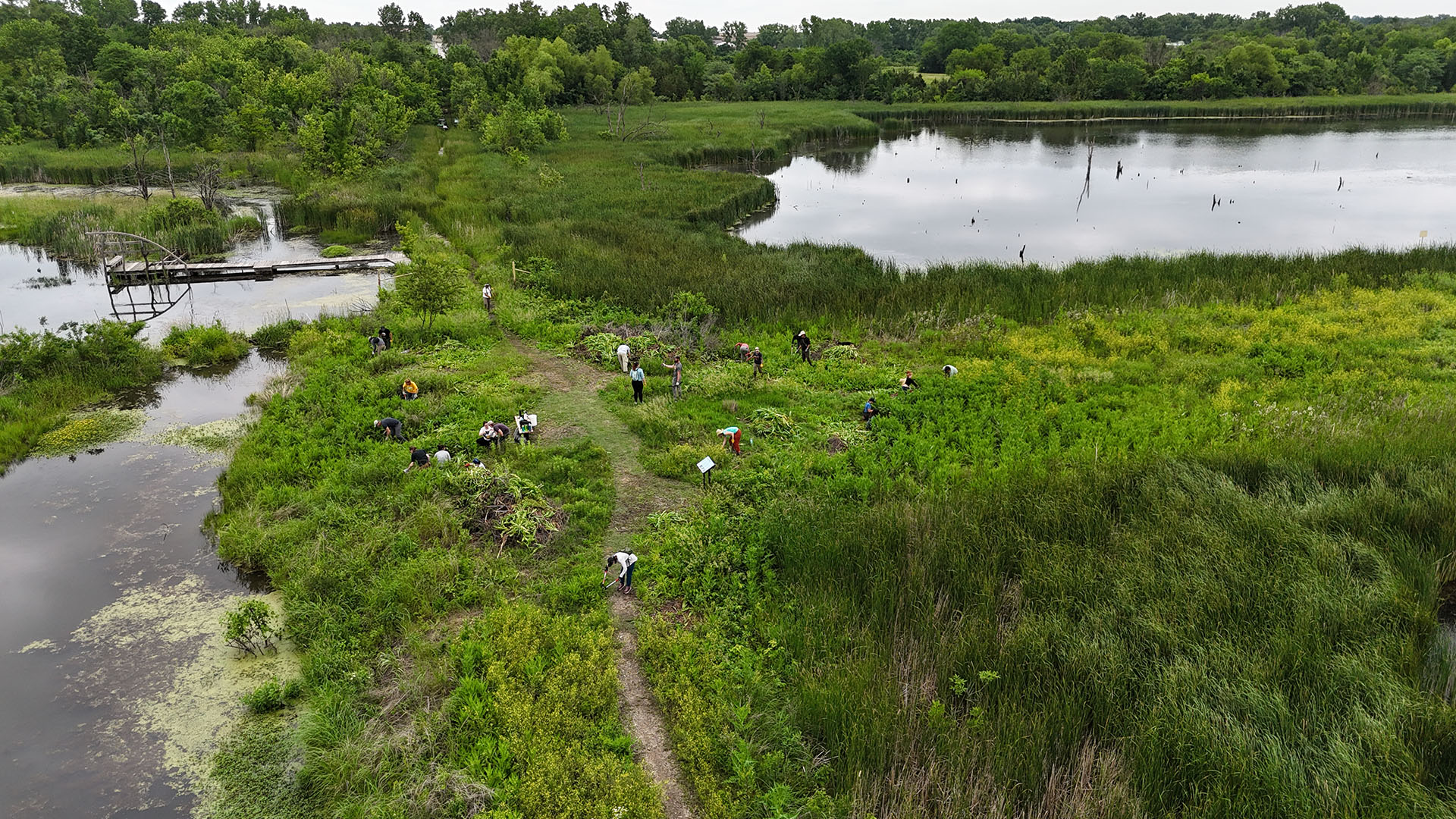
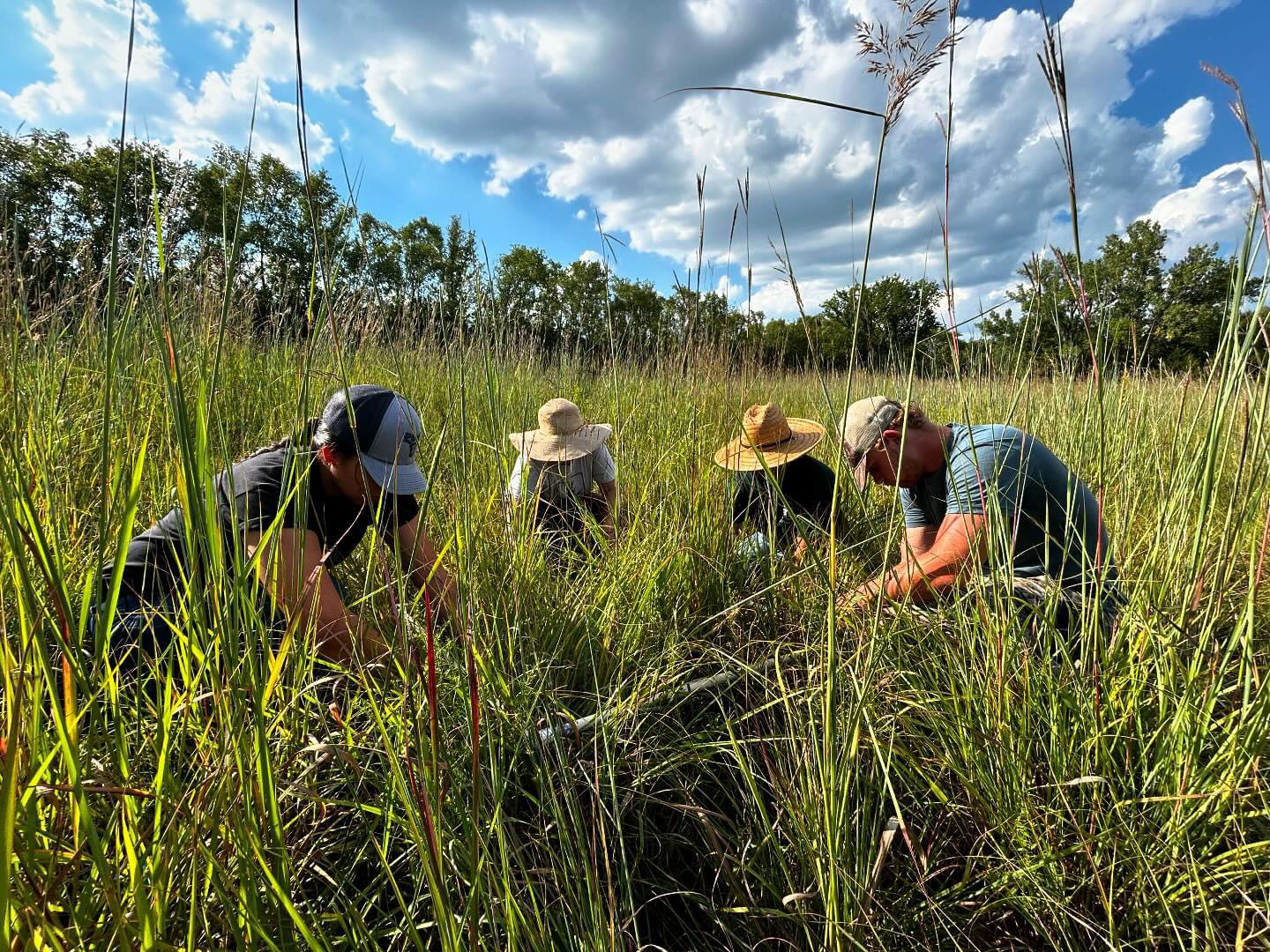
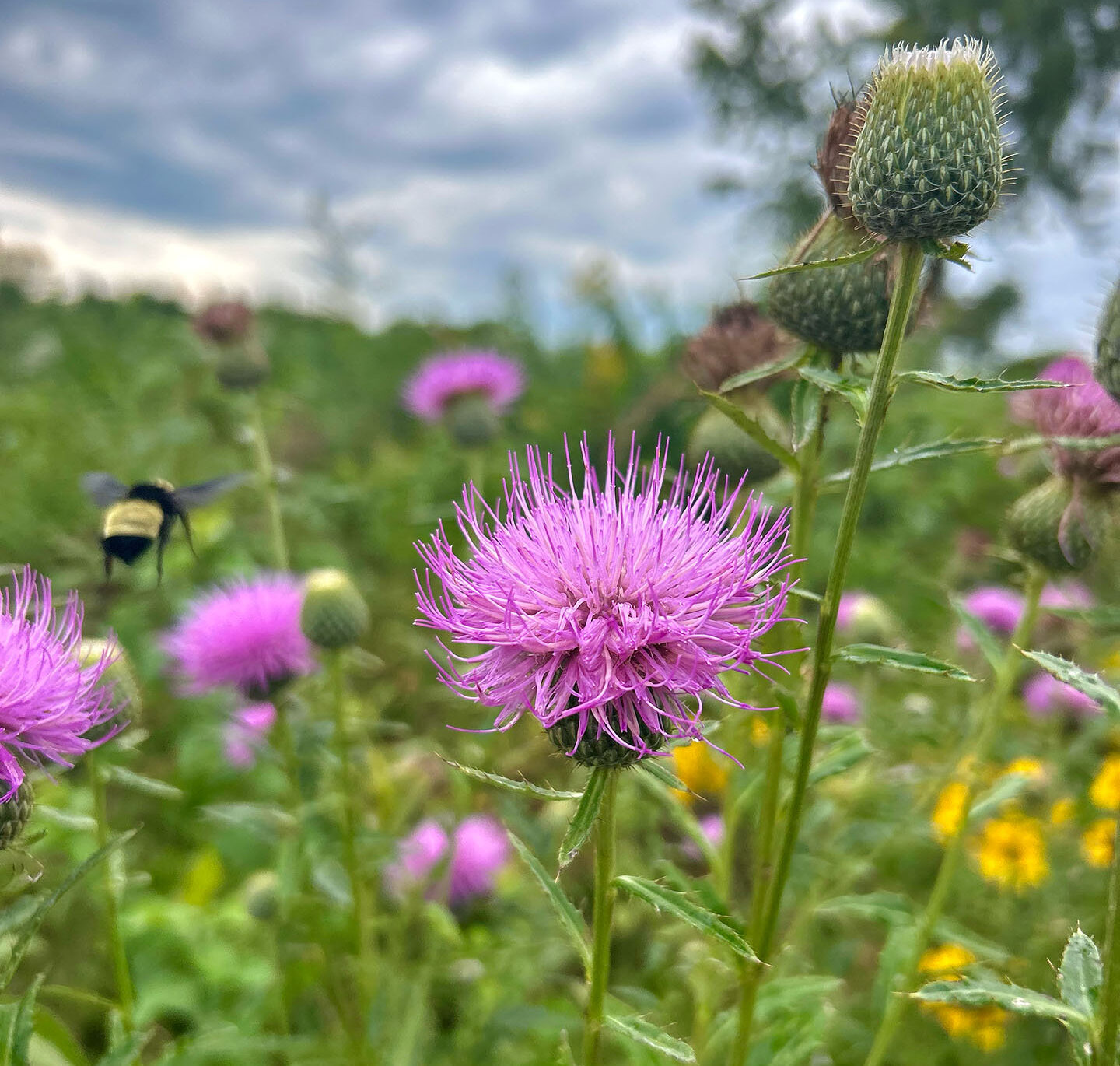
In Caring for Our Kin: Stories of Indigenous Environmental Stewardship, the College Fund shares the stories of Indigenous environmental leaders who are centering kinship and relational knowledge to build healthy ecological systems. These stories remind us that caring for the Earth means caring for one another—and that Indigenous knowledge systems continue to offer guidance, resilience, and hope for the future.
Learn more about our Environmental Stewardship Program.
Ekvnv Vcayecet. Mvto!
(Take care of the Earth/Land. Thank you)
More Blogs
Cankdeska Cikana Community College and Partners to Launch Dakota Language Training Program
Cankdeska Cikana Community College (CCCC), in a partnership with the Shakopee Mdewakanton Sioux Community (SMSC) in Minnesota and three other tribal colleges, today announced Voices of Our Ancestors (VOA), a two-year Dakota language training program. The Dakota language is one of our nation’s most endangered. The project goal is to increase the total number of Dakota speakers and teachers.
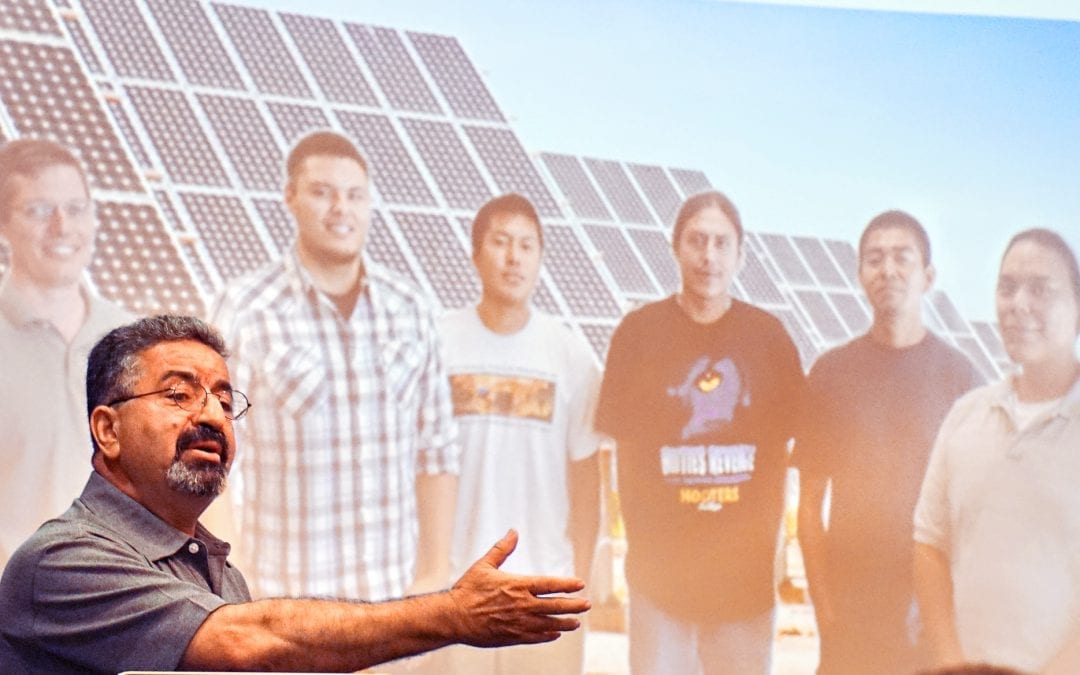
Southwestern Indian Polytechnic Institute (SIPI) Professor Dr. Nader Vadiee, Ph.D. Wins WCET and GlobalMindED Digital Inclusion Award
The American Indian College Fund congratulates Dr. Nader Vadiee, Ph.D., a professor at Southwestern Indian Polytechnic Institute (SIPI), on the announcement by The WICHE Cooperative for Educational Technologies (WCET) that he is the winner of the first Digital Inclusion Award.

Teachers Learn Techniques to Bolster Resiliency, Foster Classroom Connections
Native youth often face disproportionate challenges in their young lives. Early childhood teachers can help these young learners increase their resiliency while they face adverse circumstances by supporting factors that protect and strengthen young children, according to Ray Soriano, a keynote speaker at the 33rd Annual FOCUS on Children Conference at Bellingham Technical College.

Where Do You Find Internships?
Believe it or not, in today’s tech era, finding an internship does not start with your computer. There are many other sources that are more useful for gathering information about an internship that you will find enjoyable than searching online. A few of those places are listed below and, to some extent, may help you find an internship you will enjoy while decreasing the stress involved with leaving home.
Four Tribal Colleges Sign Dual-Enrollment Agreements with Bemidji State University
Graduates from four Minnesota tribal colleges will soon be presented with a smoother path to Bemidji State University. Leaders from Leech Lake, Red Lake, White Earth, and Fond du Lac tribal colleges are set to sign four dual-enrollment agreements with the university Friday.
It’s More Than Just Telling a Story!
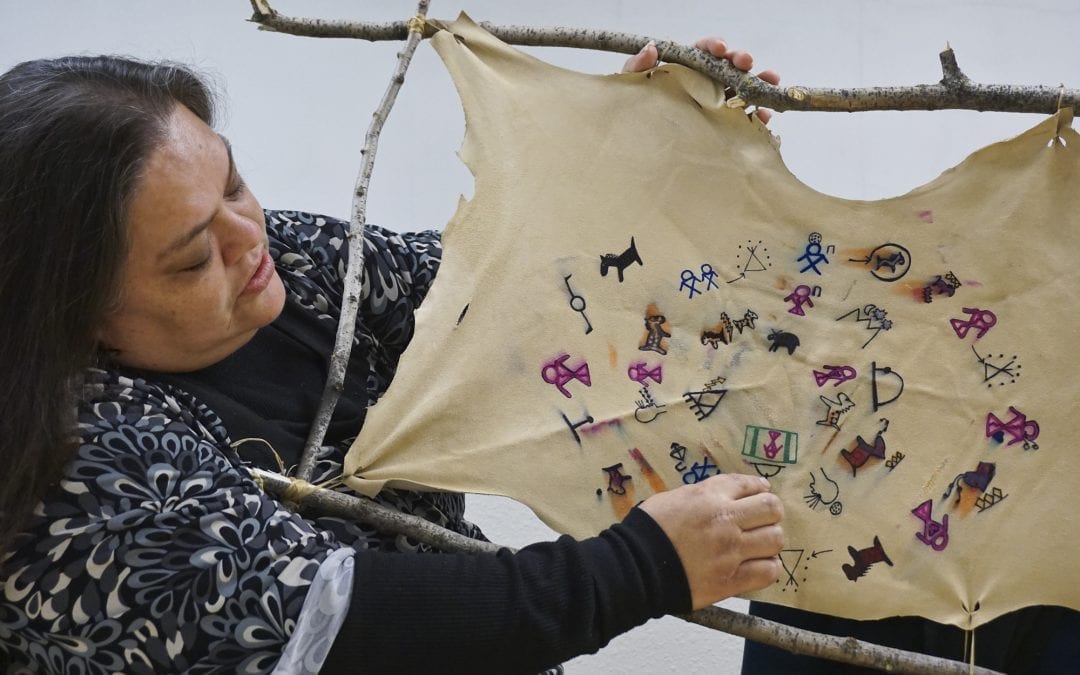
Through storytelling, the Menominee are keeping their tribal language alive. Storytelling is both an art and a necessary method for educating our young early childhood children in the Menominee community. The Menominee have used oral stories to pass down traditions to future generations, such as their local customs, how to live off the forest land, and how to survive in the natural environment in which they live
Protect Higher Ed Funding
President Trump is calling for significant cuts to the Department of Education for the fiscal year 2018 in his “skinny budget.” A skinny budget is a proposal for a budget in all areas, with the details for a comprehensive budget deferred to be worked out later, while showing how the proposed high-level budget numbers will impact the deficit over the coming decade.

Three Hundred Native American High School Students Will Get Help for College Preparation from The College Fund
Only 1% of college students are Native American. The American Indian College Fund is helping to change that with its Native Pathways to College: Bridge Program, which will work with an estimated 300 high school students to increase their preparation for college.

Salish Kootenai College’s Restorative Teachings Early Childhood Initiative Project
Thanks to a tribal college in Montana, American Indian students with disabilities are benefiting from the enhanced teacher training. Salish Kootenai College (SKC) is designing and delivering professional development to 40 teachers, pre-service teachers, and educational professionals to enhance the health, wellness, and educational opportunities for American Indian (AI) children with and without disabilities and their families.
Pendleton® Introduces the 2017 College Fund Blanket in Partnership with Wieden+Kennedy
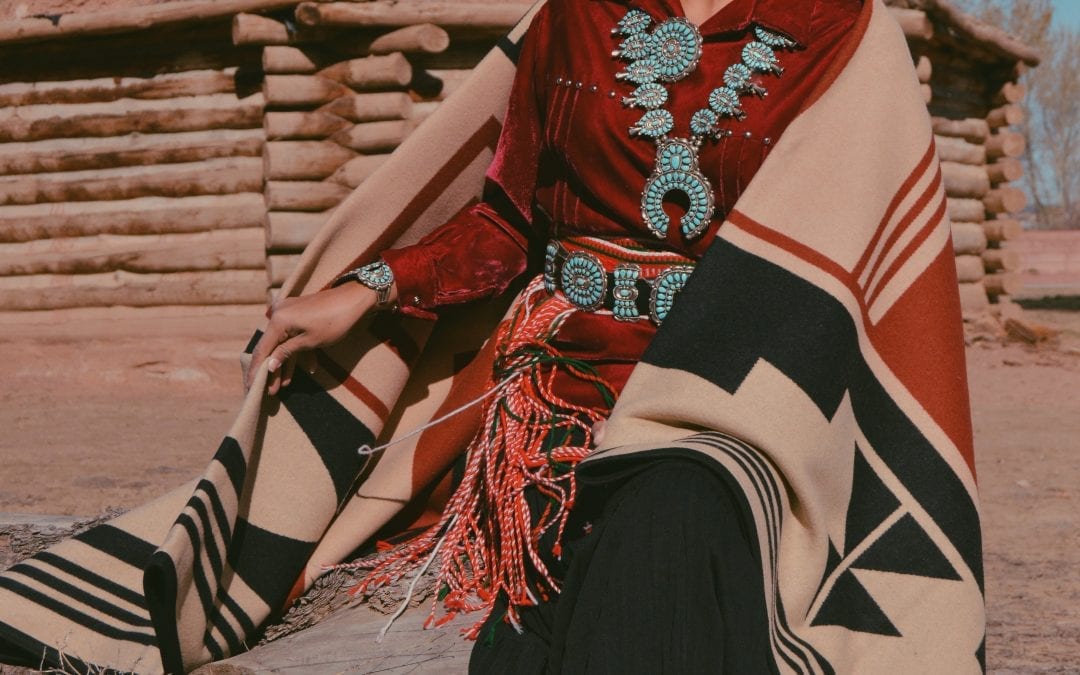
“The blanket tells of the Hopi nation and their sacred relationship with the ancient caretaker of the earth, Maasaw, and the respect of every gift given to them.” says designer Patty Orlando of creative agency Wieden+Kennedy. “The clay they and their ancestors have sourced from the land for centuries is treated with the utmost regard.
