
Planting the Seeds of Cultural Sustainability
April 22, 2026 | Student Ambassador Aiyanna Tanyan’s (Seminole Nation of Oklahoma) work to reclaim food sovereignty
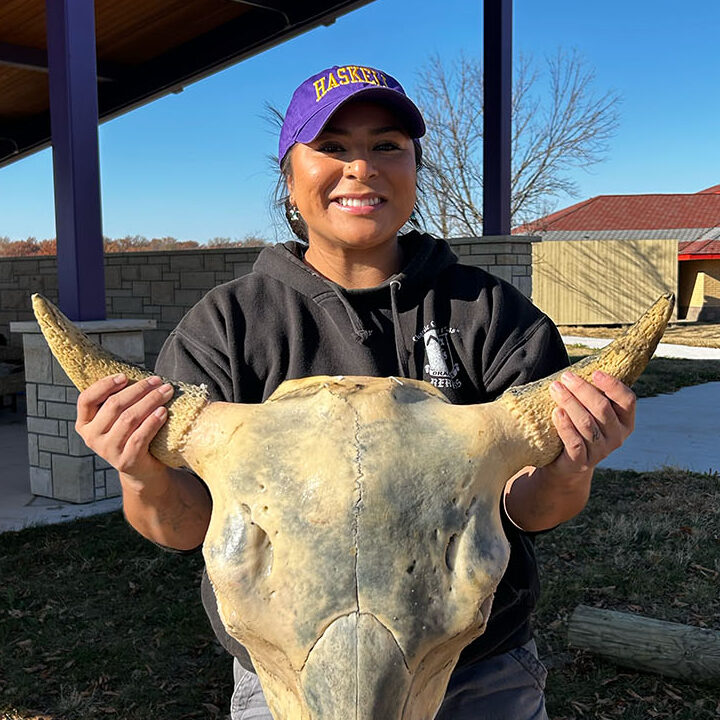
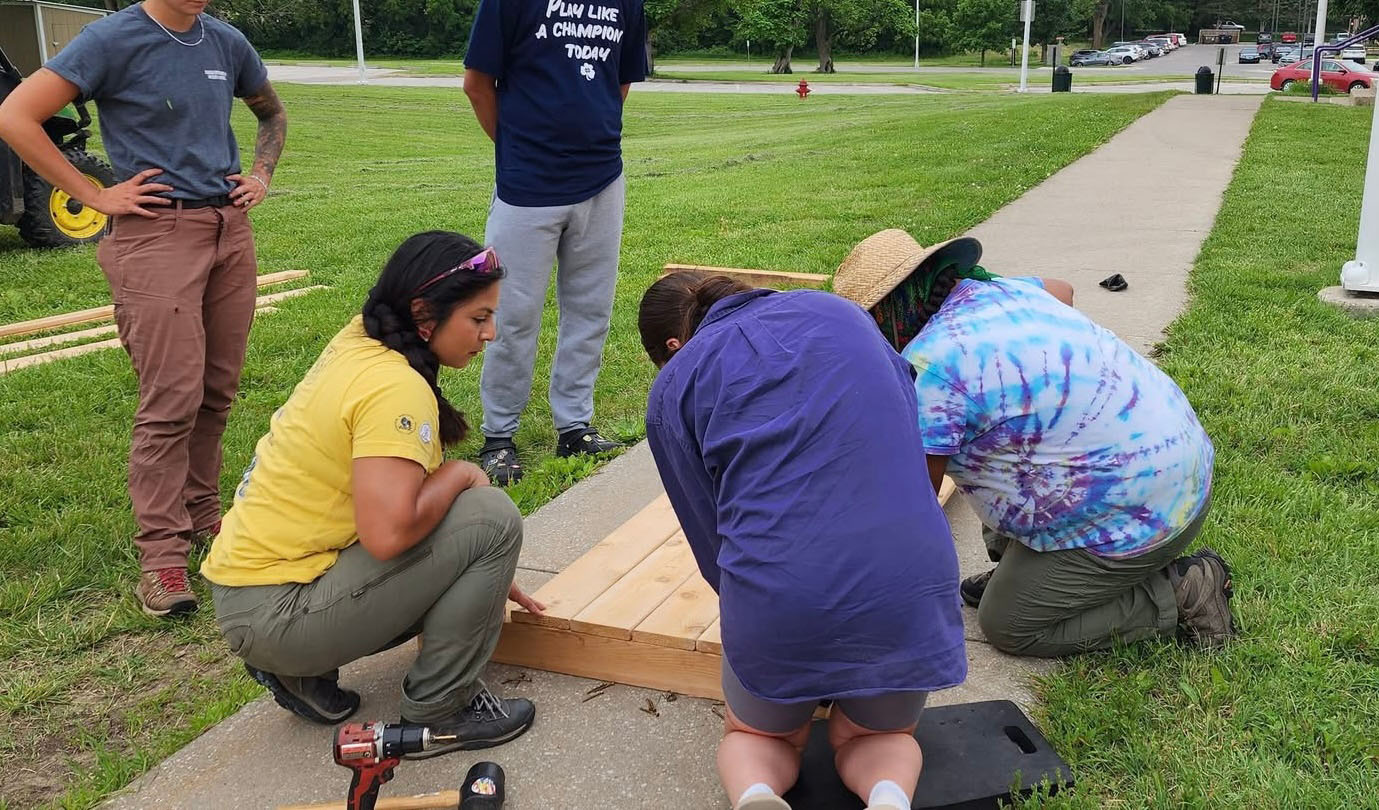
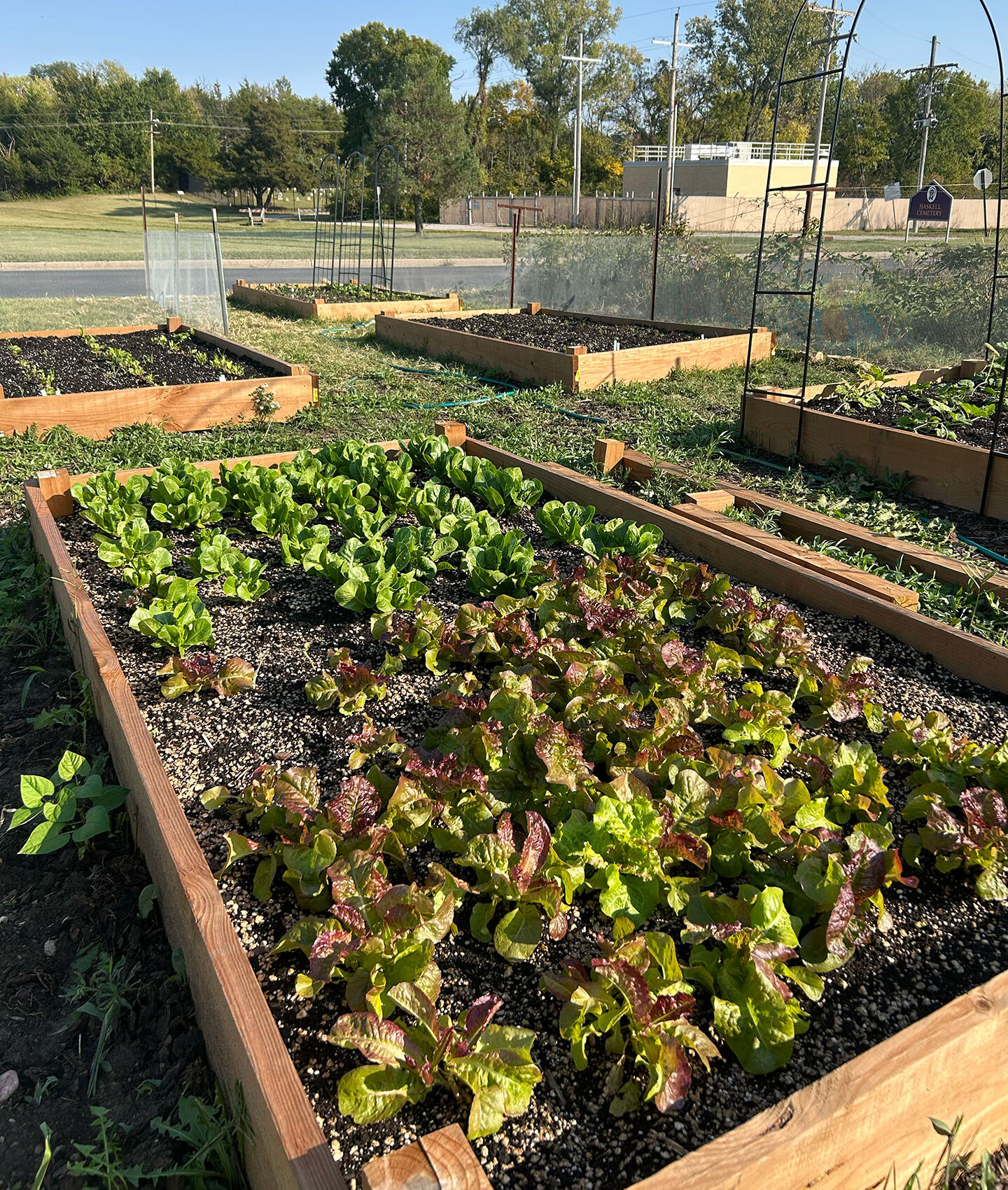
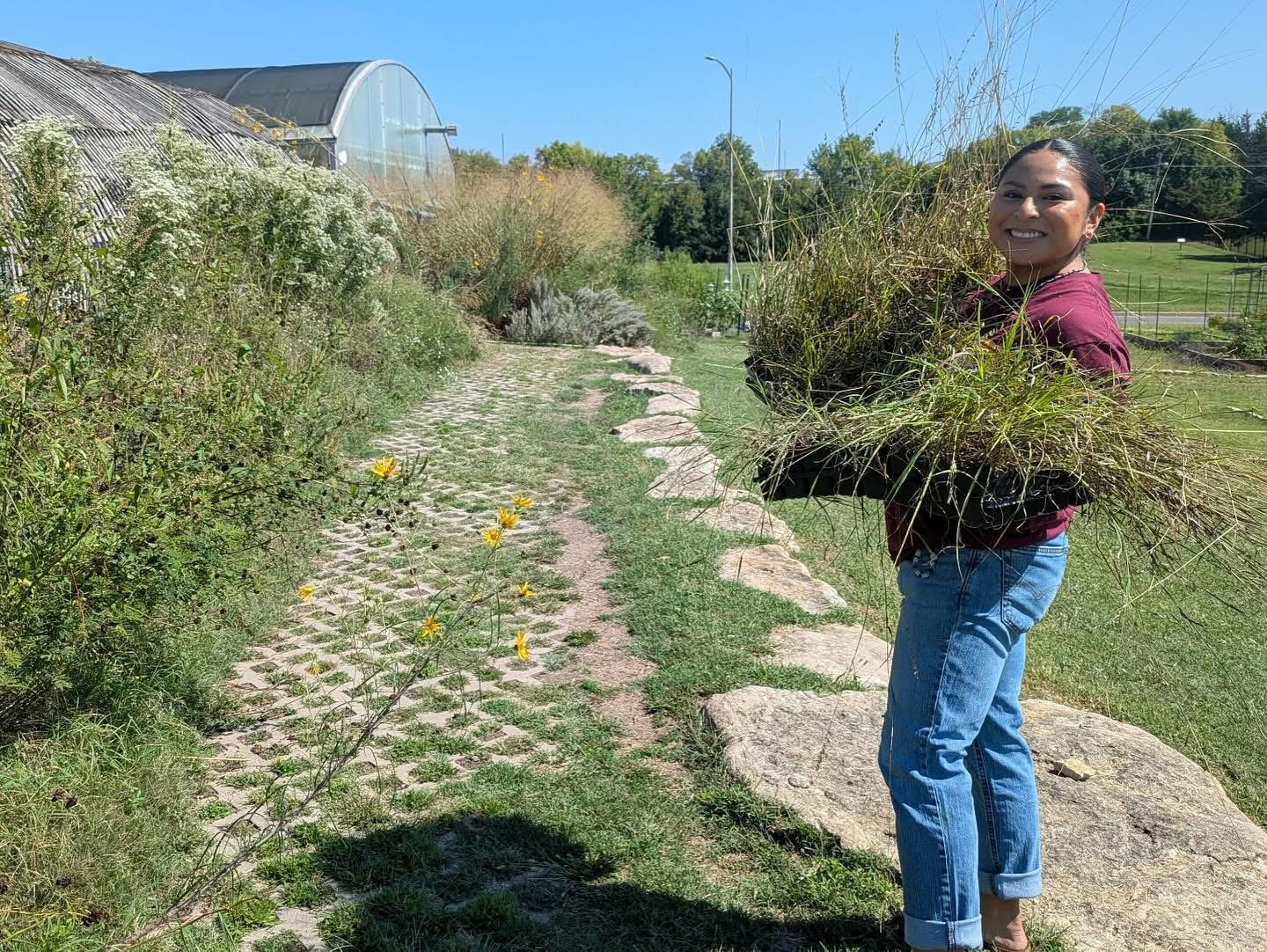
We came up with the idea of building raised garden beds near the dorms so students can easily access fresh foods and learn how to grow them themselves. Through support from the Haskell Greenhouse (funded through the USDA Equity Grant), we started building.
Last year was our first year doing this project and it was a learning experience as with many community-based projects, it comes with trial and error. However, that process taught us a lot about what works, what doesn’t, and how to build something more sustainable moving forward. This year, we’re continuing this work with stronger systems, more involvement, and a clearer vision.
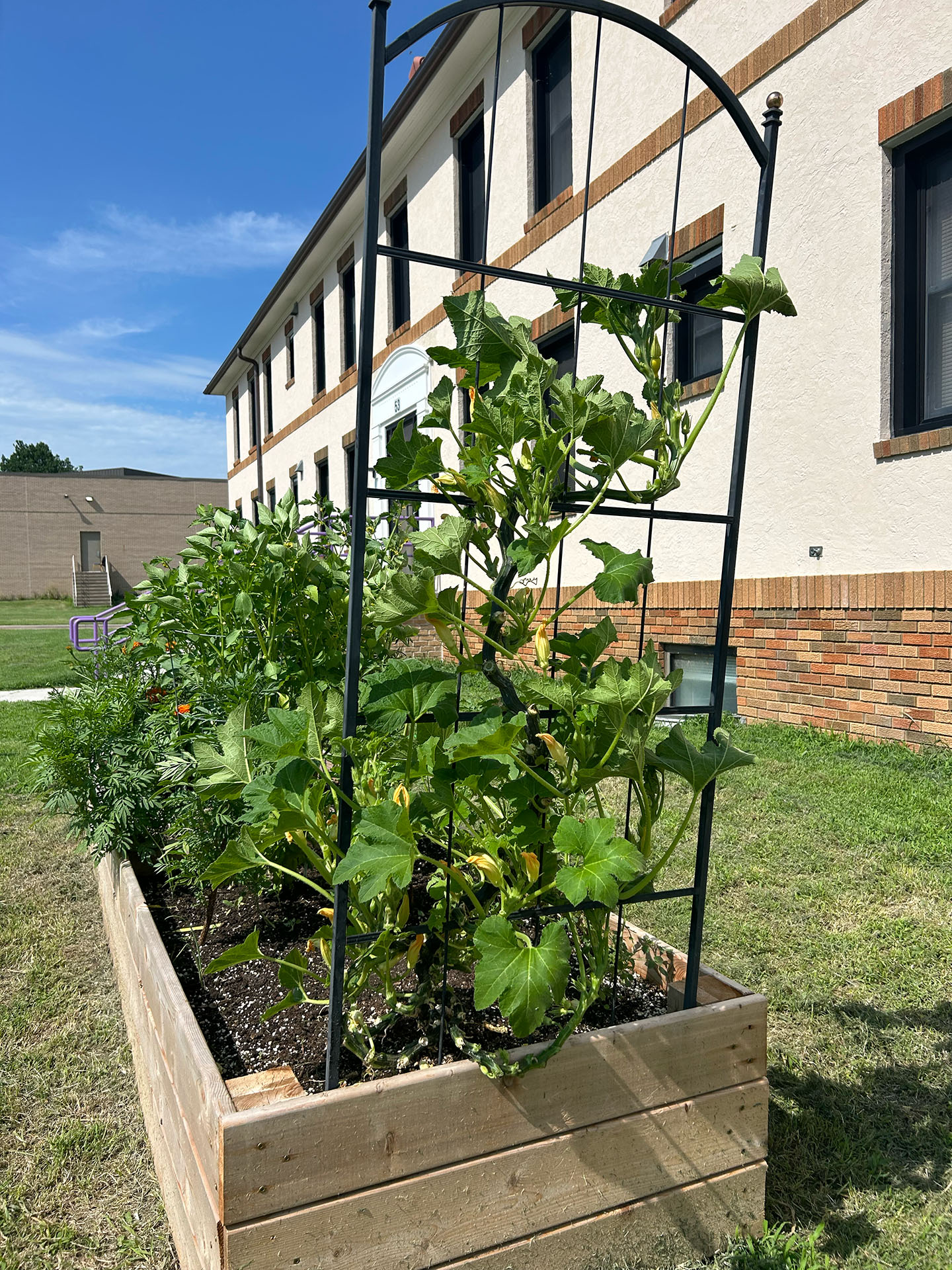
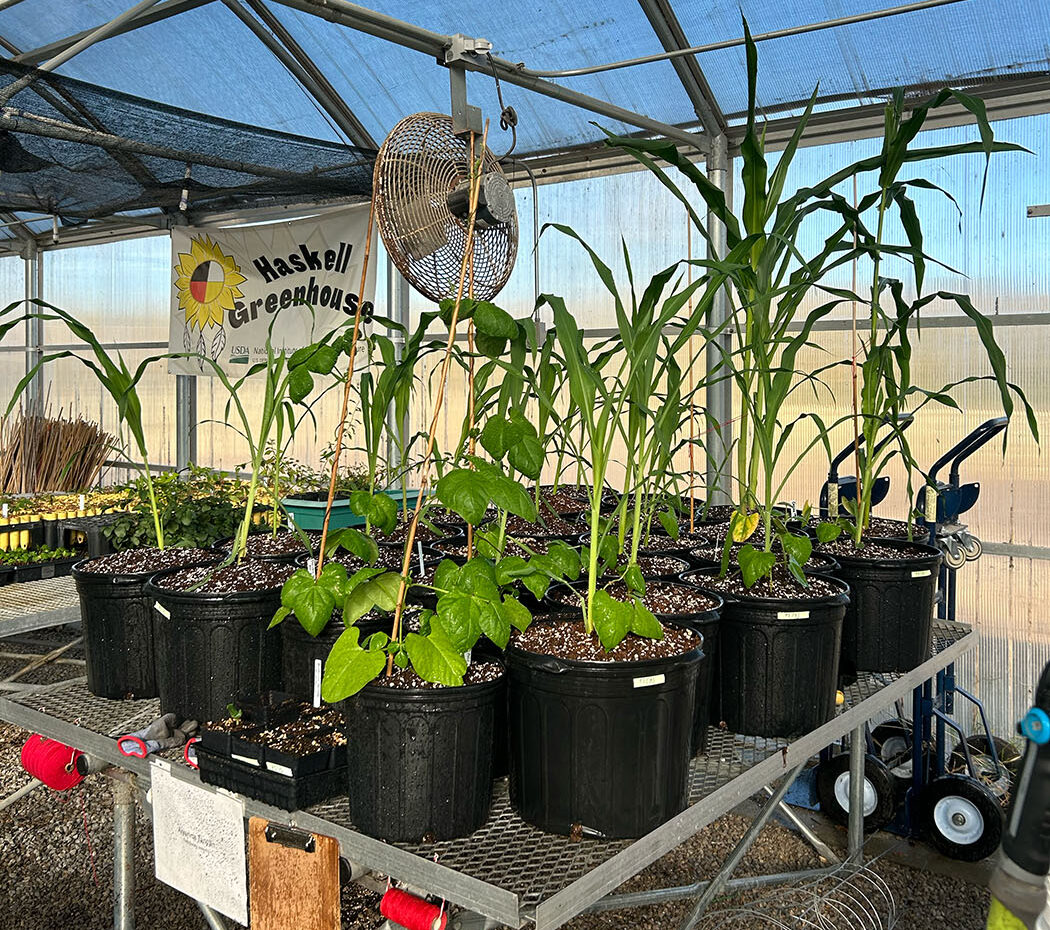
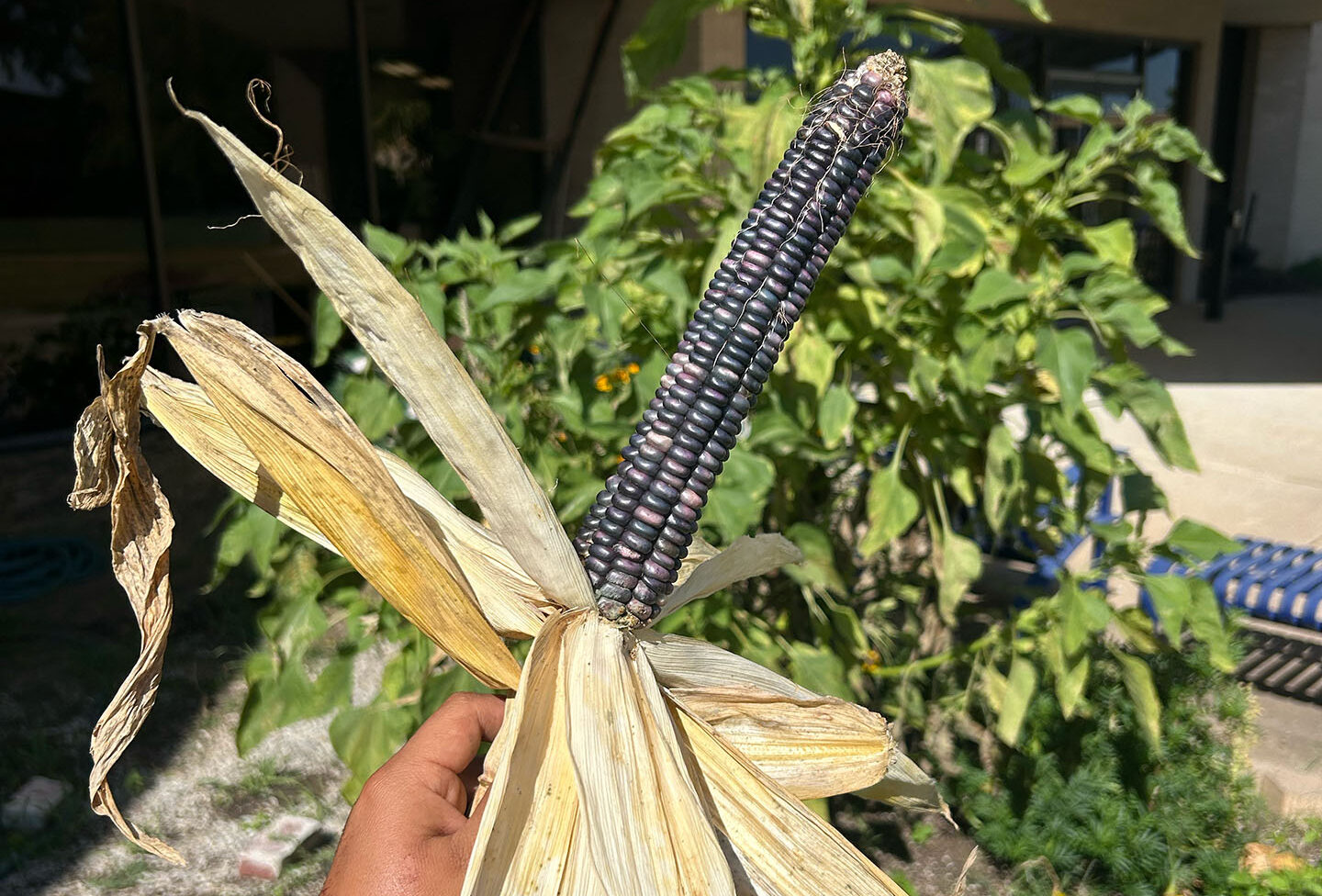
Everyone at the Haskell Greenhouse wants to help others learn, value, and view these spaces as places of teaching. I know they have taught me so much about responsibility and our relationship with the environment. Through these projects, we’re helping students reconnect with the land and understand the importance of food sovereignty for Indigenous communities. This work is ongoing, and we’re still learning. Every seed planted, and every workday shared brings us one step closer to a more sustainable and connected future.
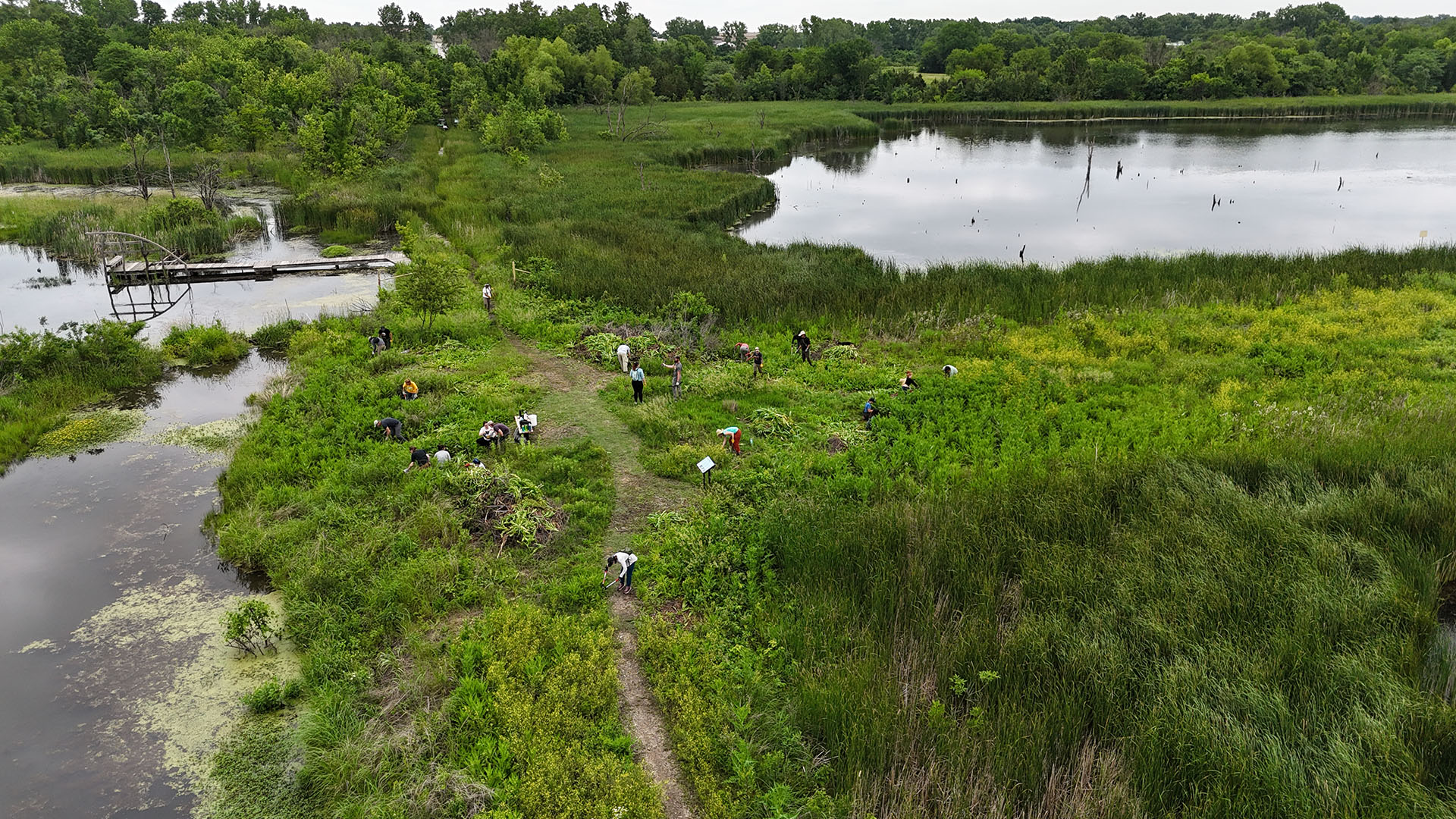
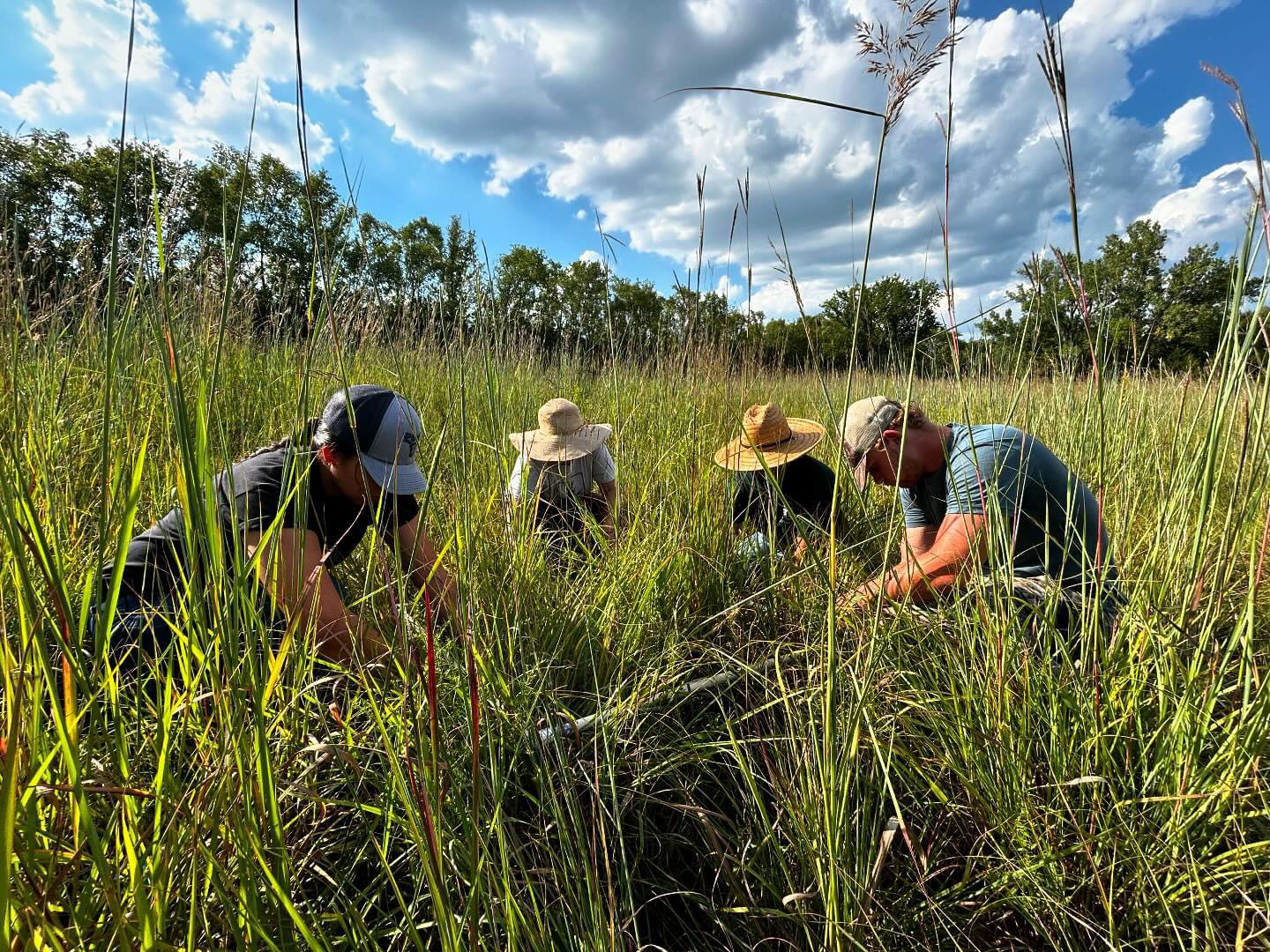
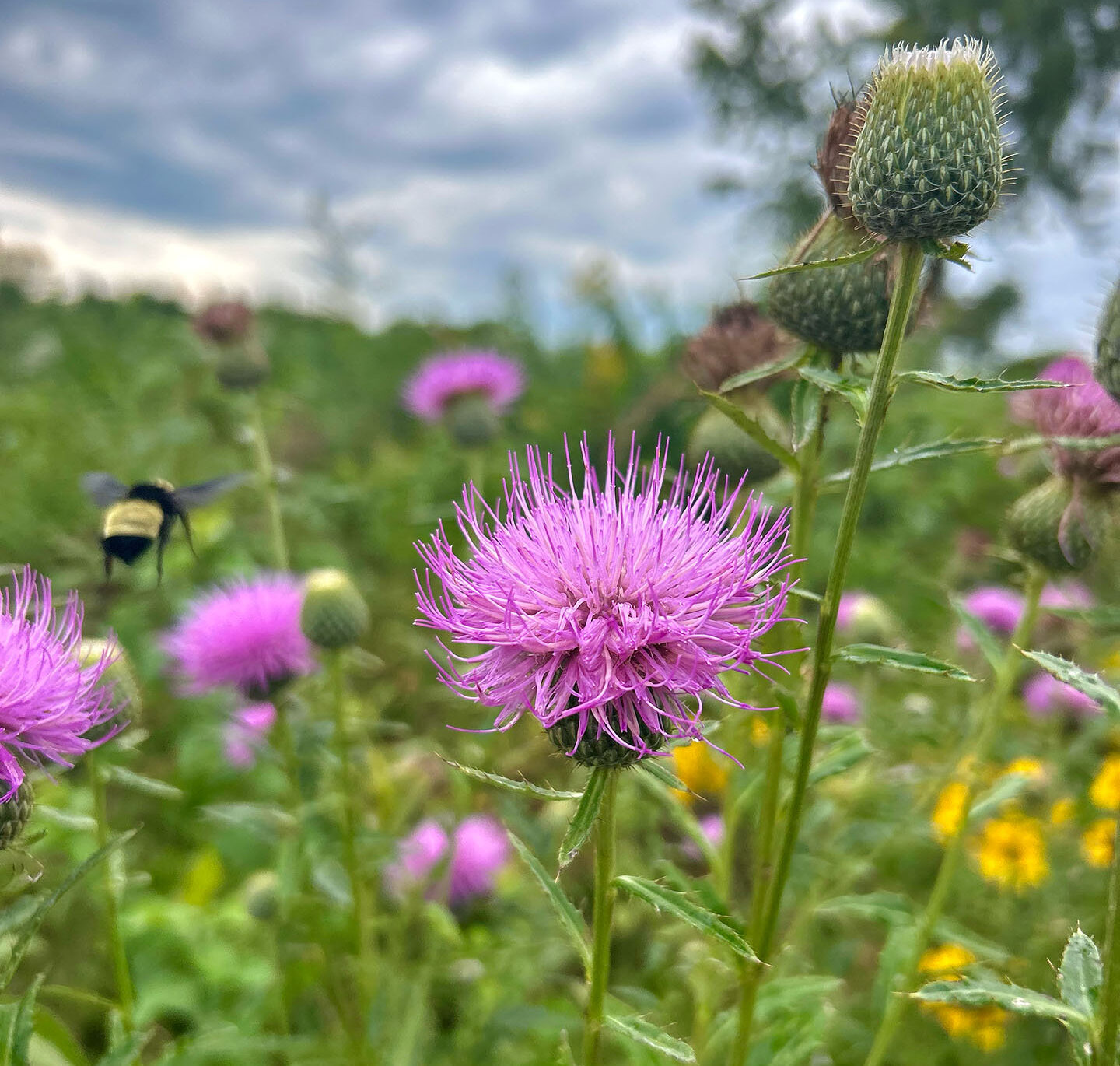
In Caring for Our Kin: Stories of Indigenous Environmental Stewardship, the College Fund shares the stories of Indigenous environmental leaders who are centering kinship and relational knowledge to build healthy ecological systems. These stories remind us that caring for the Earth means caring for one another—and that Indigenous knowledge systems continue to offer guidance, resilience, and hope for the future.
Learn more about our Environmental Stewardship Program.
Ekvnv Vcayecet. Mvto!
(Take care of the Earth/Land. Thank you)
More Blogs
American Indian College Fund and Pendleton Woolen Mills Student Blanket Contest Opens November 15
The American Indian College Fund and Pendleton Woolen Mills, the international lifestyle brand headquartered in Portland, Oregon, are announcing they are accepting submissions for The Tribal College Blanket Design Contest beginning November 15. All American Indian and Alaska Native students attending a tribal college or university are eligible to submit one or several designs in the competition, which awards scholarships and cash prizes to the top three designers.

In Memoriam: President Stephanie Hammitt, Fond du Lac Tribal and Community College
The American Indian College Fund team was saddened to learn of the passing of President Stephanie Hammitt. Our thoughts go out to President Hammitt’s family and friends, along with the faculty, staff, and students at FDLTCC. She will be missed.
American Indian College Fund to Host Book Discussion
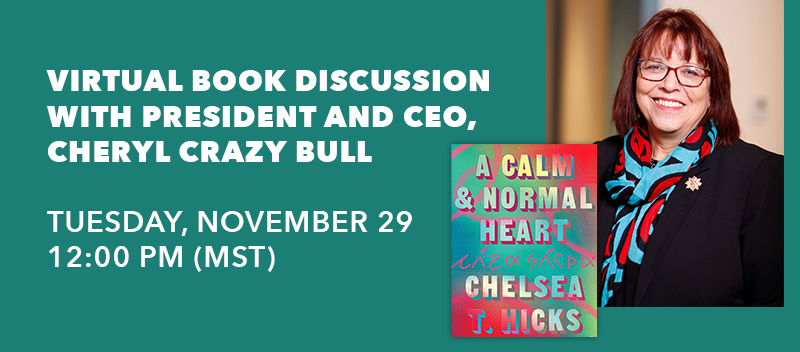
As part of the American Indian College Fund’s Native American Heritage Month activities, president and CEO, Cheryl Crazy Bull, will lead a discussion of the book A Calm and Normal Heart with the author, Chelsea T. Hicks (Osage/Wazhazhe heritage).
American Indian College Fund Announces First Post-Baccalaureate Fellow, Taylor Lucero
In keeping with its mission to positively impact the lives of American Indians by supporting their higher education and career goals and to support Native-led research, the American Indian College Fund launched a post-baccalaureate fellowship program within its Research and Evaluation Department to explore the impact of its programming, research, and work enhancing the capacities of tribal colleges and universities (TCUs). Taylor Lucero (Laguna Pueblo) was selected to serve as the College Fund’s first Post-Baccalaureate Fellow in the program.

Finding the Trail Left for Us
How do we reclaim what Indigenous education is in our communities? This is the question that Fond du Lac Tribal and Community College Child Development program is pursuing. Here are four lessons we have learned along the way. A post by Govinda Budrow, Fond du Lac Tribal and Community College, Ihduwiyayapi Project Administrator.

Pendleton Woolen Mills Opens New Store Downtown Denver
PORTLAND, Ore. (November 1, 2022) – Pendleton Woolen Mills, a global lifestyle brand headquartered in Portland, Oregon, announces the grand opening of the Pendleton Denver store on Thursday, November 10, 2022. Located in the heart of the RiNo district at 2650 Walnut...

American Indian College Fund to Host Twin Cities Food Event Featuring Five Indigenous Celebrity Chefs
American Indian College Fund to Host Twin Cities Food Event Featuring Five Indigenous Celebrity Chefs November 10 EATSS Event to Benefit Native American College Students October 31, 2022, Denver, Colo.-- Can you imagine a world without chocolate, blueberries, or...
Back-to-School
Cheryl Crazy Bull, CEO and President of the American Indian College Fund shares how important tribal colleges and universities (TCUs) are and how critical it is for mainstream institutions to have support readily available for Native students.

Culture is Not a Costume
A guest post from Heidi K. Brandow (Diné, Kanaka Maoli), Communications Manager at First Peoples Fund. As the fall season conjures memories of vivid colors, pumpkin-spiced lattes, and celebrations such as Halloween, we ask the public to refrain from participating in racist and inaccurate portrayals of Indigenous people through “Native American” themed costumes. These practices in no way honor Indigenous people but rather reinforce false narratives and dehumanize Indigenous people into caricatures.
Join the American Indian College Fund in Support of the Indian Child Welfare Act: Vital to Native Culture, Identity, and Sovereignty
On November 9, the United States Supreme Court will hear oral arguments of Haaland v. Brackeen, the case concerning the constitutionality of the Indian Child Welfare Act (ICWA). The stakes are high. The Supreme Court’s decision will ultimately determine whether the 44-year-old law that ensures Native children have the legal right to remain connected to their familial network, culture, and community will remain intact.
