
Planting the Seeds of Cultural Sustainability
April 22, 2026 | Student Ambassador Aiyanna Tanyan’s (Seminole Nation of Oklahoma) work to reclaim food sovereignty
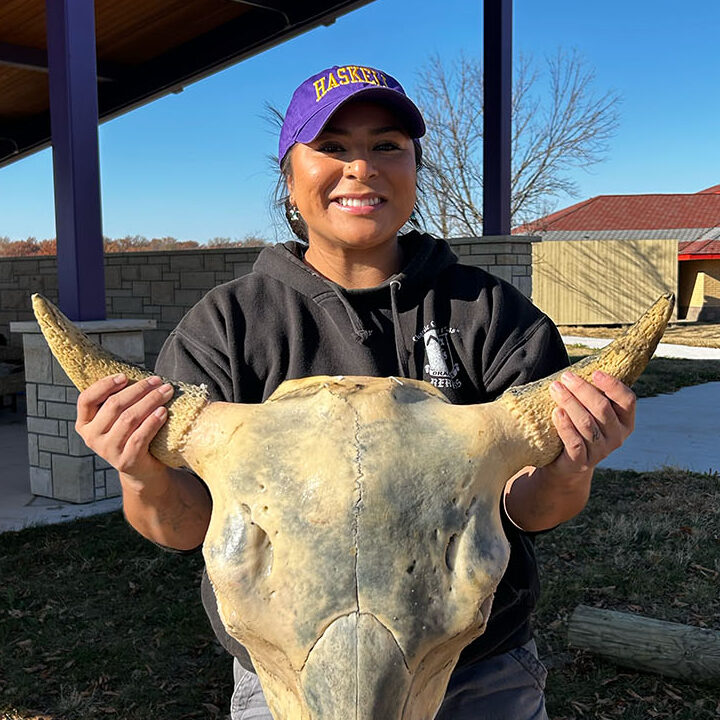
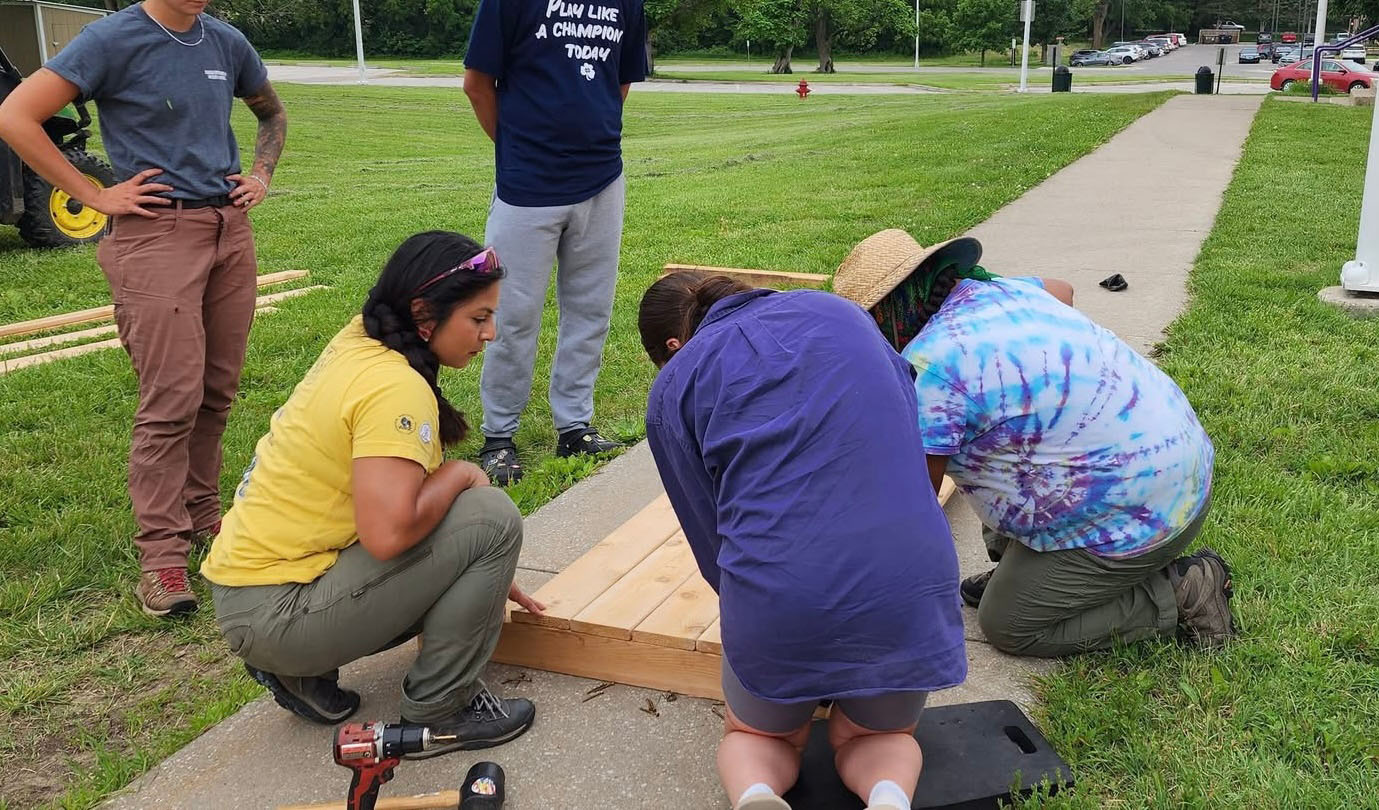
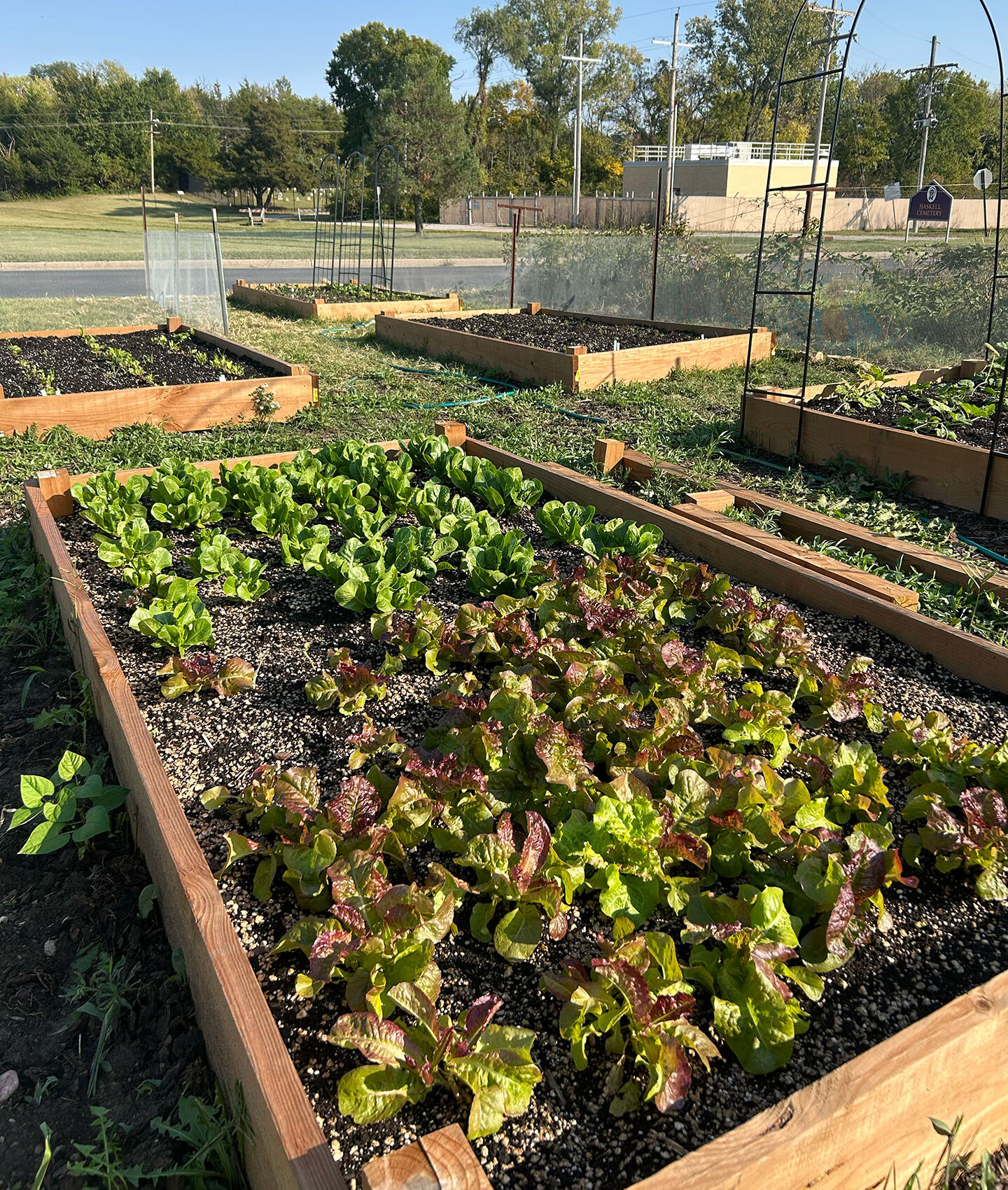
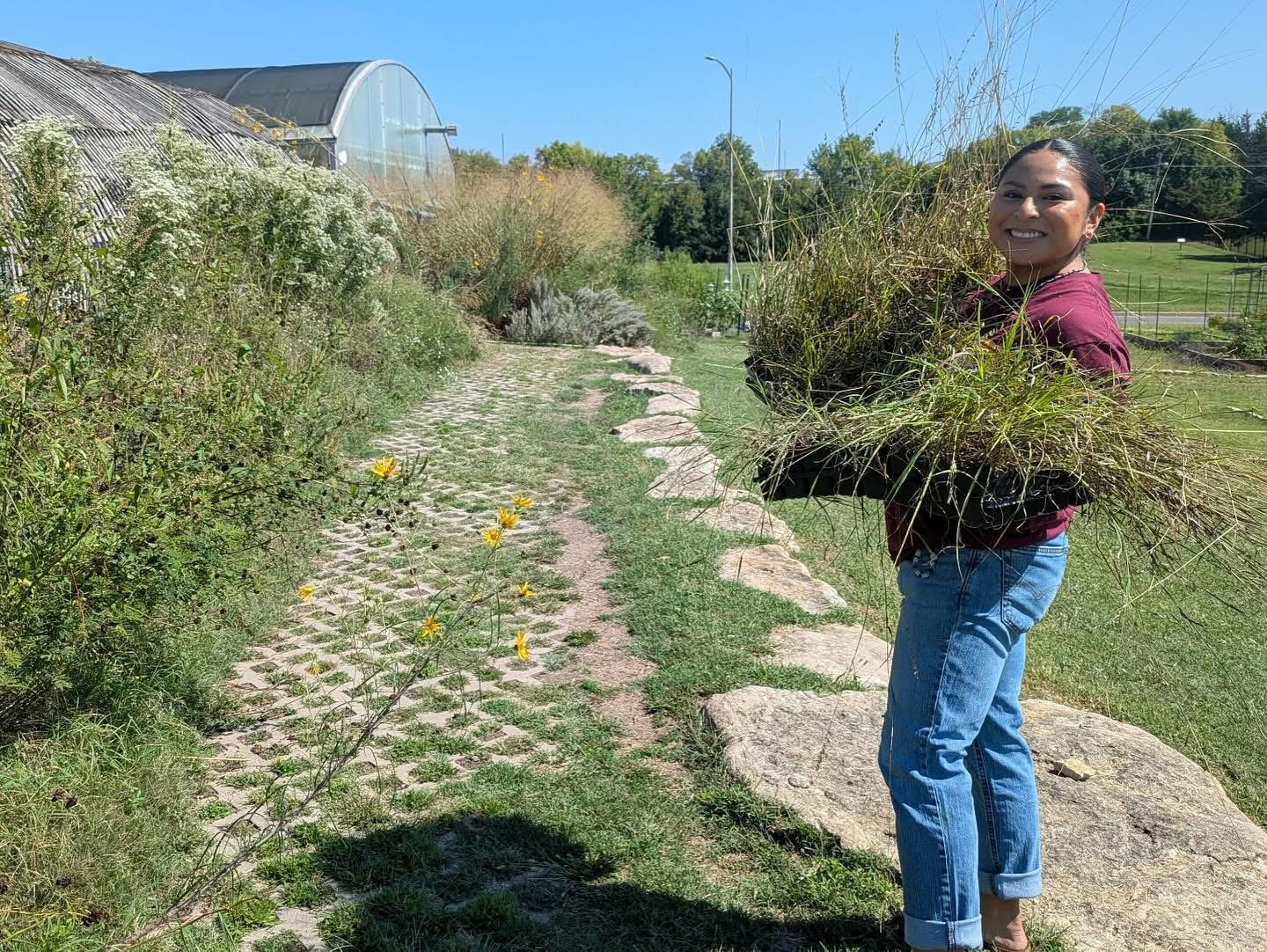
We came up with the idea of building raised garden beds near the dorms so students can easily access fresh foods and learn how to grow them themselves. Through support from the Haskell Greenhouse (funded through the USDA Equity Grant), we started building.
Last year was our first year doing this project and it was a learning experience as with many community-based projects, it comes with trial and error. However, that process taught us a lot about what works, what doesn’t, and how to build something more sustainable moving forward. This year, we’re continuing this work with stronger systems, more involvement, and a clearer vision.
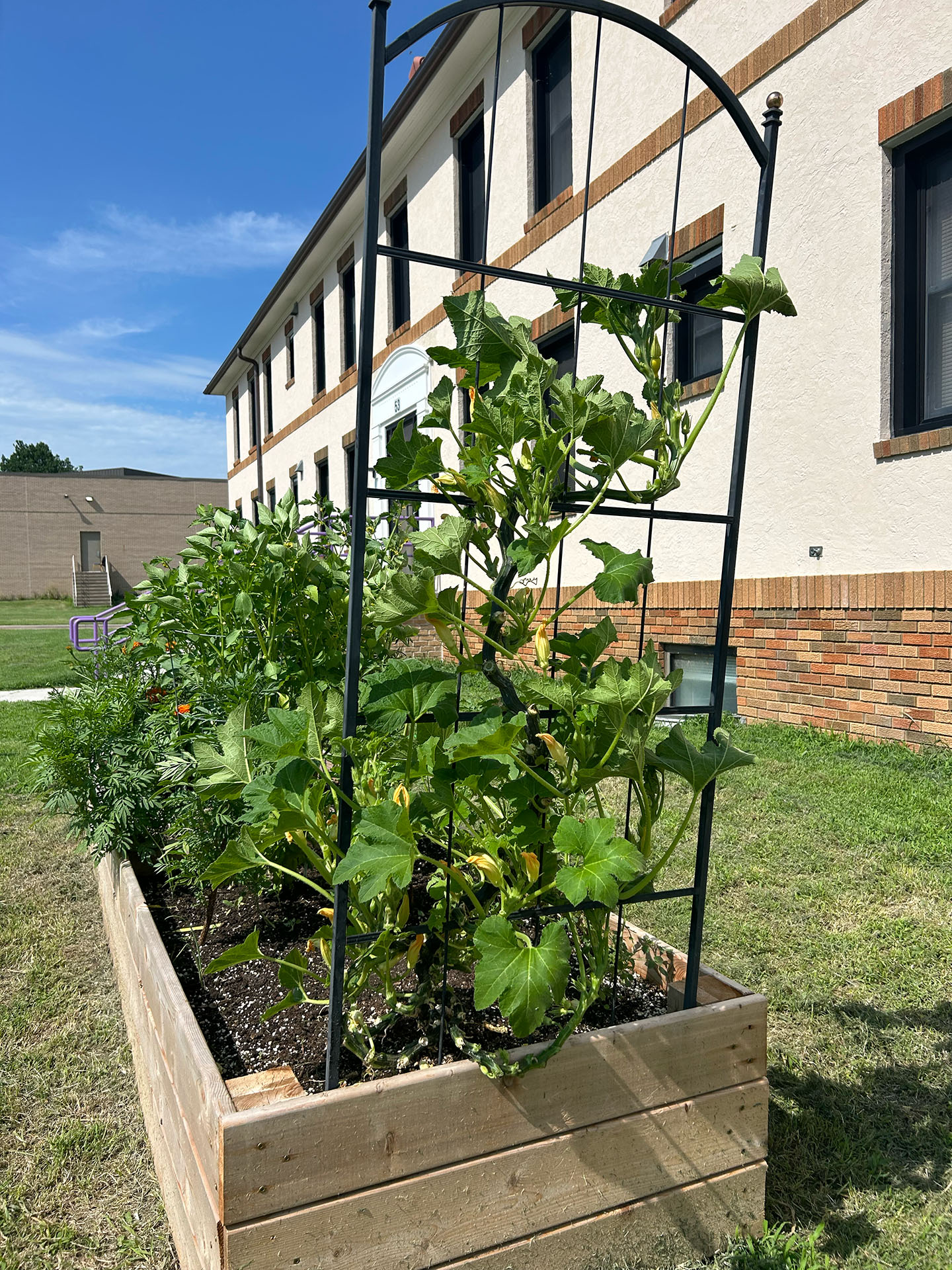
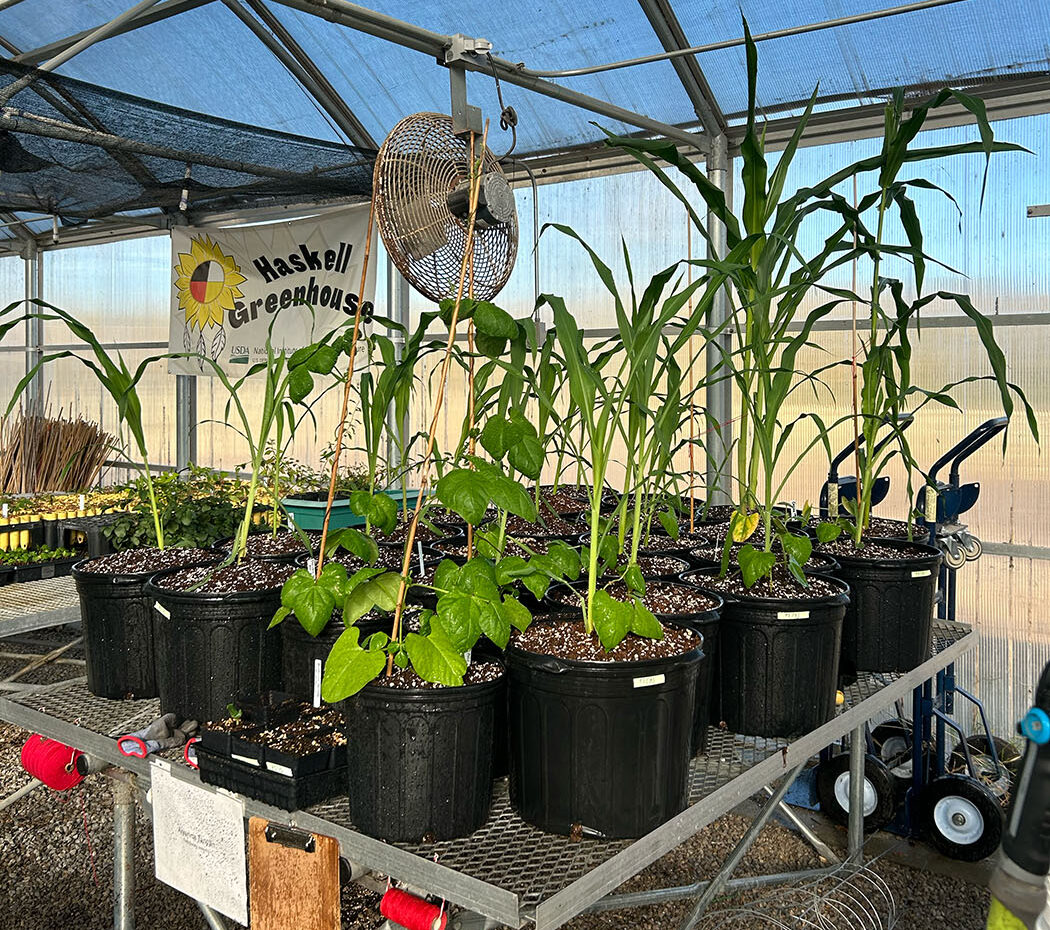
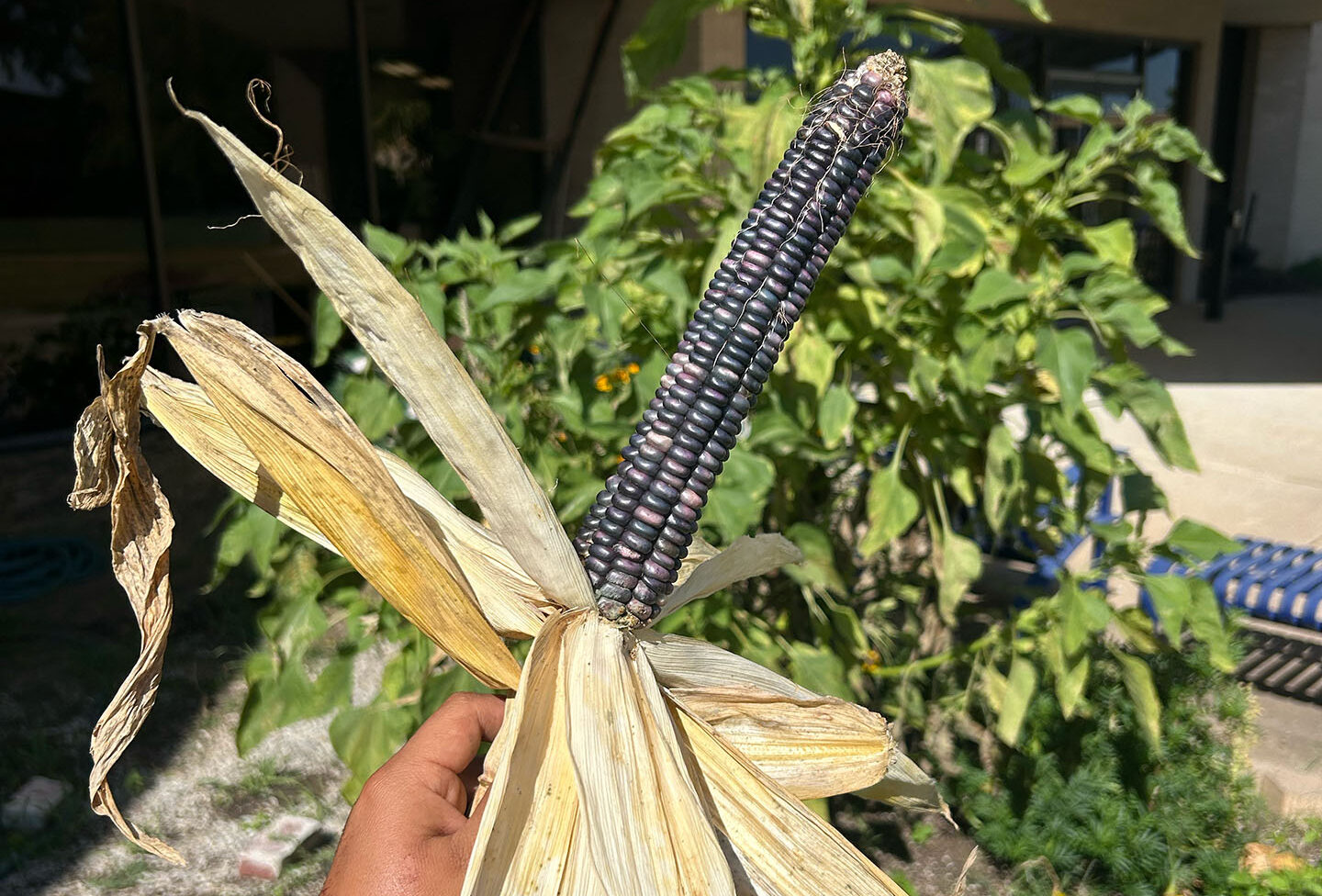
Everyone at the Haskell Greenhouse wants to help others learn, value, and view these spaces as places of teaching. I know they have taught me so much about responsibility and our relationship with the environment. Through these projects, we’re helping students reconnect with the land and understand the importance of food sovereignty for Indigenous communities. This work is ongoing, and we’re still learning. Every seed planted, and every workday shared brings us one step closer to a more sustainable and connected future.
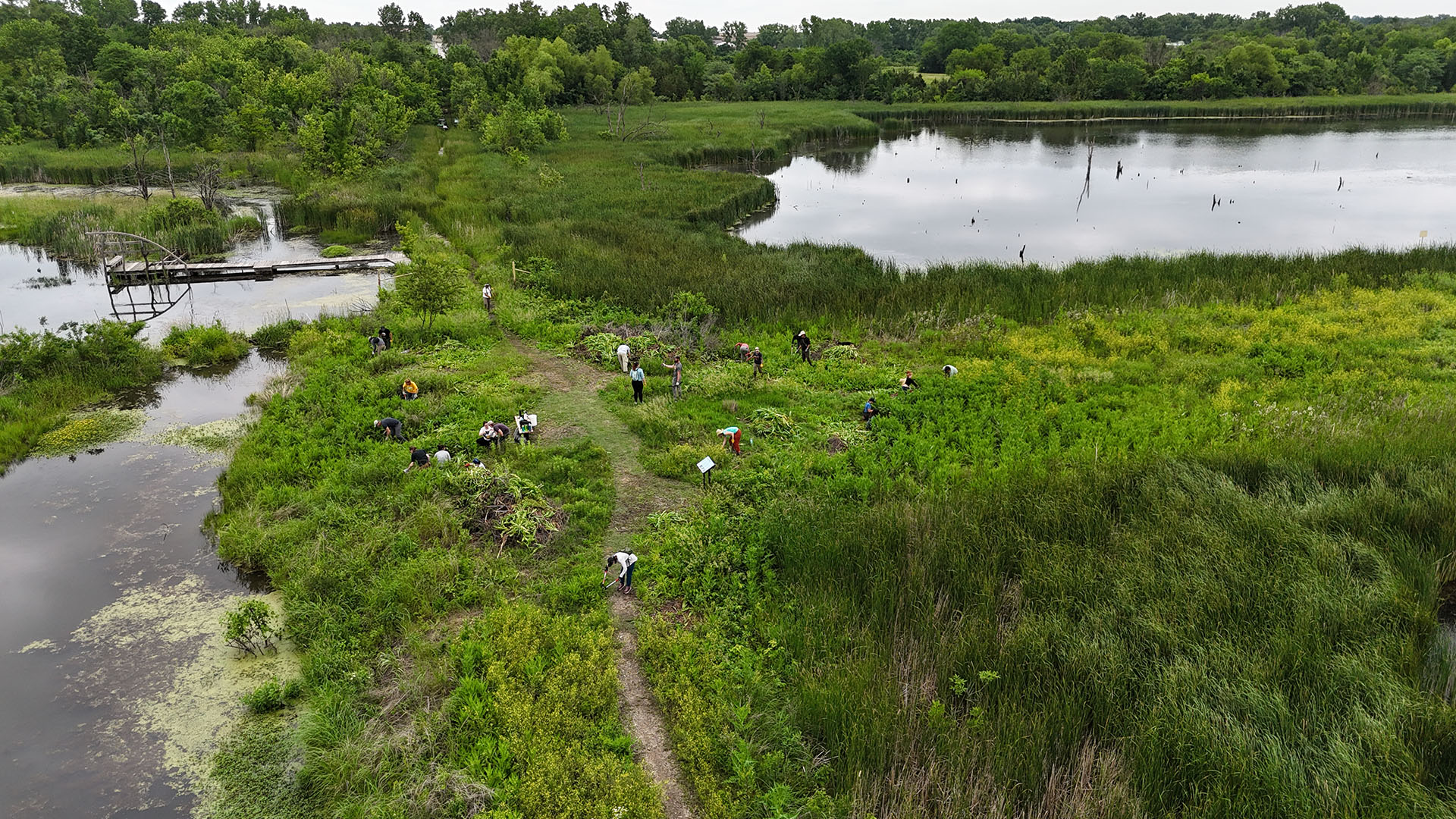
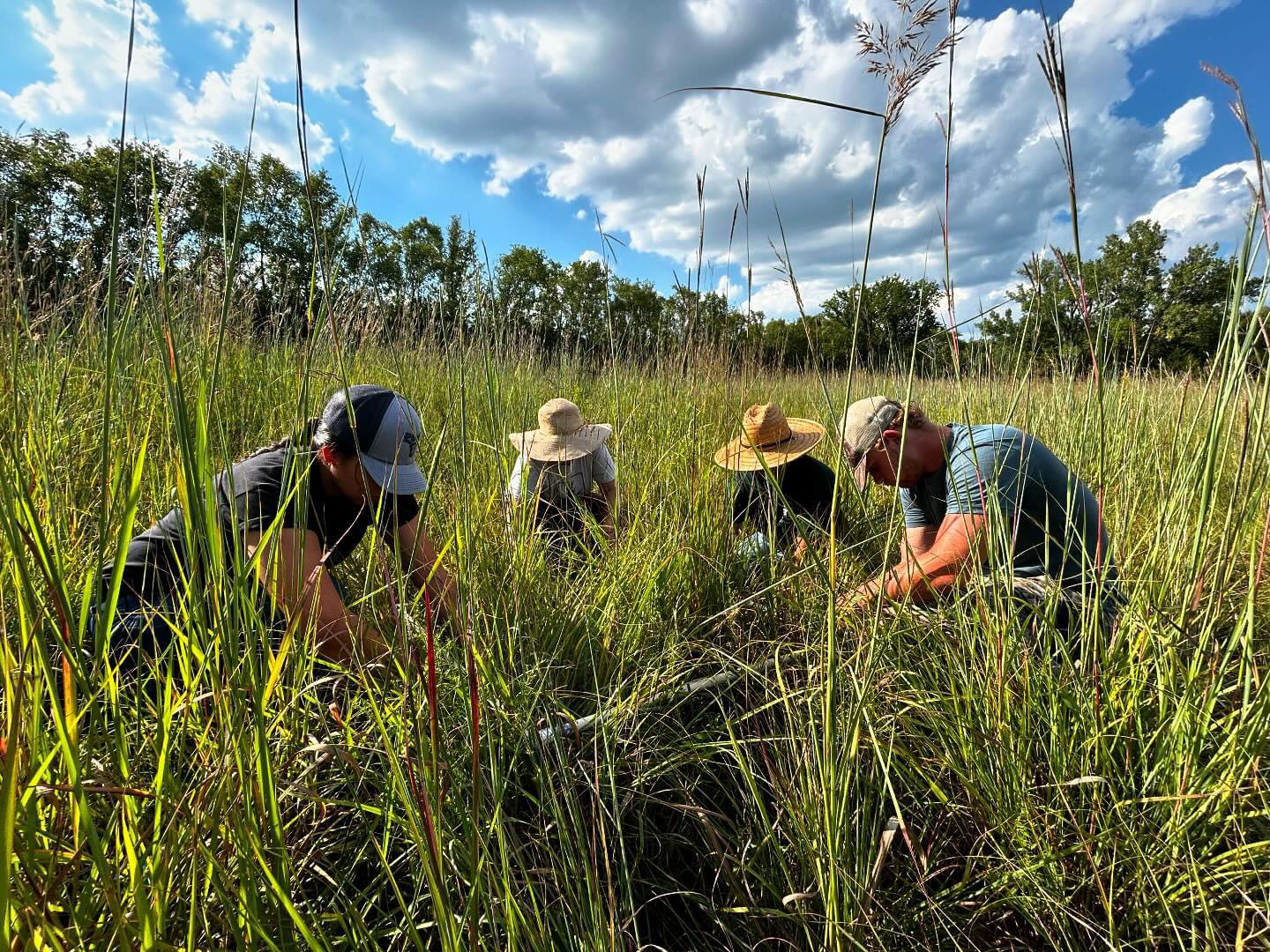
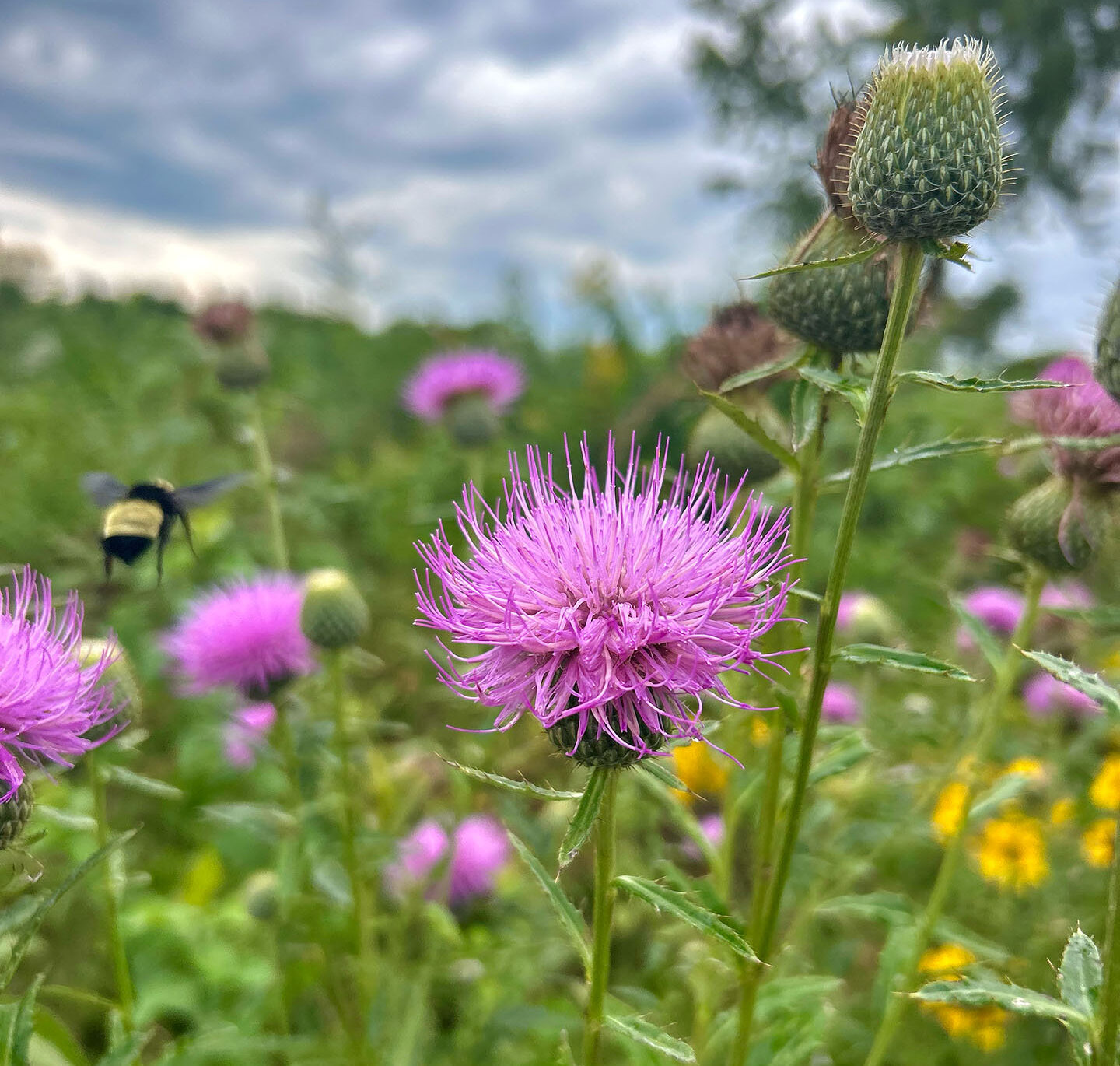
In Caring for Our Kin: Stories of Indigenous Environmental Stewardship, the College Fund shares the stories of Indigenous environmental leaders who are centering kinship and relational knowledge to build healthy ecological systems. These stories remind us that caring for the Earth means caring for one another—and that Indigenous knowledge systems continue to offer guidance, resilience, and hope for the future.
Learn more about our Environmental Stewardship Program.
Ekvnv Vcayecet. Mvto!
(Take care of the Earth/Land. Thank you)
More Blogs
Oglala Lakota College GED Staff Highlight: Both Ends of the Spectrum of Service
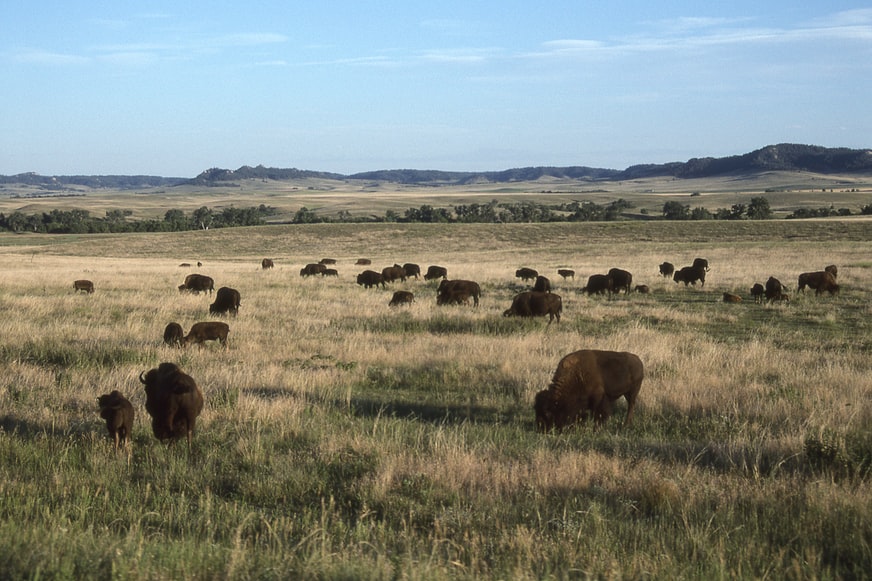
For half of a century, Oglala Lakota College GED tutors have dedicated their hearts and time, helping students pick up their educations where they left off. For some tutors, supporting GED students has been their life’s work. For others, it is a newfound calling.
National Tribal Colleges and Universities Week March 13-19
Alexandria, Va., March 11, 2022 – The American Indian Higher Education Consortium (AIHEC) is hosting its annual legislative summit March 14-18 in Washington, D.C., where Tribal College and University (TCU) presidents will convene both in person and virtually to address urgent legislative priorities for Native higher education.
Sitting Bull College Student Chosen
for Economic Leadership Summit
Tristen Flying Horse, a business management major who is working towards a bachelor’s degree at Sitting Bull College in Fort Yates, North Dakota, was selected to participate in this year’s NAFOA Leadership Summit. The summit is an opportunity for young leaders to attend a full day of programming prior to NAFOA’s 40th Annual Conference.

Bringing Native Voices to the National Conversation
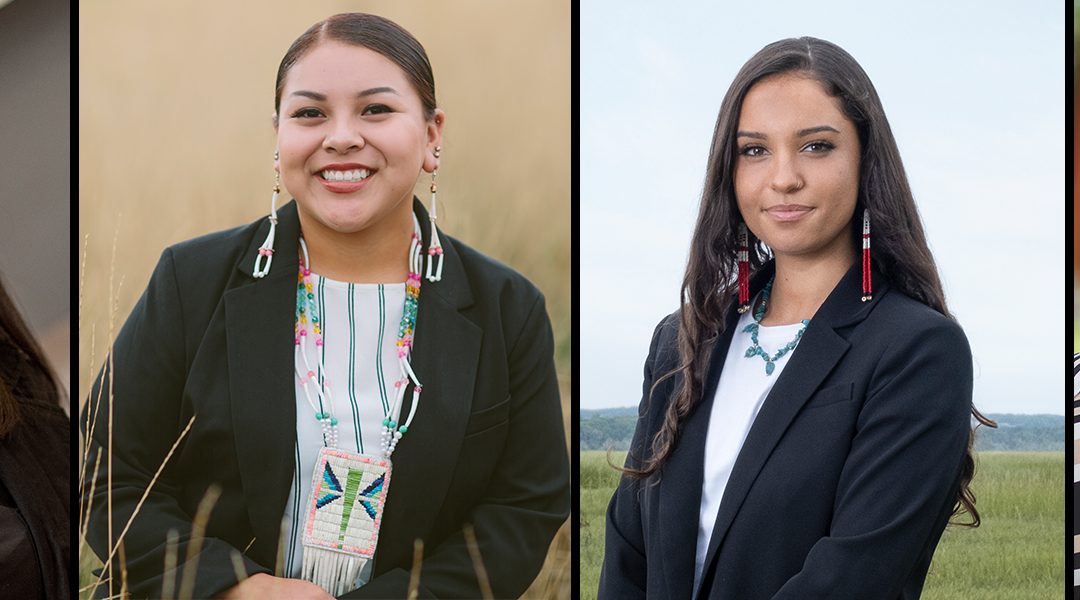
For Women’s History Month, the American Indian College Fund is featuring blogs about and by several of our outstanding scholars. This week we’d like you to meet Harley-Daniel Interpreter (Diné). Harley is an American Indian College Fund Indigenous Visionary Fellow who attends Diné College. For her fellowship, she is working on the Voter Educational Forum, a student-led event to inform and educate her tribal members about voting as a fundamental responsibility.
We Celebrate Native Women from All Tribal Nations Today!
Happy International Women’s Day! Did you know there are 574 federally recognized Indian tribes in the contiguous 48 states and Alaska in the United States? Did you know that each Native Nation is a sovereign nation, with its own language, culture, teachings, spiritual practices, tribal government, court system, and more?
The Stories We Tell
The American Indian College Fund is celebrating Women’s History Month and International Women’s Day (March 8) by highlighting several Native women who are making history today—by serving their communities and ensuring Native voices are heard—and valued.“I’ve come to...
The Night Watchman
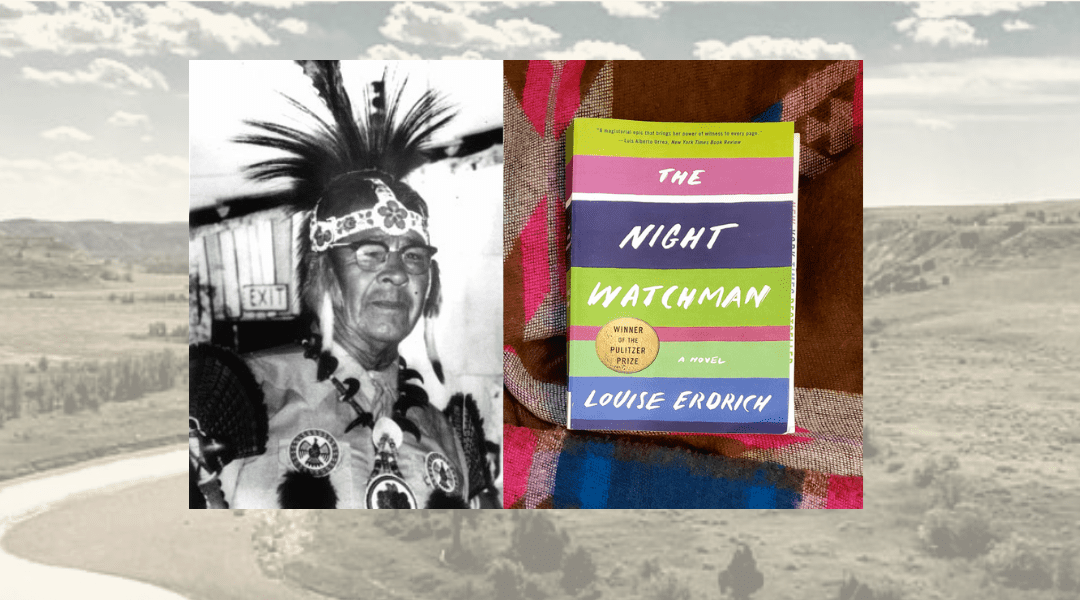
Centered around the threat of the U.S. Government’s Termination of the Turtle Mountain Band of Chippewa tribe in North Dakota, Louise Erdrich’s novel The Night Watchman takes us on an Indigenous journey inspired by her grandfather, Patrick Gourneau, a former tribal chairman of the Turtle Mountain Band of Chippewa and a night watchman.
Tohono O’odham Community College Pre-College GED program
The Tohono O’odham Community College’s Pre-College GED Program has spent the past year and a half creating an efficient GED program suited for the realities their students face every day.
February 24: TCUs and Native American-Serving Institutions Webinar
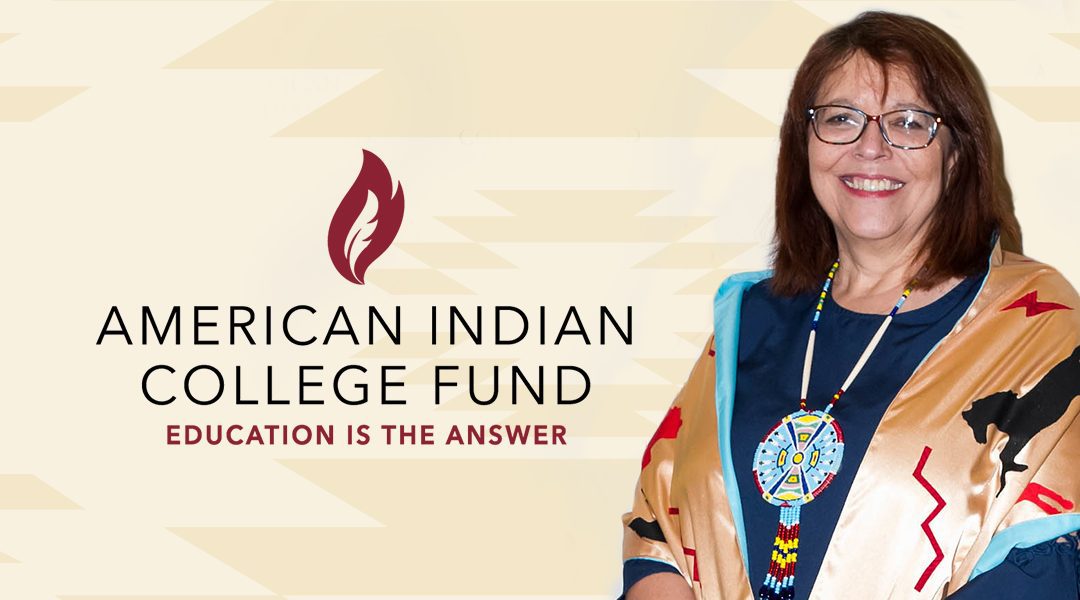
Cheryl Crazy Bull, President and CEO of the American Indian College Fund, will present a webinar on February 24, 2022, from 1-2 PM Eastern Time (11-12 PM Mountain Time) about how Tribal Colleges and Universities and rural Native-serving institutions connect Indigenous students to their identity through place-based education.
President Cheryl Crazy Bull of American Indian College Fund: Statement About the Washington Commanders Football Team Name Change
I can’t think of a better metaphor for the need for respectful visibility of Native people in America than the Washington football team’s announcement that it will be changing its name to the Commanders—on Groundhog Day. At the American Indian College Fund, we are relieved that the Washington team has finally changed its former offensive name.
